Source Waterproof Aluminum Pelican Case for Tools, Cameras, and Instruments
Compare 30 Waterproof Aluminum Pelican Case options from verified Chinese manufacturers. Buyers can evaluate specifications, customization, and pricing for tools, cameras, and instruments to find durable protection solutions suitable for various industrial and outdoor applications requiring reliable equipment safety; compare the available evidence and request quotations based on your requirements.
Key considerations
Products List

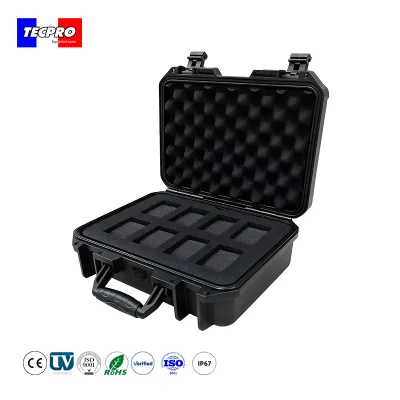
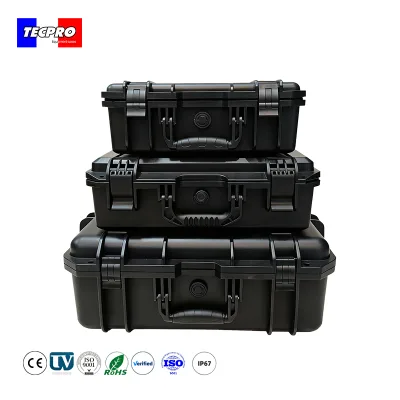
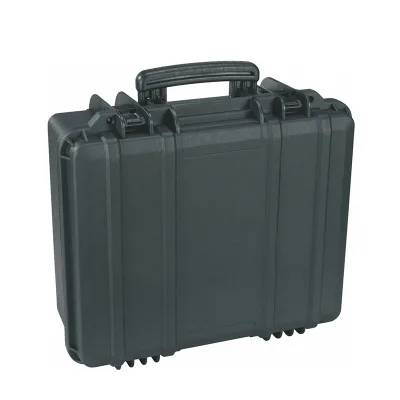
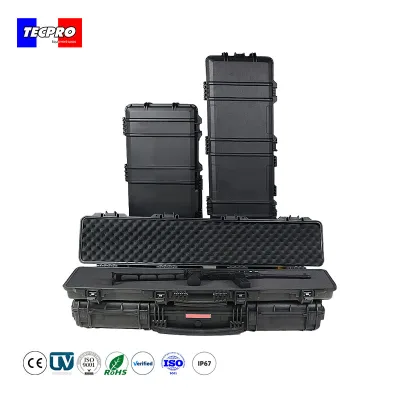
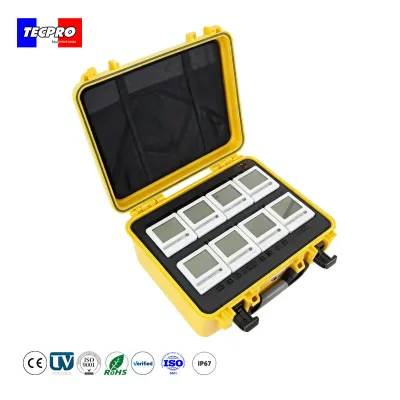
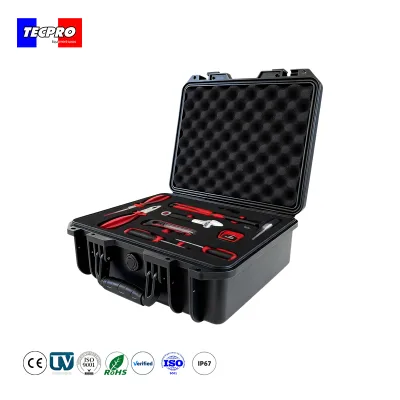
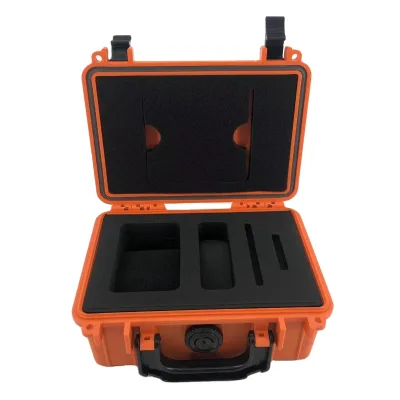
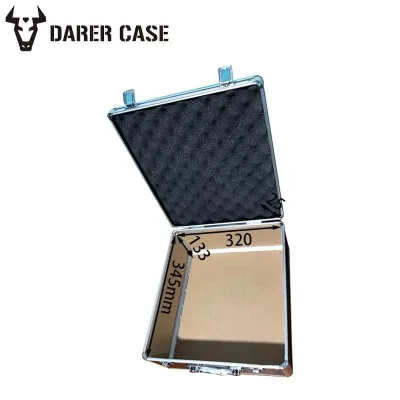
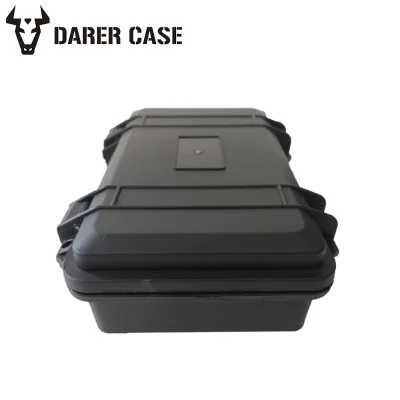
Waterproof Shockproof Hard Plastic Equipment Hand Tool Gun Case Pelican Case
$3.50 - $4.90
MOQ: 5 Pieces

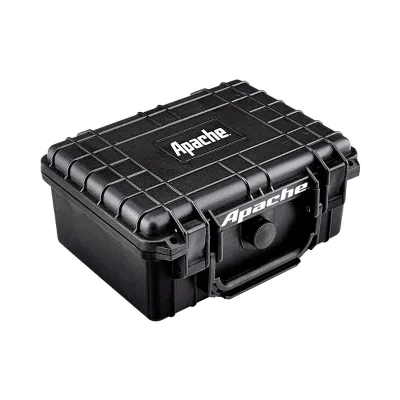
Hard PP Plastic Case Waterproof Shockproof Equipment Case Hand Tool Pelican Case
$50.00 - $55.00
MOQ: 50 Pieces

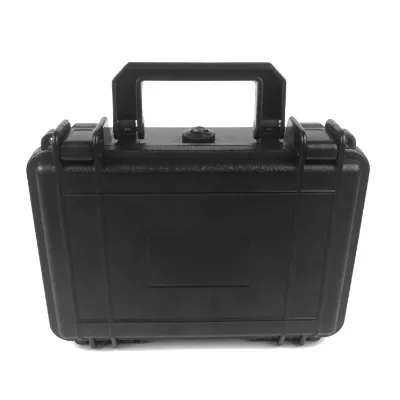
OEM Waterproof Hard Plastic Hand Tool Case Equipment Tool Box Pelican Case
$11.90 - $12.90
MOQ: 10 Pieces

10.62" Waterproof&Shockproof Hard Plastic Equipment Tool Case Gun Case Pelican Case
$6.00 - $10.00
MOQ: 5 Pieces






Comprehensive Sourcing Guide
Waterproof Aluminum Pelican Case Sourcing Guide
Procuring high-durability protective enclosures requires a clear distinction between material types, as market listings often conflate plastic and aluminum variants. The supplied data indicates a strong presence of plastic-based solutions, specifically engineered polypropylene (PP) and generic plastic constructions, which offer distinct advantages in weight and cost. Buyers must carefully verify the core material composition, as the term "Pelican case" is frequently used generically to describe any rugged, waterproof container, regardless of whether it is constructed from aluminum alloy or heavy-duty polymer.
Understanding the specific application environment is critical for selecting the right enclosure. The observed product attributes highlight features such as IP67 ratings, shockproof capabilities, and dust resistance, which are essential for protecting sensitive instruments in harsh conditions. While aluminum cases provide superior structural rigidity and heat dissipation, the available plastic options, including those with PU or EVA foam liners, offer excellent impact absorption and corrosion resistance. Sourcing decisions should align with the specific protection needs of the equipment, balancing the need for extreme durability against budget constraints and weight requirements.
Product Scope and Observed Listing Signals
The current market landscape for protective cases reveals a diverse range of specifications, with observed price points spanning from $0.20 to $120 USD. This wide variance suggests a mix of simple plastic boxes and more complex, multi-layered protective systems. The minimum order quantities (MOQ) range from 1 to 500 units, indicating flexibility for both small-scale prototyping and large-volume industrial procurement. Buyers should note that the majority of the observed listings feature plastic materials, specifically engineering PP, rather than aluminum, which may influence the overall durability and aesthetic expectations of the final product.
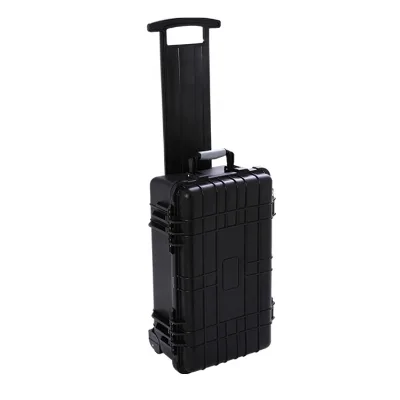
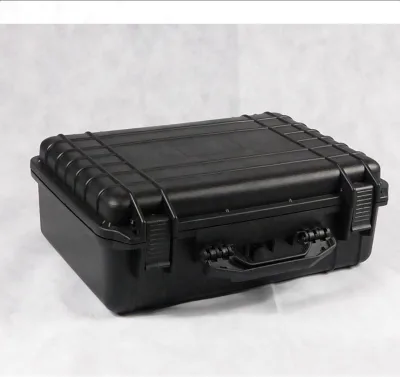
Key product attributes observed include waterproof and shockproof functionalities, with styles ranging from hand-held to wheeled configurations. The color options are predominantly black, with some variations offering black/orange combinations or custom requests. Packaging details typically involve PE bags within master cartons, with specific carton sizes noted for different models, such as 49x40x35cm for 12 pieces. These logistical details are crucial for planning storage and shipping, as the internal dimensions and external packaging sizes directly impact freight costs and warehouse efficiency.
Technical Specifications to Verify
When evaluating protective cases, verifying the internal dimensions and foam customization options is paramount to ensure equipment safety. The observed data includes specific internal measurements, such as 330x210x135mm for certain models, alongside various foam types like PU, EVA, EPE, and XPE. Buyers must confirm that the foam density and cutout precision match the exact dimensions of the instruments being protected. Additionally, the presence of custom liners and adjustable dividers can significantly enhance the protective capabilities, allowing for secure transport of irregularly shaped or multiple items within a single enclosure.
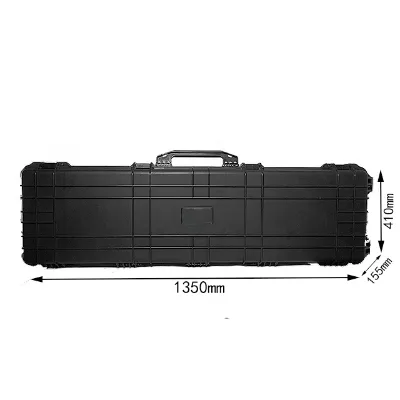
The external dimensions and weight specifications also play a critical role in usability and transport logistics. Observed weights range from 1925g to 10kg, reflecting the substantial difference between lightweight plastic boxes and heavier, more robust aluminum or thick-walled plastic cases. Models like the YFP-B64 and BL332113 demonstrate varying standard sizes, such as 1346x406x155mm, which cater to different equipment sizes. Buyers should carefully compare these external dimensions with the required internal space, accounting for the thickness of the foam and the case walls to avoid under-sizing the enclosure.
Compliance and Safety Documentation
Ensuring that protective cases meet relevant safety and environmental standards is essential for global procurement. The observed listings mention certifications such as IP67, RoHS, and Reach, which indicate compliance with international regulations regarding dust and water ingress, as well as hazardous substance restrictions. Buyers should request valid certification documents from suppliers to verify these claims, as the IP67 rating specifically ensures that the case is dust-tight and protected against immersion in water up to 1 meter for 30 minutes. This level of protection is vital for equipment used in outdoor or industrial environments.
Furthermore, the material composition and manufacturing processes should align with environmental and safety regulations. The use of engineering PP and specific foam types must be verified to ensure they do not contain harmful chemicals, especially if the cases are used in sensitive environments like healthcare or food processing. Buyers should also inquire about the warranty terms, with observed data indicating a 1-year warranty for some products. This warranty coverage can provide additional assurance regarding the durability and quality of the materials used, reducing the risk of premature failure in the field.
Cost Drivers and Commercial Terms
Several factors influence the final cost of protective cases, including material type, customization level, and order volume. The observed price range of $0.20 to $120 USD reflects the diversity in product complexity, with basic plastic boxes being more affordable than custom-engineered aluminum or multi-layered plastic cases. Customization options, such as logo printing, custom foam inserts, and specific color requests, can significantly increase the unit price. Buyers should evaluate the cost-benefit ratio of these customizations, considering whether they are necessary for branding or functional requirements.
Commercial terms, including MOQ and lead times, also impact the overall procurement strategy. The observed MOQ range of 1 to 500 units allows for flexibility, but larger orders may offer better per-unit pricing. Buyers should negotiate clear terms regarding payment methods, shipping responsibilities, and return policies. Additionally, the packaging details, such as the use of PE bags and master cartons, should be confirmed to ensure that the products are protected during transit. Understanding these commercial dynamics helps in budgeting accurately and avoiding unexpected costs during the procurement process.
Supplier Qualification and Quality Control
Selecting a reliable supplier is crucial for ensuring consistent quality and timely delivery of protective cases. Buyers should verify the supplier's manufacturing capabilities, including their experience with engineering PP and aluminum fabrication. The observed data mentions OEM and ODM support, indicating that suppliers can customize products to meet specific requirements. Buyers should request samples to assess the build quality, including the integrity of seals, the durability of latches, and the precision of foam cutouts. This hands-on evaluation is essential for identifying potential quality issues before committing to a large order.
Quality control processes should be clearly defined and agreed upon with the supplier. Buyers should inquire about the supplier's inspection procedures, including pre-production samples, in-process checks, and final random inspections. The observed mention of a 1-year warranty suggests that some suppliers stand behind their products, but buyers should also consider implementing their own quality assurance protocols. Establishing clear communication channels and regular updates can help mitigate risks and ensure that the delivered products meet the specified standards and expectations.
Long-Term Procurement Checks
Establishing a long-term procurement strategy involves regular performance reviews and continuous improvement initiatives. Buyers should monitor the performance of the protective cases in the field, tracking metrics such as failure rates, customer feedback, and maintenance costs. This data can provide valuable insights into the durability and effectiveness of the chosen products, allowing for informed decisions in future procurement cycles. Additionally, staying updated on industry trends and technological advancements can help buyers identify new opportunities for improving their protective equipment solutions.
Building strong relationships with suppliers is also key to long-term success. Buyers should engage in open and transparent communication, providing feedback on product performance and discussing potential improvements. Collaborative efforts can lead to better product designs, more competitive pricing, and improved service levels. Furthermore, diversifying the supplier base can reduce dependency on a single source and mitigate supply chain risks. By maintaining a proactive approach to supplier management, buyers can ensure a steady supply of high-quality protective cases that meet their evolving needs.
FAQs
What certifications do the waterproof cases have?
The cases hold IP67, RoHS, and Reach certifications for safety and environmental compliance. These standards ensure the plastic construction meets international requirements for dust and water resistance while protecting instruments during transport.
Can I customize the foam liner inside the case?
Yes, customization is available for the foam liner using PU, EVA, EPE, or XPE materials. Buyers can request specific foam types to securely hold tools or instruments, ensuring optimal protection during shipping and storage operations.
What is the minimum order quantity for these cases?
The minimum order quantity ranges from one to five hundred units depending on the specific model selected. Buyers should verify the exact MOQ for their chosen product model before placing an order to ensure availability.
How are the cases packaged for shipping?
Cases are packed in PE bags and then placed into master cartons for safe transport. Specific carton sizes vary by model, such as 49x40x35cm for twelve pieces or 13.5x41x16cm for single units, ensuring efficient logistics.
Which materials are used to construct these protective cases?
The cases are constructed from engineering PP plastic to ensure durability and impact resistance. This material choice provides a lightweight yet strong solution for protecting sensitive equipment against shocks, water, and dust in various environments.
What is the warranty period for these products?
A one-year warranty is provided for the waterproof plastic safety protective equipment. This coverage ensures buyers receive reliable support for manufacturing defects, offering peace of mind for long-term use in professional tool packages.
Can I request a custom logo on the case?
Yes, buyers can request a custom logo using PVC stickers or other approved methods. This customization option allows businesses to brand their protective equipment effectively while maintaining the high standards of the waterproof and shockproof design.