Source Amber Glass Pharmaceutical Infusion Bottle for Medicine
Find and compare 30 Amber Glass Pharmaceutical Infusion Bottle options for filling antibiotics, injection powders, and saline solutions. These molded glass containers feature crimp necks, autoclave suitability, and customizable capacities to meet diverse medical packaging needs.
Key considerations
Products List


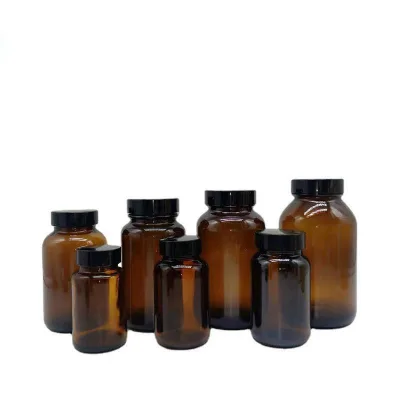
100ml Brown Glass Syrup Medicine Bottle Amber Glass Pharmaceutical Empty Bottles
$0.08 - $0.18
MOQ: 10000 Pieces




Comprehensive Sourcing Guide
Amber Glass Pharmaceutical Infusion Bottle Sourcing Guide
Sourcing amber glass pharmaceutical infusion bottles requires a disciplined approach to material science, regulatory compliance, and supply chain reliability. These containers are critical for protecting light-sensitive medications, such as antibiotics and injection powders, from degradation caused by ultraviolet and visible light exposure. The amber hue is not merely aesthetic; it is a functional barrier that ensures the chemical stability of the active pharmaceutical ingredients (APIs) during storage and transit. Buyers must recognize that while the glass provides essential protection, the integrity of the seal and the hydrolytic resistance of the glass surface are equally vital for maintaining sterility and potency over the product’s shelf life.
The procurement landscape for these bottles is characterized by a wide range of capacities, manufacturing techniques, and customization options. Suppliers typically offer molded glass bottles with crimp neck finishes, designed to accommodate specific closure systems like flip-top caps or crimp caps. The market includes options for both standard and custom branding, with many manufacturers accepting OEM requests to align packaging with brand identity. However, the diversity of offerings means that buyers must carefully distinguish between generic pharmaceutical packaging and specialized infusion containers that meet stringent autoclave sterilization requirements. Understanding these nuances is the first step in building a resilient supply base.
Product Scope and Observed Listing Signals
The observed product listings reveal a strong emphasis on amber glass as the primary material, with some variations including clear glass options for different light-protection needs. The manufacturing process is predominantly bottle blowing, resulting in molded shapes that are typically round to facilitate handling and automated filling lines. Key attributes highlighted in the market include full automatic inspection systems, which suggest a high level of quality control at the factory level. This automation is crucial for detecting micro-cracks, inclusions, or dimensional deviations that could compromise the bottle’s structural integrity or sealing capability. Buyers should prioritize suppliers who leverage such technology to minimize the risk of defective units entering the supply chain.
Capacity and dimensional standards vary significantly across listings, ranging from small 50ml and 75ml containers to larger 250ml and 500ml options. Specific model numbers such as JTMB, JTIV-50, and others indicate standardized designs that may correspond to specific neck finishes or closure types. The listings also note the availability of sulfuration treatments, a chemical process applied to enhance hydrolytic resistance, which is critical for preventing glass degradation when in contact with aqueous pharmaceutical solutions. Additionally, the flexibility of the glass is described as hard, indicating rigidity suitable for high-pressure sterilization processes. These signals help buyers narrow down suppliers based on their specific technical requirements for volume, shape, and chemical resistance.
Technical Specifications to Verify
Verifying the neck finish and sealing mechanism is paramount for ensuring compatibility with filling and capping equipment. The listings indicate a Gl32 neck finish, which is a specific standard that must be matched with the appropriate crimp cap or closure system. Buyers must confirm that the supplier’s bottles are compatible with their existing production lines, as mismatches can lead to costly downtime or packaging failures. The sealing type is often described as crimp neck or crimp cap, which provides a secure, tamper-evident seal essential for sterile pharmaceutical products. It is also important to verify the closure type, such as flip-top caps, if the application requires easy access or specific dispensing mechanisms.
Hydrolytic resistance and sterilization capability are critical technical factors that directly impact product safety. The sulfuration process mentioned in the listings is designed to enhance the glass’s resistance to water attack, which can leach alkali ions and alter the pH of the drug solution. Buyers should request documentation confirming that the glass meets Class I or Class II borosilicate glass standards, depending on the regulatory region and product type. Furthermore, the bottles must be suitable for autoclave sterilization, a process that involves high temperature and pressure. Verifying that the glass can withstand these conditions without cracking or losing its hydrolytic resistance is essential for maintaining the sterility of the final pharmaceutical product.
Compliance and Safety Documentation
Regulatory compliance is non-negotiable in the pharmaceutical packaging sector. Buyers must ensure that suppliers hold relevant certifications, such as ISO9001 for quality management systems and FDA compliance for materials intended for use in the United States market. These certifications indicate that the manufacturer adheres to strict quality control protocols and maintains traceability throughout the production process. It is also important to verify if the supplier complies with other regional regulations, such as EU Directives or local pharmacopoeia standards, depending on the target market for the finished pharmaceutical product. Documentation should include certificates of analysis (CoA) for each batch, confirming that the glass meets specified chemical and physical properties.
Safety documentation must also cover the biocompatibility and extractables/leachables profile of the glass. While amber glass is generally inert, buyers should request data demonstrating that the sulfuration treatment and any other surface modifications do not introduce harmful contaminants. The packaging materials, such as shrink wrap and cartons, should also be evaluated for their suitability in pharmaceutical environments. Ensuring that all components, from the bottle to the outer packaging, are free from contaminants and meet hygiene standards is crucial for protecting the integrity of the pharmaceutical product. Buyers should establish clear requirements for documentation before placing orders to avoid compliance gaps.
Cost Drivers and Commercial Terms
The cost of amber glass pharmaceutical bottles is influenced by several factors, including material quality, manufacturing complexity, and order volume. The observed minimum order quantities (MOQ) range from 100 to 300,000 units, reflecting the scalability of production. Larger orders typically benefit from economies of scale, reducing the per-unit cost. However, buyers should also consider the cost of customization, such as logo printing or specific mold designs, which may incur additional setup fees. The availability of recycled glass content can also impact pricing, as sustainable sourcing practices may carry a premium or offer cost advantages depending on the supplier’s efficiency.
Commercial terms such as packing and shipping logistics play a significant role in the total cost of ownership. Listings indicate that bottles are typically shrink-wrapped and packed in cartons or on pallets, which helps prevent breakage during transit. Buyers should negotiate clear terms regarding packaging standards to ensure that the goods arrive in pristine condition. Additionally, lead times and payment terms should be aligned with production schedules to avoid stockouts or excess inventory. Understanding the full cost structure, including potential tariffs or import duties, is essential for accurate budgeting and maintaining competitive pricing for the final pharmaceutical product.
Supplier Qualification and Quality Control
Supplier qualification begins with a thorough audit of manufacturing capabilities and quality control processes. Buyers should verify that the supplier employs full automatic inspection systems to detect defects in real-time. This technology is critical for maintaining high yield rates and ensuring that only conforming products are shipped. It is also important to assess the supplier’s ability to handle custom orders, including OEM requests for branding or specific design modifications. Suppliers with flexible production lines can better accommodate changing market demands and product launches, providing a strategic advantage in a dynamic pharmaceutical landscape.
Quality control should extend beyond the factory floor to include incoming material inspections and ongoing process monitoring. Buyers should request detailed quality reports, including data on dimensional accuracy, hydrolytic resistance, and visual defect rates. Establishing a robust quality agreement with the supplier is essential to define acceptance criteria and remediation procedures for non-conforming products. Regular audits and performance reviews can help maintain high standards and identify areas for improvement. By prioritizing suppliers with strong quality management systems, buyers can reduce the risk of supply chain disruptions and ensure the consistent quality of their pharmaceutical packaging.
Long-Term Procurement Checks
Long-term procurement success depends on continuous monitoring of supplier performance and market trends. Buyers should establish key performance indicators (KPIs) such as on-time delivery rates, defect rates, and responsiveness to quality issues. Regularly reviewing these metrics can help identify potential problems early and facilitate corrective actions. Additionally, staying informed about regulatory changes and industry best practices is crucial for maintaining compliance and competitiveness. Suppliers who invest in research and development to improve glass formulations or manufacturing processes can provide valuable insights and innovations that benefit the buyer.
Sustainability and supply chain resilience are also key considerations for long-term procurement. Buyers should evaluate suppliers’ efforts to reduce environmental impact, such as using recycled glass or optimizing energy consumption. Diversifying the supplier base can mitigate risks associated with geopolitical instability or natural disasters. Building strong relationships with suppliers through collaborative planning and transparent communication can foster trust and mutual growth. By focusing on these long-term factors, buyers can build a robust and sustainable supply chain that supports the continuous production of high-quality pharmaceutical products.
FAQs
What materials are used for amber glass pharmaceutical infusion bottles?
These bottles are manufactured from high-quality amber glass to provide essential light protection for sensitive pharmaceutical contents. The material is often treated with sulfuration to enhance hydrolytic resistance, ensuring long-term stability. Some variants may also include clear glass options for different product requirements, but amber glass remains the standard for light-sensitive medications like antibiotics and injection powders.
Which certifications are available for these pharmaceutical glass bottles?
Manufacturers typically hold ISO9001 and FDA certifications to ensure compliance with international quality and safety standards. These credentials verify that the production processes meet rigorous pharmaceutical packaging requirements. Buyers can rely on these documented certifications to ensure regulatory compliance for their medical products, particularly when sourcing from verified suppliers in regions like China.
Can these bottles withstand autoclave sterilization processes?
Yes, the glass strength is specifically engineered to be suitable for autoclave sterilization. This durability ensures that the bottles maintain their integrity during high-temperature sterilization cycles required for medical supplies. The robust construction prevents cracking or failure, making them reliable for filling saline, glucose, and other sterile pharmaceutical solutions.
What standard capacities are offered for these infusion bottles?
Standard capacities include 50ml, 75ml, 100ml, 110ml, 125ml, 250ml, and 500ml options. These sizes cater to various pharmaceutical needs, from small-dose injections to larger infusion volumes. The standardized dimensions ensure compatibility with existing filling and sealing equipment, facilitating efficient production lines for medical packaging applications.
How are the bottles sealed and packaged for shipment?
The bottles feature crimp neck or crimp cap sealing types to ensure airtight integrity. For shipping, they are shrink-wrapped and packed in cartons or on pallets to prevent damage. This secure packaging method protects the glass during transit, ensuring that the products arrive in pristine condition ready for pharmaceutical filling and distribution.
Is customization available for logo printing and bottle design?
Customization is available for specific client requirements, including logo printing and design adjustments. While some standard items may come without logo printing, manufacturers can accommodate branded needs. This flexibility allows pharmaceutical companies to maintain brand identity while utilizing high-quality, standardized glass packaging solutions for their medical products.