Source Customized Glass Cosmetic Jar for Cream, Lotion, and Perfume
Find and compare 30 Customized Glass Cosmetic Jar options for cream, lotion, and perfume packaging. These round jars feature screw lids and customizable logos, offering eco-friendly storage solutions for personal care products.
Key considerations
Products List


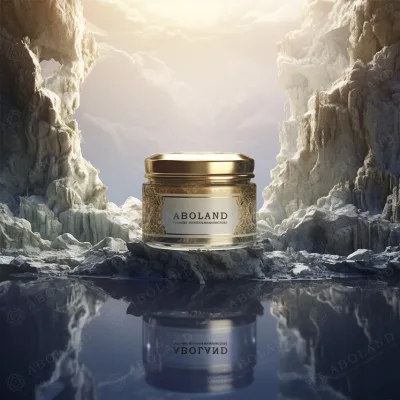

40ml Glass Cosmetic Jar Round Metallic Glass Cosmetic Jar with Metal Shoulder
$0.25 - $1.80
MOQ: 5000 Pieces


OEM 1oz 2oz 3oz 4oz Amber Glass Container Cosmetic Packaging Glass Jar
$0.07 - $0.50
MOQ: 20000 Pieces


Comprehensive Sourcing Guide
Customized Glass Cosmetic Jar Sourcing Guide
Navigating the market for customized glass cosmetic jars requires a clear understanding of the distinction between glass and plastic offerings, as supplier listings often conflate materials to maximize search visibility. While the core keyword focuses on glass, observed product data reveals a significant volume of listings for plastic jars, including PP and PET variants, which serve similar storage functions for creams, lotions, and perfumes. Buyers must rigorously filter search results to isolate genuine glass products, as the material properties, fragility, and manufacturing processes differ fundamentally from the plastic alternatives frequently advertised alongside them.
The procurement landscape for these containers is characterized by high flexibility in customization, with suppliers offering tailored solutions for branding, dimensions, and closure types. Evidence from current listings indicates that customization is a primary driver for this category, with options ranging from custom logos via silk screen or hot stamping to specific diameter and capacity adjustments. This flexibility allows brands to align packaging with their unique identity, but it also necessitates a detailed specification sheet to ensure the final product meets the intended aesthetic and functional requirements before mass production begins.
Product Scope and Observed Listing Signals
The product scope for customized glass cosmetic jars encompasses a wide variety of forms, including round jars designed for creams, lotions, and powders, as well as specialized containers for scrubs and masks. Observed listings highlight specific model variations such as 50ml and 250ml cream jars, alongside smaller 3g mini jars, indicating that the market supports both full-size retail packaging and travel-sized or sample formats. Buyers should verify that the specific glass formulation matches the intended product viscosity, as the structural integrity required for heavy creams differs from that needed for lighter lotions or aerosols.
Listing signals often include mixed material descriptions, where "glass" and "plastic" attributes appear in the same search result set, requiring careful scrutiny of the material field to confirm the actual composition. Some entries explicitly list "Glass" as the material, while others default to "Plastic" or "PP," creating a potential confusion point for buyers seeking authentic glass solutions. It is critical to cross-reference the product description, which may mention "Cosmetic Jar" or "Cream/Lotion/Perfume Jar," with the material specification to ensure the selected item is indeed glass and not a plastic substitute marketed under a similar name.
Technical Specifications to Verify
When evaluating technical specifications, the closure type and lid compatibility are paramount, as the seal integrity directly impacts product shelf life and consumer safety. Listings frequently specify screw lids and single-wall closures, with some advanced options featuring child-resistant mechanisms for specific safety requirements. Buyers must verify that the selected lid material and threading are compatible with the glass jar's neck finish to prevent leakage or cross-threading issues during the filling process, ensuring a secure fit that maintains the product's freshness.
Dimensional customization is another critical technical parameter, with suppliers offering adjustable diameters and capacities to fit specific branding or volume needs. The observed data confirms that diameter and capacity are often listed as "Custom," allowing for bespoke designs that deviate from standard industry sizes. However, buyers should request detailed engineering drawings or physical samples to confirm that the custom dimensions do not compromise the structural stability of the glass, particularly for larger jars that may require thicker walls to prevent breakage during shipping and handling.
Compliance and Safety Documentation
Compliance documentation for cosmetic packaging must address both the material safety and the manufacturing standards of the supplier. Observed certifications include ISO, CE, and CIQ, which indicate that the supplier adheres to specific quality management and safety protocols, though buyers should verify that these certifications specifically cover the glass production process and not just general company operations. Additionally, standards such as SGS and UL are mentioned in listings, suggesting that third-party testing may be available to validate the chemical safety of the glass and any applied coatings or inks.
Safety features like child-resistant closures are essential for products that may pose a risk if ingested, and the presence of such features should be confirmed through physical testing rather than relying solely on listing descriptions. Buyers should request test reports that demonstrate the efficacy of these safety mechanisms and ensure that the glass itself is free from lead or other heavy metals that could leach into the cosmetic product. The "Eco-Friendly" attribute observed in some listings should be substantiated with data on recyclability or sustainable sourcing practices to align with modern environmental standards.
Cost Drivers and Commercial Terms
Cost drivers for customized glass cosmetic jars are heavily influenced by the degree of customization, the volume of the order, and the complexity of the decoration process. While observed price ranges in the market vary significantly, the cost per unit typically decreases with higher order volumes, though the minimum order quantity (MOQ) can range from as low as 2 pieces to 50,000 units depending on the supplier's flexibility. Buyers must balance the desire for low MOQs with the need for cost efficiency, as smaller batches often incur higher setup costs for custom molds and printing processes.
Commercial terms regarding sample availability and lead times are critical for planning production schedules and managing inventory. Listings indicate that samples are provided with a typical lead time of 4-6 days, allowing buyers to evaluate quality before committing to large orders. However, the daily production ability of suppliers can reach 50 million pieces, suggesting that lead times for mass production may vary based on current factory capacity and the complexity of the custom design. Buyers should clarify these timelines in their contracts to avoid delays in product launches.
Supplier Qualification and Quality Control
Supplier qualification should extend beyond basic certifications to include an assessment of their production capabilities and quality control systems. The observed data points to suppliers located in regions like Yuyao and Jiangsu, China, which are known for manufacturing packaging, but buyers should verify the specific production province and facility standards to ensure consistency. A robust quality control process is essential to minimize defects such as bubbles, cracks, or uneven coloring in the glass, which can be costly to replace in a mass production run.
Quality control measures should also encompass the verification of the printing and decoration processes, as custom logos and designs are prone to errors if not properly managed. Suppliers offering customizable logo printing via silk screen, hot stamping, or decals should demonstrate their ability to maintain color accuracy and registration precision. Buyers are advised to request a pre-production sample that includes the final decoration to ensure that the visual elements meet the brand's standards before authorizing the full production run.
Long-Term Procurement Checks
Long-term procurement success relies on establishing a reliable supply chain that can adapt to changing market demands and volume fluctuations. Buyers should monitor the supplier's ability to maintain consistent quality over time, especially when reordering custom designs that may require re-molding or re-tooling. The "Daily Ability" of 50 million pieces suggests high capacity, but it is essential to confirm that this capacity remains stable and does not compromise quality during peak demand periods.
Sustainability and regulatory compliance are increasingly important factors for long-term partnerships, requiring ongoing verification of the supplier's adherence to environmental standards and safety regulations. Buyers should periodically review the supplier's certification status and request updated test reports to ensure that the packaging remains compliant with evolving international standards. Establishing a clear communication channel for feedback and issue resolution will help maintain a productive relationship and ensure that any potential problems are addressed promptly.
FAQs
Can customized glass cosmetic jars be produced with specific certifications?
Yes, customized glass cosmetic jars can be produced with ISO, CE, and CIQ certifications. These standards ensure quality and safety compliance for international trade. Buyers can request specific certification documents to verify that the manufacturing process meets regulatory requirements for cosmetic packaging in various global markets.
What is the minimum order quantity for customized glass cosmetic jars?
The minimum order quantity for customized glass cosmetic jars starts at 2 pieces. This low MOQ allows buyers to test samples or order small batches for specific projects. Higher volumes are available up to 50,000 pieces, accommodating both small startups and large-scale production needs efficiently.
How long does it take to receive samples of customized glass cosmetic jars?
It typically takes 4-6 days to receive samples of customized glass cosmetic jars. Samples are provided to help buyers evaluate quality, size, and customization options before placing bulk orders. This quick turnaround supports efficient decision-making and reduces the overall sourcing timeline for new product development.
What customization options are available for customized glass cosmetic jars?
Customization options for customized glass cosmetic jars include logo printing, color variations, and size adjustments. Buyers can choose from silk screen, hot stamping, or decal methods for branding. The jars are eco-friendly and can be tailored to specific diameters and capacities, ensuring a perfect fit for various cosmetic products.
Where are customized glass cosmetic jars manufactured?
Customized glass cosmetic jars are manufactured in Yuyao, China, with production also occurring in Jiangsu province. These locations are known for their robust manufacturing capabilities and supply chain efficiency. Buyers can rely on these regions for consistent quality and timely delivery of high-volume cosmetic packaging solutions.
What types of closures are used for customized glass cosmetic jars?
Customized glass cosmetic jars typically use screw lids for secure closure. Some variants may feature child-resistant or single-wall designs depending on the product requirements. These closures ensure product safety and ease of use, making them suitable for creams, lotions, and other cosmetic formulations that require reliable sealing.