Source Glass Cream Jar for Cream, Serum, and Lotion
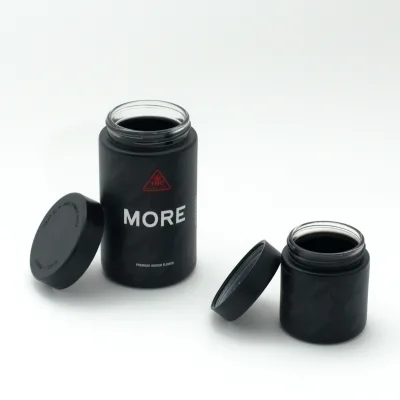
Compare 30 Glass Cream Jar options from verified suppliers in China. These reusable, leakproof containers feature screw lids and black UV-blocking finishes, suitable for cosmetic cream, serum, and lotion packaging needs.
Key considerations
Products List



Comprehensive Sourcing Guide
Glass Cream Jar Sourcing Guide
The global demand for premium glass cream jars has intensified as cosmetic brands prioritize sustainability and product integrity. Sourcing professionals must navigate a market where high borosilicate glass is the dominant material for preserving active ingredients in skincare formulations. These containers are specifically engineered to be lightproof, often utilizing an opaque black finish with UV-blocking properties to protect sensitive creams, serums, and ointments from degradation. The primary application scenario identified in current listings is for cosmetic cream jars, though the versatility of the design also supports usage for scrubs, powders, masks, lotions, and foundations.
Buyers should recognize that the supply chain for these items is concentrated in specific manufacturing hubs within China, particularly Guangdong and Zhejiang provinces. The observed product attributes indicate a strong focus on customization, with options for custom logo printing via silk screen techniques and tailored surface treatments like glossy smooth finishes. While the core product is a refillable and reusable glass jar, the market also presents variations in closure styles, ranging from standard screw lids with PE liners to twist lids with tamper-evident features. Understanding these distinctions is critical for aligning packaging with brand identity and functional requirements.
Product Scope and Observed Listing Signals
Current market listings reveal a distinct segmentation between standard sample sizes and larger commercial units, with a specific high-confidence observation of a 20ml mini sample size model. The observed price range for these items spans from $0.03 to $1.00 USD, reflecting the variability in customization levels, glass thickness, and order volume. Minimum Order Quantities (MOQs) are substantial, typically ranging from 1,000 to 20,000 units, which necessitates careful inventory planning for buyers entering the market or launching new product lines. This volume requirement suggests that the supply chain is optimized for bulk manufacturing rather than small-batch prototyping.
The product scope extends beyond simple containment to include specific aesthetic and functional features that define the buyer's selection criteria. Listings frequently highlight a "Plain" design with a "Black UV Blocking" color effect, ensuring the contents remain protected from light exposure. The closure systems are a critical differentiator, with some models featuring a screw cap with a PE liner for a leakproof and airtight seal, while others utilize a twist lid with tamper-evident capabilities. Buyers must verify whether the specific model number, such as the CC17 Full Print Flower Jars or the LY-L09, aligns with their desired branding and functional needs, as the industrial use is strictly defined for cosmetics and personal care.
Technical Specifications to Verify
When evaluating technical specifications, the material composition is the primary factor determining product performance and safety. The supplied facts confirm the use of high borosilicate glass, which is categorized as food-safe glass, ensuring compatibility with a wide range of cosmetic formulations including creams, ointments, and serums. Buyers must verify that the glass thickness and structural integrity meet the requirements for their specific product viscosity and shipping conditions. The surface treatment is another key specification, with glossy smooth surfaces being a common attribute that enhances the premium feel of the packaging while facilitating easy cleaning and refilling.
Closure and sealing mechanisms require rigorous verification to prevent leakage and ensure product longevity. The standard configuration observed includes a white seal liner included within the closure, contributing to a leakproof and airtight environment. However, buyers should confirm the specific closure type, as some listings specify a screw cap while others indicate a twist lid, and the compatibility with the chosen liner material is essential. Additionally, the printing handling capabilities, such as silk screen printing for custom logos, must be validated against the desired resolution and durability standards. The model number and standard specifications, often listed as 20ml or standard specifications, serve as the baseline for these technical checks.
Compliance and Safety Documentation
Safety and compliance are paramount when sourcing packaging for cosmetic and personal care products, as the container must not interact negatively with the formulation. The high borosilicate glass used in these jars is explicitly noted as food-safe, which provides a baseline assurance of chemical inertness and safety for skin contact. Buyers should request documentation confirming that the glass material meets relevant food-grade or cosmetic-grade safety standards, ensuring that no harmful substances leach into the product over time. The recyclable nature of the glass is also a significant compliance factor, aligning with increasing regulatory pressures and consumer demand for eco-friendly packaging solutions.
While specific certification statuses like ISO 9001 or REACH are mentioned in background contexts, they should not be assumed as guaranteed attributes for every listed product without verification. Procurement teams must explicitly request current certification documents from the supplier to validate their quality management systems and chemical compliance. The product condition is listed as brand new and clean, but buyers should verify the cleanliness protocols and packaging standards to ensure the jars arrive free from contaminants. The industrial use classification for cosmetics and beauty products implies adherence to industry-specific safety norms, which must be confirmed through supplier audits or third-party testing reports.
Cost Drivers and Commercial Terms
The commercial landscape for glass cream jars is heavily influenced by order volume and the extent of customization required. The observed MOQ range of 1,000 to 20,000 units creates a significant cost barrier for small businesses, making economies of scale a primary driver of unit pricing. The price range of $0.03 to $1.00 USD reflects the variance between plain, unbranded units and those featuring custom logo printing or specialized surface treatments. Buyers must calculate the total cost of ownership, including the potential for higher unit costs when ordering lower quantities or requesting complex customizations like full-print flower designs.
Packaging and logistics represent another critical component of the commercial terms. The standard packing method involves cartons and pallets, which must be evaluated for their ability to protect the fragile glass during international transit. The origin of the products, primarily from Guangdong and Zhejiang in China, impacts lead times and shipping costs, which can fluctuate based on global freight rates and supply chain disruptions. Buyers should negotiate clear terms regarding the production lead time and the specific packing configuration to minimize damage rates and ensure efficient inventory management upon arrival. The custom service options, such as custom logo printing, may also incur additional setup fees that should be factored into the budget.
Supplier Qualification and Quality Control
Supplier qualification in the glass packaging sector requires a deep dive into manufacturing capabilities and quality assurance processes. The presence of specific model numbers like CC17 and LY-L09 indicates that suppliers have established production lines for distinct product types, but buyers must verify the consistency of these lines across different batches. The ability to accept OEM custom orders and handle surface treatments like silk screen printing suggests a level of technical proficiency, yet this must be backed by a robust quality control system. Buyers should request samples to test the seal performance, specifically the leakproof and airtight capabilities, before committing to a large order.
Quality control extends to the verification of the product's physical attributes and the integrity of the closure system. The reusable and refillable property of the jars is a key selling point, but it relies on the durability of the glass and the reliability of the screw or twist lid mechanism. Buyers should assess the supplier's process for handling surface treatments to ensure the glossy smooth finish is consistent and free from defects. The inclusion of a white seal liner is a standard feature, but its quality and fit must be confirmed to prevent leakage. Establishing a clear communication channel for addressing quality issues and defining acceptable defect rates is essential for maintaining a reliable supply chain.
Long-Term Procurement Checks
Sustaining a successful procurement relationship for glass cream jars requires ongoing monitoring of supplier performance and market trends. The eco-friendly feature of recyclable glass is a long-term asset that aligns with global sustainability goals, but buyers must ensure that the supplier's recycling claims are verifiable and that the glass quality remains consistent over time. As the market evolves, the demand for specific customization options, such as unique color effects or advanced tamper-evident closures, may shift. Procurement teams should regularly review the supplier's ability to adapt to these changes and maintain the high borosilicate glass standards required for premium cosmetic applications.
Regular audits and performance reviews are necessary to mitigate risks associated with supply chain disruptions and quality inconsistencies. The observed origin in China, specifically Guangdong and Zhejiang, highlights the importance of understanding the local regulatory environment and potential logistical challenges. Buyers should establish a schedule for periodic quality checks, including testing for lightproof features and seal integrity, to ensure the product continues to meet brand standards. By maintaining a proactive approach to supplier management and staying informed about industry developments, buyers can secure a reliable source for high-quality glass cream jars that support their brand's long-term growth and reputation.
FAQs
What material is used for the 20ml Glass Cream Jar?
The jar is made from high borosilicate glass, which is classified as food safe glass. This material ensures durability and chemical resistance, making it suitable for storing cosmetic creams and ointments. The glass construction provides a premium feel and protects the contents from external contaminants while maintaining product integrity.
Can the Glass Cream Jar be customized with a logo?
Yes, customization is available for this product. Buyers can request custom logo printing, often utilizing silk screen printing techniques. The plain design allows for easy branding application. This service supports OEM requirements, enabling businesses to create unique packaging that aligns with their specific brand identity and marketing strategies.
How does the lid ensure product safety and freshness?
The jar features a screw cap with a PE liner, providing a leakproof and airtight seal. This closure style protects the contents from oxidation and contamination. The tamper evident design adds an extra layer of security. The white seal liner ensures a tight fit, maintaining the freshness and potency of the cream or serum inside.
Is the black glass jar suitable for light-sensitive products?
Yes, the opaque black finish offers black UV blocking properties. This lightproof feature protects light-sensitive ingredients like certain creams, serums, or ointments from degradation. The glossy smooth surface enhances the aesthetic appeal while providing functional protection. This makes the jar ideal for skincare products that require preservation from UV exposure.
What is the minimum order quantity for these glass jars?
The observed minimum order quantity ranges from 1000 to 20000 units. This MOQ range allows for flexibility depending on the supplier and specific customization requirements. Buyers should confirm the exact MOQ with the manufacturer, as it may vary based on the chosen model, such as the 20ml sample size or full print options.
Are these glass jars reusable and eco-friendly?
Yes, the jars are refillable and reusable, promoting sustainable packaging practices. Made from recyclable glass, they support eco-friendly initiatives. The durable construction allows for multiple uses, reducing waste. This aligns with modern consumer preferences for sustainable beauty packaging, offering a responsible choice for brands aiming to minimize their environmental impact.