Source American Style Eco-Friendly Cereal Dispenser for Retail, Kitchen, and Buffet
Find and compare 30 American style eco-friendly cereal dispenser options from verified Chinese manufacturers. Evaluate features like BPA-free materials, gravity-fed designs, and customizable capacities to find the right bulk food storage solution for your needs.
Key considerations
Products List
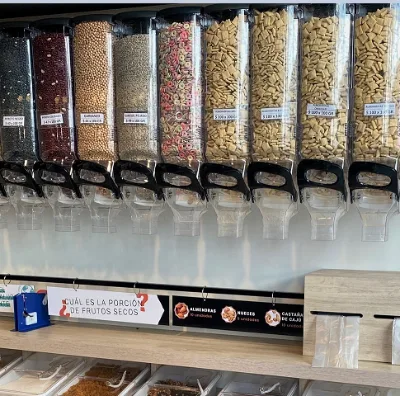
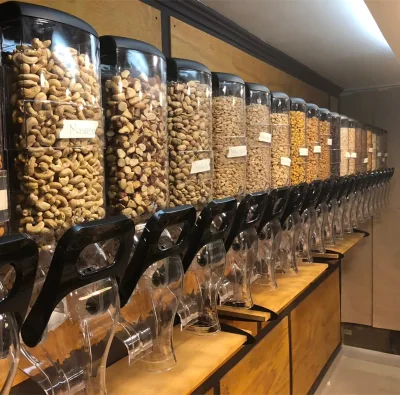
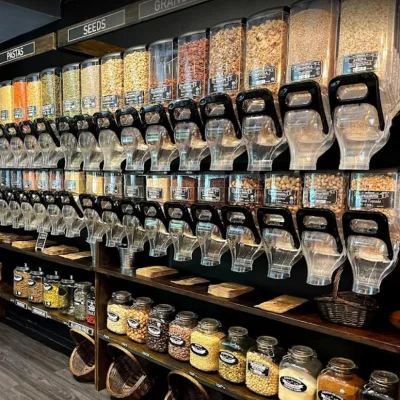
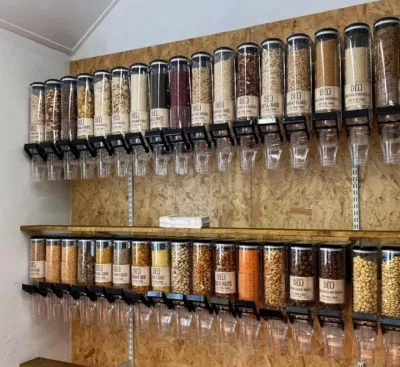


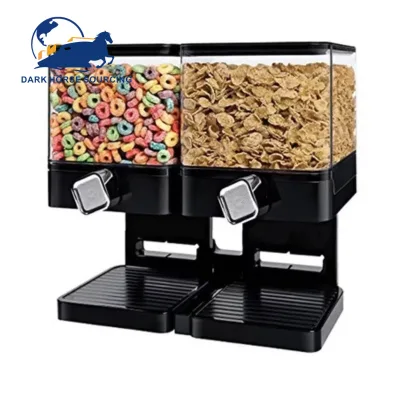


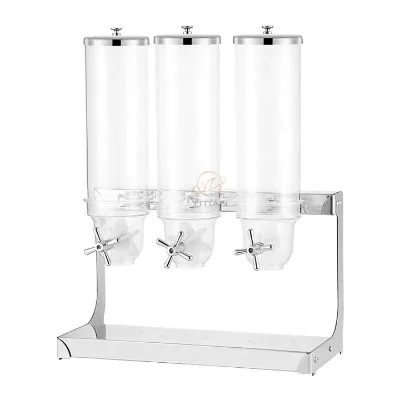
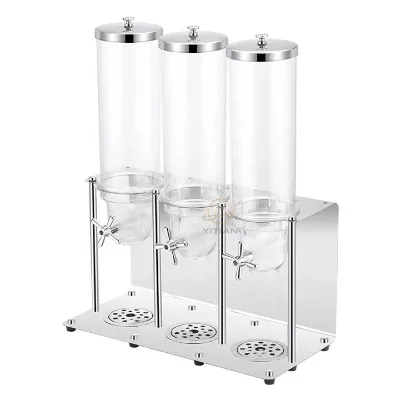
Hot Sale Hotel Breakfast Buffet Equipment Cereal Dispenser with Zinc Alloy Handle
$70.00 - $100.00
MOQ: 20 pieces

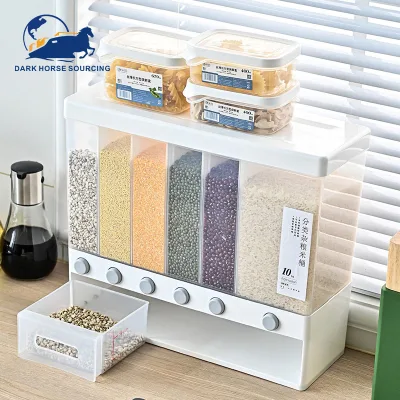
Single/Double/Triple/Quadruple Head Cereal Dispenser Set Catering Equipment
$35.00 - $120.00
MOQ: 10 pieces


Comprehensive Sourcing Guide
American Style Eco-Friendly Cereal Dispenser Sourcing Guide
Sourcing an American-style eco-friendly cereal dispenser requires a clear understanding of the specific design language and material constraints observed in the current market. The available inventory highlights a distinct preference for gravity-fed mechanisms that utilize transparent materials, primarily polycarbonate (PC) and PCTG, to ensure visibility of bulk contents while maintaining structural integrity. These units are frequently marketed with a focus on food-grade safety, often citing BPA-free properties as a critical feature for both commercial and residential applications. Buyers must recognize that the "American style" designation in this context often correlates with large-capacity designs intended for high-volume dispensing in supermarkets, buffets, or large-scale kitchen environments, rather than compact countertop units.
The procurement landscape for these dispensers reveals a diverse range of capacities, with observed listings offering options from 8 liters up to 19 liters, alongside specific dimensions that vary significantly between models. While some units are designed with a sleek, transparent aesthetic, others incorporate color accents such as orange and black to match specific retail branding or kitchen decor. The supply chain for these items is anchored in Jiangxi, China, with major dispatch ports including Shanghai, Shenzhen, and Ningbo, which influences logistics planning and lead time calculations for international buyers. Understanding these baseline variations is essential before engaging with suppliers, as the "eco-friendly" claim is often tied to the durability and reusability of the plastic materials rather than biodegradability.
Product Scope and Observed Listing Signals
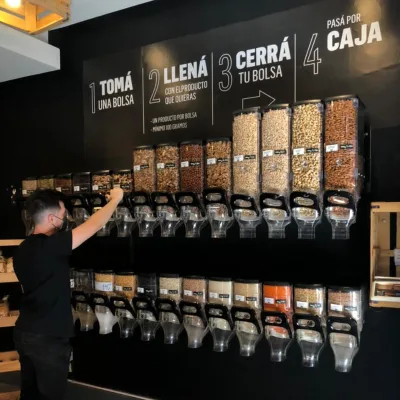
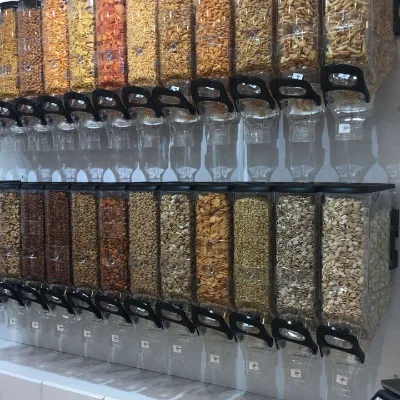
The product scope for gravity-fed cereal dispensers encompasses a variety of configurations tailored for bulk food storage, including applications for nuts, grains, candies, and general dry goods. Listings indicate that these units serve dual purposes as both storage containers and active dispensing mechanisms, often featuring a gravity-based flow system that eliminates the need for manual scooping. The observed product names frequently include terms like "bulk food dispenser" and "supermarket cereal dispensers," signaling their primary deployment in retail environments where self-service and high turnover are standard. Buyers should verify that the specific model selected aligns with the intended usage, whether it is for a hotel buffet, a grocery store aisle, or a commercial kitchen setting.
Listing signals also reveal a strong emphasis on customization capabilities, with many suppliers offering options for branded logos such as "ECOBOX" or fully customized designs to meet specific corporate identity requirements. The packaging details suggest a robust shipping strategy, with units typically packed in corrugated paper cartons and protected by OPP bags to prevent damage during transit. However, inconsistencies in the observed data, such as varying model numbers like ZLH-001, ZLH-005, and ZT-01, indicate that buyers must carefully cross-reference specifications rather than relying on generic product titles. The "American style" aspect is further reflected in the large footprint and high capacity of many units, which are designed to handle significant volumes of product without frequent refilling.
Technical Specifications to Verify
When evaluating technical specifications, the physical dimensions and material thickness are critical factors that determine the dispenser's suitability for specific storage needs. Observed data points to a range of sizes, with one prominent model measuring 152340710MM and another at 350100570MM, while wall thickness is noted to fall between 3-5MM. These dimensions directly impact the internal volume and the stability of the unit on a shelf or counter, requiring buyers to match the physical footprint of the dispenser with their available display space. The material composition is consistently identified as top-grade PC and PCTG plastic, which offers a balance of clarity and impact resistance, though buyers should confirm the exact grade and thickness for their specific application to ensure longevity.
Capacity and flow mechanics are equally important technical parameters that define the operational efficiency of the dispenser. The market offers units with capacities ranging from 10 liters to 19 liters, allowing for flexibility in stocking different types of bulk goods. The gravity-fed design relies on the angle and internal geometry of the container to facilitate smooth dispensing, a feature that must be verified through product samples or detailed engineering drawings. Additionally, the power source is non-electric, meaning these units operate purely on mechanical principles, which simplifies maintenance and reduces energy costs. Buyers should verify the specific model number against the stated capacity and dimensions to avoid discrepancies between the ordered item and the delivered product.
Compliance and Safety Documentation
Compliance and safety documentation for cereal dispensers in the food service industry must prioritize food-grade certification to ensure that the materials do not leach harmful substances into the stored products. The observed listings frequently mention "BPA Free" and "Food Grade" as key features, with some suppliers noting that their products meet up to food-grade standards. While specific certification bodies like CE are mentioned in background data, buyers should not assume automatic compliance and must request valid test reports or certificates of analysis from the supplier to verify that the plastic materials meet the regulatory requirements of their target market. This verification is particularly crucial for products intended for use in the United States, where FDA regulations regarding food contact materials are stringent.
Safety documentation should also address the structural integrity and durability of the dispenser, as these units are often subjected to heavy use and potential impacts in busy retail or kitchen environments. The observed "Unbroken" feature suggests a focus on impact resistance, but buyers should seek specific impact test results or warranty terms that guarantee the product's ability to withstand daily handling. The 2-year warranty observed in some listings provides a baseline for quality assurance, but it is essential to clarify the scope of this warranty, including whether it covers material defects, manufacturing flaws, or accidental damage. Ensuring that the supplier can provide comprehensive safety data sheets and compliance certificates is a non-negotiable step in the procurement process for food-contact equipment.
Cost Drivers and Commercial Terms
Cost drivers for eco-friendly cereal dispensers are heavily influenced by the material quality, specifically the use of high-grade PC and PCTG plastics, as well as the complexity of the mold and the customization level required. The observed price range of 4.11 to 120 USD reflects the significant variance between basic, unbranded units and those with custom logos, specialized colors, or larger capacities. Buyers should anticipate that higher costs will correlate with enhanced durability, better transparency, and more sophisticated design features that align with the "American style" aesthetic. Additionally, the supply ability of 1500 pieces per day indicates that volume discounts may be available, but the minimum order quantity (MOQ) can range from 1 to 200 units, affecting the initial investment required for small-scale buyers.
Commercial terms regarding lead times and shipping logistics play a pivotal role in the total cost of ownership and inventory planning. The observed sample lead time of within 3 days allows for rapid prototyping and quality verification, but bulk production lead times are not explicitly defined in the provided data and must be negotiated directly with the supplier. Shipping from ports in Shanghai, Shenzhen, or Ningbo introduces variables such as freight costs and transit times that can impact the final landed cost. Buyers should also consider the packaging details, which include export cartons and OPP bags, as these add to the overall weight and volume of the shipment. Clear agreements on payment terms, shipping responsibilities, and potential penalties for delays are essential to mitigate financial risks.
Supplier Qualification and Quality Control
Supplier qualification for cereal dispensers should focus on verifying the manufacturer's experience and track record in producing food-grade plastic products. The observed data highlights a supplier advantage of over 10 years of experience and a 2-year quality assurance period, which serves as a strong indicator of reliability and commitment to product longevity. Buyers should request references or case studies from previous clients, particularly those in the supermarket or hospitality sectors, to confirm the supplier's ability to deliver consistent quality at scale. The presence of a dedicated supply ability of 1500 pieces per day suggests that the supplier has the infrastructure to handle large orders, but this capacity should be validated through on-site audits or third-party assessments.
Quality control processes must be rigorously defined to ensure that every unit meets the specified standards for material safety and structural integrity. Buyers should insist on a clear quality control protocol that includes pre-production sample approval, in-process inspections, and final random sampling before shipment. The "Customization" feature observed in the listings implies that the supplier has the flexibility to adapt to specific design requirements, but this flexibility must be balanced with strict adherence to quality standards. Establishing a clear communication channel for reporting defects and resolving issues is critical, especially given the 2-year warranty period. Regular quality audits and a shared understanding of acceptance criteria will help maintain the high standards expected for food-contact equipment.
Long-Term Procurement Checks
Long-term procurement checks should prioritize the consistency of material quality and the reliability of the supply chain over the lifecycle of the product. Given the 2-year warranty and the emphasis on food-grade materials, buyers must establish a system for monitoring product performance and addressing any potential degradation or failure issues that may arise after the initial purchase. Regular reviews of supplier performance, including adherence to lead times and quality standards, are essential to maintain a stable supply of dispensers for ongoing operations. The "American style" design, with its focus on durability and large capacity, requires that the supplier remains capable of producing units that meet these specific aesthetic and functional requirements over time.
Sustainability and adaptability are also key considerations for long-term procurement, as market trends and regulatory requirements may evolve. Buyers should assess the supplier's ability to adapt to new environmental standards or material innovations that could enhance the eco-friendly profile of the dispensers. The observed customization options, such as logo printing and color variations, offer opportunities to align the product with changing brand strategies, but these capabilities must be maintained consistently. Establishing a long-term partnership with a supplier who demonstrates a commitment to continuous improvement and transparency will ensure that the procurement of cereal dispensers remains efficient, cost-effective, and compliant with evolving industry standards.
FAQs
What material is used for the Ecobox cereal dispenser?
The Ecobox cereal dispenser is constructed from top-grade PC and PCTG plastic. This material ensures the product is BPA-free and meets food-grade standards for safe storage of grains and cereals.
Can I customize the logo on the gravity dispenser?
Yes, the logo can be customized or set to the ECOBOX brand. Buyers can request specific branding options to match their supermarket or shop display requirements while maintaining product integrity.
What is the lead time for samples of this dispenser?
Samples are typically ready within three days. This quick turnaround allows buyers to evaluate the transparent design and build quality before committing to larger orders for their retail operations.
Which capacities are available for the bulk food dispenser?
The available capacities include 19 liters, 13 liters, and 8 liters. These options allow retailers to select the appropriate size for different types of bulk products like nuts, candy, or grains.
How is the product packaged for international shipping?
The dispensers are packed in OPP bags and then placed into export cartons. Specifically, five corrugated paper cartons are used to secure the cereal dispensers during transit to ensure they arrive undamaged.
What is the warranty period for the Ecobox food dispenser?
The product comes with a two-year warranty. This assurance covers quality issues and reflects the manufacturer's confidence in the durability of the plastic construction and the gravity dispensing mechanism.
Where are these cereal dispensers manufactured?
These dispensers originate from Jiangxi, China. The manufacturing location supports a supply ability of 1500 pieces per day, ensuring consistent availability for bulk orders from global buyers.