Source American Style Stainless Steel Mug with Lid for Travel, Camping, and Gifts
Compare 30 American Style Stainless Steel Mug with Lid options featuring double wall vacuum insulation and leak-proof designs. Buyers can evaluate specifications, customization, and pricing for travel, camping, and promotional uses.
Key considerations
Products List

American Style Stainless Steel Vacuum Travel Mug Coffee Tumbler with Lid
$3.00 - $3.50
MOQ: 1000 pieces


Double Walled Stainless Steel 14oz Reusable Coffee Cups with Lid Leakproof Lid
$2.75 - $3.10
MOQ: 1000 pieces


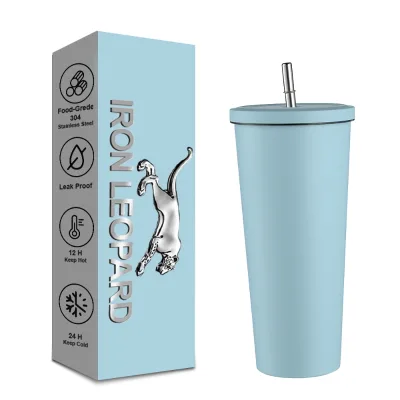


Office Coffee Cup with Lid Double Wall vacuum Stainless Steel Coffee Mug
$2.79 - $3.00
MOQ: 100 Pieces


Comprehensive Sourcing Guide
Sourcing Guide for American Style Stainless Steel Mugs with Lid
When procuring American style stainless steel mugs with lids, buyers must navigate a landscape defined by specific material properties, functional design requirements, and rigorous supply chain verification. The core product category involves durable drinkware designed for travel, daily use, and promotional applications. Based on available market data, these items are predominantly manufactured from stainless steel, often featuring double-wall vacuum insulation to maintain beverage temperature. The "American style" designation typically implies a robust, utilitarian aesthetic that may include simple or modern design elements, often accompanied by printed graphics or specific lid configurations. This guide outlines the critical factors for sourcing these products effectively, focusing on technical specifications, compliance, cost structures, and quality assurance protocols.
Technical Specifications and Material Composition
The foundation of a reliable stainless steel mug lies in its material composition and structural integrity. The primary material observed in this category is stainless steel, which offers corrosion resistance and durability essential for both domestic and commercial use. A critical technical feature for this product type is the double-wall vacuum construction. This engineering standard creates a thermal barrier that keeps hot beverages hot and cold drinks cold for extended periods. Buyers should verify that the product explicitly lists "Double Wall" and "Vacuum" as features, as these are distinct from single-wall metal cups which offer minimal insulation.
Capacity is another vital specification. Market observations indicate that these mugs often come in sizes such as 16 oz, with some variations reaching 26 oz. The physical dimensions provided in typical listings suggest a range of sizes, such as 111124cm or 101018cm, though buyers must confirm the exact footprint and height to ensure compatibility with vehicle cup holders or standard packaging. The shape is frequently described as a tumbler or a mug with a lid. The inclusion of a lid is non-negotiable for the "with lid" keyword requirement; the product must be listed as having a lid to prevent leaks during transport.
The manufacturing process for these items often involves injection molding for the lid components and ultrasonic welding or similar techniques for assembly. The finish may be described as "simple" or "modern," and the surface treatment often allows for printing, which is a common customization option for promotional buyers. The weight of a standard unit is typically around 0.3kg, a factor that influences shipping costs and handling logistics. When evaluating a supplier's catalog, ensure the product name aligns with "Stainless Steel Coffee Travel Mug" or "Coffee Cup" and that the design style matches the requested American or modern aesthetic.
Compliance, Certification, and Quality Standards
Navigating the compliance landscape for stainless steel drinkware requires careful attention to both material safety and manufacturing standards. While specific certification claims like CE should be treated with caution unless explicitly verified in the product listing, other standards are more universally applicable. The industry often references the AQL (Acceptable Quality Limit) standard for quality control during production. Buyers should request documentation confirming that the supplier adheres to AQL standards, which define the maximum number of defective units allowed in a random sample before a batch is rejected.
Factory audits are a crucial component of supplier verification. Data indicates that reputable manufacturers in this sector may undergo audits by recognized third-party organizations such as BV (Bureau Veritas). These audits assess the factory's ability to maintain consistent quality, adhere to labor standards, and manage production capacity. When evaluating a potential supplier, buyers should ask for the most recent audit report to ensure the facility meets international operational standards.
Regarding material safety, the stainless steel used must be food-grade. While specific alloy grades (such as 304 or 316) are not always explicitly listed in general product summaries, the term "Stainless Steel" in the context of food and beverage containers implies compliance with food safety regulations. Buyers must verify that the metal does not leach harmful substances and that the interior coating, if present, is non-toxic. The "Health Care" feature often listed for these products suggests a focus on hygiene and safe material usage, but this should be substantiated by the supplier's technical data sheets rather than assumed.
Cost Drivers and Pricing Dynamics
Understanding the cost structure of American style stainless steel mugs is essential for budgeting and negotiation. The observed price range for these products in the market spans from $0.50 to $5.74 USD. This wide variance is driven by several factors, including the complexity of the vacuum insulation, the quality of the stainless steel, the intricacy of the printing or customization, and the order volume. Lower-priced items in this range may represent basic models with standard insulation or minimal customization, while higher-priced units likely feature premium finishes, advanced leak-proof mechanisms, or complex branding applications.
Minimum Order Quantity (MOQ) is a significant cost driver. The observed MOQ range for these products is between 50 and 3,000 units. Suppliers with lower MOQs (e.g., 50 units) may charge a higher unit price to cover setup costs, whereas orders approaching the upper limit of the range typically benefit from economies of scale, resulting in a lower per-unit cost. Buyers must balance their budget constraints with their inventory needs. For promotional campaigns, a lower MOQ might be preferable to minimize risk, whereas bulk procurement for retail distribution requires larger volumes to maximize margin.
Additional cost factors include packaging and transportation. The product is often packed in a box, with options ranging from standard white boxes to custom export packages. The choice of packaging can add to the unit cost but is necessary for protecting the product during transit. Transportation methods, including air, sea, or courier services, also impact the final landed cost. Sea freight is generally more cost-effective for large volumes, while air freight is reserved for urgent, smaller orders. Buyers should calculate the total landed cost, including duties and taxes, rather than focusing solely on the ex-works price.
Typical Applications and Usage Scenarios
The versatility of stainless steel mugs with lids makes them suitable for a diverse range of applications. The primary usage scenarios identified include gifts, promotional events, and daily travel. The "Travel" and "Camping" occasions listed in product attributes highlight the product's portability and durability. These mugs are designed to withstand the rigors of outdoor activities, making them ideal for camping gear or travel accessories. The leak-proof feature is particularly important for these applications, ensuring that beverages do not spill in bags or cup holders.
In the corporate sector, these mugs serve as effective promotional items. The "Promotion" and "Gifts" usage tags indicate that customization is a key selling point. Buyers can often request printed designs, leveraging the "Printed" attribute to display company logos or marketing messages. The "American Style" design, which can range from simple to classic, allows for a broad appeal that fits various brand identities. Whether for a corporate giveaway, a trade show, or a retail gift, the mug's functionality as a "Coffee Cup" or "Honey Cup" adds practical value to the recipient.
The target demographic for these products is generally adults, with many models designed for unisex use. The "Applicable User: Unisex" attribute suggests that the design is gender-neutral, broadening the market potential. The "Health Care" feature also appeals to consumers who prioritize hydration and temperature control for their beverages. By understanding these usage scenarios, buyers can better position the product within their specific market niche, whether it is high-end retail, corporate gifting, or outdoor equipment distribution.
Supplier Evaluation and Production Capabilities
Selecting the right supplier is critical to ensuring product quality and timely delivery. Buyers should prioritize suppliers who demonstrate transparency in their production capabilities and quality control processes. The location of the manufacturing facility is a key indicator of supply chain efficiency. Many suppliers in this category are based in Zhejiang, China, a region known for its robust manufacturing infrastructure for metal goods and drinkware. Proximity to raw material sources and established logistics networks can reduce lead times and costs.
When evaluating a supplier, buyers should review their product model numbers, such as DA-700V, DA-724V, or DA-532V. These specific models often correspond to distinct design features, capacities, and packaging configurations. A supplier that can provide detailed specifications for each model demonstrates a high level of organization and product knowledge. Additionally, the supplier's ability to handle "Customized" orders is a vital consideration. The "Design: Accepted" attribute suggests flexibility in design modifications, but buyers must confirm the supplier's capacity to handle custom molds, printing, and packaging requirements without compromising quality.
The supplier's market reach is another factor to consider. Many manufacturers in this sector target the USA, Europe, and Asia markets. A supplier with experience in these regions is more likely to understand the specific regulatory and aesthetic requirements of different markets. For instance, the "American Style" design may have different interpretations in the US versus other regions. A supplier with a proven track record in exporting to these markets can provide valuable insights into local preferences and compliance needs.
Quality Control and Long-Term Procurement Strategy
Implementing a robust quality control (QC) strategy is essential for mitigating risks in the procurement of stainless steel mugs. The "Quality Standard: Aql" mentioned in product data serves as a baseline, but buyers should establish their own QC protocols. This includes conducting pre-production inspections to verify materials and post-production inspections to check for defects such as leaks, dents, or printing errors. The "Leak Proof" feature must be rigorously tested, as a failure in this area can lead to customer returns and reputational damage.
Long-term procurement considerations involve building a sustainable relationship with the supplier. This includes negotiating favorable terms for repeat orders, establishing clear communication channels, and ensuring consistent quality over time. The "Transportation: Air/Sea/Courier" options provide flexibility, but buyers should develop a logistics plan that balances cost and speed. For ongoing orders, sea freight is typically the most economical choice, while air freight may be necessary for restocking critical items.
Buyers should also consider the environmental impact of their procurement. Stainless steel is a recyclable material, and the "Health Care" and "Double Wall" features contribute to a product's longevity, reducing waste. By selecting suppliers who adhere to strict environmental and labor standards, buyers can align their procurement practices with corporate social responsibility goals. Regular audits and performance reviews of the supplier will help maintain high standards and ensure that the supply chain remains resilient against disruptions.
Final Procurement Considerations
In conclusion, sourcing American style stainless steel mugs with lids requires a comprehensive approach that balances technical specifications, compliance, cost, and supplier reliability. By focusing on the core attributes of double-wall vacuum insulation, stainless steel construction, and leak-proof lids, buyers can identify products that meet their functional needs. Understanding the cost drivers, such as MOQ and customization, allows for strategic budgeting. Furthermore, rigorous supplier evaluation and quality control measures ensure that the final product meets the highest standards of quality and safety. With these factors in mind, buyers can confidently navigate the market to secure high-quality drinkware that serves their specific applications and market demands.
FAQs
What material is used for American style stainless steel mugs with lid?
These mugs are primarily constructed from stainless steel, ensuring durability and corrosion resistance. The product listings confirm the use of metal materials, specifically stainless steel, which supports the double-wall vacuum insulation feature for temperature retention.
Which capacity options are available for these travel mugs?
Common capacities include 16 oz and 26 oz, with some models listed at 13 oz or 18 oz. The physical dimensions vary, such as 11 by 11 by 24 cm, to accommodate different volume requirements while maintaining a tumbler shape with a lid.
Can buyers request customization for promotional use?
Yes, customization is accepted for these products, often featuring printed designs for promotional gifts. The design style can be simple, modern, or classic, allowing brands to apply logos or graphics while maintaining the American style aesthetic.
How does the double-wall vacuum feature benefit users?
The double-wall vacuum construction provides effective thermal insulation to keep beverages hot or cold. This feature, combined with a leak-proof lid, makes the mugs suitable for travel, camping, and daily use without spilling contents.
What quality standards do these manufacturers typically follow?
Manufacturers often adhere to AQL (Acceptable Quality Limit) standards for quality control during production. Some facilities also undergo third-party audits, such as BV, to verify operational consistency and compliance with international safety and labor standards.
Where are these stainless steel mugs typically manufactured?
The products are predominantly manufactured in Zhejiang, China, a region known for its metal goods infrastructure. This location supports efficient production and logistics, with transportation options including air, sea, and courier services for global distribution.