Source Amoled Waterproof Lady Watch for sports, travel, and daily wear
Explore 30 options for the Amoled Waterproof Lady Watch, featuring mechanical and quartz movements with varying water resistance levels. Buyers can compare styles, materials, and customization services from verified suppliers in China.
Key considerations
Products List


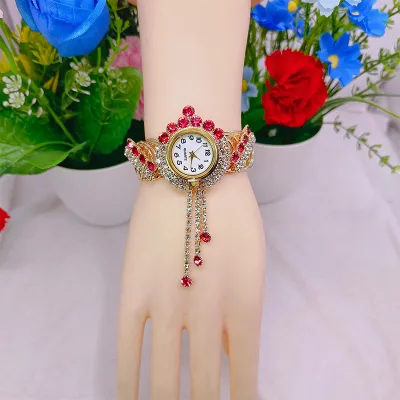


Custom Fashion Bracelet Heart Rate Relogio Inteligente Ladies Bracelet Watches
$2.47 - $2.60
MOQ: 100 Pieces
Comprehensive Sourcing Guide
Strategic Sourcing Guide for Waterproof Lady Watches with AMOLED Displays
The procurement landscape for waterproof lady watches featuring AMOLED displays requires a nuanced understanding of the intersection between advanced display technology and traditional horological engineering. While the core keyword suggests a specific technological profile, the actual market data reveals a complex ecosystem where product attributes vary significantly between listings. Buyers must navigate a field where "AMOLED" is a desired specification, yet the available inventory often includes mechanical, quartz, and mineral glass alternatives. This guide provides a disciplined framework for evaluating suppliers, verifying technical claims, and ensuring compliance without relying on unverified marketing assertions.
Technical Specification Analysis and Reality Checks
When sourcing a waterproof lady watch, the first step is to rigorously analyze the technical specifications provided by potential suppliers. The term "AMOLED" implies an Active-Matrix Organic Light-Emitting Diode display, known for high contrast and energy efficiency. However, the supplied product data indicates a diverse range of display types and materials that do not always align with this specific high-tech description. For instance, observed listings feature "Analog" displays with "Mineral Glass" or "Tempered Glass" surfaces rather than digital AMOLED interfaces.
Buyers must distinguish between the desired specification and the actual product offering. The data shows a mix of movement types, including "Mechanical" and "Quartz" movements, which often accompany analog dials. If a buyer specifically requires an AMOLED screen, they must verify that the supplier's "prod_model" (such as hdx202208 or K0203L) explicitly supports this technology, as many listed items utilize traditional mechanical or quartz mechanisms with standard glass faces. The case shapes also vary, with "Round" and "Square" options available, and the dial colors range from "Black" to "White."
Furthermore, the waterproofing capabilities are a critical differentiator. The observed data presents a wide spectrum of water resistance, ranging from "30 m" to "200 m," with some listings simply stating "Waterproof" without a specific numerical value. A 30-meter rating typically handles splashes, whereas 200 meters is suitable for professional diving. Procurement teams must not assume that all "waterproof" listings meet a specific depth requirement. The thickness of the watches also varies, with measurements recorded at 6mm, 6.5mm, and 8mm, which impacts the comfort and aesthetic profile for a lady's wrist.
Compliance and Certification Verification Protocols
In the B2B sector, compliance is not merely a formality but a prerequisite for market entry and liability protection. The supplied facts highlight several standards and certifications that buyers should prioritize during the vetting process. Notably, some listings reference "SGS" and "CE" standards, while others mention "RoHS" certification. These are critical indicators of material safety and electrical compliance, particularly for devices containing electronic components.
The "Lead & Nickel Free" standard is another vital attribute, especially for jewelry and wearable devices that have prolonged skin contact. This specification ensures that the watch bands and cases do not contain heavy metals that could cause allergic reactions or violate international safety regulations. Buyers should request test reports to confirm that the "Stainless Steel" or "Alloy" materials used in the case and band meet these specific chemical restrictions.
It is important to note that while "CE" appears in the background data, its application must be verified against the specific product model. The "prod_standard" field sometimes lists weight (e.g., 0.1kg) rather than a certification, which indicates a need for careful data interpretation. Procurement teams must ensure that the supplier can provide valid documentation for "CE," "RoHS," and "SGS" for the specific batch being ordered, rather than relying on generic claims found in the product title. The "OEM&ODM: Welcome" attribute suggests that customization is possible, but any custom modifications must still adhere to the relevant safety standards of the destination market.
Cost Drivers and Pricing Structure Evaluation
Understanding the cost drivers for waterproof lady watches is essential for budgeting and margin analysis. The observed price range in the market spans from $0.32 to $65 USD, a variance that reflects differences in material quality, movement complexity, and brand positioning. The lower end of the spectrum likely corresponds to basic quartz movements with mineral glass and alloy cases, while the higher end may involve mechanical movements, stainless steel bands, and advanced features like chronographs or power reserves.
The "MOQ" (Minimum Order Quantity) is another significant factor influencing unit cost. The data shows an MOQ range from 1 to 1000 units, with a specific high-confidence fact noting an MOQ of 100 PCS for certain models. Buyers seeking to test the market can leverage suppliers with low MOQs, such as those accepting sample orders, but they must be prepared for higher per-unit costs. Conversely, larger orders can unlock economies of scale, reducing the cost per unit significantly.
Additional cost drivers include the "Surface Material" and "Band Material." Watches with "Stainless & Plated Metal" bands and "Tempered Glass" surfaces generally command a premium over those with "Alloy" cases and "Mineral Glass." The "Technology" applied, such as "IP Plated" and "Polished" finishes, also adds value and cost. Buyers should request a detailed breakdown of these components to understand where the price differential lies and to ensure they are not overpaying for features that do not align with their target market's expectations.
Typical Applications and Feature Alignment
The application of these watches varies widely based on the specific features and design attributes. The "Style" categories observed include "Sport" and "Casual," which dictate the intended use case. A "Sport" style watch with a "Folding Clasp with Safety" and "200 m" waterproofing is suitable for active lifestyles, swimming, and diving. In contrast, a "Casual" style watch with a "Buckle" clasp and "30 m" waterproofing is better suited for everyday wear and office environments.
The feature set is another critical alignment point. The data lists features such as "Day/Date," "Chronograph," "Alarm," "Power Reserve," "Luminous," and "Multiple Time Zone." These features are particularly relevant for the "Sport" segment, where functionality and readability are paramount. However, buyers must verify that these features are present in the specific model they are sourcing, as some listings may lack these capabilities entirely. The "Gender" specification is consistently listed as "Women," ensuring the sizing and aesthetic are tailored to the target demographic.
For buyers targeting the luxury or high-end market, the "Customized" logo and "Customizable Packaging Box" options are essential. These allow for brand differentiation and a premium unboxing experience. The "Sample Order: Accepted" attribute is particularly useful for verifying that the final product meets the desired application standards before committing to a large production run.
Supplier Evaluation and Operational Capabilities
Evaluating suppliers requires a focus on their operational capabilities and the transparency of their data. The "prod_origin" is listed as "Shen Zhen" and "China," which are major manufacturing hubs for electronics and watches. Buyers should verify the specific factory location and capacity to ensure they can meet volume demands. The "prod_packing" methods, such as "OPP Bag and Export Carton" or "Bubble Bag/Customizable Packaging Box," indicate the level of protection and customization available.
The "OEM&ODM: Welcome" status suggests that suppliers are flexible regarding branding and design. However, buyers must confirm the lead times and the extent of customization allowed. The "Item Name" discrepancies, such as "Square Diamond Necklace" appearing alongside watch specifications, highlight the need for rigorous data validation. Procurement teams should insist on clear product descriptions that match the actual item, avoiding confusion between jewelry and timepieces.
Supplier reliability is also gauged by their adherence to standards. The presence of "CE," "RoHS," and "SGS" in the product data is a positive indicator, but buyers must demand physical certificates. The "Detachable Case: Undetachable Case" attribute is a specific technical detail that affects repairability and longevity. Suppliers who provide clear information on case construction and maintenance are generally more reliable partners.
Quality Control and Long-Term Procurement Considerations
Implementing a robust quality control (QC) strategy is vital for maintaining brand reputation. Given the variance in "Waterproof" ratings and "Movement" types, a pre-shipment inspection is non-negotiable. Buyers should verify the actual water resistance of a sample batch using pressure testing equipment, rather than relying solely on the supplier's stated "30 m" or "200 m" claims. Similarly, the "Luminous" feature and "Chronograph" functionality must be tested for accuracy and durability.
Long-term procurement considerations include the availability of spare parts and the consistency of the supply chain. The "Standard: Lead & Nickel Free" requirement must be maintained across all production runs to ensure ongoing compliance. Buyers should also consider the "Thickness" of the watch, as variations between 6mm and 8mm can affect the fit and comfort for the end-user. Consistency in the "Dial Diameter" (e.g., 29mm vs. 36mm) is equally important for maintaining a cohesive product line.
Finally, the "Brand" association, such as "Shengke" or "Sinobi," can influence market perception. While some buyers may prefer established brands, others may opt for private labeling. The "Customized" logo option supports private labeling strategies, but the quality of the printing and the durability of the logo must be verified. By focusing on these technical and operational details, buyers can build a resilient supply chain that delivers high-quality waterproof lady watches that meet the specific needs of their customers.
Comparative Analysis of Key Product Attributes
To facilitate decision-making, the following table summarizes the key attributes observed in the market data, highlighting the variance buyers must navigate.
| Attribute Category | Observed Variance | Key Verification Point |
|---|---|---|
| Movement Type | Mechanical, Quartz | Confirm if the specific model supports the required movement for the target price point. |
| Water Resistance | 30 m, 200 m, "Waterproof" | Request specific pressure test reports for the claimed depth. |
| Surface Material | Tempered Glass, Mineral Glass, Glass | Verify scratch resistance and clarity standards. |
| Band Material | Stainless & Plated Metal, Stainless Steel, Alloy | Check for "Lead & Nickel Free" certification on all metal components. |
| Case Shape | Round, Square | Ensure the shape aligns with the "Sport" or "Casual" style requirement. |
| Clasp Type | Folding Clasp with Safety, Buckle | Assess security and ease of use for the target demographic. |
| Display Type | Analog, (Potential Digital/AMOLED) | Explicitly confirm if the display is AMOLED or standard analog. |
| Certifications | CE, RoHS, SGS | Demand valid third-party test certificates for the specific batch. |
This structured approach ensures that buyers can effectively navigate the complexities of the waterproof lady watch market, focusing on verified facts and avoiding the pitfalls of unverified claims. By adhering to these guidelines, procurement teams can secure high-quality products that meet both technical and compliance standards.
FAQs
Can I find waterproof lady watches with AMOLED displays?
The current product listings do not feature AMOLED displays, as most items use analog movements with mineral or tempered glass surfaces. Buyers must verify specific model data to confirm if digital interfaces are available, as the observed inventory primarily includes mechanical and quartz options.
What waterproof ratings are available for these watches?
Observed water resistance ranges from 30 meters to 200 meters, with some listings simply stating waterproof without a specific depth. A 30-meter rating handles splashes, while 200 meters is suitable for professional diving, so buyers should request pressure test reports for their specific needs.
Which certifications are required for lead and nickel free materials?
Suppliers should provide documentation for SGS, CE, and RoHS standards to ensure materials are lead and nickel free. These certifications verify safety for skin contact, which is critical for watches with stainless steel or alloy bands intended for prolonged wear by women.
How does the minimum order quantity affect pricing?
Minimum order quantities range from 1 to 1000 units, with some models requiring 100 pieces. Lower MOQs allow for sample testing but often result in higher per-unit costs, while larger orders unlock economies of scale to reduce the price significantly.
What customization options are available for branding?
OEM and ODM services are welcome, allowing for customized logos and packaging boxes. Buyers can request specific finishes like IP plating or polished surfaces, but any custom modifications must still adhere to the relevant safety standards of the destination market.
Where are these watches manufactured and what is the origin?
The products originate from Shen Zhen and China, which are major manufacturing hubs for electronics and watches. Buyers should verify the specific factory location and capacity to ensure they can meet volume demands and maintain consistent quality control standards.