Source AMOLED GPS Smart Watch for Communication, Detection, Automotive
Compare 24 AMOLED GPS Smart Watch options featuring TFT, AMOLED, and IPS displays with Bluetooth, WiFi, and 3G connectivity. Buyers can evaluate models like HW01, HW02, K21, C25, and yh13 for communication, detection, and automotive uses with varying battery and material specs.
Key considerations
Products List


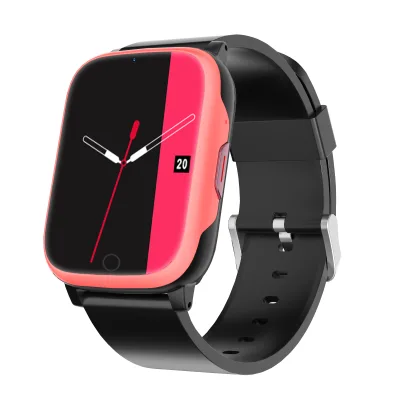
GPS Kids Smart Watch for Android Ios APP Touch Screen GPS Positioning Bracelet
$40.00 - $45.00
MOQ: 10 Pieces


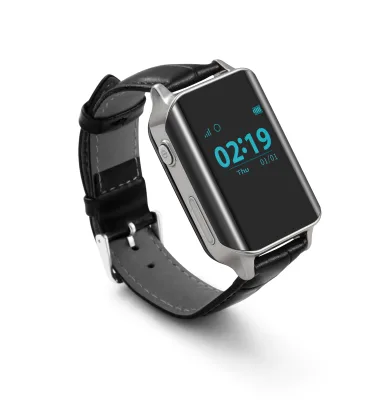
Smart Watch Smart GPS Tracking Watch for Seniors with Anti-Lost Features
$33.88 - $34.88
MOQ: 1 Pieces


Smart Watch Outdoor Smart Watch New Sports Watch Heart Rate Monitoring Sports
$21.00 - $24.20
MOQ: 1000 Pieces


Comprehensive Sourcing Guide
AMOLED GPS Smart Watch Sourcing Guide
Sourcing an AMOLED GPS Smart Watch requires a disciplined approach to balancing display quality, connectivity, and durability. The AMOLED technology offers superior contrast and energy efficiency compared to standard LCDs, making it ideal for outdoor visibility and extended battery life. Buyers must verify that the GPS module is integrated correctly to ensure accurate location tracking without excessive power drain. This guide outlines the critical verification steps for procurement teams evaluating these devices for corporate or retail distribution.
The market presents a variety of form factors, from rugged titanium cases to lightweight silicone bands, each serving different user profiles. Procurement specialists should align material choices with the intended use case, whether it is automotive integration, general communication, or health detection. Understanding the specific feature set, such as water resistance ratings and Bluetooth versions, is essential for matching product capabilities with customer expectations. This document provides a structured framework for assessing these variables during the supplier evaluation phase.
Product Scope and Observed Listing Signals
The current market landscape for AMOLED smart watches includes diverse models with varying specifications and packaging standards. Observed listings indicate a wide price range, reflecting differences in component quality and feature sets. Buyers should note that models like the HW01 and HW02 utilize TFT and AMOLED displays respectively, highlighting the importance of verifying screen technology. The presence of Bluetooth and water resistance are common features, but the inclusion of advanced connectivity like WiFi or 3G is less frequent and requires specific confirmation.
Packaging and origin details also provide significant signals about product positioning. Many devices are packed in gift boxes or cartons, suggesting a focus on retail readiness. The origin is predominantly China, with specific manufacturing hubs like Dongguan noted in some listings. Buyers must distinguish between standard communication watches and those with specialized functions like heart rate or blood pressure detection. Understanding these distinctions helps in filtering suppliers who offer genuine AMOLED technology versus those using lower-quality alternatives.
Technical Specifications to Verify
Screen resolution and size are critical technical parameters that directly impact user experience and device aesthetics. Listings show resolutions ranging from standard definitions to high-density 466x466 pixels on 1.43-inch displays. Buyers must verify the actual pixel density to ensure sharp text and clear graphics. Additionally, the battery capacity varies significantly, with some models offering 680mAh while others provide 410mAh. This variance affects standby time and active GPS usage, requiring careful alignment with usage patterns.
Connectivity and material composition further define the technical profile of these devices. Bluetooth 5.2 is a modern standard that ensures stable connections and lower power consumption. Materials range from durable rubber and silicone to premium titanium and zinc alloy cases. Buyers should confirm the waterproof rating, with IP68 being a common standard for water resistance. Verifying the charging method, such as magnetic charging, is also important for long-term usability and convenience. These specifications must be cross-referenced with supplier datasheets to avoid discrepancies.
Compliance and Safety Documentation
Regulatory compliance is non-negotiable for importing electronic devices into international markets. Certifications such as CE and RoHS are frequently cited in product listings, indicating adherence to European safety and environmental standards. Buyers must request valid certification documents from suppliers to verify authenticity. These certifications ensure that the devices do not contain hazardous substances and meet electromagnetic compatibility requirements. Without proper documentation, shipments may be held at customs, leading to delays and additional costs.
Beyond basic certifications, buyers should inquire about additional safety standards relevant to their target regions. While ISO9001 is mentioned in background contexts, it is a quality management standard rather than a product-specific certification. Procurement teams should verify if the supplier has implemented robust quality control processes. Documentation should also cover battery safety, especially for lithium-ion cells used in smart watches. Ensuring that all safety claims are backed by third-party test reports is crucial for mitigating liability risks.
Cost Drivers and Commercial Terms
Pricing for AMOLED smart watches is influenced by several key factors, including display technology, material quality, and feature complexity. The observed price range of 1-360 USD reflects this diversity, with higher-end models featuring titanium cases and advanced sensors commanding premium prices. Buyers should analyze the cost breakdown to understand where value is added. Customization options, such as logo printing or packaging changes, may incur additional fees. Understanding these cost drivers helps in negotiating better terms and avoiding hidden charges.
Minimum Order Quantities (MOQ) and payment terms are critical commercial considerations. MOQs can range from 1 to 1000 units, depending on the supplier and product customization level. Buyers should align their order volume with their sales forecast to avoid excess inventory. Payment terms should be negotiated to balance risk and cash flow. It is advisable to start with smaller trial orders to assess product quality and supplier reliability before committing to larger volumes. Clear communication regarding lead times and shipping methods is also essential for supply chain planning.
Supplier Qualification and Quality Control
Evaluating supplier capability is the first step in securing a reliable supply chain. Buyers should assess the supplier’s manufacturing capacity, R&D capabilities, and past performance. Requesting samples is a crucial step to verify product quality and functionality. During sample evaluation, check the AMOLED display for dead pixels, test GPS accuracy, and assess the durability of materials. Suppliers who provide detailed technical support and responsive communication are often more reliable partners.
Quality control processes should be clearly defined and agreed upon before production begins. Buyers should specify acceptance criteria for defects, such as screen scratches or connectivity issues. Implementing a pre-shipment inspection can help catch potential problems before goods leave the factory. Suppliers with established QC teams and transparent reporting mechanisms are preferred. Building a long-term relationship with a qualified supplier ensures consistent quality and better support for future orders.
Long-Term Procurement Checks
Sustaining a successful procurement strategy requires ongoing monitoring and relationship management. Regular performance reviews with suppliers help identify areas for improvement and ensure continued compliance with quality standards. Buyers should track key metrics such as defect rates, delivery times, and responsiveness to issues. Maintaining open communication channels facilitates quick resolution of any problems that arise during the supply chain. This proactive approach minimizes disruptions and enhances overall supply chain resilience.
Future-proofing the procurement strategy involves staying informed about technological advancements and market trends. The smart watch market evolves rapidly, with new features and standards emerging frequently. Buyers should engage with suppliers who are committed to innovation and continuous improvement. Exploring opportunities for product customization and co-development can provide a competitive edge. By maintaining a strategic focus on quality, compliance, and supplier collaboration, buyers can secure a sustainable supply of high-quality AMOLED GPS smart watches.
FAQs
What display types are available for AMOLED GPS Smart Watch models?
The available display types include TFT, Amoled, and IPS screens. Specific models like HW01 feature TFT displays, while others such as HW02 and K21 utilize Amoled technology. Some units also offer a 2.04-inch Amoled screen with high resolution for better visibility.
Which materials are used to construct these smart watch devices?
Manufacturers use various materials including rubber, silicone, titanium, and zinc alloy cases with silicone straps. The choice of material depends on the specific model, ensuring durability and comfort. Some devices combine metal cases with flexible straps for a premium feel.
Can these devices support multiple connectivity features like Bluetooth and WiFi?
Yes, many models support Bluetooth, WiFi, and even 3G connectivity for enhanced communication. Some advanced units feature Bluetooth 5.2 for stable connections. These features allow users to stay connected while tracking health metrics or receiving notifications on the go.
What are the standard dimensions for the AMOLED GPS Smart Watch products?
Standard dimensions vary by model, with sizes ranging from approximately 50mm to 57mm in width. Specific models have dimensions like 55*37.3*16.3mm or 50.08*43.75*16mm. Screen sizes also differ, offering options like 1.43-inch or 1.75-inch large displays for different user preferences.
How is the battery capacity defined for these smart watch units?
Battery capacities vary significantly across different models, ranging from 410 mAh to 680 mAh. Some devices utilize magnetic charging methods for convenience. The specific capacity depends on the model, influencing usage time and charging frequency for the end user.
What certifications do these smart watches typically hold for safety?
Many products hold CE and RoHS certifications to ensure safety and environmental compliance. These certifications indicate that the devices meet specific regulatory standards for electronic products. Buyers should verify specific model certifications before placing large orders.
Which customization options are available for bulk orders of these watches?
Customization is available for bulk orders, allowing buyers to tailor specific features. Packaging options include gift boxes and cartons to suit different branding needs. Buyers can often request specific configurations to match their target market requirements.