Source Anti-Aging Bronzing Serum for Face Body and Neck
Find 30 Anti-Aging Bronzing Serum options from verified Chinese manufacturers. Compare features like anti-wrinkle, firming, and moisturizing properties across models with customizable packaging and certifications including CE, FDA, and GMP; compare the available evidence and request quotations based on your requirements.
Key considerations
Products List


Beauty Cosmetics Skin Care Facial Anti-Aging Serum Mild Acne Removal Serum
$2.00 - $2.85
MOQ: 100 Pieces

Beauty Cosmetics Skin Care Anti-Aging and Brightening Skin Glycolic Acid Serum
$1.50 - $2.50
MOQ: 100 Pieces



Comprehensive Sourcing Guide
Anti-Aging Bronzing Serum Sourcing Guide
Sourcing anti-aging bronzing serums requires a nuanced understanding of the intersection between cosmetic efficacy and supply chain reliability. Buyers must recognize that while the core keyword suggests a specific aesthetic outcome, the actual product landscape is dominated by multi-functional formulations. The observed market data indicates a strong emphasis on skin revitalization, firming, and wrinkle reduction rather than solely tanning effects. This distinction is critical for procurement teams defining their technical requirements and ensuring that the final product aligns with brand positioning and consumer expectations in competitive beauty markets.
The procurement strategy must account for the high degree of customization available from manufacturers, particularly those based in China. Suppliers frequently offer flexible packaging options, including cartons and custom-branded bottles, alongside variable volume standards such as 30ml, 50ml, or 100ml containers. This flexibility allows buyers to tailor products to specific retail channels, from luxury department stores to mass-market e-commerce platforms. Understanding these customization levers is essential for negotiating favorable terms and ensuring that the physical product meets both functional and aesthetic brand guidelines without compromising on quality or regulatory compliance.
Product Scope and Observed Listing Signals
The observed product listings reveal a broad spectrum of features targeting various skin concerns, with anti-aging and anti-wrinkle properties being the most prevalent. Manufacturers commonly highlight ingredients such as plant extracts, vitamins, collagen, and AHAs, which are associated with skin revitalization and nourishment. The intended use cases extend beyond the face to include the neck, hands, body, and even specific areas like the nose and eyes. This wide applicability suggests that buyers should carefully evaluate the specific formulation claims to ensure they match the targeted demographic and skin type requirements, particularly for sensitive or all-skin-type formulations.
Listing signals also indicate a strong focus on aesthetic improvements such as lightening, whitening, and blemish clearing, alongside functional benefits like moisturizing and firming. The presence of features like dark circle reduction and blackhead removal further diversifies the product scope, suggesting that many serums are designed as comprehensive skincare solutions rather than single-purpose treatments. Buyers must scrutinize these feature lists to identify products that genuinely deliver on their primary anti-aging promises, as the inclusion of numerous benefits can sometimes dilute the efficacy of the core active ingredients. Verifying the specific model numbers, such as AWS001 or VCS01, can help in tracing the exact formulation and performance characteristics.
Technical Specifications to Verify
Technical verification begins with confirming the primary ingredients and their concentrations, as the efficacy of anti-aging serums is heavily dependent on the quality and stability of components like vitamins and collagen. Buyers should request detailed ingredient lists and technical data sheets to understand the formulation's pH balance, viscosity, and shelf-life stability. The observed use of plant-based and vitamin-enriched formulas suggests a focus on natural efficacy, but it is crucial to verify that these ingredients are properly preserved and stabilized to maintain their anti-aging benefits throughout the product's lifecycle.
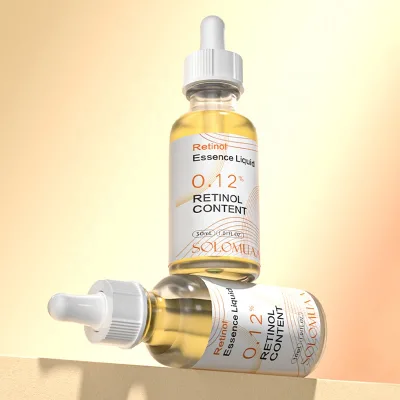
Packaging specifications are equally critical, as the integrity of the serum can be compromised by improper storage or exposure to light and air. The market offers various packaging options, including drop bottles and customized cartons, which must be evaluated for their compatibility with the serum's chemical properties. Buyers should verify the material quality of the bottles, ensuring they are opaque or UV-resistant if the active ingredients are light-sensitive. Additionally, confirming the volume standards, such as 30ml or 50ml, and the accuracy of the dispensing mechanisms ensures that the product delivers the correct dosage and maintains hygiene standards during consumer use.
Compliance and Safety Documentation
Compliance with international regulatory standards is non-negotiable for sourcing anti-aging serums, particularly when targeting markets in Europe, North America, and Asia. The observed certifications, including CE, FDA, GMP, and MSDS, indicate a baseline level of regulatory adherence, but buyers must verify the validity and scope of these certifications for each specific product batch. It is essential to ensure that the manufacturer holds current and relevant approvals for the target export markets, as regulatory requirements can vary significantly regarding ingredient restrictions, labeling, and safety testing protocols.
Safety documentation should also include comprehensive Material Safety Data Sheets (MSDS) and product safety assessments to confirm that the serum is free from harmful contaminants and allergens. Buyers should request stability testing results and microbial limit tests to ensure the product remains safe and effective over its intended shelf life. Furthermore, verifying that the manufacturing facility adheres to Good Manufacturing Practices (GMP) helps mitigate risks associated with contamination or inconsistent quality. These documents are critical for passing customs inspections and maintaining consumer trust in the brand's safety and efficacy claims.
Cost Drivers and Commercial Terms
Cost structures for anti-aging serums are influenced by several key factors, including the complexity of the formulation, the quality of raw materials, and the level of customization required. The observed price range of $1.18 to $30 USD reflects significant variation based on ingredient potency, packaging sophistication, and order volume. Buyers should analyze the cost breakdown to understand how much is attributed to active ingredients versus packaging and logistics, allowing for more informed negotiations and budget planning. High-cost items often involve premium botanical extracts or advanced delivery systems that enhance skin penetration and efficacy.
Commercial terms such as EXW, FOB, CIF, CFR, DAP, and DDP offer flexibility in managing logistics and risk, but they also impact the total landed cost. Buyers must carefully evaluate these terms in conjunction with the observed lead times of 7 to 30 days and sample times within one week. Understanding the implications of each trade term is crucial for determining who bears the risk and cost during transit, particularly for international shipments. Additionally, negotiating minimum order quantities (MOQs) and payment terms can significantly affect cash flow and inventory management, so aligning these with production schedules is vital for operational efficiency.
Supplier Qualification and Quality Control
Supplier qualification requires a thorough assessment of the manufacturer's production capabilities, quality management systems, and track record. Buyers should verify the supplier's ability to handle customized orders, including private labeling and unique packaging requirements, as indicated by the available customization options. Conducting on-site audits or third-party inspections can provide insights into the facility's hygiene standards, equipment maintenance, and staff training, ensuring that the production environment meets international quality benchmarks. This due diligence helps mitigate risks associated with inconsistent product quality or supply chain disruptions.
Quality control processes should be clearly defined and agreed upon before production begins, including pre-production sample approvals and in-process quality checks. Buyers should establish clear acceptance criteria for product appearance, scent, and texture, as well as rigorous testing protocols for chemical and microbial safety. Implementing a robust inspection plan, such as AQL sampling, during the pre-shipment phase ensures that the final products meet the specified standards. Regular communication with the supplier regarding any deviations or issues is essential for maintaining quality consistency and addressing potential problems before they impact the supply chain.
Long-Term Procurement Checks
Long-term procurement success depends on establishing a continuous improvement framework that monitors supplier performance and product quality over time. Buyers should implement regular performance reviews based on key metrics such as on-time delivery, defect rates, and responsiveness to issues. These reviews help identify trends and areas for improvement, allowing for proactive adjustments to the supply chain strategy. Maintaining open lines of communication with the supplier fosters a collaborative relationship that can lead to better pricing, priority production, and access to new innovations in anti-aging formulations.
Additionally, staying informed about evolving regulatory requirements and market trends is crucial for maintaining compliance and competitiveness. Buyers should regularly update their knowledge of ingredient restrictions and labeling laws in target markets to avoid potential compliance issues. Engaging in periodic market research can also help identify emerging competitors and shifting consumer preferences, enabling the procurement team to adapt product offerings accordingly. By combining rigorous quality control with strategic market intelligence, buyers can ensure a resilient and efficient supply chain for anti-aging serums.
FAQs
What ingredients are commonly listed in these anti aging bronzing serums?
Listed products commonly feature plant extracts, AHAs, vitamin C, and collagen as main ingredients, paired with benefits like anti-aging, moisturizing, whitening, and skin revitalizing. Formulations are designed for all skin types and are targeted primarily at female users. Because customization is available, buyers can usually request ingredient adjustments to match their preferred bronzing and anti-wrinkle performance and scent requirements.
Which certification levels do listed manufacturers typically hold?
Suppliers on this page list certifications including CE, FDA, GMP, and MSDS, though not every product carries all four. When sourcing, confirm which certificates apply to the specific serum you plan to order and request copies during supplier vetting. GMP and MSDS documentation is commonly available, and FDA registration matters for buyers shipping to regulated markets such as the United States.
How long does production and delivery usually take after order confirmation?
Production time is typically 7 to 30 days, with overall lead time running about 20 to 30 days depending on order size and customization complexity. Sample turnaround is usually within one week so buyers can evaluate the serum first. Shipping options include air freight, express, and sea freight, and trade terms such as EXW, FOB, CIF, CFR, DAP, and DDP can be arranged.
Can I customize the serum formula, packaging, and labeling for my brand?
Yes, customization is available across the listed products, including private labels, custom logos, custom packaging in cartons, scent adjusted to your requirement, and volumes such as 30ml, 50ml, 100ml, or customized sizes. MOQ requirements vary widely, from as low as a single piece on some listings up to several thousand units, so confirm minimums for your chosen configuration before placing a sample or bulk order.
What bottle formats and packaging options are offered for these serums?
Drop bottles are the standard format for these serums, with common volumes of 30ml, 50ml, and 100ml, and customized sizes available on request. Outer packing is typically cartons, and custom packaging can be produced according to buyer requirements. Style is generally single-unit presentation. When comparing vendors, ask which volume options, dropper designs, and carton specifications apply to your selected serum model.
Which skin concerns do these anti aging bronzing serums address?
Listed products target a broad range of concerns including anti-aging, anti-wrinkle, dark circles, firming, lightening, moisturizing, blemish clearing, black head removal, anti-puffiness, pigmentation correction, and skin revitalizing, alongside whitening effects. They are suitable for use on the face, eye area, body, hands, neck, nose, and sometimes lips and feet, and are formulated for all skin types. Confirm the exact benefit claims for the specific model you select.