Source Anti-Aging Ceramide Face Cream for Home, Night, Day
Compare 30 Anti-Aging Ceramide Face Cream options from verified Chinese suppliers. Buyers can review features like moisturizing, firming, and whitening, along with customization and OEM/ODM services for diverse skin care needs; compare the available evidence and request quotations based on your requirements.
Key considerations
Products List


High Quality Gentle Moisturizing Anti-Aging Anti-Aging Moisturizing Face Cream
$3.50 - $7.85
MOQ: 3000 Pieces


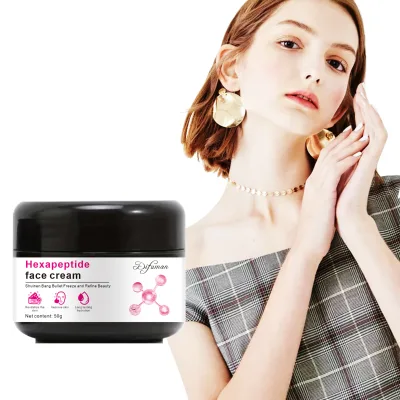
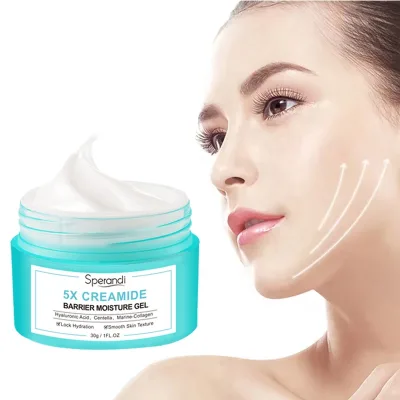
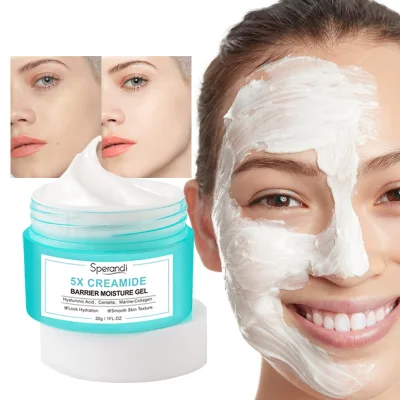


Private Label Anti Aging Reduce Wrinkle Moisturizing Firming Face Cream
$0.80 - $2.20
MOQ: 1000 Pieces


Beauty Cosmetics Moisturizer Anti Aging All Skin Types Ceramide Face Cream
$2.20 - $3.00
MOQ: 100 Pieces


Comprehensive Sourcing Guide
Anti-Aging Ceramide Face Cream Sourcing Guide
Sourcing anti-aging ceramide face cream requires a strategic approach that balances cosmetic efficacy with rigorous supply chain verification. Buyers must navigate a market where product attributes vary significantly, from specific ingredient profiles like hyaluronic acid and squalane to broader functional claims such as firming and lightening. The observed product landscape indicates a high degree of customization, with many suppliers offering OEM/ODM services and private label options. This flexibility allows brands to tailor formulations to specific skin types, including all skin types, while maintaining consistent quality standards. Understanding these variables is essential for selecting the right manufacturing partner who can deliver on both aesthetic and functional promises.
Procurement decisions should be grounded in clear technical specifications and compliance documentation. The available data highlights key ingredients such as ceramides, collagen, and glycerin, which are critical for moisturizing and repairing skin barriers. Buyers need to verify how these ingredients are sourced and processed to ensure stability and efficacy in the final gel cream or standard cream formulations. Additionally, the distinction between day and night usage products must be clarified during the sourcing phase. Establishing precise requirements for packaging, such as 50g or 30ml net weights, ensures that the final product aligns with market expectations and regulatory requirements in target regions.
Product Scope and Observed Listing Signals
The current market for anti-aging ceramide face cream displays a wide range of product variations, primarily driven by customization demands. Listings frequently highlight features such as anti-wrinkle, firming, and skin revitalizing properties, often combined with moisturizing and whitening effects. Buyers should note that while some products specify main ingredients like hyaluronic acid and collagen, others may list "other" ingredients, requiring deeper due diligence. The presence of brands like TE MU and SPERANDI suggests a competitive environment where private labeling is common. This signals that buyers have significant control over branding, packaging, and formulation adjustments, making it crucial to define these elements early in the negotiation process.
Observed listing signals also reveal diverse packaging and specification options, ranging from 60ml to 180ml standards, with some items specified in grams like 30g or 50g. The availability of cartons and customized packing indicates that logistics and shelf presentation are key considerations. Furthermore, the gender-specific targeting, such as products marked for female use, suggests that marketing angles can be tailored to specific demographics. Buyers must carefully review these signals to ensure that the product’s intended application, whether for home use or professional settings, matches their brand strategy. The emphasis on one-stop services implies that suppliers may offer comprehensive support, from formulation to final packaging, streamlining the procurement workflow.
Technical Specifications to Verify
Verifying technical specifications is paramount to ensuring product consistency and performance. Buyers must confirm the exact formulation details, particularly the concentration and source of key ingredients like ceramides, squalane, and glycerin. The product form, whether gel cream or standard cream, significantly impacts user experience and stability. It is essential to request detailed ingredient lists and safety data sheets to understand the full composition. Additionally, specifications such as net weight, single package size, and gross weight must be aligned with logistical requirements. Discrepancies in these details can lead to fulfillment errors or customer dissatisfaction, so precise documentation is necessary before placing orders.
Model numbers and product names, such as FC, MBM322, or Hexapeptide cream, serve as critical identifiers for tracking and quality control. Buyers should ensure that these identifiers are consistently used across all documentation and packaging. The distinction between day and night usage products also requires clear technical differentiation in formulation. For instance, night creams may focus on repair and rejuvenation, while day creams might emphasize protection and lightening. Verifying these functional differences ensures that the product meets the intended use case. Furthermore, confirming the skin type compatibility, such as all skin types, helps in targeting the right consumer base and avoiding adverse reactions.
Compliance and Safety Documentation
Compliance and safety documentation are non-negotiable aspects of sourcing cosmetic products. Buyers must verify that suppliers hold relevant certifications such as CE, GMP, and MSDS, which indicate adherence to manufacturing and safety standards. These certifications are crucial for market entry in many regions and help mitigate regulatory risks. It is important to request copies of these documents and validate their authenticity with issuing bodies. Additionally, suppliers should provide comprehensive ingredient disclosures and safety assessments to ensure that all components are safe for topical application. This due diligence protects the brand from potential liability and ensures consumer safety.
Beyond certifications, buyers should inquire about specific testing protocols and quality control measures implemented by the supplier. This includes stability testing, microbial testing, and efficacy trials to validate product claims. The presence of standards like 60ml or 180ml indicates a level of standardization, but buyers must ensure that these standards are consistently met across batches. Furthermore, understanding the supply chain for raw materials, such as the origin of glycerin or ceramides, is vital for traceability. Suppliers located in regions like Guangdong, China, may have established infrastructure, but buyers must still verify their compliance with international regulations. Clear documentation ensures transparency and builds trust with end consumers.
Cost Drivers and Commercial Terms
Cost drivers in the anti-aging ceramide face cream market are influenced by ingredient quality, customization levels, and order volume. High-purity ingredients like hyaluronic acid and collagen typically increase production costs, while basic formulations may be more economical. Buyers should negotiate based on clear volume tiers, as observed MOQ ranges from 1 to 30,000 units, allowing for flexibility in initial orders. Customization options, such as private labeling and unique packaging, often incur additional fees. Understanding these cost components helps in budgeting accurately and avoiding hidden charges. It is advisable to request detailed quotations that break down material, labor, and packaging costs.
Commercial terms, including payment methods, lead times, and shipping arrangements, significantly impact the overall procurement strategy. Buyers should clarify whether the supplier offers FOB, CIF, or other Incoterms to determine responsibility for shipping and insurance. Lead times can vary based on production complexity and inventory levels, so establishing realistic timelines is crucial for inventory planning. Additionally, buyers should discuss return policies and quality guarantees to mitigate risks associated with defective batches. Negotiating favorable terms can enhance profitability and operational efficiency. Clear communication of these terms ensures a smooth transaction and fosters a long-term partnership with the supplier.
Supplier Qualification and Quality Control
Supplier qualification involves a thorough assessment of manufacturing capabilities, reputation, and quality management systems. Buyers should verify the supplier’s production capacity and facility conditions to ensure they meet industry standards. Visiting the factory or conducting virtual audits can provide insights into their operational efficiency and hygiene practices. Additionally, reviewing past client testimonials and case studies can help gauge reliability and service quality. Suppliers offering OEM/ODM services should demonstrate flexibility and innovation in formulation development. This due diligence minimizes the risk of partnering with unreliable vendors and ensures consistent product quality.
Quality control measures must be robust and transparent. Buyers should request samples for independent testing to verify product efficacy and safety. Establishing clear quality benchmarks, such as acceptable ranges for viscosity, pH, and active ingredient concentration, is essential. Regular inspections during production and pre-shipment checks can catch defects early. Suppliers should also provide traceability systems to track batches from raw material to finished product. This level of oversight ensures that any issues can be quickly identified and resolved. By prioritizing supplier qualification and rigorous quality control, buyers can maintain brand integrity and customer satisfaction.
Long-Term Procurement Checks
Long-term procurement checks focus on sustaining product quality and supplier performance over time. Buyers should conduct periodic audits and performance reviews to ensure that suppliers continue to meet agreed-upon standards. Monitoring key performance indicators, such as on-time delivery rates, defect rates, and responsiveness to issues, helps in evaluating supplier reliability. Additionally, staying updated on regulatory changes and market trends is crucial for adapting procurement strategies. Regular communication with suppliers fosters collaboration and continuous improvement. This proactive approach ensures that the supply chain remains resilient and competitive in a dynamic market.
Furthermore, buyers should diversify their supplier base to mitigate risks associated with single-source dependencies. Building relationships with multiple suppliers provides flexibility in case of disruptions or capacity constraints. It is also important to invest in supplier development programs to enhance their capabilities and align them with brand values. Continuous feedback loops between buyers and suppliers can drive innovation and efficiency. By implementing these long-term checks, buyers can secure a stable supply of high-quality anti-aging ceramide face cream, supporting sustainable business growth and customer loyalty.
FAQs
What certifications do these anti aging ceramide face creams have?
These products hold CE, GMP, and MSDS certifications to ensure safety and quality standards. Manufacturers provide these documents to verify compliance with international regulations for cosmetic ingredients and production processes.
Can I customize the packaging for my private label order?
Yes, customization is available for packaging to meet your specific branding needs. Buyers can request tailored carton designs or bottle specifications while maintaining the core product formulation and quality standards.
What are the main ingredients in this anti aging face cream?
Key ingredients include Hyaluronic Acid, Collagen, Squalane, and Ceramide for deep hydration and repair. Some formulations also feature Glycerin to enhance moisture retention and support overall skin barrier function effectively.
Which specifications are available for bulk orders of this cream?
Available specifications include 30g, 50g, 60ml, 100ml, and 180ml sizes to suit various market segments. Buyers can select the optimal volume based on their target customer preferences and distribution channel requirements.
How does the OEM service work for this product?
The supplier offers full OEM and ODM services to create custom formulations and branding. Clients can leverage one-stop service to develop unique products while utilizing existing high-quality ingredient profiles and manufacturing capabilities.
What is the minimum order quantity for this face cream?
Minimum order quantities range from 1 to 30,000 units depending on the specific product model and customization level. Flexible MOQs allow both small startups and large enterprises to source efficiently without excessive inventory risks.
Where are these anti aging creams manufactured and shipped from?
Products originate from Guangdong, China, ensuring access to established cosmetic manufacturing hubs. The location supports efficient logistics and supply chain management for international buyers seeking reliable sourcing partners in the region.