Source anti-corrosion concrete fixing anchors for Stone, Masonry, and Concrete
Source anti-corrosion concrete fixing anchors from 30 verified suppliers. Compare options in carbon steel and stainless steel, featuring JIS, DIN, and ANSI standards, with customization by drawing or sample available for stone, masonry, and concrete applications; compare the available evidence and request quotations based on your requirements.
Updated
Key considerations
Products List


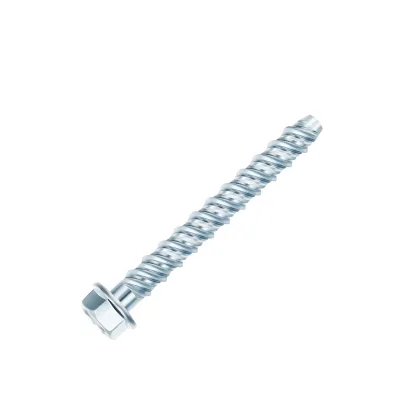
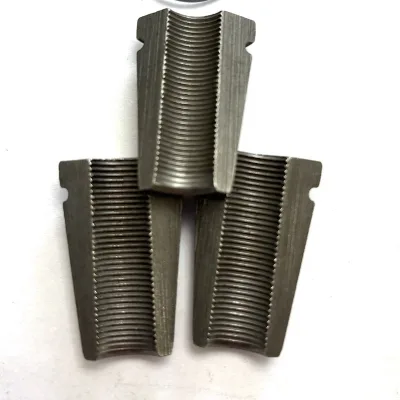
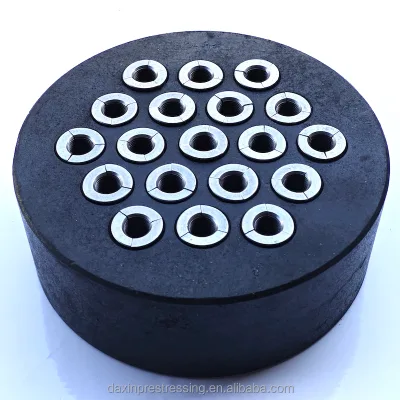
19S Fasteners Construction Metal Concrete Ground Anchor for Bridge Construction
$33.8141 - $36.8884
MOQ: 10 Minimum







Comprehensive Sourcing Guide
Anti-Corrosion Concrete Fixing Anchors Sourcing Guide
Procuring anti-corrosion concrete fixing anchors requires a disciplined approach to material selection and surface treatment verification. Buyers must prioritize suppliers who explicitly state their corrosion resistance capabilities, as this attribute is critical for outdoor or chemically aggressive environments. The observed market data indicates that manufacturers offer products with specific weather and chemical resistance properties, ensuring durability in demanding conditions. It is essential to distinguish between general-purpose anchors and those engineered for long-term exposure to moisture or salts.
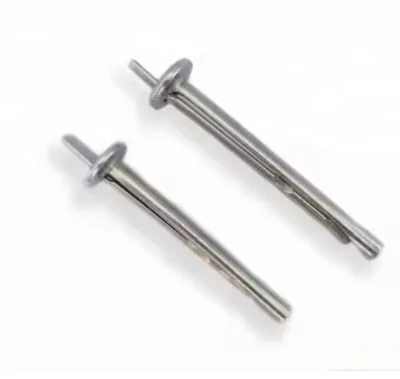
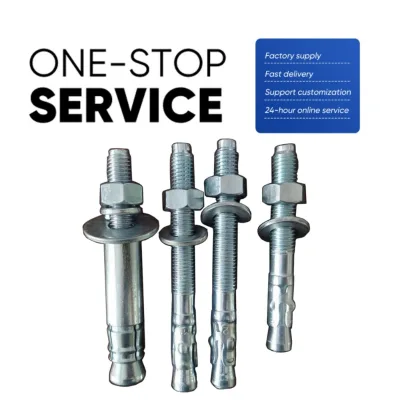
The sourcing landscape includes a variety of anchor types, such as wedge anchors and T-bolts, which serve different structural needs. While some listings highlight stainless steel construction, others rely on carbon steel with protective finishes like zinc plating or sandblasting to mitigate rust. Buyers should carefully review the material grade and surface treatment specifications provided by each supplier. Understanding the interplay between base material and protective coating is vital for selecting the right anchor for your specific project’s environmental challenges.
Product Scope and Observed Listing Signals
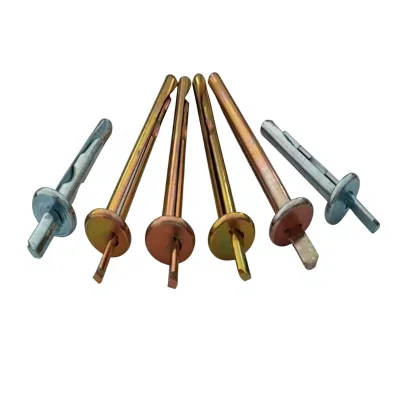
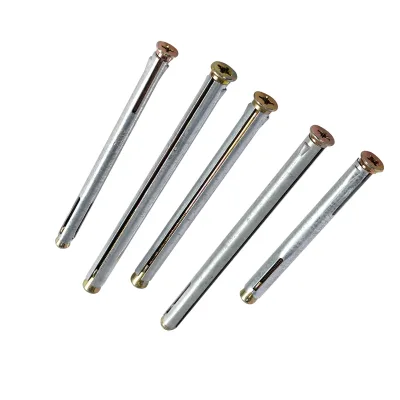
The current market offers a diverse range of concrete anchors, including wedge anchors, T-bolts, and specialized connection fasteners. Listings frequently mention applications in stone, masonry, concrete, and brick, indicating versatility across common construction materials. Some products are designed for post-tension concrete structures, suggesting a focus on high-strength industrial applications. Buyers should note that while many items are labeled as concrete anchors, the specific fixing mechanism and load-bearing capacity can vary significantly between different model numbers and designs.
Observed product attributes reveal a strong emphasis on customization and adaptability. Suppliers offer services such as custom-made production based on drawings or samples, allowing for tailored solutions. The availability of pre-expanded set installation methods and various thread standards, including metric and inch systems, provides flexibility for different engineering requirements. Additionally, the presence of customizable packaging colors and bulk or boxed packing options suggests that logistics and branding considerations are integrated into the supply chain, offering buyers additional control over their procurement process.
Technical Specifications to Verify
Verifying technical specifications is paramount to ensuring anchor compatibility and performance. Buyers must confirm the thread standard, as options include UNC, UNF, UNEF, UNS, BSW, BSF, and both metric coarse and fine threads. The size standard is typically metric, but inch-based sizes like 1/4" and 3/8" are also available. It is crucial to match the anchor’s thread type and size to the existing infrastructure or design plans to prevent installation failures. Misalignment in thread standards can lead to significant project delays and structural compromises.
Material composition and mechanical properties are equally critical verification points. While carbon steel and stainless steel are common, specific grades like 20CrMnTi may be used for enhanced strength. Buyers should inquire about the head style, with hex heads being a common observation, and the overall length, which can range from fixed sizes like 12 mm to fully customized dimensions. The single gross weight and package dimensions also provide insight into the product’s density and handling requirements. Ensuring these physical attributes align with your project’s specifications is essential for successful installation.
Compliance and Safety Documentation
Compliance with international standards is a key indicator of product reliability. The observed listings reference a wide array of standards, including JIS, GOST, GB, DIN, BSW, and ANSI. Buyers should verify which specific standards apply to the anchors they intend to purchase, as these dictate manufacturing tolerances and performance benchmarks. Adherence to recognized standards ensures that the anchors meet established safety and quality criteria, reducing the risk of structural failure. It is advisable to request documentation that explicitly links the product to these standards.
Quality control documentation, particularly material test certificates, provides assurance of the anchor’s integrity. The presence of these certificates indicates that the manufacturer conducts rigorous testing on the raw materials and finished products. Buyers should insist on receiving these certificates for every batch or lot of anchors purchased. This documentation serves as proof that the material properties, such as tensile strength and corrosion resistance, meet the specified requirements. Without such verification, the risk of receiving substandard products increases significantly.
Cost Drivers and Commercial Terms
Several factors influence the final cost of anti-corrosion concrete fixing anchors. The choice of material, such as stainless steel versus carbon steel with zinc plating, is a primary driver. Surface treatments like sandblasting and zinc coating add to the manufacturing cost but are essential for durability. Buyers should also consider the complexity of customization, as custom-made services and specific drawing requirements can increase production expenses. Understanding these cost drivers helps in budgeting and evaluating quotes from different suppliers.
Commercial terms and logistics play a significant role in the total cost of ownership. Observed price terms include FOB, CFR, CIF, DDP, and DAP, each affecting who bears the shipping and insurance costs. The minimum order quantity (MOQ) ranges from 1 to 10,000 units, allowing for flexibility in order size. Delivery lead times are typically 20-30 days, which should be factored into project scheduling. Buyers should negotiate terms that align with their cash flow and delivery requirements, ensuring that the total landed cost remains within budget.
Supplier Qualification and Quality Control
Supplier qualification involves assessing their manufacturing capabilities and quality assurance processes. Buyers should look for suppliers who offer 100% quality inspection, as this indicates a commitment to consistency and defect reduction. The availability of samples in stock, even with freight collect, allows buyers to physically inspect the product before committing to a large order. This step is crucial for verifying the finish, thread quality, and overall workmanship of the anchors.
After-sales support and technical assistance are also important indicators of supplier reliability. Suppliers offering online technical support can provide valuable guidance during installation and troubleshooting. Buyers should evaluate the supplier’s responsiveness and expertise in addressing technical queries. A supplier with strong after-sales service can help resolve issues quickly, minimizing downtime and ensuring project continuity. Prioritizing suppliers with robust support systems enhances the overall procurement experience.
Long-Term Procurement Checks
Long-term procurement success depends on continuous monitoring of supplier performance and product consistency. Buyers should establish a system for tracking delivery times, quality issues, and communication responsiveness. Regular audits of the supplier’s quality control processes can help identify potential problems before they impact production. Maintaining open lines of communication with the supplier ensures that any changes in standards or materials are promptly addressed.
It is also important to stay updated on industry standards and best practices for anchor installation and maintenance. As regulations evolve, suppliers may need to adjust their products to remain compliant. Buyers should encourage their suppliers to stay informed about these changes and provide updated documentation as needed. By proactively managing these relationships and requirements, buyers can ensure a steady supply of high-quality, anti-corrosion concrete fixing anchors for their projects.
FAQs
What materials are used for anti-corrosion concrete fixing anchors?
Anti-corrosion concrete fixing anchors are typically manufactured from carbon steel or stainless steel. Carbon steel options often feature zinc finishes and sand blasting for enhanced durability. Stainless steel variants provide superior chemical resistance and weather resistance for outdoor environments. These materials ensure the anchors withstand harsh conditions while maintaining structural integrity in concrete and masonry applications.
Can these anchors be customized according to specific drawings?
Yes, customization is available for these concrete anchors. Buyers can request custom-made services based on specific drawings or samples. The products support various thread standards including Metric Coarse, Metric Fine, UNC, UNF, and BSW. This flexibility allows for precise fitting in diverse construction projects requiring specific connection and fastening requirements for stone, brick, or concrete structures.
What is the typical lead time for delivery?
The typical delivery lead time is 20 to 30 days. This timeframe applies to standard orders and bulk shipments. Buyers should note that custom orders or those requiring specific packaging may influence the exact schedule. The products are shipped from origins in China, with options for FOB, CFR, CIF, DDP, or DAP price terms to accommodate different logistics needs.
Which certifications and quality controls are applied to these anchors?
These anchors undergo 100% quality inspection before shipment. They come with material test certificates to verify compliance. The products adhere to various international standards including JIS, GOST, GB, DIN, BSW, and ANSI. This rigorous quality control ensures that the concrete anchors meet the required specifications for strength and reliability in post-tension concrete structures and general masonry applications.
What packaging options are available for bulk orders?
Packaging options include bulk packs, small boxed units, and inner boxes with cartons on pallets. The single package size is approximately 20.57 by 14.93 by 8.09 cm with a gross weight of 3.21 kg. Customizable package colors are also available to meet specific branding or logistical requirements. These methods ensure safe transport and protection of the anchors during international shipping.
Are samples available for testing before placing a large order?
Samples in stock are available for free, but freight costs are collected by the buyer. This allows potential clients to verify the product quality, thread type, and head style before committing to a larger purchase. The samples help assess the suitability of the concrete anchors for specific applications such as connection, fastening, or post-tension structures in various building materials.