Source Contemporary Perforated Sheets for Construction and Protection
Find 30 options for Contemporary Perforated Sheets in galvanized steel and stainless materials. Compare round and square hole patterns, thicknesses from 0.2mm to 20mm, and custom sizes for civil building, aquaculture, and decorative applications; compare the available evidence and request quotations based on your requirements.
Key considerations
Products List


Customized Staggered Round Holes Perforated Sheet for Decoration and Filtration
$6.50 - $8.00
MOQ: 10 Square Meters


Stainless Steel Different Hole Pattern Available Perforated Metal Sheet
$3.00 - $8.00
MOQ: 10 Square Meters


Stainless Steel Punched Sheet Perforated Metal Sheet Direct Factory
$0.68 - $4.61
MOQ: 500 Square Meters

Best Seller Round/Square Hole Perforated Sheet in Customized Sheet Size
$0.68 - $4.61
MOQ: 500 Square Meters


Comprehensive Sourcing Guide
Contemporary Perforated Sheets Sourcing Guide
Buyers must first distinguish between the specific material grades and surface treatments available in the current market to ensure the selected sheet meets the intended environmental exposure. The observed listings indicate a primary focus on galvanized sheet plates and steel plates, with some suppliers offering stainless steel or aluminum options for specialized corrosion resistance. This distinction is critical because the galvanized treatment provides a baseline defense against rust, while the specific grade of the base metal determines the ultimate structural integrity and longevity of the final installation.
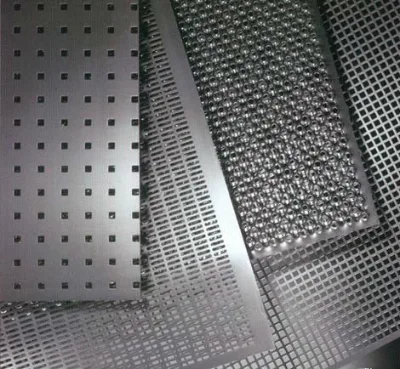
Procurement teams should also verify the customization capabilities regarding hole patterns and sheet dimensions before finalizing a purchase order. The market data confirms that suppliers offer round, square, and special-shaped holes arranged in either linear or staggered patterns, with hole sizes ranging from 0.5mm up to 200mm depending on the specific product line. Since sheet sizes are often made to request, buyers need to clearly define their dimensional requirements early in the negotiation to avoid compatibility issues during the fabrication or installation phase.
Product Scope and Observed Listing Signals
The observed product range spans from lightweight to middle-weight perforated metal sheets, catering to diverse industrial needs such as civil building, road construction, and aquaculture protection. Listings frequently highlight applications in barbecue wire mesh, filtration systems, and decorative mesh, indicating that the same base product can serve vastly different functional roles based on the perforation density and material thickness. Buyers should carefully map these observed applications to their specific project requirements to ensure the selected mesh provides the necessary strength or filtration efficiency.
Commercial signals in the current market suggest a wide variance in minimum order quantities, ranging from single units to several thousand pieces, which allows for both prototype testing and large-scale industrial deployment. The delivery timelines observed vary from immediate availability to eight to fourteen days, depending on the complexity of the customization and the supplier's current production load. Understanding these logistical signals helps buyers plan their inventory and project schedules more accurately, preventing delays that could arise from unexpected lead time extensions.
Technical Specifications to Verify
Thickness and hole size are the two most critical technical parameters that require rigorous verification against the project's engineering drawings. The market data shows metal thickness specifications ranging from 0.3mm to 2mm for standard applications, while some heavy-duty listings extend up to 20mm, and hole sizes can vary from 0.5mm to 30mm or even 200mm. Buyers must confirm that the specific thickness and aperture dimensions of the ordered product align precisely with the load-bearing and flow requirements of the intended application to prevent structural failure or performance issues.
Surface treatment and material composition are equally vital for ensuring the product survives its operational environment without premature degradation. Suppliers list treatments such as galvanization and materials including galvanized steel, stainless steel, and aluminum, with some products boasting alkali, acid, and salt resistance. It is essential to validate that the chosen surface treatment matches the chemical exposure of the site, as a standard galvanized sheet may not suffice for highly corrosive environments where stainless steel or specialized coatings are required.
Compliance and Safety Documentation
Certification verification is a mandatory step for buyers operating in regulated industries where material safety and quality assurance are legally required. The observed listings mention certifications such as SGS, CE, ISO9001, and Nv, which serve as third-party validations of the manufacturing process and product consistency. Procurement teams should request current copies of these certificates to ensure they are valid and applicable to the specific batch of goods being purchased, rather than relying on generic claims that may not cover the exact product configuration.
In addition to certifications, buyers must ensure that the product standards align with the specific regulatory frameworks of their region or industry. While some suppliers list adherence to standards like AISI, ASTM, JIS, and GB, others state that standards are customized per the client's request. It is crucial to explicitly define the required standard in the purchase agreement to guarantee that the perforated sheets meet the necessary mechanical and chemical benchmarks, thereby mitigating the risk of non-compliance during final inspections or audits.
Cost Drivers and Commercial Terms
The final unit price is heavily influenced by the complexity of the customization, including the specific hole pattern, sheet dimensions, and the chosen material grade. Listings indicate a broad price range, suggesting that standard round-hole galvanized sheets are more economical, while custom-shaped holes or high-grade stainless steel options command a premium. Buyers should analyze the cost implications of their design choices, as minor adjustments to hole size or thickness can significantly impact the overall material cost and the total project budget.
Payment terms and delivery conditions are key commercial factors that affect cash flow and project timelines. The observed market offers payment methods such as T/T and L/C at sight, with delivery times typically ranging from eight to fourteen days or based on the final request. Negotiating favorable payment schedules and clarifying the exact delivery timeline in the contract can help manage financial risk and ensure that the materials arrive exactly when needed, avoiding costly storage fees or project delays.
Supplier Qualification and Quality Control
Evaluating the supplier's origin and production capacity is essential for ensuring consistent quality and reliable supply chain performance. The majority of observed listings originate from Hebei, China, a region known for its metal processing industry, but buyers should still verify the specific factory's capabilities and quality control protocols. Confirming that the supplier has a proven track record in producing perforated sheets for similar applications helps mitigate the risk of receiving substandard products that do not meet the specified technical requirements.
Quality control measures should extend beyond the initial inspection to include verification of the product condition and packaging integrity. Listings confirm that products are typically new and packed on steel pallets to prevent damage during transit, but buyers should explicitly request pre-shipment inspection reports or sample approvals. Establishing a clear protocol for rejecting non-conforming goods and ensuring that the final product matches the agreed-upon specifications is vital for maintaining the integrity of the procurement process.
Long-Term Procurement Checks
Building a sustainable relationship with suppliers requires ongoing monitoring of product consistency and the ability to scale orders as project needs evolve. Buyers should establish a system for tracking the performance of the perforated sheets in the field, noting any issues related to corrosion, structural integrity, or dimensional accuracy over time. This feedback loop allows for continuous improvement in the selection process and helps identify suppliers who can consistently deliver high-quality products that meet long-term operational demands.
Future procurement strategies should also account for the potential need for additional certifications or updated standards as regulations change. Since the market offers customized standards and certifications, buyers must remain vigilant about any new compliance requirements that may arise in their industry. Proactively discussing these potential changes with suppliers ensures that the supply chain remains flexible and capable of adapting to new regulatory landscapes without disrupting ongoing projects or requiring a complete supplier switch.
FAQs
What materials are used for Contemporary Perforated Sheets?
Contemporary Perforated Sheets are manufactured from galvanized sheet plate, steel plate, PPGI, stainless steel, and aluminum. These materials provide varying levels of strength and corrosion resistance. Galvanized options offer alkali, acid, and salty resistance. The choice depends on the specific application requirements for civil building or aquaculture projects.
Can I customize the hole shape and size?
Yes, customization is available for hole shapes and sizes. Options include round, square, or special shaped holes. Hole sizes typically range from 0.5mm to 200mm. You can request linear or staggered hole arrangements. Sheet sizes are also available as per your specific request to fit unique project dimensions.
What certifications are available for these products?
Products can be certified with SGS, Nv, CE, and ISO9001. Standards such as AISI, ASTM, Bis, JIS, and GB are also supported. These certifications ensure quality and compliance for international trade. You can request specific standards based on your project requirements to guarantee material integrity and safety.
What is the typical delivery time for orders?
Delivery time is generally 8-14 days for standard orders. However, it can also be according to the final request for customized items. Lead times depend on the order volume and specific customization needs. You should confirm the exact timeline with the supplier based on your production schedule and requirements.
How are the sheets packed for shipping?
The sheets are packed on steel pallets or standard pallets. This packaging ensures safe transport and prevents damage during logistics. The packing method is designed to handle the weight of the metal sheets effectively. You can request specific packing arrangements if you have unique shipping or storage requirements for your project.
What are the common applications for these sheets?
Common applications include civil building, road construction, and aquaculture. They are used for filtering, decorative mesh, and protection. Other uses involve barbecue wire mesh and sieving diversified pellets. The versatile nature of these sheets makes them suitable for various industrial and construction projects requiring durability and safety.