Source Modern Infrastructure Mono Anchor for Bridges and Lifting
Compare 30 Modern Infrastructure Mono Anchor options from verified factories in China. Buyers can evaluate specifications like load capacity, material grades, and surface treatments for railroad, highway, and precast concrete applications; compare the available evidence and request quotations based on your requirements.
Key considerations
Products List




Comprehensive Sourcing Guide
Modern Infrastructure Mono Anchor Sourcing Guide
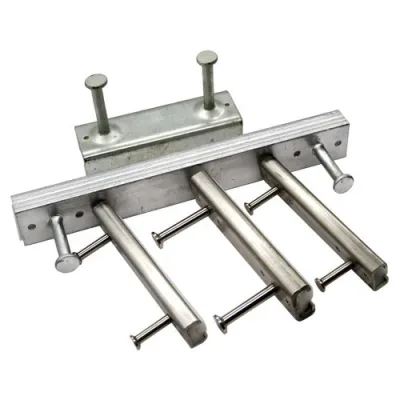
Procuring modern infrastructure mono anchors requires distinguishing between general lifting hardware and specialized structural components designed for heavy-duty concrete applications. The observed market data indicates a primary focus on lifting precast concrete components, where the anchor must withstand significant tensile loads without failure. Buyers must verify that the specific product model, such as the Mono Anchor, aligns with the structural demands of railroad, highway, or beam bridge projects rather than generic construction needs.
The supply chain for these components often originates from manufacturing hubs in Ningbo and Shandong, China, where factories offer direct pricing and customization capabilities. Sourcing decisions should prioritize suppliers who explicitly state their factory status and offer OEM services, ensuring that the final product meets precise engineering drawings. It is critical to confirm that the listed material grades, such as Q235B or stainless steel, are suitable for the specific environmental conditions of the intended infrastructure project.
Product Scope and Observed Listing Signals
The product scope for modern infrastructure mono anchors encompasses a wide range of load capacities, typically observed between 7.2T and 45T, which dictates the suitability for various bridge and beam applications. Listings frequently highlight the availability of free samples and customization options, allowing buyers to validate the physical properties before committing to large-scale orders. This flexibility is essential for projects requiring specific dimensions, such as T-bolt sizes ranging from M8 to M30, to ensure compatibility with existing structural frameworks.
Observations of surface treatments reveal a dichotomy between natural finishes and protective coatings like hot-dip galvanization or plain treatments, which directly impact longevity in corrosive environments. Buyers should scrutinize the listed color options, including brown, silver, black, and grey, to ensure they meet aesthetic or identification requirements for the construction site. The presence of seaworthy packing and single package sizes of 1x1x1 cm suggests standardized logistics, yet the actual gross weight of 1.000 kg per item necessitates careful freight cost calculations for bulk procurement.
Technical Specifications to Verify
Technical verification must begin with the material composition, as the supply data lists carbon steel, Q235B, and stainless steel as available options for different performance tiers. The production technique is identified as casting, which influences the grain structure and ultimate strength of the anchor; buyers should request mill certificates to confirm the specific grade and chemical composition matches the design specifications. Additionally, the dimension measurement system is metric, requiring precise alignment with international engineering standards to avoid installation errors in global infrastructure projects.
The mechanical performance of these anchors is often validated through breaking strength tests, a critical verification step for any component intended for lifting heavy precast elements. Buyers must confirm the specific length range, observed between 35mm and 1200mm, to ensure the anchor depth is sufficient for the concrete thickness and load requirements. Furthermore, the connection type, described as a common bolt, and the head style, noted as round, must be cross-referenced with the structural engineer's specifications to guarantee proper load transfer and safety margins.
Compliance and Safety Documentation
Compliance with international standards is a non-negotiable aspect of sourcing modern infrastructure anchors, with ISO, JIS, GB, DIN, BSW, and ANSI standards frequently cited in product listings. Buyers should demand explicit confirmation that the specific batch of anchors being purchased adheres to the relevant standard for the target market, as a generic ISO claim may not cover specific regional safety codes. The availability of material certificates is a key indicator of traceability, allowing procurement teams to verify the origin and quality of the raw steel used in manufacturing.
Safety documentation must also include evidence of rigorous quality control systems, which are often highlighted as a competitive advantage by factory-direct suppliers. The presence of a Certificate of ISO9001 suggests a managed quality process, but buyers should verify that this certification covers the specific production line and product type being ordered. Additionally, the testing protocols, such as breaking strength tests, should be documented with third-party validation to ensure that the claimed load capacities of 7.2T to 45T are reliable and not merely theoretical estimates.
Cost Drivers and Commercial Terms
Cost drivers for modern infrastructure mono anchors are heavily influenced by the choice of material, with stainless steel commanding a premium over carbon steel or Q235B options. The surface treatment process, whether plain, galvanized, or hot-dip, adds significant variable costs that must be factored into the total landed price. Buyers should analyze the trade-off between the initial purchase price and the long-term maintenance costs associated with corrosion resistance, particularly for infrastructure exposed to harsh weather or marine environments.
Commercial terms often feature competitive pricing and fast delivery times, yet the minimum order quantity (MOQ) can vary widely from 1 to 5000 units, impacting the unit economics for smaller projects. The observed price range of 0.01 to 50 USD suggests a broad spectrum of product values, necessitating a clear definition of specifications to avoid ambiguity in quotes. Procurement teams should negotiate based on the total cost of ownership, including shipping options that prioritize speed, cost, and safety, rather than focusing solely on the base unit price.
Supplier Qualification and Quality Control
Supplier qualification should prioritize manufacturers who explicitly state they are factories rather than trading companies, as this often correlates with better control over production quality and lead times. The observed years of production experience and the offer of professional service indicate a mature supply base, but buyers must verify the specific experience level regarding mono anchors and lifting applications. Direct engagement with the factory allows for clearer communication regarding customization needs and ensures that the product meets the exact technical requirements of the project.
Quality control systems are described as strict, yet buyers must implement their own verification steps to ensure consistency across large orders. The availability of samples and the option for free talks with suppliers provide opportunities to assess the physical quality and finish of the product before mass production begins. It is essential to confirm that the surface treatment and finish, such as bright uncoated or galvanized, are applied consistently and that the single gross weight remains within acceptable tolerances for logistics planning.
Long-Term Procurement Checks
Long-term procurement success depends on establishing a reliable supply chain that can consistently deliver anchors meeting the rigorous demands of infrastructure projects. Buyers should monitor the supplier's ability to maintain the specified standards, such as ISO and JIS, over time and ensure that the material grades do not fluctuate without notice. Regular audits of the production process and quality control records are necessary to maintain confidence in the product's performance and safety throughout the lifecycle of the infrastructure.
Continuous evaluation of the supplier's responsiveness to customization requests and their ability to handle complex logistics is also critical for long-term partnerships. The observed flexibility in color, finish, and dimensions suggests a capable manufacturing base, but buyers must ensure that these capabilities remain stable as order volumes increase. Establishing clear communication channels for feedback on product performance and any potential issues will help mitigate risks and ensure the continued reliability of the modern infrastructure mono anchors in service.
FAQs
What materials are used for modern infrastructure mono anchors?
Modern infrastructure mono anchors are typically manufactured from Q235B carbon steel or stainless steel. These materials provide the necessary strength and durability for lifting precast concrete components. Customized material options are also available to meet specific project requirements and environmental conditions.
Can I get a free sample for testing?
Yes, free samples are available for evaluation. You can contact the factory directly to request a sample. This allows you to verify the product quality and specifications before placing a bulk order. The factory offers professional service to assist with sample requests and technical discussions.
What is the lead time for delivery?
The factory provides fast delivery times for orders. Production experience ensures efficient manufacturing processes. Specific lead times may vary based on order quantity and customization needs. Contact the supplier for precise scheduling details to ensure your project timeline is met with reliable and timely shipment.
Which certifications do the anchors hold?
The products comply with ISO standards and hold ISO9001 certification. Material certificates are available upon request. The factory maintains a strict quality control system to ensure every anchor meets international standards. This guarantees reliability and safety for applications in railroad, highway, and beam bridge infrastructure projects.
How are the anchors packaged for shipping?
Anchors are packed in seaworthy packaging to protect them during transit. Options include carton packing for smaller quantities. The factory ensures secure handling to prevent damage. This packaging method supports safe delivery to various global destinations while maintaining the integrity of the lifting anchors and their specifications.
What surface treatments are available for these anchors?
Surface treatments include plain, galvanized, and hot-dip galvanized finishes. Colors such as brown, silver, black, and grey are available. Uncoated or bright finishes can also be provided. Custom surface treatments are offered to suit specific environmental conditions and aesthetic requirements for modern infrastructure applications.