Source Anti Corrosion PV Mounting Base for Home Industrial Commercial
Compare 28 Anti Corrosion PV Mounting Base options from verified Chinese suppliers. Buyers can evaluate steel and aluminum alloy models with custom designs, weather resistance, and bolted installation methods for diverse solar projects.
Key considerations
Products List


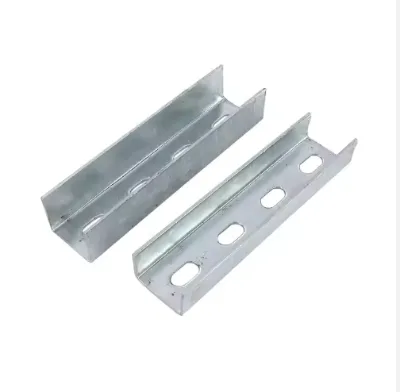


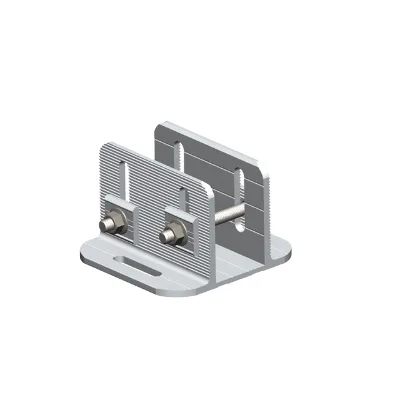


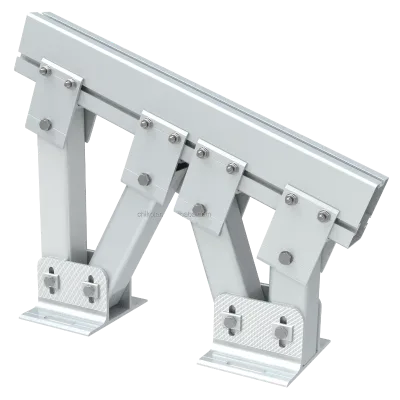
Comprehensive Sourcing Guide
Strategic Sourcing Guide for Anti-Corrosion PV Mounting Bases
Understanding Product Specifications and Material Variants
When sourcing anti-corrosion photovoltaic (PV) mounting bases, the primary objective is to identify components that ensure structural integrity under diverse environmental conditions. The market offers a diverse array of options, primarily distinguished by material composition and surface treatment processes. The core material for these bases is predominantly steel or aluminum alloy, with specific listings also noting aluminum as a distinct variant. Steel-based units are often selected for their high tensile strength, while aluminum alloy options provide a favorable strength-to-weight ratio, which is critical for large-scale installations where structural load is a concern.
The surface finish is the critical differentiator for anti-corrosion performance. Buyers must verify the specific treatment applied to the base. Common processes observed in the supply chain include painting, powder coating, and advanced finishes such as PVDF (Polyvinylidene Fluoride). Some products specify a combination of PVDF and PC (Polycarbonate) for the surface, while others rely on polished treatments. The selection between these finishes depends heavily on the intended installation environment. For instance, powder coating is a standard method for general weather resistance, whereas PVDF offers superior durability against UV radiation and chemical exposure, making it suitable for harsh coastal or industrial zones.
The physical dimensions and load-bearing capabilities vary significantly across suppliers. Specifications indicate a wide range of models, from "solar mount base" and "solar base" to specific sizing codes like "3/8"-8"" and "M5-M150." This variability suggests that the mounting base is not a one-size-fits-all component but rather a system tailored to specific solar panel configurations. The carrying capacity is often described as a "special weight level," implying that buyers must calculate their specific load requirements rather than relying on generic assumptions. Furthermore, the design advantage of these bases often centers on meeting rigorous strength tests, ensuring that the component can withstand dynamic loads such as wind and snow without structural failure.
Compliance, Certification, and Regulatory Standards
Navigating the compliance landscape is essential for any procurement strategy involving solar mounting infrastructure. The reliability of an anti-corrosion base is often validated through third-party certifications and adherence to international standards. The supply data indicates that products frequently carry certifications such as CE, TUV, ISO, and GB. These marks are not merely decorative; they represent adherence to specific safety and quality benchmarks. The CE mark, for example, indicates conformity with health, safety, and environmental protection standards for products sold within the European Economic Area. Similarly, TUV certification often relates to rigorous testing of mechanical strength and material safety.
While specific standard numbers like UL 2703 or EN 1090 are sometimes referenced in broader industry contexts, buyers must verify the actual certification status of the specific lot they are purchasing. The provided data lists "standard" as a product attribute in some instances, alongside specific numerical ranges like "36-60," which may refer to thickness or load factors, but these should be treated as observations rather than universal guarantees. The presence of ISO certification suggests a commitment to quality management systems, which is a strong indicator of consistent manufacturing processes.
Buyers should also consider the "Customized" standard attribute. This implies that the product may not strictly adhere to a single pre-defined international standard but can be engineered to meet specific project requirements. In such cases, the verification process becomes even more critical. Procurement teams must request detailed test reports that correlate the product's design with the specific standards required by the local jurisdiction where the solar farm or rooftop installation will occur. The "GB" certification points to compliance with Chinese National Standards, which is relevant for domestic projects or those sourcing directly from Chinese manufacturers.
Cost Drivers and Pricing Dynamics
The pricing structure for anti-corrosion PV mounting bases is influenced by a complex interplay of material costs, manufacturing complexity, and order volume. The observed price range in the market spans from $0.02 to $500 per unit, a vast disparity that reflects the diversity of product types, from small clamps to heavy-duty structural bases. This range underscores the importance of defining precise requirements before soliciting quotes. A base made of aluminum alloy with a PVDF finish will naturally command a higher price point than a painted steel alternative due to material costs and the complexity of the surface treatment process.
Minimum Order Quantity (MOQ) is another significant cost driver. The data reveals an MOQ range from 1 to 100,000 units. Suppliers offering an MOQ of 1 are typically catering to small-scale residential projects or sample testing, often at a premium unit cost. Conversely, suppliers requiring an MOQ of 100,000 are targeting large-scale utility projects, where economies of scale drastically reduce the per-unit price. The "Customized" nature of many products also impacts cost; ODM (Original Design Manufacturer) and OEM (Original Equipment Manufacturer) services require additional engineering and tooling investment, which is often amortized over larger order volumes.
Buyers should also account for packaging and logistics costs. The observed packaging methods include bundled straps, wooden boxes, wooden pallets, cartons, bags, and wooden cases. The choice of packaging affects the shipping volume and protection level. For instance, wooden cases offer superior protection for heavy-duty bases but add significant weight and cost to the shipment. When evaluating total landed cost, the buyer must consider not just the unit price but also the efficiency of the packaging and the potential for damage during transit, which could lead to replacement costs and project delays.
Typical Applications and Installation Environments
The versatility of anti-corrosion PV mounting bases allows them to be deployed across a wide spectrum of applications. The primary application categories identified include residential, commercial, and industrial settings. In residential contexts, the focus is often on aesthetic integration and ease of installation, with products designed for rooftop use. The "Home" application attribute suggests that these bases are optimized for standard roof pitches and materials, ensuring a secure fit without compromising the roof's integrity.
Commercial and industrial applications demand higher durability and load-bearing capacity. The "Industrial" and "Commercial" attributes indicate that these bases are engineered to support larger arrays and withstand more severe environmental stresses. The "Outdoor" positioning of the products confirms their suitability for external installations where they are exposed to rain, wind, and temperature fluctuations. The "Water Resistance" and "Weather Resistance" performance attributes are critical for these environments, ensuring that the mounting system does not degrade over time, which could lead to panel failure or safety hazards.
The installation method is another key factor in application suitability. The "Bolted" installation method is prevalent, offering a robust and reversible connection that is easy to inspect and maintain. The product design also supports various module orientations, including landscape and portrait, providing flexibility in panel layout. For specialized applications, such as pipe clamping or glass clamping, the "Structure" attribute notes the availability of suspension clamps and heavy-duty clamps. This versatility allows the same base system to be adapted for different mounting scenarios, from ground-mounted arrays to facade-integrated systems.
Supplier Evaluation and Customization Capabilities
Evaluating suppliers for anti-corrosion PV mounting bases requires a deep dive into their customization capabilities and manufacturing processes. The "Customization" attribute is a key differentiator, with many suppliers offering ODM and OEM services. This means that buyers can request specific modifications to the base design, such as altered dimensions, unique hole patterns, or specific surface finishes. The "Service" attribute, listed as "Customized," further reinforces the supplier's ability to tailor products to project-specific needs.
The manufacturing process is another critical evaluation point. The data lists procedures such as casting, extrusion, cutting, and drilling. These processes indicate a high level of manufacturing sophistication. Casting is often used for complex shapes, while extrusion is ideal for creating long, uniform profiles. The combination of these processes suggests that suppliers have the technical capacity to produce high-precision components. Buyers should verify the supplier's capability to execute these processes in-house or through trusted partners to ensure quality control.
The "Quality" attribute, described as "100% QC Test" and "Reliable Quality," highlights the importance of inspection protocols. A supplier that conducts 100% quality control on every unit is significantly more reliable than one that relies on statistical sampling. This rigorous approach minimizes the risk of receiving defective products, which is crucial for large-scale projects where a single failure can compromise the entire array. Additionally, the "Condition" of the products is listed as "New," ensuring that buyers receive fresh, unused components rather than refurbished or surplus stock.
Quality Control and Long-Term Procurement Considerations
Ensuring the long-term reliability of anti-corrosion PV mounting bases requires a robust quality control strategy. The "Duration" attribute, noted as "More Than 20 Years," sets a high bar for product longevity. To achieve this lifespan, the anti-corrosion properties must be maintained throughout the service life of the installation. The "High Corrosion Resistance" attribute is a direct indicator of this capability, but it must be backed by empirical data. Buyers should request test results that demonstrate the performance of the surface treatment under accelerated aging conditions, such as salt spray testing or UV exposure simulations.
The "Performance" attribute, specifically "Weather Resistance," is another critical factor. This encompasses resistance to rain, snow, wind, and temperature extremes. The "Fuction" (Function) attribute, listed as "Water Resistance," further supports the product's ability to prevent water ingress, which can lead to corrosion and structural failure. Buyers should verify that the product design includes features that facilitate water drainage and prevent pooling, which can accelerate corrosion in crevices or joints.
Long-term procurement considerations also involve the supply chain's stability and the availability of spare parts. The "Location" attribute, "China," indicates the primary manufacturing hub for many of these products. While this offers cost advantages, it also introduces logistical complexities regarding lead times and shipping. The "MOQ" of 100 units for some suppliers suggests that smaller orders may be more challenging to fulfill, potentially affecting the ability to replace damaged units or expand an existing installation. Buyers should establish a relationship with suppliers who can provide consistent supply and support for future maintenance needs.
Finally, the "Design Advantage" of meeting strength tests is a vital consideration for long-term safety. The mounting base must not only resist corrosion but also maintain its structural integrity under dynamic loads. The "Procedure" of cutting, drilling, and extrusion must be executed with precision to ensure that the final product meets the required strength specifications. By prioritizing suppliers with a proven track record of meeting these rigorous standards, buyers can ensure the longevity and safety of their PV installations.
Summary of Key Procurement Factors
To summarize, sourcing anti-corrosion PV mounting bases requires a meticulous approach that balances technical specifications, compliance, cost, and supplier reliability. The market offers a wide range of materials, from steel to aluminum alloy, with various surface treatments including painting, powder coating, and PVDF. Buyers must verify certifications such as CE, TUV, and ISO to ensure regulatory compliance and quality assurance. The cost structure is influenced by material choice, customization needs, and order volume, with prices ranging significantly based on these factors. Applications span residential, commercial, and industrial sectors, requiring bases that are durable, weather-resistant, and easy to install.
| Factor | Key Considerations |
|---|---|
| Material | Steel, Aluminum Alloy, or Aluminum; verify based on load and corrosion needs. |
| Surface Finish | Painting, Powder Coating, PVDF, or Polished; select based on environmental exposure. |
| Certifications | CE, TUV, ISO, GB; verify specific test reports for project compliance. |
| MOQ | Ranges from 1 to 100,000; align with project scale and budget. |
| Applications | Home, Commercial, Industrial; ensure base matches structural requirements. |
| Quality Control | 100% QC Test, High Corrosion Resistance; request test data for longevity. |
| Customization | ODM/OEM available; verify design capabilities for specific project needs. |
By adhering to these guidelines and focusing on verified data, buyers can make informed decisions that ensure the success and longevity of their solar energy projects. The emphasis on quality, compliance, and customization will help mitigate risks and optimize the total cost of ownership for anti-corrosion PV mounting bases.
FAQs
What materials are used for Anti Corrosion PV Mounting Base?
These bases are primarily made from steel or aluminum alloy to ensure structural integrity. Some listings also specify aluminum as a distinct variant, offering a favorable strength-to-weight ratio for large-scale installations where load management is critical.
Which certifications do these mounting bases typically hold?
Products frequently carry CE, TUV, ISO, and GB certifications to validate safety and quality benchmarks. These marks indicate conformity with international standards, though buyers should verify specific lot status against project jurisdiction requirements.
How is the surface finish treated for weather resistance?
Common treatments include painting, powder coating, and advanced finishes like PVDF or a combination of PVDF and PC. These processes provide superior durability against UV radiation and chemical exposure, ensuring high corrosion resistance in harsh environments.
Can suppliers offer customized design and services?
Yes, customization is available with ODM and OEM services allowing specific modifications to dimensions or finishes. Buyers can request tailored solutions, but this often requires additional engineering investment amortized over larger order volumes.
What is the typical minimum order quantity for these bases?
The minimum order quantity ranges from 1 to 100,000 units depending on the supplier and product type. Small-scale projects may access lower MOQs, while large utility projects often require higher volumes to achieve economies of scale.
How long do these anti corrosion bases last?
The expected duration is more than 20 years when proper anti-corrosion properties are maintained. High corrosion resistance and weather resistance attributes ensure the system withstands rain, wind, and temperature fluctuations without structural degradation.