Source Foldable Quick Charging Solar Panel for Travel, Camping, and Emergency Power
Explore 30 options for a Foldable Quick Charging Solar Panel designed for portable energy needs. Compare specifications such as 50W to 200W output, 72-cell configurations, and certifications like CE and TUV to find the right supplier for your business requirements.
Key considerations
Products List


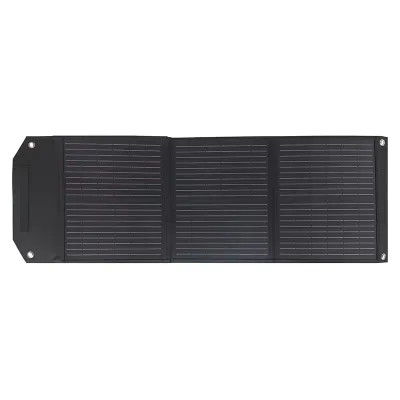


New Design 200W Foldable Solar Panel 180W Portable Folding Solar Panel Fold
$118.00 - $124.00
MOQ: 10 Pieces


New Design OEM Service High Efficiency 100W 120W 200W Foldtable Solar Charger
$75.00 - $83.00
MOQ: 10 Pieces


540W Flexible Foldble Mono Solar Panel High Quality Portable Solar Panel
$116.00 - $196.00
MOQ: 50 Pieces


Comprehensive Sourcing Guide
Foldable Quick Charging Solar Panel Sourcing Guide
Procuring foldable quick charging solar panels requires distinguishing between rigid industrial units and portable, flexible solutions designed for mobile applications. The observed market data indicates a clear split between products intended for light industry and those specifically engineered for car chargers, mobile phones, and laptops. Buyers must carefully align their procurement needs with the specific application context, as the "Light Industry" designation often implies different durability requirements compared to the "Portable" flexibility needed for outdoor or travel scenarios.
The product landscape includes diverse configurations ranging from 15W to 200W capacities, with specific models featuring working voltages of 5V or 15V to match various device charging standards. While some listings highlight a 25-year warranty for stationary or heavy-duty use, others offer shorter warranty periods under five years for portable units. This variance necessitates a rigorous review of the product model numbers and standard specifications to ensure the selected unit meets the specific power delivery and longevity expectations of the intended end-user market.
Product Scope and Observed Listing Signals
Buyers should verify the physical dimensions and weight constraints, as observed listings show significant variation from compact 0.385kg units to heavier 1.35kg panels with folding sizes of 42x28x3.4cm. The material composition is predominantly monocrystalline silicon, which generally offers higher efficiency, yet the conversion efficiency ratings in the data range from 15W output to 20%-25% efficiency depending on the specific model. Understanding these physical and performance metrics is critical for determining if the panel fits within the logistical constraints of the target distribution channel.
Packaging and accessory inclusion are also key differentiators, with some units supplied in color boxes or double blisters while others use carton packages with wooden pallets for bulk shipping. The presence of accessories like charger adapters and the absence of LED indicators in certain models further define the user experience and final assembly requirements. Procurement teams must confirm whether the "Box" or "Carton" packaging aligns with their retail presentation needs and whether the included accessories are sufficient for immediate deployment without additional sourcing.
Technical Specifications to Verify
Technical due diligence must focus on the working voltage and current parameters, as the data specifies 5V at 2.2A for smaller units and 15V for higher capacity models. The number of cells, observed at 72pcs for certain rigid configurations, directly impacts the power generation capability and must be matched against the load requirements of the devices intended for charging. Buyers should request detailed electrical schematics to confirm that the Vmp and Imp values remain stable under varying light conditions, ensuring the "quick charging" capability is not compromised by voltage drops.
Physical robustness and flexibility are equally critical, particularly for portable applications where the panel must withstand repeated folding and unfolding. The observed bag material of PVC Black 600d suggests a focus on durability for outdoor use, yet the specific folding size and net weight must be validated against the user's portability requirements. Verification of the panel size, such as the 409 mm x 284.5 mm x 35.6 mm dimension, ensures compatibility with existing mounting systems or carrying cases, preventing integration issues during the final product assembly phase.
Compliance and Safety Documentation
Compliance verification is essential given the diverse certification landscape observed, which includes CE, CB, ISO, TUV, RoHS, CTIA, GOST-R, and SASO. Buyers must ensure that the specific model they intend to purchase carries the certifications required for their target export markets, as a product certified for the Global Market may lack specific regional approvals like GOST-R for Russia or SASO for Saudi Arabia. Relying on a generic certification claim without verifying the specific model number against the certificate database can lead to customs delays or market rejection.
Safety documentation should also address the electrical standards applicable to the product's voltage and power output, particularly for devices charging sensitive electronics like laptops and mobile phones. While IEC 62133 is a trusted category standard for battery safety, the provided data does not explicitly confirm its application to every listed item, so buyers must request explicit test reports confirming compliance with relevant international safety standards. This step is vital to mitigate liability risks and ensure that the solar panels meet the rigorous safety expectations of end consumers in regulated markets.
Cost Drivers and Commercial Terms
Cost structures are heavily influenced by the customization options and the scale of the order, with observed MOQs ranging from 5 units to 350,000 units. The availability of OEM/ODM services allows for branding and specification adjustments, but these customizations often incur additional costs and extend the delivery time, which is observed to be around 40 days for certain configurations. Buyers must balance the desire for tailored solutions against the budget constraints and the urgency of the supply chain requirements.
Pricing volatility is a significant factor, with observed listing prices spanning from $0.08 to $200, reflecting the vast difference between small 15W chargers and larger 200W industrial panels. The net weight and packaging type, such as wooden pallets versus simple boxes, also impact shipping costs, which can be substantial for heavy or bulky items. Procurement teams should negotiate based on the total landed cost rather than just the unit price, factoring in the lead time and the specific packaging requirements to avoid unexpected expenses during the logistics phase.
Supplier Qualification and Quality Control
Supplier qualification should prioritize manufacturers who demonstrate a clear track record in producing monocrystalline silicon panels with the specific certifications required for the target market. The observation of "New" condition products and the availability of customization suggest a mature supply chain, yet buyers must verify the supplier's ability to maintain consistent quality across different production batches. Requesting samples that match the exact model number and standard specifications is a necessary step to validate the supplier's claims before committing to a large order.
Quality control protocols must include rigorous testing of the folding mechanisms and the durability of the PVC bag material to ensure the product withstands repeated use. The warranty terms, which vary from less than five years to 25 years, serve as a strong indicator of the manufacturer's confidence in their product longevity. Buyers should establish clear acceptance criteria for defect rates and ensure that the supplier has a robust process for handling warranty claims, particularly for products intended for the Global Market where after-sales support is critical.
Long-Term Procurement Checks
Long-term procurement strategies must account for the potential obsolescence of specific model numbers and the evolution of charging standards for mobile devices and laptops. The observed product models, such as T802-0029 and HPSFSPC50W15V01, represent specific configurations that may change over time, requiring buyers to maintain a flexible relationship with suppliers who can adapt to new technology requirements. Regular audits of the supplier's production capabilities and certification renewals are essential to ensure continued compliance with evolving international standards.
Supply chain resilience is another critical factor, as the 40-day lead time observed for certain items may fluctuate based on raw material availability or geopolitical factors. Buyers should develop contingency plans that include alternative suppliers or safety stock levels to mitigate the risk of delays, especially for products with high demand in the Light Industry or portable sectors. Continuous monitoring of market trends and supplier performance metrics will help maintain a competitive edge and ensure a steady supply of high-quality foldable solar panels.
FAQs
What certifications are available for these solar panels?
Certifications include CE, CB, ISO, EST, TUV, RoHS, CTIA, GOST-R, and SASO. These vary by specific model and manufacturer. Buyers should verify the exact certificate list for their target market to ensure compliance with local electrical and safety regulations before placing orders.
Can I customize the solar panel specifications?
Yes, customization is available for many models. OEM and ODM services are acceptable for tailored designs. Buyers can request specific dimensions, output voltages, or packaging options. This flexibility allows for brand integration and specific application requirements in light industry or portable device charging scenarios.
What is the typical delivery time for orders?
The standard delivery time is approximately 40 days. This lead time applies to bulk manufacturing and shipping processes. Buyers should account for this duration when planning inventory. Expedited options may vary by supplier, so confirming the exact timeline during negotiation is essential for supply chain management.
What is the warranty period for these products?
Warranty periods vary, with some models offering up to 25 years. Others may have warranties under 5 years depending on the product type and manufacturer. Buyers must check the specific warranty terms for each item. Longer warranties often indicate higher durability and manufacturer confidence in product quality.
What is the minimum order quantity for these panels?
The minimum order quantity ranges from 5 to 350,000 units. This wide range accommodates both small sample orders and large industrial batches. Buyers should select suppliers based on their required volume. Lower MOQs are suitable for testing, while higher volumes may qualify for better pricing tiers.
What materials are used in the solar panels?
Monocrystalline silicon is the primary material used for the solar cells. This material offers high conversion efficiency and durability. Some portable models may use PVC black 600d bag material for protection. The choice of material impacts the panel's weight, flexibility, and overall performance in various environmental conditions.
Where are these solar panels manufactured?
These products originate from China, with specific manufacturing hubs in Guangdong. This location is a major center for electronics and solar component production. Buyers can leverage this supply chain for competitive pricing and rapid production. Verifying the exact factory location ensures transparency and helps assess logistical advantages for shipping.