Source PV Bolt for Roof, Ground, and Home Installations
Compare 30 PV Bolt options from verified suppliers in China. Buyers can evaluate specifications like wind load, material, and certifications to find suitable solutions for roof, ground, and home solar mounting systems; compare the available evidence and request quotations based on your requirements.
Key considerations
Products List


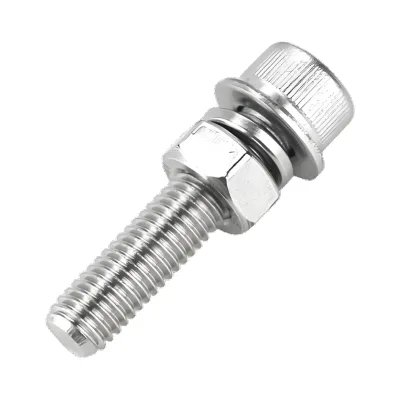
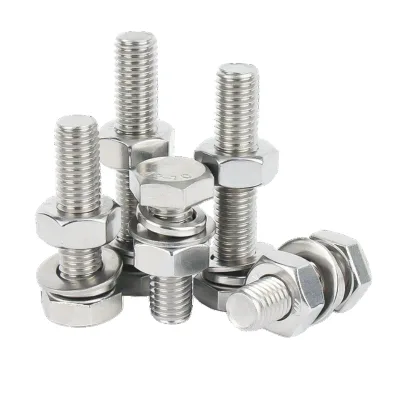
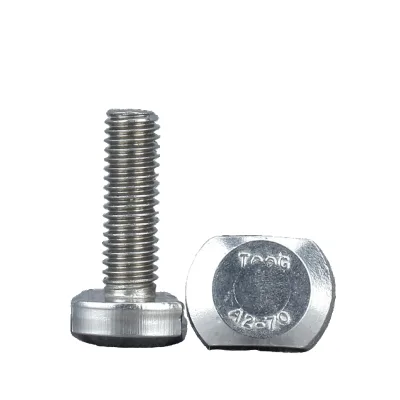


Comprehensive Sourcing Guide
PV Bolt Sourcing Guide
The global market for PV bolts presents a diverse range of components designed for specific mounting configurations, from ground brackets to roof systems. Buyers must distinguish between general fasteners and specialized solar hardware, as the supplied data indicates models like LHT-OM-08 and EG-HB01 serve distinct structural roles. Understanding these variations is critical before initiating a procurement cycle, as the application site dictates the necessary load-bearing capacity and material selection.
Sourcing decisions should prioritize the specific environmental conditions of the installation site, such as open fields or residential roofs. The observed listings reveal products engineered for high wind loads up to 60m/s and snow loads of 1.4kN/M2, which are essential for durability in harsh climates. Procurement teams must verify that the selected bolt system aligns with the intended mounting type, whether it is a ground bracket or a roof-mounted solution, to ensure structural integrity over the projected lifespan.
Product Scope and Observed Listing Signals
Buyers should analyze the observed product attributes to confirm the physical characteristics match their project requirements. The market data shows a prevalence of stainless steel and SUS304 materials, often treated with hot-dip galvanization or anodization to resist corrosion. These surface treatments are vital for maintaining the integrity of the connection points in outdoor environments where exposure to moisture and UV radiation is constant.
The packaging and shipping specifications vary significantly across different suppliers, ranging from cartons to steel pallets and bundles secured by steel wire rods. This variation impacts logistics planning and on-site handling procedures, requiring buyers to clarify the exact packing method before finalizing orders. Additionally, the availability of customization and sample units allows for precise verification of dimensions and fit before committing to large-scale production runs.
Technical Specifications to Verify
Technical due diligence must focus on the precise dimensional standards and mechanical properties of the fasteners. The observed specifications include standard sizes such as M10 with lengths ranging from 150mm to 300mm, which must be cross-referenced with the specific panel and rail dimensions of the solar array. Buyers should verify that the connection type, described as a common bolt, is compatible with the existing mounting hardware to prevent assembly errors.
Load-bearing capabilities are a primary technical concern, with some listings explicitly stating wind and snow load tolerances. It is essential to confirm that the selected product meets the structural requirements for the specific installation site, whether it is a ground-mounted system or a roof application. The duration of the product, often cited as a 25-year life time, should be validated against the expected environmental stressors to ensure long-term reliability without premature failure.
Compliance and Safety Documentation
Compliance verification requires a thorough review of the certifications listed for each product batch. The observed data includes a wide array of standards such as CE, CB, ISO, TUV, GB, and specific solar industry reports like AS/NZS 1170 and Gamcorp. Buyers must ensure that the documentation provided by the supplier matches the regulatory requirements of the destination country to avoid customs delays or legal liabilities.
Safety performance is another critical documentation area, with products often described as having stable safety characteristics. Procurement teams should request specific test reports, such as those from SGS or Intertek, to validate the claims regarding wind and snow load resistance. Without these verified documents, the risk of structural failure increases, potentially leading to costly repairs or safety hazards at the installation site.
Cost Drivers and Commercial Terms
Cost structures for PV bolts are heavily influenced by material choices and surface treatment processes. Stainless steel and SUS304 materials generally command higher prices than standard carbon steel, while hot-dip galvanization adds significant value through enhanced corrosion resistance. Buyers should evaluate the total cost of ownership rather than just the unit price, considering that higher-quality finishes may reduce maintenance costs over the 25-year operational life of the solar farm.
Commercial terms such as Minimum Order Quantity (MOQ) and lead times vary widely, with observed ranges spanning from 1 to 5000 units. The flexibility of customization services and the availability of samples can also affect the overall procurement timeline and budget. Suppliers may offer different pricing tiers based on volume, so negotiating clear terms regarding payment schedules and delivery schedules is essential for managing cash flow effectively.
Supplier Qualification and Quality Control
Supplier qualification should begin with verifying the origin and manufacturing capabilities of the vendor. The data indicates that many suppliers are located in regions like Xiamen, Fujian, and China, which are known hubs for solar mounting hardware. Buyers should assess the supplier's ability to meet specific standards, such as environmental friendliness and company-specific quality protocols, to ensure consistent product delivery.
Quality control processes must be rigorously defined to maintain the high standards expected in the solar industry. The observed listings mention attributes like "High" quality and "Stable" safety performance, but these claims require independent verification through factory audits or third-party inspections. Establishing a clear quality assurance framework that includes sample testing and batch inspections will help mitigate the risk of receiving substandard components that could compromise the entire solar installation.
Long-Term Procurement Checks
Long-term procurement strategies should focus on the durability and lifecycle support of the PV Bolt systems. Buyers need to ensure that the selected products maintain their structural integrity and corrosion resistance over the projected 25-year lifespan of the solar project. Regular checks on the condition of the fasteners during maintenance cycles are necessary to identify any signs of wear or degradation that could affect the system's performance.
Sourcing relationships should be built on the ability of suppliers to provide consistent quality and support over time. The availability of OEM services and customization options suggests that suppliers can adapt to changing project requirements or design modifications. Establishing a reliable supply chain with clear communication channels ensures that replacement parts or additional components can be sourced quickly if needed, minimizing downtime and operational disruptions.
FAQs
What certifications are available for pv bolts?
Certifications such as CE, CB, ISO, TUV, and GB are available for pv bolts. Some products also hold AS/NZS1170, Gamcorp, MCS, Intertek, or SGS test reports. These documents verify compliance with international safety and quality standards, ensuring the mounting hardware meets regulatory requirements for solar installations in various global markets.
Can pv bolts be customized for specific projects?
Yes, customization is available for pv bolts to meet specific project needs. Manufacturers offer OEM services and can adjust specifications according to customer requirements or company standards. This flexibility allows buyers to obtain tailored solutions that fit unique structural demands, ensuring optimal performance and compatibility with diverse solar panel mounting systems.
What material is used for high-quality pv bolts?
High-quality pv bolts are typically made from SUS304 stainless steel. This material provides excellent corrosion resistance and durability, which is essential for outdoor solar installations. The use of stainless steel ensures long-term stability and safety performance, protecting the mounting structure from environmental degradation and maintaining structural integrity over the system's lifespan.
How are pv bolts packaged for shipping?
Pv bolts are packaged in cartons, steel pallets, or bundles by steel wire rod. Some items use carton packages or pallets for secure transport. This varied packaging approach ensures protection during logistics, preventing damage to the hardware. Buyers can choose packaging options that best suit their shipping volume and handling requirements for efficient delivery to installation sites.
What is the typical origin of pv bolts?
Pv bolts typically originate from Xiamen or Fujian, China. These regions are known for manufacturing solar mounting components. Sourcing from these locations allows buyers to access a wide range of products, including ground brackets and roof mounting systems. The concentration of suppliers in these areas facilitates efficient procurement and competitive pricing for global solar projects.
What surface treatments are applied to pv bolts?
Surface treatments include hot-dip galvanized, anodized, and sandblasted finishes. Some products feature a plain surface. These treatments enhance corrosion resistance and aesthetic appeal, ensuring the bolts withstand harsh environmental conditions. The choice of surface treatment depends on the installation site, such as open fields or roof mounts, to maximize durability and longevity of the solar structure.