Source anti-corrosion z shape metal profile for Hotels, Homes, and Offices
Find 30 verified listings for anti-corrosion z shape metal profile suitable for hotel, home, and office applications. Buyers can compare customized dimensions, surface treatments, and packaging options from multiple suppliers in China.
Key considerations
Products List
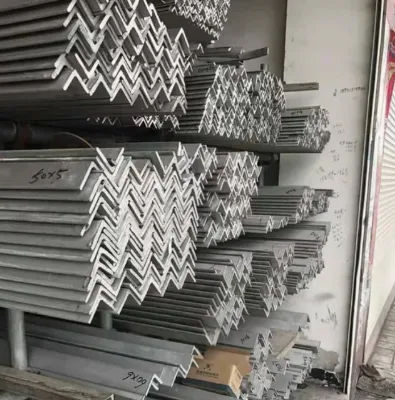


Premium Z-Shape Steel Profiles for Reliable Structural Integrity
$49.00 - $55.00
MOQ: 100 Square Meters

Versatile Z-Shape Steel Profiles for Custom Fabrication Projects
$49.00 - $55.00
MOQ: 100 Square Meters

Versatile Z-Shape Steel Profiles for Custom Fabrication Projects
$49.00 - $55.00
MOQ: 100 Square Meters

Versatile Z-Shape Steel Profiles for Custom Fabrication Projects
$49.00 - $55.00
MOQ: 100 Square Meters


Comprehensive Sourcing Guide
Strategic Sourcing Guide for Anti-Corrosion Z Shape Metal Profiles
Procuring specialized metal profiles, specifically those designed with an anti-corrosion Z shape, requires a rigorous approach that balances technical performance with supply chain reliability. In the global B2B market, these components are critical for structural integrity in environments where moisture, chemical exposure, or harsh weather conditions are prevalent. The Z shape geometry offers distinct advantages in load distribution and interlocking capabilities, making it a preferred choice for flooring transitions, edge protection, and structural framing. However, the term "anti-corrosion" is not a monolithic standard; it encompasses various material compositions and surface treatments that must be carefully validated against specific project requirements. This guide outlines the essential factors for sourcing these profiles, drawing on verified market data and technical specifications to ensure procurement success.
Technical Specifications and Material Composition
The foundation of a successful procurement strategy lies in understanding the precise technical specifications of the product. For Z shape metal profiles, the material composition is the primary determinant of anti-corrosion performance. Market observations indicate that profiles are frequently manufactured from materials such as PVC-coated metals or stainless steel, though aluminum extrusions are also common in specific applications. The thickness of the profile is a critical variable, with standard ranges observed between 0.4mm and 3mm, or fully customized to meet structural demands. Buyers must verify that the selected thickness aligns with the load-bearing requirements of the intended application, whether it is for light-duty tile trimming or heavy-duty industrial framing.
The surface treatment process is equally vital for ensuring longevity. Verified data suggests that profiles undergo treatments such as polishing, brushing, powder coating, or anodizing. Each of these processes offers different levels of protection. For instance, powder coating provides a robust barrier against chemical corrosion, while anodizing is particularly effective for aluminum profiles, enhancing surface hardness and resistance to oxidation. The "Z" geometry itself must be precise; deviations in the angle or flange width can compromise the interlocking mechanism, leading to installation failures. Specifications often allow for customization in length, with standard offerings ranging from 2.5m to 2.7m, but the ability to order customized lengths is a standard capability in the supply chain. Buyers should explicitly request dimensional drawings to confirm that the Z profile meets the exact tolerances required for their specific assembly.
Compliance and Certification Verification
In the realm of industrial and construction materials, compliance with international standards is non-negotiable. When sourcing anti-corrosion Z profiles, buyers must demand evidence of certification that validates both the material quality and the manufacturing process. Common certifications observed in the market include CE marking, which indicates conformity with health, safety, and environmental protection standards for products sold within the European Economic Area. Additionally, ISO 9001 certification is a standard benchmark for quality management systems, ensuring that the supplier maintains consistent production processes.
However, the presence of a certification label does not guarantee that every batch of products meets the claimed standard. Buyers should verify that the certification applies specifically to the anti-corrosion properties of the Z profile. Some suppliers may list standards such as "SGS" or "Customized to meet your requirements," which requires further clarification. It is essential to request the specific test reports associated with these certifications, particularly those detailing salt spray testing results for corrosion resistance. The standard "101010" or "5x5x20" mentioned in some product listings likely refers to specific dimensional or testing parameters, but these should be cross-referenced with the actual project specifications. Without clear documentation linking the certification to the anti-corrosion performance, the risk of purchasing substandard materials increases significantly.
Cost Drivers and Pricing Dynamics
Understanding the cost drivers for Z shape metal profiles is essential for budgeting and negotiation. The price of these components is not static; it fluctuates based on material costs, surface treatment complexity, and order volume. Market data indicates a wide price range, observed from as low as $0.37 to as high as $3,800 per unit or batch, depending on the scale and customization level. This variance highlights the importance of defining the scope of the project clearly. A simple, standard-sized aluminum profile with a basic powder coating will be significantly less expensive than a custom-sized stainless steel profile with a specialized anti-corrosion alloy and a complex surface finish.
The Minimum Order Quantity (MOQ) is another significant factor influencing unit cost. Observed MOQs range from 1 unit to 1,000 units. Suppliers often offer tiered pricing structures where the unit price decreases as the order volume increases. For projects requiring large quantities, negotiating an MOQ of 1,000 units can yield substantial savings. Conversely, for prototyping or small-scale renovations, buyers may need to accept higher unit costs for smaller batches. Additionally, customization fees can impact the final price. While many suppliers offer "Customized" dimensions and colors, these bespoke requests often incur additional setup costs and longer lead times. Buyers should request a detailed cost breakdown that separates material costs, processing fees, and customization charges to ensure transparency in the pricing structure.
Typical Applications and Design Integration
The versatility of Z shape metal profiles allows them to be utilized across a diverse range of applications. In the construction and interior design sectors, these profiles are frequently employed as tile trims, providing a clean, finished edge to flooring installations. The "L Shape" and "Z Shape" variants are particularly effective in managing transitions between different floor levels or materials, such as tile to carpet or tile to wood. The anti-corrosion feature is crucial in wet areas like bathrooms, kitchens, and outdoor patios, where moisture exposure is constant.
Beyond flooring, these profiles serve as structural elements in modern design styles. The "Modern" design aesthetic often favors the sleek, linear appearance of metal trims, which can be customized in color to match or contrast with the surrounding architecture. Suppliers indicate that these profiles are suitable for high-traffic commercial environments, including hotels and public buildings, where durability is paramount. The "Project Solution Capability" offered by many manufacturers, such as 3D model design and total project solutions, suggests that these profiles can be integrated into complex architectural designs. Buyers should evaluate whether the supplier can provide the necessary design support to ensure the Z profile fits seamlessly into the overall project plan, particularly when dealing with non-standard angles or custom lengths.
Supplier Evaluation and Capability Assessment
Selecting the right supplier is as critical as selecting the right product. A robust supplier evaluation process should go beyond price and lead time to assess the manufacturer's technical capabilities and reliability. Key attributes to look for include "OEM Service Offered" and "Project Solution Capability," which indicate that the supplier can tailor products to specific client needs and provide comprehensive support. The ability to offer "Cross Categories Consolidation" is a significant advantage, as it allows buyers to source multiple related components from a single source, simplifying logistics and reducing administrative overhead.
Geographic location also plays a role in supplier selection. While many manufacturers are based in China, specifically in regions like Jiaxing, Zhejiang, and Guangdong, the specific location can impact shipping costs and lead times. Buyers should verify the "prod_origin" to ensure it aligns with their logistical requirements. Furthermore, the availability of "Online Technical Support" and "Return and Replacement" services is a strong indicator of a supplier's commitment to customer satisfaction. A supplier that offers "Onsite Installation" and "Onsite Training" adds significant value, particularly for complex projects where proper installation is critical to the performance of the anti-corrosion profile.
Quality Control and Long-Term Procurement Considerations
Quality control must be embedded throughout the procurement lifecycle, from the initial sample approval to the final delivery. The "Sample" process is a critical step; many suppliers offer "Samples Provided" or even "Provide Freely Sample" to allow buyers to verify the quality of the anti-corrosion coating and the precision of the Z shape before committing to a large order. Buyers should inspect these samples for surface defects, dimensional accuracy, and the integrity of the coating. The "Single Gross Weight" and "Single Package Size" data, such as 5.000kg and 100X5X10cm, are useful for planning logistics and ensuring that the packaging is robust enough to protect the profiles during transit.
For long-term procurement, buyers should consider the supplier's ability to maintain consistency over time. The "Delivery Time" typically ranges from 7 to 20 days, but this can vary based on order volume and customization requirements. Establishing a reliable supply chain involves building a relationship with a supplier who can consistently meet these timelines. Additionally, the "After-Sale Service" provided by the supplier, including technical support and replacement policies, is a key factor in mitigating long-term risks. Buyers should ensure that the contract includes clear terms for handling defects or performance issues that may arise after installation. By prioritizing suppliers with strong quality control measures and comprehensive after-sales support, buyers can ensure the longevity and reliability of their anti-corrosion Z shape metal profiles.
Comparative Analysis of Profile Attributes
To facilitate decision-making, the following table summarizes key attributes observed in the market for Z shape metal profiles. This comparison helps buyers identify the specific features that align with their project needs.
| Attribute | Standard Observation | Customization Option | Relevance to Anti-Corrosion |
|---|---|---|---|
| Material | PVC, Stainless Steel, Aluminum | Available | Determines base resistance |
| Thickness | 0.4mm ~ 3mm | Customized | Affects structural durability |
| Surface Treatment | Polished, Brushed, Powder Coated | Available | Critical for corrosion barrier |
| Certification | CE, ISO9001, SGS | Customized | Validates quality standards |
| Length | 2.5m, 2.7m | Customized | Impacts installation efficiency |
| Packaging | Wooden Box, Carton, Pallet | Available | Ensures protection during transit |
| Origin | China (Zhejiang, Guangdong) | N/A | Influences logistics and cost |
This structured approach to sourcing ensures that buyers can navigate the complexities of the market with confidence, selecting products that meet both immediate technical requirements and long-term performance goals. By focusing on verified specifications, rigorous certification checks, and comprehensive supplier evaluation, organizations can secure high-quality anti-corrosion Z shape metal profiles that deliver value and reliability.
FAQs
What materials are used for anti-corrosion z shape metal profiles?
Profiles are commonly made from PVC, stainless steel, or aluminum. Buyers should verify the specific material composition against project requirements, as thickness ranges from 0.4mm to 3mm and surface treatments like powder coating enhance corrosion resistance.
Can I customize the length and dimensions of these profiles?
Yes, length and dimensions can be customized to meet specific drawing requirements. Standard lengths often range from 2.5m to 2.7m, but suppliers offer bespoke options including custom thicknesses and colors to fit unique architectural designs.
Which certifications ensure the quality of these metal profiles?
Common certifications include CE, ISO 9001, and SGS standards. Buyers must request specific test reports to validate anti-corrosion performance, as some listings may only indicate general compliance without detailed corrosion resistance data.
How long does delivery take for customized orders?
Delivery times typically range from 7 to 20 days depending on order volume and customization. Suppliers with OEM capabilities may require longer lead times for complex surface treatments or non-standard dimensions compared to stock items.
What are the typical packaging methods for these profiles?
Profiles are often packed in wooden boxes, export cartons, or on pallets with strapping. Packaging can be customized, with standard options including 100 pieces per export carton or specific wooden case packaging for protection during transit.
Do suppliers offer samples for quality verification before bulk orders?
Yes, many suppliers provide samples, sometimes freely, to verify surface treatment and dimensions. Buyers should inspect these samples for coating integrity and precise Z-shape geometry before committing to large-scale procurement contracts.
What after-sales services are available for these metal profiles?
Services often include online technical support, return and replacement policies, and onsite installation training. Buyers should confirm the availability of these support channels to ensure long-term reliability and proper installation of the profiles.