Source Anti Corrosive Pph Diaphragm Valve for Water, Acid, and Flow Control
Find and compare 30 Anti Corrosive Pph Diaphragm Valve options from China. These valves support manual and pneumatic actuation, featuring EPDM or PTFE diaphragms for low-pressure water and acid applications. Compare specifications across DIN, JIS, and ANSI standards to select the right flow control solution.
Key considerations
Products List


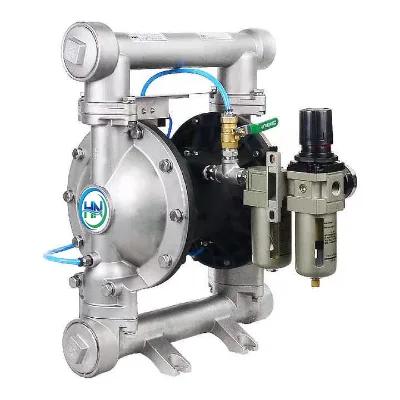
Stainless Steel Pneumatic Diaphragm Valve for Conveying Corrosive Liquids
$15.00 - $180.00
MOQ: 10 Pieces




Comprehensive Sourcing Guide
Anti Corrosive Pph Diaphragm Valve Sourcing Guide
Procuring anti-corrosive PPH diaphragm valves requires a precise understanding of material compatibility, actuation methods, and connection standards to ensure system integrity. Polypropylene homopolymer (PPH) is selected for its exceptional resistance to a wide range of acids and chemical media, making it a critical component in wastewater treatment, chemical processing, and semiconductor manufacturing environments. Buyers must navigate a market where specifications vary significantly, from manual handwheel operations to intelligent, field-bus-enabled pneumatic actuators. The following guide provides evidence-based procurement strategies to help sourcing teams evaluate listings, verify technical compliance, and mitigate supply chain risks associated with these specialized fluid control devices.
Product Scope and Observed Listing Signals
The current market for PPH diaphragm valves presents a diverse array of configurations, with observed price points ranging from $0.99 to $2,000 USD and minimum order quantities (MOQs) typically spanning from 1 to 20 units. This wide variance in pricing and volume requirements reflects the spectrum from basic manual valves to complex, electronically controlled units. Buyers should interpret these signals as indicators of customization levels and actuator sophistication rather than direct indicators of quality alone. A lower price point often correlates with standard manual operation and basic EPDM or soft rubber diaphragms, while higher price tiers may include intelligent controllers, PTFE/PFA diaphragms, or specialized pneumatic actuators designed for automated process control.
Listing attributes reveal that these valves are primarily designed for flow control, safety isolation, and in some cases, temperature control and drainage. The media compatibility is explicitly noted for water and acid applications, confirming the suitability of PPH for corrosive environments. However, buyers must carefully cross-reference the listed media compatibility with their specific chemical concentrations and temperatures, as "acid" is a broad category. The observed flow direction attributes, including bidirectional and reversing options, suggest that valve orientation and installation geometry are critical decision points. Procurement teams should verify whether the specific model supports the required flow dynamics for their piping layout, particularly in systems where backflow prevention or multi-directional flow is necessary.
Technical Specifications to Verify
Material composition is the primary technical differentiator for these valves, with the valve body constructed from PPH and diaphragms available in various elastomers and fluoropolymers. Common diaphragm materials observed include EPDM, FPM, FEP, PFA, and PTFE, each offering distinct chemical resistance and temperature tolerance profiles. Buyers must verify the specific diaphragm material against their process fluid to prevent premature failure. For instance, while PPH provides robust structural resistance to acids, the diaphragm material determines the seal integrity and lifespan under continuous exposure. Soft rubber diaphragms may be suitable for general water treatment, whereas aggressive chemical services often require PTFE or PFA for superior chemical inertness and thermal stability.
Pressure and temperature ratings are critical verification points, as listings indicate a range from low pressure to ordinary pressure, and temperatures from ordinary to low temperature, with specific working ranges noted as -10°C to 80°C for some models. Buyers must ensure that the selected valve’s pressure class, such as PN10 or PN16, aligns with the system’s maximum operating pressure, including surge pressures. The connection types vary significantly, including welded diaphragm connections, flanged connections, and specific size standards like DN15-DN300 or 1/2"-2". It is essential to confirm that the valve’s connection standard, whether DIN, JIS, GB, ANSI, or BSW, matches the existing piping infrastructure to avoid costly retrofitting or custom adapter fabrication.
Compliance and Safety Documentation
Standards compliance is a foundational requirement for industrial valve procurement, with observed standards including DIN, JIS, GB, ANSI, and ISO. Buyers must verify that the supplier provides documentation confirming adherence to the specific standard required by their regional regulations or internal engineering specifications. For example, projects in Europe may require strict DIN compliance, while those in the Americas might prioritize ANSI standards. The presence of multiple standard references in a single listing does not guarantee that every model meets all listed standards; therefore, buyers should request specific test certificates or material test reports (MTRs) that validate the valve’s compliance with the relevant pressure equipment directives or industry-specific codes.
Safety and operational documentation should include detailed instructions for actuator installation, diaphragm replacement, and maintenance procedures. For intelligent or field-bus-enabled valves, buyers must ensure that the supplier provides comprehensive communication protocols, such as Profibus or Foundation Fieldbus, to integrate the valve into existing control systems. Additionally, safety data sheets (SDS) for the valve materials, particularly the diaphragm and body components, should be requested to assess any potential leaching or degradation risks in sensitive applications. Buyers should also verify that the valve’s design, whether roof type, global, or through-way, meets the specific safety isolation requirements of their process, ensuring that the valve can effectively shut off flow in emergency situations.
Cost Drivers and Commercial Terms
The cost of PPH diaphragm valves is influenced by several key factors, including the actuator type, diaphragm material, and connection standard. Manual valves with EPDM diaphragms are generally the most cost-effective, while pneumatic or intelligent actuators with PTFE diaphragms command a premium due to the complexity of manufacturing and the higher cost of raw materials. Buyers should analyze the total cost of ownership, considering not just the initial purchase price but also the potential savings from reduced maintenance and longer service life offered by higher-quality diaphragm materials. The observed MOQ range of 1-20 units suggests flexibility for small-scale projects, but bulk purchases may offer significant discounts, which should be factored into the procurement budget.
Packing and shipping terms also impact the final landed cost, with observed packing methods including carton, plywood case, and standard export packaging. For international shipments, buyers should verify that the packaging is suitable for protecting the valve from damage during transit, especially for valves with delicate actuators or precise connection threads. The origin of the products, primarily China, may offer competitive pricing, but buyers should account for potential tariffs, freight costs, and lead times in their commercial negotiations. Clear definition of Incoterms, such as FOB or CIF, is essential to avoid unexpected costs and ensure that the supply chain remains predictable and cost-effective.
Supplier Qualification and Quality Control
Supplier qualification for PPH diaphragm valves should focus on manufacturing capabilities, quality management systems, and after-sales support. Buyers should verify that the supplier has a robust quality control process, including incoming material inspection, in-process testing, and final performance checks. Requesting evidence of ISO 9001 certification or similar quality management standards can provide assurance that the supplier follows consistent manufacturing practices. Additionally, buyers should inquire about the supplier’s ability to provide customization, as many listings indicate that customization is available for specific pressure ratings, connection types, or actuator configurations.
Quality control should also extend to the verification of material certificates and batch traceability. Buyers should require that each valve is accompanied by a certificate of conformity that details the material composition, pressure test results, and dimensional accuracy. For critical applications, third-party inspection services may be warranted to verify that the delivered valves meet the specified technical requirements. Buyers should also assess the supplier’s responsiveness to technical queries and their ability to provide timely support for installation and troubleshooting, as this can significantly impact the operational efficiency of the procurement project.
Long-Term Procurement Checks
Long-term procurement success depends on establishing a reliable supply chain that can adapt to changing process requirements and market conditions. Buyers should conduct periodic reviews of supplier performance, focusing on delivery reliability, product consistency, and technical support quality. Maintaining a diversified supplier base can mitigate the risk of supply disruptions, especially for specialized valves with longer lead times. Additionally, buyers should stay informed about advancements in diaphragm materials and actuator technologies, as these innovations can offer improved performance and cost savings over time.
Regular audits of installed valves can help identify potential issues early, such as diaphragm wear or actuator malfunction, allowing for proactive maintenance and replacement. Buyers should establish a spare parts inventory strategy, ensuring that critical components like diaphragms and actuators are readily available to minimize downtime. By maintaining a close relationship with suppliers and staying engaged with technical developments, procurement teams can ensure that their PPH diaphragm valve installations remain efficient, safe, and cost-effective over the long term.
FAQs
What materials are used for the valve body and diaphragm?
The valve body is constructed from PPH plastic, while the diaphragm is made of soft rubber or specialized fluoropolymers like EPDM, FPM, FEP, PFA, and PTFE. These materials ensure resistance against corrosive media such as water and acid for reliable flow control.
Which connection types are available for this diaphragm valve?
Available connection types include welded and flanged configurations designed for specific installation needs. The product supports standard sizes ranging from DN15 to DN300, accommodating various pipe dimensions while maintaining structural integrity under low or ordinary pressure conditions.
Can the valve operate with pneumatic or manual actuators?
Yes, the valve supports both manual and pneumatic actuation methods to suit different automation requirements. Manual options often feature handwheel control, while pneumatic versions enable automated flow and safety management for industrial applications involving temperature control or draining.
What standards do these valves comply with for international use?
These valves comply with multiple international standards including DIN, JIS, GB, ANSI, BSW, and ISO. This compliance ensures compatibility with global piping systems and facilitates export, with packaging options available in cartons, plywood cases, or standard export configurations.
How does the valve handle corrosive media like acid?
The valve is specifically designed to handle corrosive media such as acid through its PPH body and chemically resistant diaphragm materials. It functions effectively for flow control, safety, and draining applications within a working temperature range of -10 to 80 degrees Celsius.
What is the typical price range for these valves?
The observed price range for these valves spans from 0.99 to 2000 USD depending on specifications and customization. Prices vary based on factors such as size, actuator type, and material selection, with minimum order quantities typically ranging between 1 and 20 units.