Find anti-pilling breathable boys jeans for school, play, and travel
Source 30 listings of anti-pilling breathable boys jeans with varying styles like slim and loose fits. Buyers can compare denim and cotton materials, wash processes, and specifications to find suitable options for children.
Key considerations
Products List


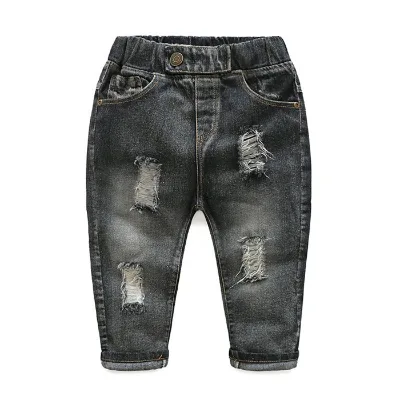
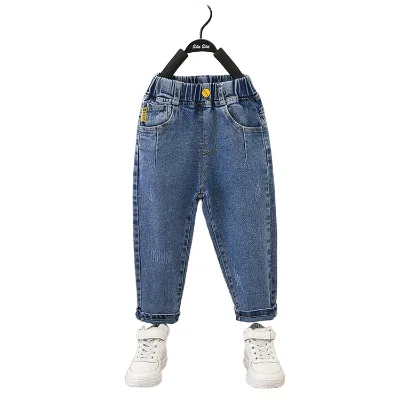
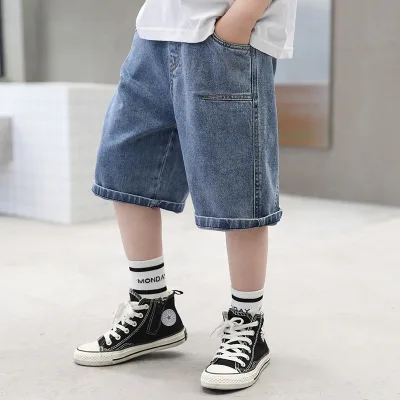
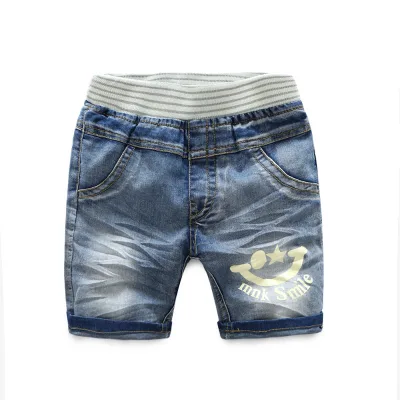
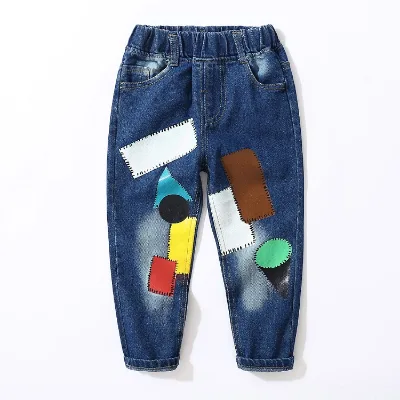
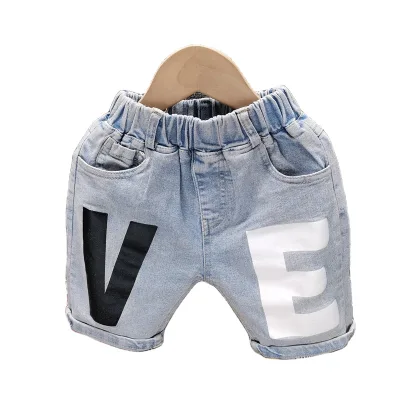


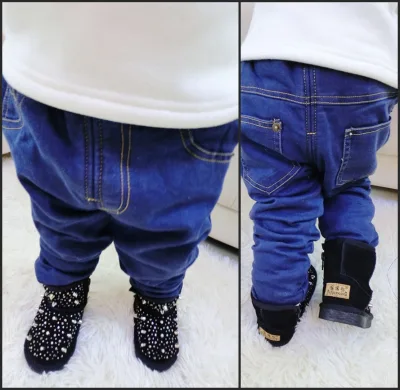
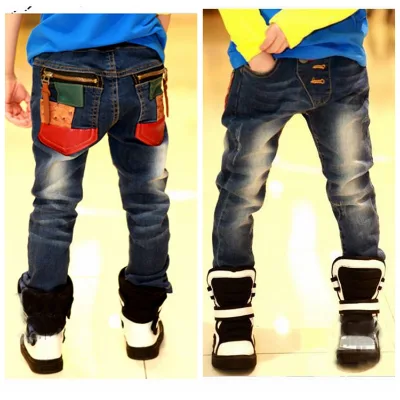
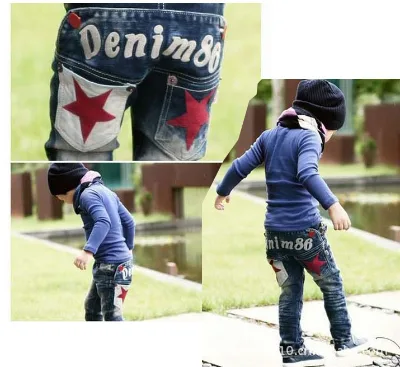
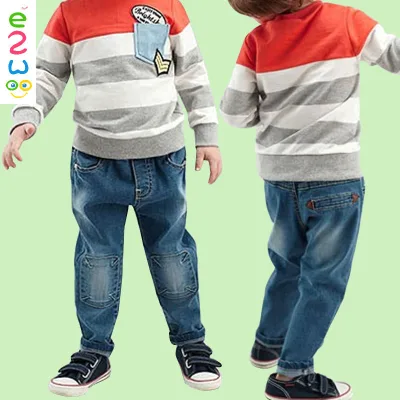
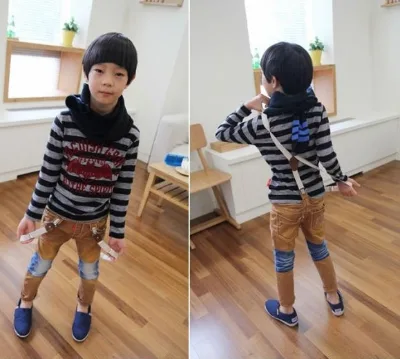
Children Boy Fashion Style Overall Braces Jeans In Wholesale Cheap Price
$6.11 - $10.19
MOQ: 5 Minimum
Comprehensive Sourcing Guide
Strategic Sourcing Guide for Anti-Pilling Breathable Boys Jeans
Understanding Product Attributes and Material Composition
When sourcing boys' jeans with a focus on anti-pilling and breathability, the primary objective is to identify garments that maintain structural integrity while offering comfort during active play. The market data indicates a diverse range of material compositions available for this category. While traditional denim is often cited as the baseline material, specific listings reveal the use of Cotton, Polyester Cotton Denim, and variations thereof. The presence of "Polyester Cotton Denim" is particularly relevant for buyers seeking enhanced durability and breathability, as the synthetic blend can often mitigate the pilling issues common in 100% cotton denim while improving airflow.
The construction of the trousers is equally critical. Observed specifications highlight a "Long" length category, with specific sub-variants such as "Long Pants" and "Ankle-Length Pants" available in the supply chain. The fit profiles vary significantly, with "Slim" and "Loose" models both appearing in the dataset. For boys' active wear, the "Loose" fit may offer superior breathability and freedom of movement, whereas the "Slim" profile might be preferred for a more tailored aesthetic. The trouser leg shape is another decisive factor; while "Straight" legs are common, "Bell Bottom" styles are also present, though they may be less practical for high-activity scenarios. Buyers must verify that the specific model selected aligns with the intended use case, ensuring the fabric weight and weave density support the "anti-pilling" claim through robust construction rather than just chemical treatments.
Technical Specifications and Fabric Performance
The technical performance of boys' jeans relies heavily on the weaving process and the subsequent wet processing techniques applied to the fabric. Data indicates that "Striped or Checked" weaving processes are utilized, which can influence the visual texture and potential for surface friction that leads to pilling. To achieve the desired breathability and aesthetic finish, manufacturers employ various wet processing methods. The observed list includes "Stone Wash," "Bleach Wash," "Monkey" washing, "Moustache Effect," and "Destroy" treatments. These processes are not merely decorative; they alter the hand feel and surface structure of the denim.
For instance, "Stone Wash" and "Bleach Wash" are standard methods to soften the fabric, which can enhance breathability by reducing the tightness of the weave surface. However, aggressive treatments like "Destroy" or "Monkey" washing can weaken the fiber structure if not controlled, potentially increasing the risk of pilling if the fiber quality is low. The "Water Washing" craft is also noted as a general category. Buyers should request detailed technical sheets that specify the fiber blend ratios, as the "Polyester Cotton Denim" combination is likely the most effective for balancing the anti-pilling requirement with the breathability needed for children's active wear. The standard dimensions provided, such as "16Inch * 12Inch * 1.5Inch," likely refer to packaging or sample specifications rather than garment dimensions, so physical verification of the garment's actual measurements is essential.
Compliance, Certification, and Safety Standards
In the realm of children's apparel, compliance is a non-negotiable aspect of the procurement process. The target keyword specifies "boys jeans," which falls under the "Children" age group and "Boy" gender category. This classification mandates strict adherence to safety standards regarding flammability, chemical content, and physical safety. While the provided data lists several ISO standards such as ISO 9001, ISO 14001, and ISO 45001, these are presented as background information and should not be assumed as guaranteed certifications for every listed product without verification.
Buyers must explicitly verify that the supplier holds valid certifications relevant to the destination market, such as CPSIA for the United States or EN 71 for Europe. The absence of specific certification data in the general product listing means that the procurement team must treat all compliance claims as unverified until confirmed. The "Supply Type" is noted as "In-Stock Items," which can sometimes complicate compliance verification if the stock is a mix of different production batches with varying quality controls. It is imperative to request current test reports for the specific batch being ordered. Furthermore, the "Dyed Color" options, including "White," require scrutiny for colorfastness and the absence of harmful azo dyes, which are strictly regulated in children's clothing. The "Standard" field in some listings shows "no," indicating a potential lack of formalized internal standards, which necessitates a more rigorous external audit of the manufacturing facility.
Cost Drivers and Pricing Dynamics
The pricing structure for boys' jeans is influenced by a complex interplay of material costs, processing complexity, and order volume. The observed price range in the market spans from 0.5 to 20 USD, a wide variance that reflects differences in quality, brand positioning, and the extent of processing. The "MOQ" (Minimum Order Quantity) ranges from 5 to 300 units, with a specific observation of 50 pcs for certain items. This variability allows for flexibility in procurement strategies, from small trial orders to larger volume purchases.
Several factors drive the cost within this range. First, the material composition is a primary driver; "Polyester Cotton Denim" may carry a different cost structure compared to pure "Cotton" or "Denim." Second, the wet processing techniques significantly impact the final price. Items requiring multiple wash cycles, such as "Stone Wash" combined with "Bleach Wash" and "Destroy" effects, incur higher labor and utility costs. The "Customization" attribute is available, which can add to the unit cost if specific branding, labeling, or unique design elements are requested. Additionally, the "Packing" method, whether "PE Bag/Carton" or "Sack," affects logistics costs. Buyers should analyze the total landed cost rather than just the unit price, considering that lower-priced items may require higher MOQs or have stricter lead times that impact inventory management.
Supplier Evaluation and Sourcing Channels
Evaluating suppliers for boys' jeans requires a focus on their ability to deliver consistent quality and adhere to the specific technical requirements of the product. The data indicates that the "Place of Origin" is primarily "China," with specific mentions of "Guangdong, China." This region is a major hub for textile manufacturing, offering a dense ecosystem of suppliers. However, the presence of multiple product models, such as CJ385, CJ386, CJ387, CJ354, CJ36, and various numeric codes like 832, 823, 843, 844, 822, and 824, suggests a large volume of SKUs that may come from different factories or production lines.
Buyers should prioritize suppliers who demonstrate transparency in their production capabilities. The "Customization" availability is a positive indicator, suggesting the supplier is willing to adapt to specific buyer requirements. However, the "Supply Type" being "In-Stock Items" implies that the supplier may also act as a distributor. In such cases, the buyer must ensure that the in-stock items meet the anti-pilling and breathability standards, as these items may have been produced for a different market or specification. The "Craft" of "Water Washing" and the specific "Wet Processing" steps should be verified against the supplier's actual process capability. A robust supplier evaluation should include a review of their quality control protocols, their response to customization requests, and their ability to provide samples that match the "Long" length and specific fit profiles observed in the data.
Quality Control and Long-Term Procurement Considerations
Maintaining quality in boys' jeans requires a rigorous quality control (QC) strategy that addresses both the fabric and the finished garment. The "Pattern Type" varies between "Solid" and "Print," and the "Decorative Method" includes "Spliced" designs. These elements introduce potential points of failure, such as seam strength or print durability. The "Anti-pilling" claim must be validated through physical testing, as pilling is a surface phenomenon that can occur even in high-quality fabrics if the fiber length or twist is insufficient. Buyers should insist on pilling resistance test results, such as those from the Martindale test, to verify the fabric's performance.
Long-term procurement considerations involve building a relationship with suppliers who can consistently deliver the "Summer" season-appropriate garments, as indicated by the "Season" attribute. The "Waist Type" is specified as "Mid," which is a common standard, but buyers should confirm this aligns with their sizing charts. The "Board Shape" of "Regular Sleeve" is noted, which may be a generic attribute in the dataset, but for trousers, the focus should remain on the leg cut and waistband construction. To ensure long-term success, buyers should establish clear acceptance criteria for the "Wet Processing" effects, ensuring that the "Destroy" or "Moustache Effect" finishes do not compromise the structural integrity of the jeans. Regular audits and sample retention programs are essential to maintain consistency across production batches, especially when dealing with a wide range of models and varying material compositions.
Comparative Analysis of Product Variants
To assist in decision-making, the following table summarizes the key attributes observed in the dataset, highlighting the variations available for buyers to consider. This comparison aids in selecting the right product based on specific needs for fit, material, and processing.
| Attribute | Variant A (Slim/Denim) | Variant B (Loose/Poly-Cotton) | Variant C (Bell Bottom/Cotton) |
|---|---|---|---|
| Model Code | CJ385 | CJ386 | CJ387 |
| Material | Denim | Polyester Cotton Denim | Cotton |
| Fit | Slim | Loose | Loose |
| Leg Shape | Straight | Straight | Bell Bottom |
| Processing | Monkey, Moustache Effect | Stone Wash, Bleach Wash | Destroy |
| Season | Summer | Summer | Summer |
| Length | Long | Long Pants | Ankle-Length Pants |
| Target | Girl | Boy | Boy |
Note: The table reflects observed data points and does not imply that every product possesses all listed attributes simultaneously. Specific combinations must be verified with the supplier.
Final Procurement Recommendations
Sourcing anti-pilling breathable boys' jeans requires a balanced approach that prioritizes material science, processing quality, and supplier reliability. The market offers a wide array of options, from simple cotton denim to complex polyester blends with various wash effects. Buyers must navigate the variance in product models, ensuring that the selected item meets the specific functional requirements of breathability and durability. By focusing on the technical specifications, verifying compliance standards, and conducting thorough supplier evaluations, procurement teams can secure high-quality products that satisfy the demands of the children's apparel market. The availability of customization and in-stock items provides flexibility, but the ultimate success of the procurement depends on rigorous quality control and clear communication of technical expectations.
FAQs
What materials are used for anti-pilling breathable boys jeans?
Materials include Denim, Cotton, and Polyester Cotton Denim blends. The Polyester Cotton Denim option offers enhanced durability and breathability, making it suitable for active children while mitigating pilling issues common in pure cotton fabrics.
Which fit styles are available for boys denim trousers?
Available fit styles include Slim and Loose models. The Loose fit is often preferred for active wear due to superior breathability and freedom of movement, while the Slim profile provides a more tailored aesthetic for casual occasions.
Can these jeans be customized for specific branding needs?
Yes, customization is available for these products. Buyers can request specific branding, labeling, or unique design elements, though this may affect the unit cost and requires verification of the supplier's capacity to handle custom orders.
What wet processing techniques are applied to the denim?
Techniques include Stone Wash, Bleach Wash, Monkey washing, Moustache Effect, and Destroy treatments. These processes alter the hand feel and surface structure, with Stone and Bleach washes helping to soften the fabric for better breathability.
How does the product length vary across different models?
Lengths vary from Long Pants to Ankle-Length Pants. Specific models are categorized under Long length, with sub-variants like Ankle-Length Pants available to suit different seasonal needs and style preferences for children's active wear.
What is the minimum order quantity for these boys jeans?
The MOQ ranges from 5 to 300 units, with some items requiring 50 pieces. This variability allows for flexibility in procurement strategies, enabling buyers to place small trial orders or larger volume purchases depending on their inventory needs.
Where are these denim trousers manufactured?
The products originate from China, with specific mentions of Guangdong as the place of origin. This region is a major hub for textile manufacturing, offering a dense ecosystem of suppliers capable of producing the observed range of denim styles.