Source Anti-Pilling Cotton Baby Knitted Blanket for Home Travel Hotel
Compare 30 listings of anti-pilling cotton baby knitted blanket options featuring machine or stitch knitting methods. Buyers can evaluate variations in size, material composition, and customization availability for home, hotel, and travel applications.
Key considerations
Products List


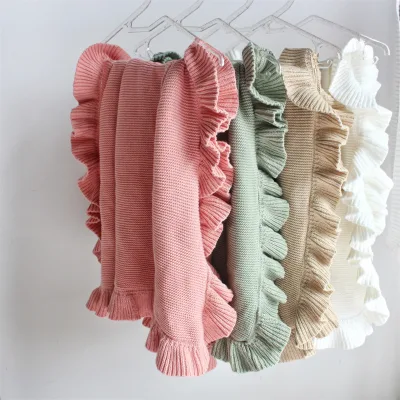
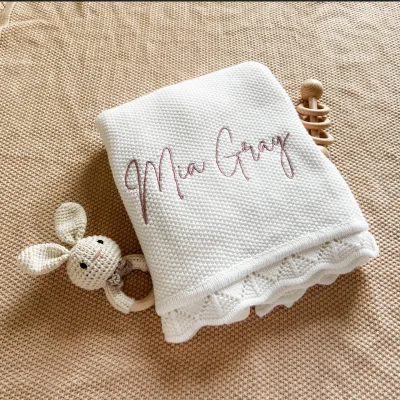
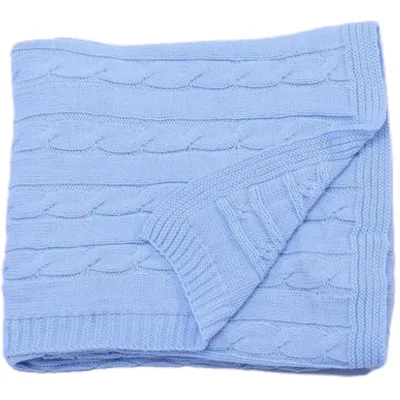
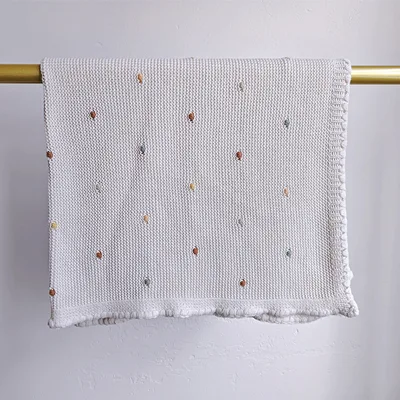
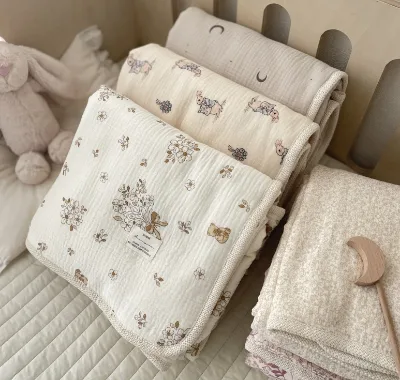
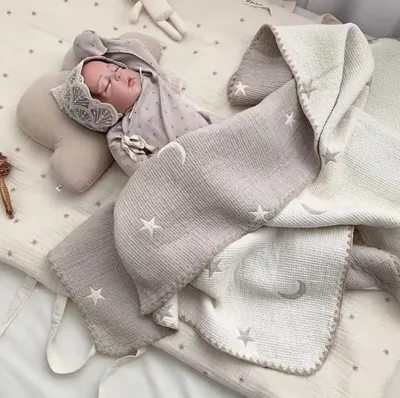
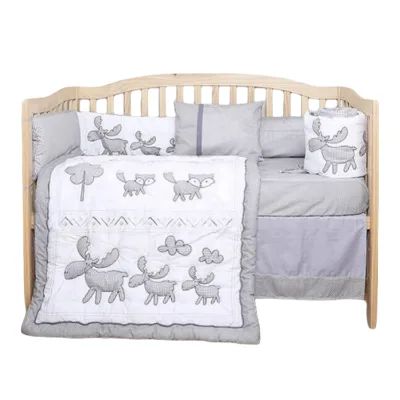


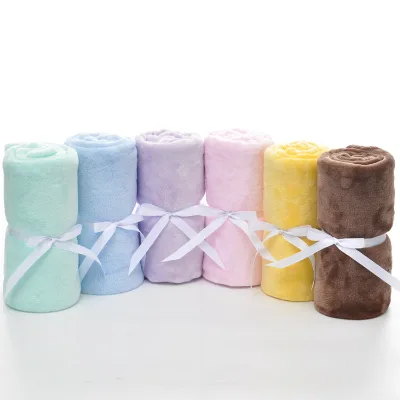

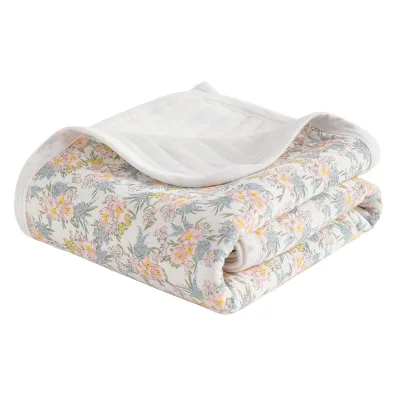


Wholesale Custom Blanket for Winter and Summer Cotton Knitted Baby Blanket
$0.89 - $3.50
MOQ: 1000 Pieces


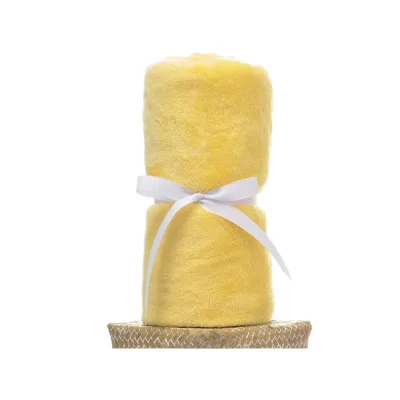
Soft Plush Blankets Kids Blankets Pink Fleece Blanket Soft White Blanket
$3.00 - $4.50
MOQ: 1000 Pieces
Comprehensive Sourcing Guide
Strategic Sourcing Guide for Anti-Pilling Cotton Baby Knitted Blankets
Understanding Technical Specifications and Material Composition
When sourcing an anti-pilling cotton baby knitted blanket, the primary objective is to balance softness, durability, and safety. The core material composition is a critical differentiator in this category. Based on observed market data, high-quality options often utilize 100% cotton for the outer fabric, ensuring breathability and hypoallergenic properties essential for infant skin. In some configurations, the fabric is specified as 100% Cotton Jersey Knit Fabric with a weight of 120 GSM, which provides a balance between warmth and lightness.
The filling material is equally significant for thermal regulation. While some products feature 100% polyester filling, typically around 150 GSM, others may be all-cotton constructions depending on the specific model. The knitting method plays a pivotal role in the "anti-pilling" claim. Observed specifications indicate that products utilizing stitch knitting or machine weaving techniques are common. The yarn counts, such as 21s x 21s, are standard metrics that buyers should verify to ensure the fabric density is sufficient to resist surface fuzzing over time.
Size specifications vary widely in the market, ranging from compact travel sizes like 75x100cm to larger standard sizes such as 80x110cm, 110x110cm, and even 120x120cm. Buyers must align these dimensions with the intended usage, whether for a stroller, a crib, or a nursing session. The product models identified in the market, such as "suntex baby," "ST0709," and "BBK--108," suggest that manufacturers often have distinct SKUs for different weight and size combinations. It is crucial to confirm that the specific model number corresponds to the desired GSM and dimensions before placing an order.
Compliance, Certification, and Safety Verification
Safety is the paramount concern when procuring textiles for babies. While specific certification statuses like GOTS or Oeko-Tex are mentioned in broader industry contexts, buyers must treat these as verification targets rather than guaranteed attributes of every listing. The procurement process requires a rigorous check of the supplier's ability to provide test reports confirming the absence of harmful substances.
Buyers should explicitly request documentation verifying that the cotton fabric and polyester filling meet international safety standards for children's products. The "anti-pilling" feature, while a performance claim, also relates to safety; loose pills can pose a choking hazard if they detach from the fabric. Therefore, the knitting method and yarn quality must be validated to ensure the fabric integrity remains intact after washing and use.
In addition to chemical safety, buyers should verify the origin of the materials. The supply chain data indicates origins in regions such as Hebei and Guangdong in China. While these are established manufacturing hubs, the specific factory's compliance history must be reviewed. Buyers should not assume that a product labeled "100% Cotton" automatically meets organic standards unless a specific certification is provided. The verification process should include checking for the absence of formaldehyde, heavy metals, and azo dyes, which are common concerns in textile manufacturing.
Cost Drivers and Pricing Dynamics
The pricing of anti-pilling cotton baby knitted blankets is influenced by several variable factors. The observed price range in the market spans from $0.89 to $15.41 USD. This wide disparity is not merely a function of brand but is driven by material quality, size, and order volume. A blanket priced at the lower end of the spectrum may utilize a lower GSM fabric or a simpler knitting technique, whereas premium-priced items likely feature higher thread counts, specialized anti-pilling treatments, and custom printing.
Order Volume is a primary cost driver. The Minimum Order Quantity (MOQ) varies significantly, with observed ranges from 30 pieces to 5,000 pieces. Suppliers offering an MOQ of 30 pieces are typically catering to small retailers or drop-shippers, often at a higher unit cost due to the lack of economies of scale. Conversely, suppliers requiring an MOQ of 2,000 or 5,000 pieces can offer more competitive pricing, as the fixed costs of production and setup are amortized over a larger volume.
Customization is another major factor affecting cost. Options such as custom sizes (e.g., 80*110cm or custom), custom printing patterns (including celebrities, characters, floral, or animal designs), and custom packaging (Seaworthy Carton vs. PP Bag) all incur additional charges. The "OEM Service" availability allows for branding, which adds value but also increases the complexity and cost of the production run. Buyers must balance their budget against the necessity of these customizations to determine the most cost-effective solution for their specific market segment.
Typical Applications and Usage Scenarios
The versatility of the anti-pilling cotton baby knitted blanket makes it suitable for a diverse range of applications. The observed usage categories include Home, Hotel, Travel, Hospital, Airplane, and Picnic. This broad applicability suggests that the product is designed to be portable and durable enough for frequent movement.
For home use, the blanket serves as a nursing cover, a stroller liner, or a lightweight bed covering. The "Baby Sleeping Nursing" function highlights its utility during feeding sessions, where the soft cotton fabric provides comfort for both the infant and the caregiver. In travel scenarios, the "Portable" and "Wearable" features are particularly valuable. A blanket that can be easily folded and packed into a PP Bag or Standard Export Carton is essential for parents on the go.
The "All-Season" attribute indicates that these blankets are designed for year-round use, though some listings specifically mention "Winter" or "Spring and Autumn." This suggests that the GSM weight is a critical variable for seasonal suitability. A 120 GSM jersey knit fabric is likely suitable for mild weather, while a thicker filling might be required for colder winter months. The "Anti-Pilling" feature ensures that the blanket maintains its aesthetic appeal even after repeated washing, which is a common requirement for items used in high-traffic environments like hospitals or hotels.
Supplier Evaluation and Sourcing Criteria
Selecting the right supplier requires a detailed evaluation of their capabilities and reliability. Buyers should look for suppliers who explicitly state their "OEM Service" availability and have a track record of handling customization requests. The "Customization: Available" attribute is a key indicator of a supplier's flexibility.
When evaluating suppliers, buyers should verify the "prod_packing" standards. Options range from simple PP Bags to more robust Seaworthy Cartons or Standard Export Cartons. The choice of packaging impacts the protection of the goods during transit and the final presentation to the end consumer. For international shipping, Seaworthy Cartons are generally preferred to prevent moisture damage and physical crushing.
The "Location" of the supplier is also a factor. With origins listed in Hebei and Guangdong, buyers should be aware of the logistical implications. Guangdong is a major hub for textile manufacturing, often associated with higher quality control and faster turnaround times for complex orders. Hebei is also a significant production center, and buyers should assess the specific factory's capacity and reputation.
Buyers should also examine the "Feature" list provided by suppliers. Attributes like "Anti-Pilling," "Portable," and "Wearable" are not just marketing terms but functional requirements. A supplier that consistently delivers on these features is more likely to be a reliable partner. Additionally, the "Style" options, such as Plaid, Plain, or various Printing Patterns, should align with the buyer's target market preferences.
Quality Control and Long-Term Procurement Considerations
Implementing a robust quality control (QC) protocol is essential for maintaining product integrity. The "Anti-Pilling" claim must be validated through pre-shipment testing. Buyers should request evidence of pilling resistance tests, such as the Martindale test, to ensure the fabric will not degrade quickly. The "Knitting Method," whether Stitch Knitting or Machine Weaved, should be inspected to ensure consistency in the fabric structure.
Long-term procurement considerations involve building a sustainable supply chain. Buyers should prioritize suppliers who offer "Customized" sizes and packing options, as this allows for adaptability to changing market demands. The "MOQ" flexibility is also crucial; suppliers who can accommodate smaller initial orders (e.g., 30 pcs) allow buyers to test the market with lower risk before committing to larger volumes.
The "Standard" specifications, such as 80x110cm or 120x120cm, should be clearly defined in the purchase order to avoid discrepancies. Buyers must ensure that the "Material" (100% Cotton or 100% Polyester) matches the order specifications exactly. Any deviation in material composition can lead to customer dissatisfaction and returns.
Finally, buyers should consider the "Function" of the blanket in the context of the end-user. Whether it is for "Baby Sleeping Nursing" or general "Travel" use, the product must meet the specific needs of the consumer. By focusing on these technical and functional aspects, buyers can ensure a high-quality product that meets safety standards and delivers value over the long term. The combination of verified materials, reliable suppliers, and strict quality control will result in a successful procurement strategy for anti-pilling cotton baby knitted blankets.
Comparative Analysis of Product Attributes
To facilitate better decision-making, the following table summarizes key attributes observed in the market, helping buyers compare different product offerings based on the supplied facts.
| Attribute | Observation 1 | Observation 2 | Observation 3 |
|---|---|---|---|
| Material | 100% Cotton | 100% Cotton Jersey Knit | 100% Cotton (Fabric) |
| Filling | 100% Polyester | 100% Polyester (150GSM) | Not Specified |
| Size | 80x110cm | 75x100cm, 110x110cm | 120x120cm, 80x100cm |
| Pattern | Printed, Plaid | Printing Pattern, Celebrities | Solid, Floral, Animal |
| MOQ | 2000 PCS | 30 PCS | 5000 PCS (Implied range) |
| Packing | Seaworthy Carton | PP Bag | Standard Export Carton |
| Feature | Anti-Pilling, Portable | Anti-Pilling | Wearable, Portable |
| Origin | China, Hebei | Guangdong, China | Hebei, China |
This comparison highlights the variability in the market. Buyers must carefully match these attributes to their specific requirements. For instance, a buyer seeking a high-volume order might prioritize suppliers with an MOQ of 2000 or 5000, while a startup might look for the 30-piece MOQ option. Similarly, the choice between Seaworthy Carton and PP Bag depends on the logistics and branding strategy of the buyer. By understanding these distinctions, buyers can navigate the complex landscape of baby blanket procurement with confidence and precision.
FAQs
What material is used for the outer fabric of these blankets?
The outer fabric is typically 100% cotton or 100% cotton jersey knit fabric. Some models specify a weight of 120 GSM to ensure softness and breathability for infant skin while maintaining durability.
Can I find blankets with specific size customization options?
Yes, customization is available for sizes such as 80x110cm, 120x120cm, or 75x100cm. Buyers can request standard export cartons or specific packing like PP bags to match their logistical needs.
Which knitting methods are used to ensure anti-pilling performance?
Common methods include stitch knitting and machine weaving techniques. These processes, combined with yarn counts like 21s x 21s, help resist surface fuzzing and maintain fabric integrity after washing.
What is the typical minimum order quantity for these products?
The minimum order quantity varies significantly, ranging from 30 pieces for small retailers to 2000 or 5000 pieces for larger bulk orders. Lower MOQs often result in higher unit costs due to limited economies of scale.
How does the filling material affect the blanket's warmth?
Many blankets use 100% polyester filling, often around 150 GSM, to provide thermal regulation. This combination with cotton fabric allows for lightweight warmth suitable for winter or spring and autumn seasons.
Are these blankets suitable for travel and hospital use?
Yes, they are designed for multiple usages including travel, hospital, airplane, and home settings. Features like being portable, wearable, and anti-pilling make them ideal for frequent movement and high-traffic environments.