Source Anti-Pinch Magnetic Window Cleaner for Home, Office, and Storefronts
Explore 30 listings for the Anti-Pinch Magnetic Window Cleaner, featuring models like A10 and C1 with ABS and ferrite materials. Compare specifications such as pull force and customization options to find the right tool for indoor glass cleaning tasks.
Key considerations
Products List


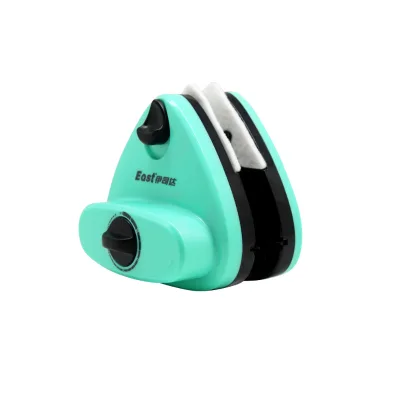
Double Sided Magnetic Window Glass Cleaner, Brush Magnetic Glass, Magnetic Window Cleaner
$26.31 - $27.32
MOQ: 1000 pieces


Household Cleaning Equipment Double Side Tools Magnetic Window Glass Cleaner
$1.79 - $2.01
MOQ: 1 Pieces


17 Years Experience Double-Sided Adjustable Magnetic Window Cleaner for Sale
$0.10 - $5.00
MOQ: 10 Pieces

Cheap Qualified Double-Sided Adjustable Magnetic Window Cleaner for Sale
$0.09 - $0.59
MOQ: 100 Pieces


3-8mm Water-Injection Multi-Functional Double-Sided Magnetic Window Cleaner
$3.18 - $3.46
MOQ: 100 Pieces



Comprehensive Sourcing Guide
Anti-Pinch Magnetic Window Cleaner Sourcing Guide
Sourcing anti pinch magnetic window cleaners requires a careful balance between magnetic strength and user safety, particularly for high-rise or large-pane applications. These tools utilize dual-sided magnets connected by a magnetic field to clean glass from both sides simultaneously, eliminating the need for dangerous climbing or extended reach. The "anti pinch" feature is critical, as it prevents the magnets from snapping together with excessive force, which can damage the glass or injure the user. Buyers must prioritize models that offer controlled magnetic pull force to ensure smooth operation while maintaining a secure grip on the window pane.
The market offers various configurations, ranging from simple squeegee designs to more complex systems with adjustable magnetic strength. Key components include the handle, the magnetic core, and the cleaning head, which often incorporates a squeegee blade and a microfiber pad. Understanding the material composition of these parts is essential for durability and performance. For instance, handles are frequently made from plastic or ABS, while the magnetic core may use rare earth materials like ferrite or neodymium. Buyers should evaluate how these materials interact with different window types, including tempered glass, to ensure compatibility and prevent scratching or damage during the cleaning process.
Product Scope and Observed Listing Signals
Current market listings reveal a diverse range of products, with observed prices spanning from $0.09 to $27.32 USD, indicating significant variation in quality and feature sets. The minimum order quantities (MOQ) typically range from 1 to 1000 pieces, catering to both small retailers and large distributors. Specific models like the A10 double-side window cleaner and the HT-301-303 series are prominent, often featuring white ABS plastic handles and PP squeegee blades. These products are generally designed for indoor use, with a focus on eco-friendly materials and customizable branding options for private label opportunities.
Packaging and logistics details provide further insight into the product scope. Items are commonly packed in cartons or kraft paper mail order boxes, with single package sizes around 15x13x15 cm. The gross weight per unit is approximately 5.000 kg, while carton weights vary between 14kg and 15.5kg depending on the quantity per box, often 24 pieces. Originating primarily from Zhejiang, China, with dispatch ports like Ningbo, these products are geared towards global export markets. Buyers should note that while some listings mention specific models like C1 or C2, the core functionality remains consistent across the Anti-Pinch Magnetic Window Cleaner category.
Technical Specifications to Verify
Verifying the magnetic grade and pull force is paramount for ensuring the cleaner’s effectiveness and safety. Listings indicate the use of rare earth magnets with grades such as N35, N38, N42, N45, N48, N52, and N55, each offering different magnetic strengths. The pull force is a critical specification, with some products claiming a pull force of greater than or equal to 9lbs. Buyers must confirm that the magnetic strength is sufficient to hold the cleaner in place on vertical glass without slipping, yet not so strong that it creates a hazardous pinch point. The coating, often nickel, protects the magnets from corrosion and ensures longevity in humid environments.
Material composition and dimensional accuracy are also key technical factors. The handle material is typically plastic, while the squeegee is made from PP, providing flexibility and durability. The standard cleaning width or gap between magnets may range from 5-50mm, depending on the glass thickness. Single package dimensions are consistently reported around 15x13x7 cm or 11x11.5x7 cm, with weights varying slightly between 505g and 550g. Buyers should request detailed technical drawings to verify these dimensions and ensure compatibility with their existing cleaning kits or storage solutions. Additionally, the customization options for size and magnetic strength should be clarified to meet specific market demands.
Compliance and Safety Documentation
Safety is the primary concern when sourcing magnetic window cleaners, especially those marketed as "anti pinch." Buyers must ensure that suppliers provide documentation verifying the magnetic field strength and the effectiveness of the safety mechanisms. While specific certifications like CE or ISO9001 are mentioned in background data, their applicability to magnetic cleaners should be verified on a case-by-case basis. The focus should be on product safety standards that prevent glass breakage and user injury. Suppliers should be able to demonstrate that their anti pinch features meet recognized safety benchmarks, particularly for products intended for high-rise or commercial use.
Documentation should also cover material safety and environmental compliance. Given the use of plastics and rare earth magnets, buyers should request material safety data sheets (MSDS) and declarations of conformity. The eco-friendly attribute mentioned in some listings suggests a focus on sustainable materials, but this should be substantiated with relevant certifications. Additionally, packaging standards, such as MMPA, may be relevant for ensuring the product arrives in good condition. Buyers should insist on clear labeling and instructions that highlight safety precautions, ensuring that end-users understand how to operate the device safely and effectively.
Cost Drivers and Commercial Terms
The cost of anti pinch magnetic window cleaners is influenced by several factors, including the grade of the rare earth magnets, the quality of the plastic components, and the complexity of the anti pinch mechanism. Higher magnetic grades like N52 or N55 will increase the cost but offer better performance on thicker glass. Customization options, such as private labeling or unique packaging, can also add to the unit price. Buyers should analyze the total cost of ownership, including shipping and handling, as the gross weight and carton dimensions significantly impact logistics costs. The observed price range of $0.09 to $27.32 reflects these variations, with lower prices often corresponding to basic models with standard magnetic grades.
Commercial terms, including MOQ and lead times, play a crucial role in procurement planning. MOQs can range from 1 to 1000 pieces, with some suppliers requiring 50 or 1000 pieces for specific models. Lead times are typically around 5 to 7 days after order confirmation, but this can vary based on customization and production capacity. Buyers should negotiate clear terms for payment, shipping, and returns to mitigate risks. Understanding the supplier’s production capacity and quality control processes is essential for ensuring consistent supply. Additionally, buyers should consider the potential for volume discounts and long-term partnership benefits when evaluating commercial terms.
Supplier Qualification and Quality Control
Qualifying suppliers for anti pinch magnetic window cleaners requires a thorough assessment of their manufacturing capabilities and quality control systems. Buyers should verify the supplier’s experience in producing magnetic cleaning tools and their ability to maintain consistent magnetic strength across batches. Requesting samples is a critical step to test the anti pinch mechanism, magnetic pull force, and overall build quality. Suppliers with OEM services, as indicated in some listings, should be evaluated for their ability to meet specific design and branding requirements. It is also important to check the supplier’s reputation and history in the global export market, particularly in regions like Zhejiang, China.
Quality control processes should include rigorous testing of magnetic components and plastic parts. Buyers should inquire about the supplier’s testing procedures for pull force, durability, and corrosion resistance. Documentation of these tests, along with any relevant certifications, should be requested to ensure compliance with safety standards. Additionally, buyers should assess the supplier’s packaging and shipping practices to prevent damage during transit. Establishing a clear communication channel for addressing quality issues and returns is essential for maintaining a reliable supply chain. Regular audits and performance reviews can help ensure that suppliers continue to meet quality expectations over time.
Long-Term Procurement Checks
Long-term procurement of anti pinch magnetic window cleaners involves ongoing monitoring of product performance and supplier reliability. Buyers should establish key performance indicators (KPIs) to track defect rates, customer feedback, and return rates. Regularly reviewing these metrics can help identify potential quality issues early and allow for corrective actions. Additionally, buyers should stay informed about advancements in magnetic technology and cleaning materials to ensure their product offerings remain competitive. Engaging in continuous dialogue with suppliers about product improvements and market trends can foster a collaborative relationship and drive innovation.
Supply chain resilience is another critical aspect of long-term procurement. Buyers should diversify their supplier base to mitigate risks associated with production delays or quality inconsistencies. Maintaining a buffer stock of critical components, such as magnets and squeegee blades, can help ensure uninterrupted production. Regularly updating safety and compliance documentation is also essential to meet evolving regulatory requirements. By focusing on these long-term checks, buyers can build a robust and sustainable procurement strategy for anti pinch magnetic window cleaners, ensuring consistent quality and customer satisfaction.
FAQs
How does an Anti-Pinch Magnetic Window Cleaner work on glass panels?
It uses two magnetized blocks, one placed on each side of the glass, that clamp together through the panel. As you move the outer block, the inner block follows and wipes or mops both surfaces simultaneously. The anti pinch design helps prevent fingers from being caught when the two halves attract, and magnet strength must match your glass thickness.
What glass thickness range can these magnetic window cleaners handle?
Listed models specify a working range of 5-50mm, so they suit thin household glazing and thicker insulated units. Check your glass thickness before ordering because pull force must be strong enough to hold both sides without slipping. Some listings offer different magnet grades, which affects suitability for heavier or double-glazed panels.
Can the magnetic window cleaner be customized with my own branding?
Yes, customization is available on listed items, and OEM service is offered for magnetic window cleaners. Typical options include logo printing, packaging, and magnet grade or size adjustments for specific glass thickness. MOQ is commonly 1000 pieces for customized orders, while some listings start at 50 pieces, so confirm requirements with the supplier before placing an order.
What materials are used in the double side window cleaner models?
Listed A10 models use ABS for the body, ferrite or rare earth magnets for attraction, and rubber for the wiping contact, with a plastic handle and PP squeegee components. This combination keeps the unit lightweight around 505-550 grams while providing enough magnetic pull. Materials are described as eco-friendly in the product attributes.
How quickly can orders be shipped after confirmation?
One listing states shipment within 5 days, and another notes delivery preparation takes 7 days after the order is confirmed. Dispatch is typically from the port of Ningbo, Zhejiang, China. Actual timing depends on order quantity and customization, so confirm the lead time for your specific order volume and packaging requirements with the supplier.
What is the packaging and carton configuration for bulk orders?
Listed products ship in cartons, with some models packed in kraft paper mail order boxes. Typical configuration is 24 pieces per carton measuring about 45X32.5X32.5 cm with a gross weight around 15 kg. Express, sea pallet, air carton, and wooden packaging options are also available depending on the shipping method you choose.
Which magnet grades are available for magnetic window cleaners?
Listed products use N35 grade rare earth magnets as standard, with other grades including N38, N42, N45, N48, N52, and N55 available. Higher grades provide stronger pull force, which matters for thicker glass. One model specifies a pull force of at least 9 pounds, and coating options include nickel for corrosion resistance.
What payment and order quantity terms should I expect when sourcing?
Observed MOQ values range from 1 piece for sample-friendly listings up to 1000 pieces for customized bulk orders, so you can often test before committing. Sell units are single items, and prices observed span roughly 0.09 to 27.32 USD depending on model and specification. Always confirm current MOQ and pricing directly with suppliers.