Source anti-pressure square glasses case for storage, travel, and daily use
Find 30 verified options for the anti-pressure square glasses case suitable for storage, travel, and daily use. Compare specifications like material, dimensions, and closure types to select the right eyewear accessory for your needs.
Key considerations
Products List
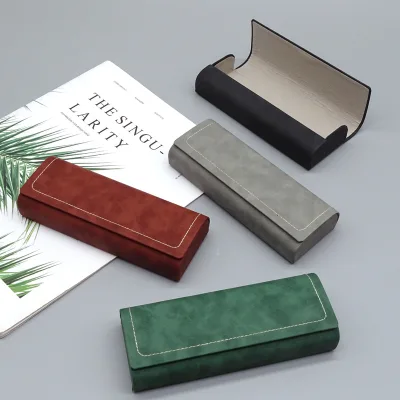

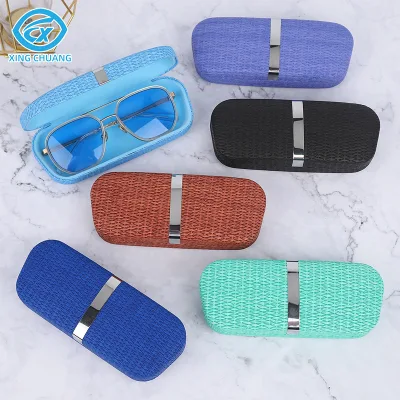
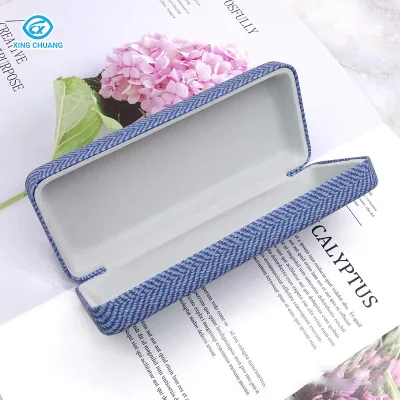
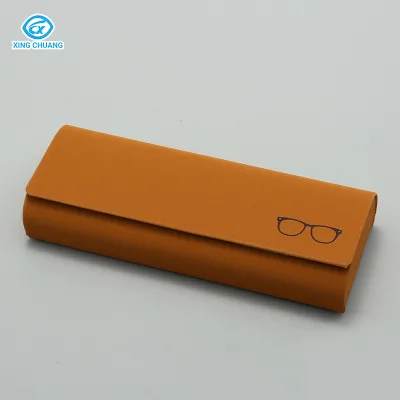
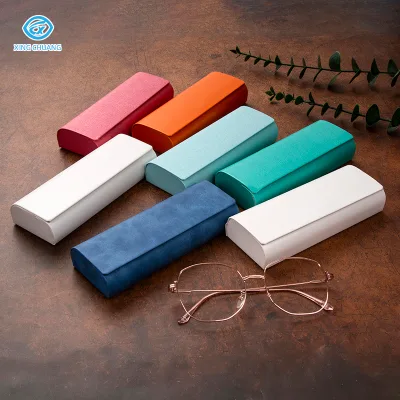
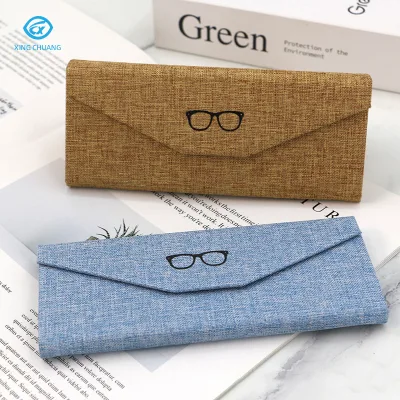
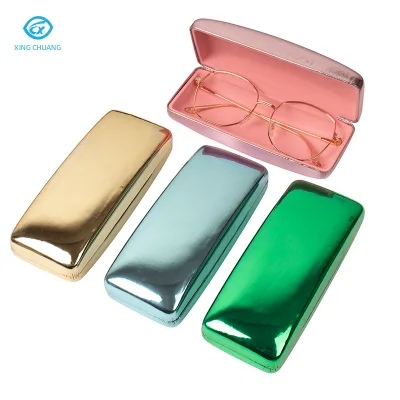


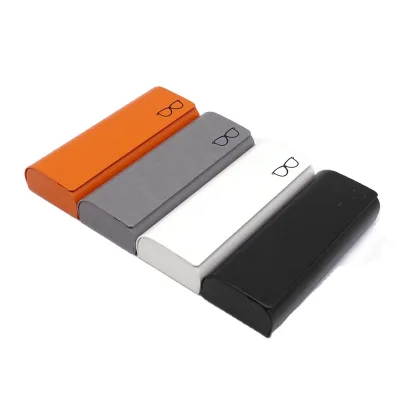
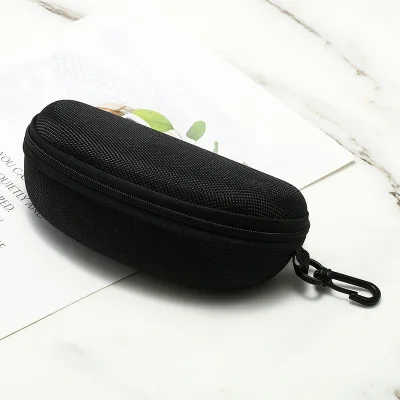
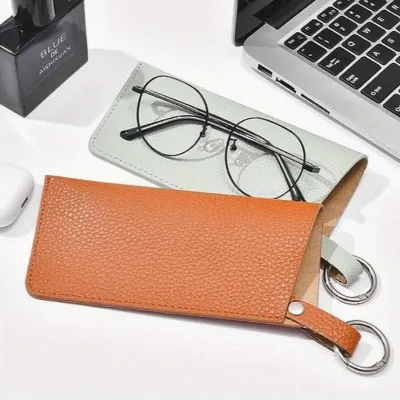
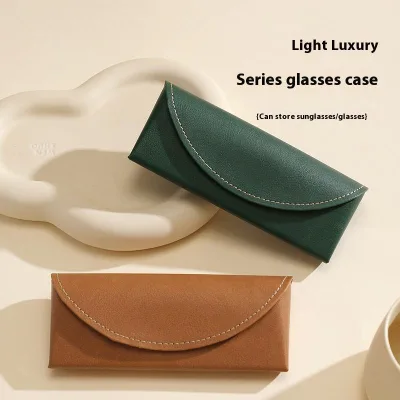
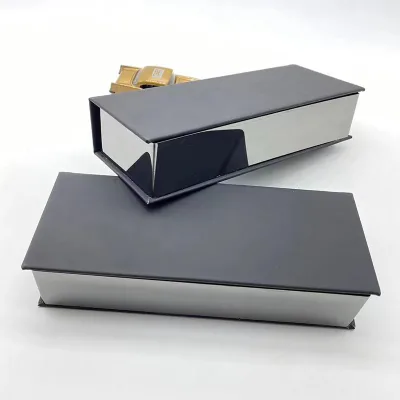
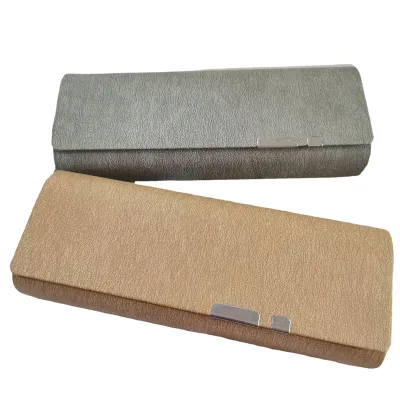


![[S083] Stylish Solid Color Plastic Glasses Case for Eyewear Protection](https://image.made-in-china.com/221f0j00SOUkQldWCfzb/-S083-Stylish-Solid-Color-Plastic-Glasses-Case-for-Eyewear-Protection.webp)
![[S084] Stylish Solid Color Plastic Glasses Case for Eyewear Protection](https://image.made-in-china.com/221f0j00FnfbZNytMGpO/-S084-Stylish-Solid-Color-Plastic-Glasses-Case-for-Eyewear-Protection.webp)


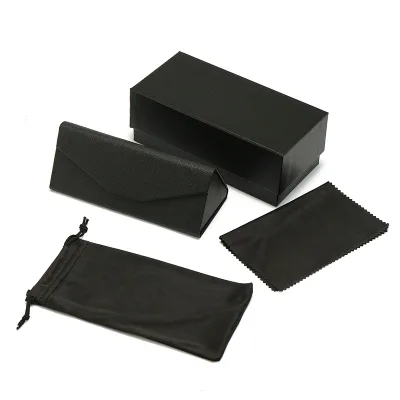


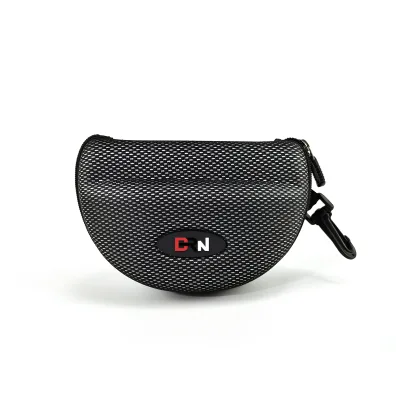


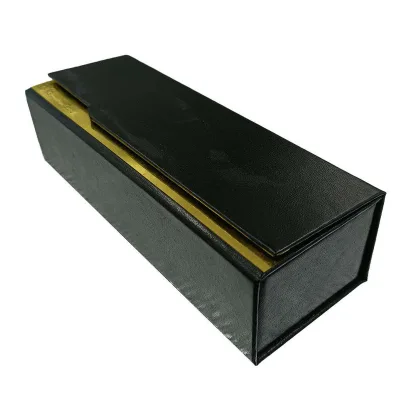
Comprehensive Sourcing Guide
Strategic Sourcing Guide for Anti-Pressure Square Glasses Cases
Procuring specialized eyewear accessories requires a nuanced understanding of material properties, structural integrity, and supply chain logistics. When targeting an anti-pressure square glasses case, buyers must navigate a market where product attributes vary significantly between listings. The core requirement involves a rigid or semi-rigid structure capable of withstanding external compression while maintaining a square geometry. This guide synthesizes observed market data and technical specifications to provide a framework for evaluating potential suppliers and products without relying on unverified claims.
Technical Specifications and Structural Integrity
The foundation of sourcing an effective anti-pressure case lies in verifying the physical specifications that define its protective capability. In the current market, square geometries are prevalent, often paired with specific dimensions to ensure a snug fit for standard eyewear. Observed data indicates that dimensions can range from 5 to 5.9 inches, while other listings specify sizes of 6 inches and above. Buyers must clarify the exact internal volume required for their specific inventory, as a case that is too large may allow the glasses to shift during transit, negating the anti-pressure benefit.
Material selection is the primary driver of the "anti-pressure" characteristic. The market features distinct options, including PU (Polyurethane) and genuine leather. PU cases often present a balance of durability and cost, while leather variants may offer a more premium aesthetic with varying degrees of hardness. The hardness of the product is a critical metric; observations show items classified as "Hard" alongside others described as "Semi-Hard." A "Hard" classification suggests a rigid shell that resists deformation under load, whereas "Semi-Hard" implies a flexible yet supportive structure. For applications requiring maximum protection against crushing forces, the "Hard" attribute is generally preferred.
Closure mechanisms also play a vital role in maintaining structural integrity. Magnetic closures are frequently observed in high-quality listings, offering a secure seal that prevents accidental opening while adding a layer of rigidity to the case's perimeter. In contrast, other models may rely on different fastening methods. The shape is consistently noted as square or rectangular, with some specific models adhering to a strict square profile. Buyers should verify that the "Square" designation aligns with the internal dimensions, ensuring the case does not deform into a rectangle under pressure.
Material Composition and Durability Factors
The material composition directly influences the longevity and protective performance of the glasses case. PU material is a common observation in the sector, offering a synthetic alternative to leather that is often water-resistant and easy to clean. Leather, on the other hand, provides a traditional feel and may be treated for enhanced durability. The weight of the product is another observable attribute, with listings ranging from 90g to 125g. Heavier cases often correlate with thicker materials or additional internal padding, which can enhance the anti-pressure capability.
When evaluating material quality, buyers should look for consistency in the finish and stitching. A "Simple" or "Classical" style often implies a focus on function over excessive ornamentation, which can reduce weak points in the construction. The "Handmade" attribute observed in some listings suggests a higher level of craftsmanship, potentially resulting in tighter seams and more robust structural bonding. However, handmade production can introduce variability in dimensions and weight, necessitating stricter quality control during the sampling phase.
The surface pattern is another variable. While some products are listed as "Solid" or "Without Pattern," others may feature specific designs. For a functional anti-pressure case, a solid finish is often preferred as it eliminates potential weak points created by embossed patterns or inlays. The color options, ranging from specific shades like green to multi-color sets, should be selected based on branding requirements without compromising the material's structural properties.
Compliance, Certification, and Safety Standards
Navigating the compliance landscape for eyewear accessories requires careful verification of supplier claims. While certain background standards such as ISO 9001, ISO 27001, and BSCI are frequently mentioned in broader industry contexts, they are not confirmed attributes for every specific product listing. Buyers must treat these certifications as potential supplier capabilities rather than inherent product features.
For the specific product category of glasses cases, there are no universally mandated safety standards that apply to all items, unlike children's toys or food packaging. However, buyers should verify that the materials used do not contain harmful substances, particularly if the cases are intended for export to markets with strict chemical regulations. The "Standard" attribute observed in some listings refers to specific product dimensions (e.g., 161mm*60mm) rather than a regulatory compliance standard.
When requesting compliance documentation, buyers should ask for specific test reports regarding material safety and durability. If a supplier claims adherence to ISO 9001, they must provide valid, up-to-date certificates for the specific manufacturing facility. Similarly, if BSCI (Business Social Compliance Initiative) is a requirement for the buyer's corporate social responsibility policy, this must be verified directly with the supplier's audit reports. Relying on unverified claims can lead to supply chain disruptions or reputational risk.
Cost Drivers and Pricing Dynamics
The pricing of anti-pressure square glasses cases is influenced by a complex interplay of factors, including material cost, production complexity, and order volume. The observed price range in the market spans from $0.13 to $2.50 USD. This wide variance reflects differences in material quality, branding, and customization levels. Lower-priced items often utilize basic PU materials with minimal customization, while higher-priced items may feature genuine leather, handmade construction, or luxury branding.
Minimum Order Quantity (MOQ) is a significant cost driver. The observed MOQ range extends from 2 units to 3,000 units. For buyers testing the market or requiring small batches, suppliers with low MOQs are essential, though the unit cost may be higher. Conversely, larger orders can leverage economies of scale to reduce the per-unit price. The packaging configuration also impacts costs; standard packing is often 1PC per PE bag, with 12 pieces per inner box and 120 pieces per carton. Custom packaging solutions will incur additional charges.
Customization is a key factor in pricing. The availability of customization allows buyers to add logos, specific colors, or unique dimensions, but this typically increases the unit cost and may raise the MOQ threshold. Buyers should request a detailed cost breakdown that separates the base product cost from customization fees to understand the true value proposition.
Supplier Evaluation and Geographic Considerations
Geographic location plays a crucial role in logistics and supplier reliability. The primary manufacturing hubs for these products are located in Hebei and Wenzhou, China. Hebei is known for its industrial manufacturing base, while Wenzhou is a major center for leather and accessory production. Buyers should verify the specific place of origin for each supplier to ensure alignment with their logistics strategy.
When evaluating suppliers, buyers should look for a track record of consistency in model numbers and specifications. The market features various model numbers such as ZD1005, ACA26004, M123, M299, T011, S126, T701, and M125. A supplier that maintains a stable catalog with clear model identifiers is more likely to provide consistent quality. Additionally, the "Brand Name" attribute varies; some products are generic, while others carry specific brand names like "DlTA." Buyers should assess whether they require branded products or generic OEM options.
Lead times and production capacity are critical for supply chain planning. While specific lead times are not universally standardized, suppliers with high-volume capabilities (up to 3,000 units MOQ) typically have established production lines. Buyers should inquire about the supplier's ability to handle rush orders and their policy on production delays.
Quality Control and Inspection Protocols
Implementing a robust quality control (QC) protocol is essential for ensuring that the anti-pressure square glasses cases meet the required standards. Given the variation in hardness and material, visual and functional inspections should be conducted on a sample basis before full production. Key inspection points include verifying the square shape, checking for material defects, and testing the closure mechanism.
The "Folded" and "Unfolded" states of the case should be inspected to ensure that the case maintains its shape when opened and closed. For folded cases, the hinge or folding mechanism must be durable enough to withstand repeated use without cracking. The weight of the product should also be verified against the specified range (90g to 125g) to ensure consistency in material density.
Packaging integrity is another critical QC factor. The standard packing of 1PC/PE Bag, 12PCS/Inner Box, and 120PCS/Carton must be verified to ensure that the cases are protected during transit. The carton size, observed as 423438cm in some listings, should be checked to optimize shipping costs and prevent damage during handling.
Long-Term Procurement and Strategic Sourcing
Sourcing anti-pressure square glasses cases is not merely a transactional activity but a strategic decision that impacts brand reputation and customer satisfaction. Buyers should consider the long-term implications of their supplier choices, including the ability to scale production, the consistency of quality, and the flexibility to adapt to market trends.
The "Style" attribute, ranging from "Simple" to "Trendy Luxury," indicates that market preferences can shift. A supplier that offers a diverse range of styles and customization options will be better positioned to meet changing consumer demands. Additionally, the "Application" of the case, whether for "Storage," "Eyewear Accessories," or "Daily" use, should align with the target market's needs.
Building a long-term relationship with a reliable supplier can lead to better pricing, priority production slots, and improved communication. Buyers should establish clear communication channels and regular review meetings to discuss performance metrics and potential improvements. By focusing on these strategic elements, buyers can secure a steady supply of high-quality anti-pressure square glasses cases that meet their specific requirements.
FAQs
What materials are used for anti-pressure square glasses cases?
Common materials include PU and leather, offering different durability levels. PU provides a balance of cost and water resistance, while leather offers a premium feel. Hardness varies from semi-hard to hard, with hard cases better resisting compression forces.
Which dimensions are standard for square glasses cases?
Standard dimensions observed range from 5 to 5.9 inches, with some models measuring 6 inches or above. Specific standards like 161mm by 60mm also exist. Buyers must verify internal volume to ensure a snug fit that prevents shifting during transit.
Can these cases be customized for specific branding needs?
Yes, customization is available for logos, colors, and dimensions. However, custom orders often increase the unit cost and may raise the minimum order quantity threshold. Buyers should request a detailed cost breakdown separating base prices from customization fees.
How does the closure type affect case integrity?
Magnetic closures are frequently used to provide a secure seal and add perimeter rigidity. This mechanism prevents accidental opening while maintaining the square shape under pressure. Buyers should verify that the closure mechanism aligns with the structural hardness of the case.
What is the typical price range for these cases?
The market price ranges from 0.13 to 2.5 USD per unit. Lower prices often reflect basic PU materials with minimal customization, while higher prices indicate genuine leather or handmade construction. Order volume significantly impacts the final per-unit cost through economies of scale.
Where are the primary manufacturing locations for these cases?
Primary manufacturing hubs are located in Hebei and Wenzhou, China. Hebei is known for industrial manufacturing, while Wenzhou specializes in leather and accessories. Buyers should verify the specific place of origin to align with their logistics strategy and supplier reliability.