Source Anti-Skid Car Tire Snow Chains for Snow Mud and Frozen Pavement
Compare 30 listings of Anti-Skid Car Tire Snow Chains designed for snow, mud, and frozen pavement. View specifications including materials like steel and iron, chain sizes, and packaging options from manufacturers in China.
Key considerations
Products List


High Quality Auto Snow Chains for Passenger Car Tires Snow Bands Tire Chain
$10.55 - $10.88
MOQ: 100 Pairs


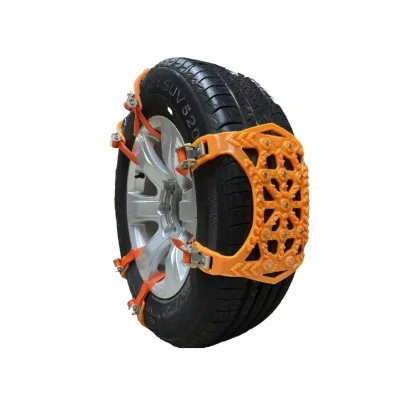


Comprehensive Sourcing Guide
Strategic Sourcing Guide for Anti-Skid Car Tire Snow Chains
The procurement of anti-skid car tire snow chains represents a critical operational decision for businesses operating in regions with severe winter conditions. These specialized traction devices are engineered to provide essential grip on snow, mud, frozen pavement, and waterlogged occasions where standard tires fail. Sourcing these items requires a disciplined approach that balances technical performance, material integrity, and supply chain reliability. Buyers must navigate a complex landscape of specifications, from chain diameters to installation mechanisms, ensuring that the selected products meet the rigorous demands of vehicle safety and durability. This guide outlines the essential factors for evaluating and acquiring high-quality snow chains based on verified product attributes and industry standards.
Technical Specifications and Material Composition
The foundation of a reliable snow chain lies in its material composition and dimensional specifications. The supplied data indicates that the primary materials used in these products are Steel and Iron. These metals are selected for their high tensile strength and ability to withstand the abrasive forces of ice and snow. When evaluating potential suppliers, procurement teams must verify the specific alloy composition to ensure the chains do not become brittle in extreme cold. The observed product attributes highlight a "Chain Shape" of Square Chain, which is a specific design choice intended to maximize surface contact and biting force on slippery surfaces.
Dimensional accuracy is paramount for both safety and vehicle compatibility. The data reveals a "Net Chain Diameter" of 5.5mm, alongside a specific "Chain Size" of 1/2"*3/32". These measurements are not merely descriptive; they dictate the clearance required within the vehicle's wheel well and the tensioning capability of the chain. A deviation in these dimensions can lead to improper fitment, causing damage to the vehicle's suspension or the chain itself. Furthermore, the "Standard" field lists specific dimensions such as 12mm and 5.5mm, which likely refer to the thickness or gauge of the chain links. Buyers must cross-reference these figures with the vehicle manufacturer's recommendations to ensure a secure fit. The "Model" identifiers, such as C07001, C07003B, and 1500Q, serve as unique identifiers for different configurations, suggesting that a single SKU may not suffice for a diverse fleet.
Design Features and Installation Mechanisms
The usability of snow chains is heavily influenced by their design features and the ease of installation. The product attributes explicitly mention "Simple Installation" and the capability for "Easy Disassembly Without Jack." This is a significant operational advantage, as it allows drivers to mount and remove chains quickly in hazardous weather conditions without requiring specialized lifting equipment. The "Structure" is noted as a "Chain Wheel," which implies a specific mechanical arrangement for tensioning and securing the chain around the tire.
The "Application" field confirms that these chains are designed for "Vehicle" use, specifically targeting "Snow, Mud, Frozen Pavement, and Waterlogged Occasions." This versatility is crucial for logistics companies and fleet operators who may encounter varying road conditions during winter months. The "Feature" of "Heat Resistant" suggests that the material can withstand the friction-generated heat from tire rotation without degrading, a critical factor for chains that may be driven on bare pavement for short distances to reach a safe location. Additionally, the "Universal Freely Adjustable Length" standard indicates that the chains are designed to accommodate a range of tire sizes, reducing the need for a vast inventory of specific models. However, buyers should verify the exact range of adjustability to ensure compatibility with their specific fleet's tire dimensions.
Packaging, Weight, and Logistics Considerations
Logistics planning for snow chains involves careful consideration of packaging, weight, and origin. The observed product attributes list various packaging types, including "Plastic Box," "Color Box," "Knitted Tape," "Wooden Case," and "Polybag/Plastic Box/Pallet." The choice of packaging impacts the protection of the product during transit and the ease of storage for the end-user. For instance, a "Wooden Case" offers superior protection for heavy-duty chains but increases shipping costs and weight, whereas a "Polybag" is cost-effective for bulk shipments but offers less physical protection.
Weight is a critical factor in shipping calculations and handling. The data presents a range of weights, including 4.5kgs, 4.2 Kgs, 4kgs, and 6.55 Kgs. These variations suggest differences in chain length, link thickness, or the inclusion of additional accessories like tensioners or storage bags. Procurement teams must account for these weight differences when calculating freight costs, especially when shipping from the "prod_origin" of China or specifically "Made in Hangzhou of China." The "Surface Treatment" of "Polishing" is also noted, which can affect the final weight and the corrosion resistance of the chains. A polished surface may reduce friction during installation and improve longevity, but it is essential to confirm that this treatment does not compromise the structural integrity of the steel or iron components.
Compliance, Standards, and Quality Verification
While the provided data lists specific product standards such as "431212" and "44x30x13 cm," these appear to be dimensional specifications rather than regulatory compliance certifications. In the context of automotive safety equipment, buyers must be vigilant about verifying that the products meet local regulatory standards for road safety. The absence of explicit certification names in the source data means that procurement teams cannot assume compliance with international safety standards (such as ECE R117 in Europe or specific DOT regulations in the US) without direct verification from the supplier.
The "Standard" field also includes "12mm" and "5.5mm," which likely refer to physical dimensions rather than industry standards. Buyers should request documentation confirming that the chains meet the safety requirements of the destination market. This includes verifying the tensile strength of the steel or iron, the durability of the "Chain Wheel" structure, and the effectiveness of the "Simple Installation" mechanism under stress. Quality control should involve checking for defects in the "Polishing" process, ensuring that the "Square Chain" links are uniform, and verifying that the "Universal Freely Adjustable Length" mechanism functions smoothly without snagging.
Supplier Evaluation and Cost Drivers
Evaluating suppliers for snow chains requires a multi-faceted approach that considers the "Customization" availability, material quality, and production capacity. The data confirms that "Customization" is available, which is a significant advantage for buyers needing specific chain configurations for unique vehicle models or specialized applications. However, customization often introduces variability in lead times and costs. Buyers must assess the supplier's ability to maintain quality consistency when producing custom orders.
Cost drivers for these products include the raw material costs of steel and iron, the complexity of the "Chain Wheel" and "Square Chain" manufacturing processes, and the type of "Surface Treatment" applied. The "Model" variations, such as "Antiskid Chain," "Sailing Vehicle Chain," and "fish-type every year," suggest a diverse product line that may cater to different market segments. The "Usage" as a "Dedicated Special Chain" indicates that these are not generic products but specialized equipment, which can command a higher price point. Buyers should analyze the total cost of ownership, including shipping from "China" or "Hangzhou," packaging costs, and the potential for customization fees.
Long-Term Procurement and Fleet Management
For organizations managing large fleets, the long-term procurement of snow chains involves strategic planning for inventory management and replacement cycles. The "Application" in "Snow, Mud, Frozen Pavement, and Waterlogged Occasions" suggests that these chains will undergo significant wear and tear. Buyers should establish a replacement schedule based on the observed durability of the "Steel" and "Iron" components. The "Weight" variations (ranging from 4kgs to 6.55 Kgs) may indicate different service lives, with heavier chains potentially offering greater durability.
The "Product Origin" in "China" and specifically "Made in Hangzhou of China" provides insight into the manufacturing ecosystem. Hangzhou is a known industrial hub, but buyers should verify the specific factory's track record for producing automotive safety equipment. Long-term contracts should include clauses for quality assurance, ensuring that the "Simple Installation" and "Easy Disassembly" features remain consistent across batches. Additionally, the "Color" variations (Yellow, Black, Multi-Colored) may be relevant for fleet identification and safety visibility, though they should not compromise the functional performance of the chains.
Comparative Analysis of Product Attributes
To facilitate decision-making, the following table summarizes the key attributes observed in the product data, highlighting the diversity in specifications that buyers must evaluate.
| Attribute Category | Observed Values | Procurement Implication |
|---|---|---|
| Material | Steel, Iron | Verify alloy grade for cold resistance and tensile strength. |
| Chain Shape | Square Chain | Ensures maximum grip; check for uniform link formation. |
| Dimensions | 5.5mm, 12mm, 1/2"*3/32" | Must match vehicle tire clearance and manufacturer specs. |
| Installation | Simple, No Jack Required | Critical for safety; verify mechanism reliability under load. |
| Packaging | Plastic Box, Color Box, Wooden Case, Polybag | Impacts shipping cost and product protection during transit. |
| Weight | 4kgs to 6.55 Kgs | Affects freight costs and handling logistics. |
| Origin | China, Hangzhou | Verify factory capabilities and export compliance. |
| Customization | Available | Allows for fleet-specific needs but may impact lead time. |
| Application | Snow, Mud, Frozen Pavement | Confirm suitability for specific regional weather conditions. |
Conclusion
Sourcing anti-skid car tire snow chains is a complex process that demands a thorough understanding of technical specifications, material properties, and logistical requirements. The data indicates a wide range of options, from the specific "Square Chain" designs to the "Universal Freely Adjustable Length" mechanisms. Buyers must prioritize the verification of material quality, specifically the "Steel" and "Iron" compositions, to ensure the chains can withstand the harsh conditions of "Snow, Mud, Frozen Pavement, and Waterlogged Occasions." The availability of "Customization" offers flexibility, but it requires careful management of quality control and lead times. By focusing on the "Simple Installation" features and verifying the "Surface Treatment" and "Weight" specifications, procurement teams can secure reliable traction solutions that enhance fleet safety and operational efficiency in winter environments. The ultimate goal is to select products that not only meet the immediate needs of the season but also provide long-term value through durability and ease of use.
FAQs
What materials are used for Anti-Skid Car Tire Snow Chains?
These chains are primarily constructed from steel and iron to ensure high tensile strength and durability. The specific alloy composition must be verified to prevent brittleness in extreme cold conditions while maintaining structural integrity under abrasive forces.
How are these chains installed on vehicle tires?
Installation is designed to be simple and allows for easy disassembly without requiring a jack. The structure typically includes a chain wheel mechanism for tensioning, enabling drivers to mount the equipment quickly in hazardous weather.
Which dimensions define the net chain diameter and size?
The net chain diameter is observed at 5.5mm, with a specific chain size of 1/2 inch by 3/32 inch. These precise measurements dictate the necessary clearance within the vehicle wheel well and ensure proper tensioning capability.
Can buyers request customization for specific vehicle models?
Yes, customization is available for buyers needing specific chain configurations for unique vehicle models or specialized applications. This flexibility allows for tailored solutions but may introduce variability in lead times and production costs.
What packaging options are available for shipping these chains?
Packaging varies from plastic boxes and color boxes to wooden cases and polybags on pallets. The choice impacts product protection during transit and storage, with wooden cases offering superior protection for heavy-duty chains at higher shipping costs.
Where are these Anti-Skid Car Tire Snow Chains manufactured?
The products originate from China, with specific manufacturing noted in Hangzhou. Buyers should verify the factory track record for producing automotive safety equipment to ensure consistent quality and compliance with export regulations.
What are the typical weight variations for these snow chains?
Observed weights range from 4 kilograms to 6.55 kilograms depending on the chain length and link thickness. These variations affect freight calculations and handling logistics, requiring procurement teams to account for specific unit weights.
Which surface treatments are applied to the chain links?
The chains undergo a polishing surface treatment which can reduce friction during installation and improve longevity. This process must be confirmed not to compromise the structural integrity of the steel or iron components used in the links.