Source Anti-Shrink Windproof Boys Sweatshirt for School, Play, and Travel
Find reliable Anti-Shrink Windproof Boys Sweatshirt options from verified suppliers. Compare 30 listings featuring cotton materials, O-neck designs, and customizable sizes for children aged 6-15 years. Evaluate features like breathability and quick-dry properties to match your procurement needs; compare the available evidence and request quotations based on your requirements.
Key considerations
Products List
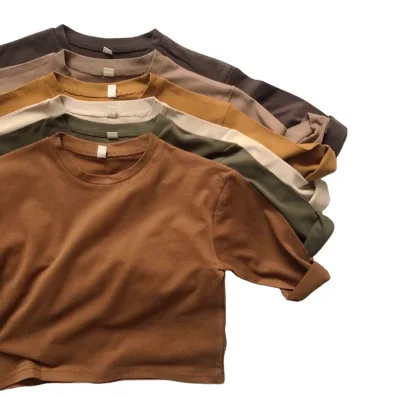


Custom Kids Casual Windbreakers Children Clothing Girl's Sweatshirt Jacket
$7.60 - $8.60
MOQ: 1000 Pieces
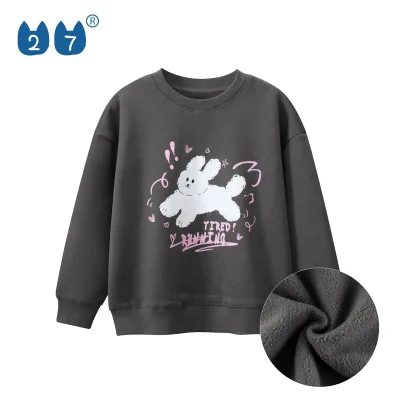
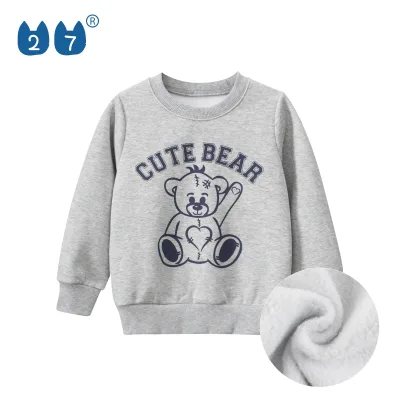
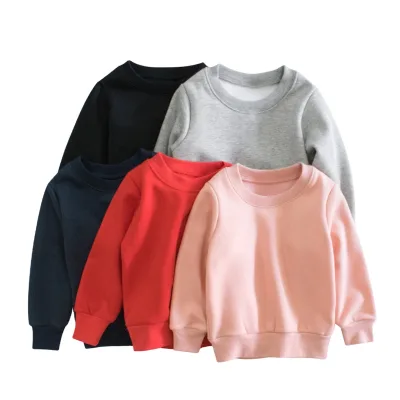


Comprehensive Sourcing Guide
Anti-Shrink Windproof Boys Sweatshirt Sourcing Guide
Procuring anti-shrink windproof boys sweatshirts requires distinguishing between generic cotton items and specialized outerwear designed for active outdoor use. The observed market data indicates a mix of casual cotton hoodies and technical jackets, where the "windproof" and "anti-shrink" attributes often appear as feature tags rather than guaranteed performance metrics for every listed item. Buyers must carefully verify if the specific product listing supports the required fabric density and treatment, as many entries describe standard plain-dyed cotton without explicit wind-blocking technology.
The supply landscape includes both in-stock items and OEM/ODM services, offering flexibility for immediate needs or custom development. While some listings specify a 100% cotton composition with anti-pilling and breathable features, others highlight waterproof or windproof capabilities that may require specific fabric blends or coatings not present in basic cotton sweatshirts. Sourcing success depends on confirming that the selected supplier can deliver the specific functional claims, such as wind resistance, rather than relying on general product descriptions that may only apply to a subset of the catalog.
Product Scope and Observed Listing Signals
The product scope for this category spans from casual leisure hoodies to technical jackets, with observed listings ranging from simple round-neck styles to hooded designs with long sleeves. Buyers should note that while many items are marketed for children aged 6 to 15 years, the specific "windproof" and "anti-shrink" claims are not universal across all 30 observed products. Some listings explicitly mention "Anti-Shrink" and "Windproof" as features, while others focus on basic comfort attributes like breathability and quick-dry properties, necessitating a granular review of each item's feature list.
Listing signals reveal a diverse range of customization options, with some suppliers offering tailored shoulder measurements and customized stature, while others provide standard single-color options. The observed MOQs vary significantly, from 5 pieces for sample orders to 1000 pieces for bulk production, indicating that smaller buyers may need to negotiate or combine orders to access specialized windproof treatments. Additionally, the presence of "Plus Size" and "Reversible" options suggests a broad market, but buyers must ensure the specific windproof and shrinkage-resistant properties are confirmed for the intended size and style before committing to a purchase.
Technical Specifications to Verify
Verifying the technical specifications is critical because the "anti-shrink" and "windproof" attributes often depend on specific fabric treatments and construction methods rather than just the base material. Buyers must confirm whether the 100% cotton fabric has undergone a chemical finish or mechanical process to achieve shrinkage resistance, as plain-dyed cotton alone may not meet these performance standards without additional treatment. It is essential to request detailed fabric specifications that explicitly state the shrinkage rate and wind penetration resistance values, rather than accepting generic feature tags that may not apply to the specific batch.
Construction details such as sleeve style, collar type, and seam reinforcement also play a vital role in the garment's durability and weather resistance. While many listings specify regular or short sleeves, windproof performance is often enhanced by long sleeves with tight cuffs and hooded collars that seal against the elements. Buyers should verify if the "Tape From Shoulder to Shoulder" construction mentioned in some listings is intended to reinforce the garment structure or if it is a standard design element, ensuring that the final product maintains its shape and wind-blocking integrity after repeated washing and wear.
Compliance and Safety Documentation
Compliance and safety documentation for children's outerwear must address both chemical safety and physical durability, particularly when claims like "windproof" and "anti-shrink" are involved. Although the supplied facts do not list specific certification numbers, buyers should expect suppliers to provide test reports for flammability, formaldehyde content, and colorfastness, which are standard requirements for children's clothing in many markets. The "Eco-Friendly" feature mentioned in some listings suggests a potential for lower chemical usage, but this must be validated through third-party testing to ensure the product meets international safety standards for children aged 7 to 10 years and older.
Documentation regarding the "Anti-Shrink" and "Windproof" claims should include specific test methodologies and results to prove that the product performs as advertised. Buyers should request evidence that the fabric has been tested for dimensional stability and wind penetration, as these are functional claims that go beyond basic safety compliance. Without such documentation, there is a risk that the product may fail to deliver the promised performance, leading to customer dissatisfaction and potential returns, especially for items intended for outdoor wear in spring, autumn, or winter seasons.
Cost Drivers and Commercial Terms
Cost drivers for anti-shrink windproof boys sweatshirts are heavily influenced by the complexity of the fabric treatment and the level of customization required. While basic cotton hoodies may be available at lower price points, achieving genuine windproof and anti-shrink properties often involves additional processing steps, specialized materials, or tighter quality control measures that increase the unit cost. Buyers should anticipate that products with features like "Waterproof," "Reversible," or "Customized" stature will command a premium compared to standard plain-dyed items, and this cost difference should be factored into the overall procurement budget.
Commercial terms, including MOQ and lead time, vary significantly across the observed listings, with some suppliers requiring 1000 pieces for specialized orders while others accept as few as 5 pieces. The "7_days_sample_order_lead_time: Not Support" flag indicates that sample production may take longer than a week, which can impact the speed of the sourcing process. Buyers must carefully negotiate payment terms and delivery schedules, considering that custom orders with specific technical requirements may have longer lead times and higher minimum order quantities than standard in-stock items.
Supplier Qualification and Quality Control
Supplier qualification for this category requires a thorough assessment of their manufacturing capabilities, particularly their ability to deliver consistent fabric treatments and construction quality. Buyers should verify if the supplier has experience with "ODM" and "OEM" services, as these models often involve more rigorous quality control processes to ensure that specific features like "Anti-Shrink" and "Windproof" are consistently applied across the production run. The presence of "Guangdong, China" as a common origin suggests a concentration of textile manufacturing expertise, but buyers must still validate the specific factory's track record with technical outerwear.
Quality control protocols should include pre-production sample approval and in-line inspections to catch defects related to shrinkage or wind resistance before mass production begins. Since the observed listings mention "100% Cotton" and "Plain Dyed" techniques, buyers must ensure that the supplier has the equipment and expertise to apply the necessary finishes without compromising the fabric's natural properties. Regular audits and clear communication regarding the "Customization" options are essential to maintain consistency, especially when dealing with complex features like "Reversible" designs or "Waterproof" coatings that require precise application.
Long-Term Procurement Checks
Long-term procurement checks should focus on the consistency of product performance over multiple production cycles and washes, as "anti-shrink" and "windproof" claims can degrade if the manufacturing process is not tightly controlled. Buyers should establish a protocol for periodic re-testing of samples from new batches to ensure that the fabric treatments remain effective and that the garment maintains its shape and weather resistance. This proactive approach helps mitigate the risk of quality drift, which can occur if the supplier changes suppliers for raw materials or alters the finishing process without notification.
Building a sustainable supply chain also involves monitoring the supplier's ability to adapt to changing market demands and regulatory requirements. Given the observed range of age groups from "Baby" to "6-15y" and the variety of styles from "Casual" to "Outdoor Wear," buyers should ensure that the supplier can scale production while maintaining the specific technical standards required for each product line. Regular reviews of the supplier's compliance documentation and quality control records will help maintain trust and ensure that the long-term partnership delivers reliable, high-performance children's outerwear.
FAQs
Can I order samples before bulk production?
Seven-day sample orders are not supported for these items. Buyers must proceed directly to bulk orders with a minimum quantity of 50 pieces. Customization is available for the final production run without requiring a prior sample phase.
What fabric is used for these kids hoodies?
The primary material is 100% cotton, ensuring breathability and comfort for children. The fabric features plain dyed technics and offers anti-shrink, anti-pilling, and anti-wrinkle properties suitable for casual wear in spring and autumn seasons.
Which collar styles are available for these garments?
Available options include O-neck and round neck styles, as well as hoods for jacket types. The specific collar design depends on the selected model, with some items featuring tape from shoulder to shoulder for added structural integrity.
How is the product packed for shipment?
Standard packing involves one piece per OPP bag with 200 pieces per carton. Alternative options include one piece in a PP bag with ten pieces per carton, or custom packing arrangements can be negotiated based on specific buyer requirements.
What is the minimum order quantity for these items?
The minimum order quantity varies between 50 pieces and 1000 pieces depending on the specific product model. Some listings require 50 pieces while others mandate 1000 pieces, so buyers should verify the MOQ for their selected item.
Can the product be customized for specific needs?
Customization is available for various attributes including size, color, and production standards. Buyers can request specific modifications to the product model or standard, allowing for tailored solutions that meet unique market demands or brand requirements.