Source Anti Slip 6061 Aluminum Plate for Decorations, Heat Sink, Door & Window
Compare 30 listings for Anti Slip 6061 Aluminum Plate with varying thickness, width, and temper options. Buyers can evaluate specifications for decorations, heat sinks, and door and window applications from verified Chinese manufacturers.
Key considerations
Products List


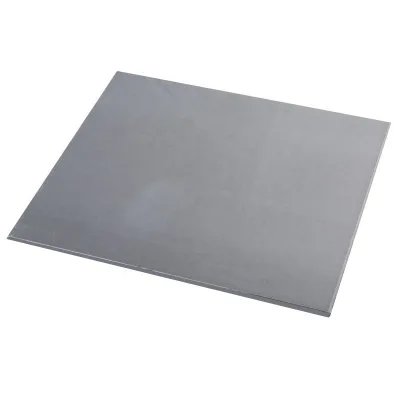


Premium 6.35mm Thick 6061 T6 Aluminum Plate for Versatile Applications
$3870.00 - $3915.00
MOQ: 1 Tons


6061 6063 Aluminum Plate Durable Pure Metal Aluminum Plate 1060 Aluminum Plate
$990.00 - $1800.00
MOQ: 1 Tons


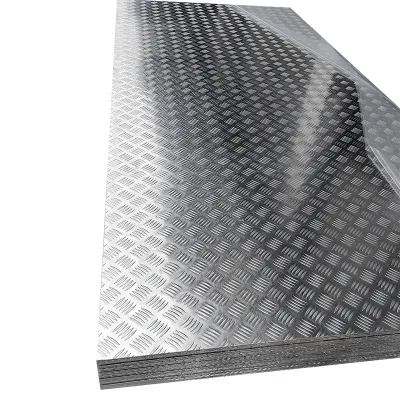


Comprehensive Sourcing Guide
Anti Slip 6061 Aluminum Plate Sourcing Guide
Sourcing anti-slip aluminum plate requires a nuanced understanding of how surface texture interacts with the inherent mechanical properties of the 6061 alloy. While the core keyword emphasizes the "anti-slip" characteristic, the underlying material is typically an aluminum alloy sheet or plate, often falling within the 6000 series, such as grade 6061, which is prized for its weldability and moderate strength. Buyers must recognize that the anti-slip feature is not a material property but a surface treatment applied to the base metal. This distinction is critical because the base alloy determines structural integrity, corrosion resistance, and formability, while the surface pattern determines traction and aesthetic finish. Procurement teams must therefore evaluate suppliers based on their ability to consistently apply embossed or patterned finishes without compromising the metallurgical integrity of the 6061 substrate.
The procurement landscape for these materials is diverse, with listings often overlapping between general aluminum plates and specialized textured sheets. Observed market signals indicate a wide range of thicknesses, from thin sheets suitable for decorative applications to thick plates used in heavy-duty transportation or industrial flooring. The presence of "Mill Finish" alongside "Embossed" options in supplier catalogs suggests that buyers can source either raw material for in-house processing or pre-finished anti-slip plates. Understanding this spectrum allows buyers to align their procurement strategy with their manufacturing capabilities. If a buyer lacks embossing equipment, they must prioritize suppliers who offer finished anti-slip surfaces, verifying that the texture depth and pattern density meet specific safety or design requirements.
Product Scope and Observed Listing Signals
The product scope for anti-slip 6061 aluminum plate encompasses a variety of forms, including sheets, plates, and coils, each serving different downstream applications. Listings frequently highlight applications such as transportation tools, heat sinks, door and window frames, and decorative elements. This versatility indicates that the material is not limited to industrial flooring but is also used in architectural and automotive contexts where a combination of lightweight strength and slip resistance is required. Buyers should note that while "anti-slip" is the primary search term, the actual product may be listed under broader categories like "Aluminum Alloy Sheet" or "Aluminum Plate," requiring careful scrutiny of the surface treatment description to confirm the presence of a textured or embossed finish.
Observed listing signals reveal significant variability in specifications, which can complicate direct comparisons. Thickness ranges observed in the market span from 0.15mm to over 500mm, indicating that suppliers cater to both lightweight sheet metal applications and heavy structural plate needs. Similarly, width and length dimensions vary, with some suppliers offering customized lengths and others providing standard mill sizes. The color is predominantly silver, consistent with the natural appearance of aluminum, though some listings mention color options, suggesting the availability of coated or anodized anti-slip plates. Buyers must verify that the specific anti-slip pattern, whether diamond, stucco, or leaf, is compatible with the chosen alloy grade and temper, as certain textures may be more suitable for specific thicknesses.
Technical Specifications to Verify
Verifying technical specifications is paramount when sourcing anti-slip 6061 aluminum plate, as the performance of the final product depends on the precise interaction between the alloy composition and the surface texture. The 6061 alloy is known for its good mechanical properties, particularly after heat treatment, but buyers must confirm the temper condition, which can range from O (annealed) to H112 (strain hardened). For anti-slip applications requiring high durability, a harder temper such as H18 or T6 may be preferred, whereas softer tempers might be selected for applications requiring further forming after installation. The tolerance levels, often cited as +/-0.02mm for thickness, are critical for ensuring that the plate fits within strict assembly constraints, especially in transportation or architectural applications where dimensional accuracy is non-negotiable.
Surface treatment and texture depth are equally critical technical parameters that must be explicitly defined in the purchase order. While "Mill Finish" is a common baseline, anti-slip plates require a specific embossed or patterned surface. Buyers should request detailed specifications regarding the pattern type, depth, and coverage area, as these factors directly influence the coefficient of friction. Additionally, the standard of the aluminum, such as ASTM B209 or EN standards, must be confirmed to ensure the material meets international quality benchmarks. The presence of certifications like ISO9001 or specific alloy certifications (ASTMB, EN, JIS) provides assurance that the manufacturing process is controlled, but buyers should still request mill test certificates to verify the chemical composition and mechanical properties of the specific batch.
Compliance and Safety Documentation
Compliance and safety documentation form the backbone of a responsible procurement strategy, ensuring that the anti-slip aluminum plate meets regulatory requirements for its intended use. Certifications such as ISO9001 indicate that the supplier adheres to quality management systems, which is essential for maintaining consistent surface texture and material properties. For applications in transportation or public infrastructure, additional certifications may be required to prove that the anti-slip surface meets specific safety standards for traction and durability. Buyers should inquire about any industry-specific certifications, such as those related to fire resistance or environmental impact, particularly if the plate is to be used in enclosed spaces or sensitive environments.
Environmental and export standards also play a significant role in the documentation process. Many suppliers adhere to RoHS standards, ensuring that the aluminum plate is free from hazardous substances, which is crucial for global supply chains and compliance with regulations in regions like the European Union. The packaging standards, often described as "Seaworthy Export Packing" with plastic film, kraft paper, and wooden pallets, must be verified to prevent damage during transit, which could compromise the integrity of the anti-slip surface. Buyers should ensure that the supplier provides clear documentation regarding the origin of the material, such as production in China or specific provinces like Shandong, to assess the reliability of the supply chain and potential logistical risks.
Cost Drivers and Commercial Terms
Cost drivers for anti-slip 6061 aluminum plate are influenced by a combination of raw material prices, processing complexity, and commercial terms. The base price of aluminum fluctuates with market conditions, but the additional cost of embossing or texturing the surface adds a significant premium. Buyers should be aware that thicker plates and wider widths may incur higher costs due to increased material usage and more complex manufacturing processes. The temper condition also affects pricing, with heat-treated tempers like T6 typically costing more than annealed tempers due to the additional energy and processing steps involved. Understanding these cost drivers allows buyers to negotiate more effectively and budget accurately for their projects.
Commercial terms, including minimum order quantities (MOQ), lead times, and payment conditions, vary widely among suppliers. Observed MOQs range from small quantities for sample orders to large bulk orders of several tons, reflecting the diverse needs of different buyers. Lead times can range from a few days for standard items to several weeks for customized specifications, impacting project timelines and inventory management. Buyers should clarify these terms early in the sourcing process to avoid delays and ensure that the supplier can meet their delivery requirements. Payment terms, such as deposits and balance payments, should be negotiated to balance risk and cash flow, with clear agreements on shipping methods and insurance coverage for high-value orders.
Supplier Qualification and Quality Control
Supplier qualification is a critical step in ensuring the reliability and consistency of anti-slip 6061 aluminum plate. Buyers should assess suppliers based on their production capabilities, quality control processes, and track record in the industry. Suppliers with advanced embossing equipment and strict quality control measures are more likely to deliver products that meet specific texture and dimensional requirements. It is advisable to request samples for testing before placing large orders, allowing buyers to verify the anti-slip performance, surface finish, and material properties. Suppliers who provide detailed technical support and are willing to collaborate on custom specifications are often better partners for complex projects.
Quality control should extend beyond the initial sample approval to include ongoing monitoring of production batches. Buyers should inquire about the supplier's inspection procedures, including in-process checks and final product inspections. Certifications such as ISO9001 can provide some assurance of quality management, but direct engagement with the supplier's quality team is essential. Buyers should also consider the supplier's ability to handle defects and provide replacements or credits if the product does not meet specifications. Establishing a clear communication channel for quality issues and defining acceptance criteria in the contract can help mitigate risks and ensure a smooth procurement process.
Long-Term Procurement Checks
Long-term procurement checks involve continuous monitoring of supplier performance, market trends, and product quality to ensure sustained value and reliability. Buyers should establish key performance indicators (KPIs) for delivery times, product quality, and customer service, reviewing these metrics regularly to identify areas for improvement. Building a strong relationship with the supplier can lead to better pricing, priority production, and access to new product developments. Regular audits or site visits, if feasible, can provide deeper insights into the supplier's operations and help verify their claims about quality control and production capacity.
Market trends and technological advancements in aluminum processing should also be monitored to stay ahead of industry changes. New anti-slip patterns or improved alloy compositions may offer better performance or cost savings, and being aware of these developments can inform future procurement decisions. Buyers should also consider the environmental impact of their sourcing choices, exploring options for recycled aluminum or suppliers with strong sustainability practices. By maintaining a proactive approach to supplier management and market analysis, buyers can ensure that their procurement of anti-slip 6061 aluminum plate remains efficient, cost-effective, and aligned with their long-term business goals.
FAQs
What certifications are available for 6061 aluminum plate?
Available certifications include ASTM, EN, JIS, ISO, and RoHS standards. These ensure the material meets international quality and safety requirements for various industrial applications. Buyers can verify specific compliance needs before ordering to guarantee suitability for their project specifications.
What thickness options exist for 6061 aluminum sheet?
Thickness ranges typically span from 0.15mm to 200mm or up to 500mm depending on the specific product line. This wide range allows for versatile use in heat sinks, transportation tools, and decorative structures. Custom thicknesses are often available to meet precise engineering requirements.
Can 6061 aluminum plate be customized for specific sizes?
Yes, customization is available for length, width, and thickness. Standard lengths range from 2000mm to 6000mm, with widths up to 2600mm. Buyers can request specific dimensions to fit their manufacturing needs, ensuring optimal material utilization and reducing waste during fabrication processes.
What is the typical lead time for aluminum plate orders?
Delivery times generally range from 8 to 10 days for standard items. Shipment may occur within 15 to 20 workdays after receiving the deposit. These timelines depend on order volume and specific customization requirements, so early planning is recommended for timely project completion.
What packaging standards are used for aluminum plate exports?
Products are packed using seaworthy export standards, including plastic film, kraft paper, and wooden pallets. This ensures protection against moisture and damage during transit. The packaging is designed to maintain the integrity of the aluminum surface, whether it is mill finish or embossed.
What are the common applications for 6061 aluminum plate?
Common applications include heat sinks, door and window frames, transportation tools, and glass walls. The material's anti-corrosion and heat-resistant properties make it ideal for these uses. It is also suitable for decorative purposes due to its available silver color and finish options.