Source Anti-Slip Sweat-Absorbent Pilates Yoga Socks for Fitness
Compare 30 listings of Anti-Slip Sweat-Absorbent Pilates Yoga Socks from verified Chinese manufacturers. Buyers can evaluate customization options, material blends like cotton and spandex, and non-slip features for yoga, pilates, and fitness activities; compare the available evidence and request quotations based on your requirements.
Key considerations
Products List


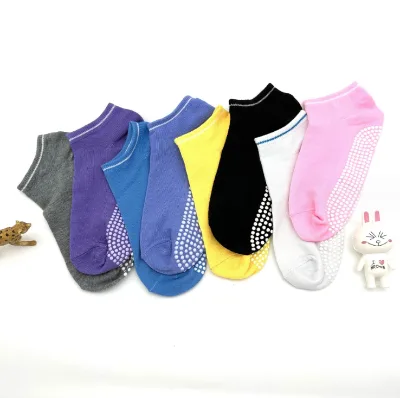


Breathable Custom Anti-Slip Sports Sock Women Cotton Pilates Yoga Crew Socks
$1.25 - $2.50
MOQ: 300 Pairs

Wholesale Custom Logo Anti-Slip Sports Sock Cotton Pilates Yoga Crew Socks
$1.25 - $2.50
MOQ: 300 Pairs

High Quality Custom Anti-Slip Sports Sock Cotton Yoga Pilates Socks for Women
$1.25 - $2.50
MOQ: 300 Pairs


Breathable Soft Custom Logo Pilates Sock Cotton Yoga Crew Socks for Women
$1.25 - $2.50
MOQ: 300 Pairs


Comprehensive Sourcing Guide
Anti-Slip Sweat-Absorbent Pilates Yoga Socks Sourcing Guide
Sourcing Anti-Slip Sweat-Absorbent Pilates Yoga Socks requires a clear understanding of the functional demands placed on footwear during low-friction, high-stability activities. These specialized socks are designed to provide grip on smooth studio floors while managing moisture to prevent slippage and blisters. Buyers must distinguish between general athletic socks and purpose-built yoga or pilates variants, which often feature silicone patterns or specialized knit structures on the sole. The primary value proposition lies in the combination of non-slip functionality and breathability, ensuring that practitioners remain stable during poses while keeping feet dry and comfortable.
Procurement teams should focus on verifying the specific construction methods that deliver these performance characteristics. The presence of non-slip elements is critical, often achieved through silicone dots or strips embedded in the knit. Additionally, sweat absorption is typically managed through material blends, such as cotton mixed with spandex, which offer both comfort and elasticity. Understanding these technical nuances allows buyers to evaluate supplier claims accurately and select products that meet the rigorous demands of fitness studios and individual consumers alike.
Product Scope and Observed Listing Signals
The current market landscape for yoga and pilates socks reveals a diverse range of product models and specifications. Observed listings indicate a variety of styles, including ankle socks, crew socks, and specific models like DL-WS-154, AB0033, and TLM-YS series variants. These products are generally categorized under sports socks with a focus on fitness and exercise usage. The observed price range spans from 0.2 to 3.75 USD, reflecting differences in material quality, customization options, and order volumes. This wide range suggests that buyers can find options suitable for both budget-conscious mass distribution and premium branded retail channels.
Minimum order quantities (MOQs) vary significantly, ranging from as low as 2 pairs to 5000 pairs, indicating flexibility for both small batch testing and large-scale production runs. Many suppliers offer OEM and ODM services, allowing for customized logos, packaging, and designs. The standard packing method often involves OPP bags or polybags with brand cards, though custom packaging is frequently available. Buyers should note that while many products are labeled as yoga or pilates socks, the specific technical attributes like thickness and length can vary, requiring careful verification of each listing to ensure alignment with procurement needs.
Technical Specifications to Verify
When evaluating technical specifications, buyers must prioritize the material composition and structural integrity of the socks. Common materials include cotton and spandex blends, which provide the necessary elasticity and breathability for active use. The thickness is typically described as normal, suitable for standard studio environments, but buyers should confirm this aligns with their target market's expectations. Additionally, the length of the sock, whether ankle or crew, impacts both comfort and aesthetic appeal. Verifying these physical attributes ensures that the final product meets the functional requirements of yoga and pilates practitioners who need secure fit and adequate coverage.
The non-slip feature is a critical technical specification that must be rigorously tested and verified. This functionality is often achieved through specific knitting techniques and the application of grip materials on the sole. Buyers should inquire about the durability of these non-slip elements, ensuring they withstand repeated washing and wear without peeling or losing effectiveness. Furthermore, the elasticity of the socks, often described as high, is essential for maintaining a snug fit that prevents bunching during movement. Confirming these details through sample requests or detailed product descriptions helps mitigate the risk of receiving subpar products that fail to perform in real-world conditions.
Compliance and Safety Documentation
Compliance and safety documentation are essential for ensuring that yoga and pilates socks meet regulatory standards in target markets. Buyers should request information regarding material safety, particularly concerning the dyes and chemicals used in the manufacturing process. While specific certifications are not always listed, it is crucial to verify that the products comply with relevant textile safety standards, such as those governing formaldehyde content, pH levels, and colorfastness. This documentation protects both the buyer and the end consumer from potential health risks associated with prolonged skin contact with textiles.
Additionally, buyers should ensure that the manufacturing process adheres to ethical labor practices and environmental regulations. Although not always explicitly stated, reputable suppliers often follow international standards for workplace safety and environmental management. Requesting audit reports or compliance certificates can provide assurance that the products are sourced responsibly. This due diligence is particularly important for brands that prioritize sustainability and ethical sourcing in their marketing messages. By verifying these aspects, buyers can build trust with their customers and avoid potential legal or reputational issues associated with non-compliant products.
Cost Drivers and Commercial Terms
Cost drivers for Anti-Slip Sweat-Absorbent Pilates Yoga Socks include material costs, customization requirements, and order volume. The use of cotton and spandex blends, along with the application of non-slip elements, contributes to the base production cost. Customization options, such as private labeling, custom packaging, and unique designs, can significantly increase the unit price. Buyers should carefully evaluate the trade-off between customization and cost, ensuring that the added value justifies the expense. Additionally, economies of scale play a role, with larger order volumes typically resulting in lower per-unit costs.
Commercial terms, including payment methods, shipping arrangements, and lead times, also impact the overall cost structure. Buyers should negotiate favorable terms that align with their cash flow and inventory management strategies. It is important to clarify who bears the responsibility for shipping costs and insurance, as well as the expected delivery timelines. Understanding these commercial terms helps buyers plan their budgets accurately and avoid unexpected expenses. By focusing on these key cost drivers, buyers can optimize their procurement strategy to achieve the best balance between quality, customization, and cost efficiency.
Supplier Qualification and Quality Control
Supplier qualification is a critical step in ensuring the reliability and consistency of Anti-Slip Sweat-Absorbent Pilates Yoga Socks. Buyers should assess suppliers based on their production capacity, quality control processes, and track record in the industry. Verifying the supplier's ability to handle OEM and ODM requests is essential, as it indicates their flexibility and expertise in custom manufacturing. Additionally, buyers should inquire about the supplier's quality control measures, including in-process inspections and final product testing, to ensure that the socks meet the specified standards for non-slip functionality and material quality.
Implementing a robust quality control plan is necessary to mitigate the risk of receiving defective products. This may include requesting pre-shipment samples, conducting third-party inspections, or establishing clear acceptance criteria for defects. Buyers should also consider the supplier's responsiveness to issues and their willingness to address quality concerns promptly. By thoroughly qualifying suppliers and implementing strict quality control measures, buyers can ensure that the products they source meet their expectations and maintain the integrity of their brand. This proactive approach helps build long-term partnerships with reliable suppliers and reduces the likelihood of costly recalls or customer complaints.
Long-Term Procurement Checks
Long-term procurement checks involve continuous monitoring of supplier performance and market trends to ensure ongoing value and quality. Buyers should regularly review supplier metrics, such as on-time delivery rates, defect rates, and responsiveness to issues, to identify any areas for improvement. Additionally, staying informed about changes in material costs, manufacturing technologies, and consumer preferences is crucial for adapting procurement strategies. By maintaining open communication with suppliers and fostering collaborative relationships, buyers can leverage their expertise to innovate and improve product offerings over time.
Furthermore, buyers should periodically reassess their supplier base to ensure it remains competitive and aligned with their strategic goals. This may involve exploring new suppliers, negotiating better terms, or diversifying sourcing locations to mitigate risks. Implementing a structured review process for supplier performance and market conditions helps buyers stay agile and responsive to changing business environments. By prioritizing long-term procurement checks, buyers can build a resilient supply chain that supports sustainable growth and maintains high standards of quality and service.
FAQs
Can these yoga socks be customized with a logo?
Yes, customized logos are available for these pilates socks. The product page confirms that OEM and ODM services are accepted, allowing buyers to add their branding. This customization option supports brand identity for fitness studios or retailers looking for unique, branded athletic wear solutions.
What material are these anti-slip pilates socks made from?
These socks are primarily made from a blend of cotton and spandex. This combination ensures durability and high elasticity, which is essential for a secure fit during yoga and fitness exercises. The cotton provides breathability, while the spandex offers the necessary stretch for comfortable movement.
What is the minimum order quantity for these socks?
The minimum order quantity ranges from 2 to 5000 pairs, depending on the specific supplier and customization requirements. This flexible MOQ allows both small businesses and large retailers to place orders that fit their inventory needs, with some suppliers offering samples for quality evaluation before bulk purchase.
Where are these yoga socks manufactured?
These socks are manufactured in China, with specific origins noted in Jiangsu and Zhejiang provinces. This location is a major hub for textile production, ensuring access to established supply chains and manufacturing capabilities for high-quality, customized athletic socks meeting various international standards and buyer specifications.
How are these pilates socks packaged for shipment?
Packaging options include OPP bags, polybags with brand cards, or custom packaging according to client requests. This flexibility allows buyers to choose standard retail packaging or bespoke solutions that align with their brand image. The packaging is designed to protect the socks while presenting them professionally to end consumers.
What sizes are available for these fitness socks?
Sizes range from standard Medium to fully customized dimensions. While some models offer specific size ranges like 35-38, many suppliers provide custom sizing to accommodate diverse foot shapes. This ensures a proper fit for various users, enhancing comfort and performance during yoga, pilates, and other fitness activities.