Source Anti Slip TPE Yoga Mat for Home, Gym, and Travel
Find 30 Anti Slip TPE Yoga Mat options from China suppliers. Compare models like BSM02 and TP19-EVAMT-MT 506, noting materials, sizes, and MOQs to select the right mat for home exercise, studio training, or portable fitness routines.
Key considerations
Products List


Wholesale Fitness Anti Slip Mat TPE Yoga Mat Custom Eco Friendly TPE Yoga Mat
$3.00 - $3.80
MOQ: 50 Pieces

Eco Friendly Anti Slip Wholesale TPE Yoga Mat
$2.50 - $6.00
MOQ: 1000 Pieces
Jiangsu Miaohong Environmental Protection New Material Co., Ltd.

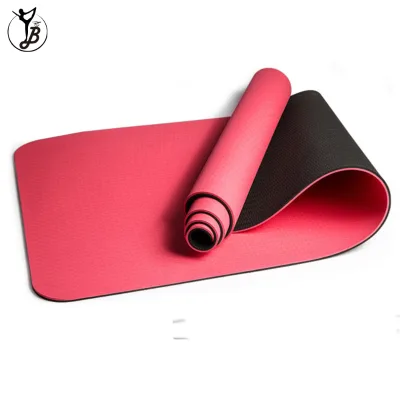
Waterproof and Sweatproof Two-Color TPE Yoga Mat
$2.50 - $6.00
MOQ: 1000 Pieces
Jiangsu Miaohong Environmental Protection New Material Co., Ltd.



Comprehensive Sourcing Guide
Anti Slip TPE Yoga Mat Sourcing Guide
Sourcing anti-slip TPE yoga mats requires a disciplined approach to material verification and surface texture analysis, as the term "anti-slip" is often used broadly in marketing without standardized performance metrics. Buyers must distinguish between the inherent properties of Thermoplastic Elastomer (TPE) and the specific manufacturing techniques used to enhance grip, such as embossing, micro-texturing, or dual-density layering. The provided data indicates that TPE is a primary material choice for several listed models, including those with model numbers like BSM02 and TP19-TPEM-MT 501, which are explicitly marketed for home exercise and yoga applications. Understanding the balance between the cushioning benefits of TPE and its natural slipperiness when wet is critical for ensuring the final product meets the safety expectations of end-users.
Procurement teams should also recognize that material composition can vary significantly even within the same category. While TPE is highlighted as a key material, other listings in the same dataset reference EVA, PVC, rubber, and cotton blends, which offer different friction coefficients and durability profiles. For instance, the model TP19-EVAMT-MT 506 is identified as an EVA yoga mat, demonstrating that suppliers often group various foam-based mats under similar search terms. Therefore, verifying the exact material percentage and layer structure is essential before placing orders. This verification ensures that the "anti-slip" claim is backed by the correct material science, preventing discrepancies between the ordered specification and the delivered goods.
Product Scope and Observed Listing Signals
The current market landscape for TPE yoga mats shows a wide range of physical specifications, with dimensions typically centering around 183 cm in length and widths between 61 cm and 71 cm. Observed standard sizes include 183610.6cm and 180*66cm, catering to both standard and extra-wide user preferences. Thickness is a critical differentiator, with options ranging from 0.4 cm to 1 cm, allowing buyers to select mats based on the intensity of the practice and the need for joint protection. The data also highlights weight variations, such as 950g and 1100g for specific models, which can influence shipping costs and user portability. These physical attributes must be aligned with the target demographic, whether it is for professional studios requiring durability or home users prioritizing lightweight convenience.
Packaging and branding strategies observed in the listings provide insight into the supplier’s operational maturity and target market segment. Common packing methods include rolling by OPP film, paper wrap with carry straps, and carton boxing, each offering different levels of product protection and retail readiness. For example, the model YM-TPE-001 is packed in a carton box, while the HDYM02 model uses a single piece per bag, suggesting flexibility in how the product is presented to the end consumer. Additionally, customization options such as logo printing and OEM acceptance are widely available, indicating that many suppliers are equipped to handle private label orders. Buyers should evaluate these packaging details not just for cost, but for their impact on brand perception and product integrity during transit.
Technical Specifications to Verify
When evaluating technical specifications, the focus should be on the surface texture and density consistency, which directly impact the anti-slip performance. Buyers should request detailed product datasheets that specify the surface finish, such as whether it is smooth, embossed, or textured, and how this texture is maintained after repeated use and washing. The provided facts mention features like "Anti-Slip Durable Washable Waterproof," which suggests a multi-functional design, but these claims require physical validation. It is advisable to request samples to test the coefficient of friction under both dry and slightly damp conditions, as TPE can become slippery when sweat is introduced if the surface treatment is inadequate.
Dimensional accuracy and material consistency are also vital technical checks. The listed standards, such as 183610.6cm, should be verified against actual measurements to ensure there is no significant deviation that could affect usability. Furthermore, the density of the TPE material should be consistent throughout the mat to prevent uneven cushioning or premature wear. Buyers should inquire about the manufacturing process, specifically whether the mat is single-layer or double-layer, as dual-layer constructions often provide better stability and grip retention. Verifying these technical details through sample testing and factory audits helps mitigate the risk of receiving products that fail to perform as advertised in real-world usage scenarios.
Compliance and Safety Documentation
Safety and regulatory compliance are paramount when sourcing yoga mats, especially those intended for direct skin contact and physical exercise. While the provided data includes low-confidence background references to CE and FSC certifications, buyers must not assume these are automatically granted. Instead, procurement teams should actively request valid certification documents from suppliers, ensuring that the mats meet the chemical safety standards of the target market, such as REACH in Europe or CPSIA in the United States. This includes verifying that the TPE material is free from harmful phthalates, heavy metals, and other toxic substances that could pose health risks during prolonged use.
Environmental and ethical considerations are increasingly important in the yoga mat industry, with many consumers preferring eco-friendly products. Buyers should ask suppliers for documentation regarding the recyclability of the TPE material and the sustainability of the manufacturing process. Although FSC certification is mentioned in the background, it is more relevant to paper-based packaging than the mat itself, so buyers should clarify which certifications apply to the product versus the packaging. Requesting third-party lab test reports for chemical composition and physical durability provides an objective basis for compliance, ensuring that the supplier’s claims are substantiated by independent verification rather than self-declaration.
Cost Drivers and Commercial Terms
The cost of TPE yoga mats is influenced by several factors, including material quality, thickness, packaging complexity, and order volume. The observed price range of 1.5 to 12.5 USD reflects significant variation, likely driven by differences in material density, surface treatment, and branding requirements. Thicker mats with additional features like carrying straps or premium packaging will naturally command higher prices. Buyers should analyze the cost structure in relation to the specified MOQ, which ranges from 5 to 10,000 pieces, to determine the most economical order quantity for their needs. Understanding these cost drivers helps in negotiating better terms and avoiding hidden costs associated with customization or expedited shipping.
Commercial terms such as payment methods and sample policies also play a crucial role in the procurement process. The data indicates that suppliers accept various payment methods, including PayPal, Western Union, TT, and Trade Assurance, each offering different levels of security and convenience. Trade Assurance, in particular, provides a layer of protection for buyers by ensuring that payments are released only upon satisfaction of agreed-upon conditions. Additionally, the availability of samples, with a typical sample time of 5-7 working days, allows buyers to evaluate product quality before committing to large orders. Buyers should clarify all commercial terms upfront, including return policies for defective goods and warranty coverage, to minimize financial risk.
Supplier Qualification and Quality Control
Supplier qualification is a critical step in ensuring a reliable supply chain for TPE yoga mats. Buyers should conduct thorough due diligence on potential suppliers, verifying their business licenses, manufacturing capabilities, and quality management systems. The presence of OEM and customization services suggests that many suppliers are experienced in handling private label orders, but buyers should still assess their capacity to maintain consistent quality across large production runs. Requesting references from existing clients and reviewing their track record for on-time delivery and defect rates can provide valuable insights into the supplier’s reliability and professionalism.
Quality control measures should be established before production begins, including clear specifications for materials, dimensions, and packaging. Buyers should implement a robust inspection process, such as pre-production sample approval and during-production checks, to catch any deviations early. The final inspection should include random sampling to test for anti-slip performance, durability, and visual defects. Establishing a clear communication channel with the supplier for addressing quality issues and defining acceptable quality limits (AQL) helps ensure that the delivered products meet the buyer’s standards. Regular audits and performance reviews can further strengthen the supplier relationship and drive continuous improvement.
Long-Term Procurement Checks
Long-term procurement success depends on continuous monitoring of supplier performance and market trends. Buyers should regularly review supplier metrics, such as defect rates, delivery times, and responsiveness to issues, to identify any potential risks or areas for improvement. Building a diversified supplier base can mitigate the risk of supply chain disruptions, allowing buyers to switch suppliers if necessary. Additionally, staying informed about advancements in TPE technology and new anti-slip treatments can help buyers stay competitive by offering innovative products to their customers.
Feedback from end-users is a valuable resource for improving product quality and meeting market demands. Buyers should establish channels for collecting customer feedback on the performance and durability of the yoga mats, using this information to refine specifications and select better suppliers. Regularly updating product specifications based on market trends and customer preferences ensures that the procurement strategy remains aligned with business goals. By maintaining a proactive approach to supplier management and product development, buyers can build a resilient and competitive supply chain for TPE yoga mats.
FAQs
What materials are used for anti slip tpe yoga mats?
Anti slip tpe yoga mats are primarily made from TPE material, though some listings also include EVA, cotton, foam, rubber, and PVC options. These materials provide durability and non-slip properties suitable for home exercise and sports training applications.
Which standard sizes are available for these yoga mats?
Standard sizes typically include dimensions like 183*61*0.6cm or 183*61cm, with thickness options ranging from 0.4cm to 1cm. Some specific models offer variations such as 180*66cm or 173*61cm to accommodate different user preferences and storage needs.
Can I request custom logos on the yoga mats?
Yes, customization is available for logos on these mats, allowing buyers to add their own branding. This service is often paired with OEM acceptance, enabling businesses to create unique products that meet specific design requirements for their target audience.
How is the packaging handled for bulk orders?
Packaging options vary by model, including carton boxes, rolling by OPP film, or paper wrap with a carry strap. Some specific items are packed as one piece per bag, ensuring the mats remain protected during shipping and storage until they reach the buyer.
What is the typical MOQ for ordering these mats?
The minimum order quantity ranges from 5 to 10,000 pieces depending on the specific supplier and product model. Some listings specify an MOQ of 100 pieces, while others may require higher volumes to qualify for certain pricing tiers or customization services.
Where are these yoga mats manufactured?
These products originate from China, with specific manufacturing locations noted in Jiangsu. This regional concentration often supports efficient logistics and competitive pricing for international buyers seeking reliable sources for high-quality exercise equipment.
Are samples available for testing before bulk purchase?
Samples are provided for buyers to test product quality before committing to large orders. The sample preparation time is typically 5 to 7 working days, allowing purchasers to verify features like anti-slip performance and material durability firsthand.