Source Anti-Static Black PEEK Scraper for Electronics, Construction, and Maintenance
Find and compare 30 Anti-Static Black PEEK Scraper options from verified suppliers. Evaluate specifications such as material composition, hardness, and dimensions to select the right tool for your specific industrial or commercial application needs; compare the available evidence and request quotations based on your requirements.
Key considerations
Products List


Colorful Silicone Tongue Coating Cleaning Brush Plastic Tongue Cleaner Scraper
$0.20 - $0.25
MOQ: 10000 Pieces


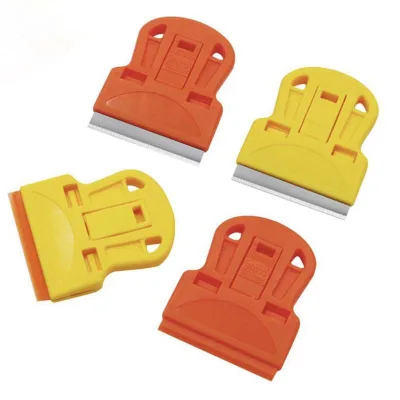


2. Multi Function Stainless Steel Scraper with TPR Handle Multi Purpose Scraper
$3.10 - $8.20
MOQ: 100 Pieces


Comprehensive Sourcing Guide
Anti-Static Black PEEK Scraper Sourcing Guide
Procurement teams must first distinguish between general-purpose scrapers and specialized anti-static variants, as the supplied data indicates a mix of standard polypropylene and polyethylene tools rather than confirmed anti-static PEEK products. The observed listings feature models like BSR026 and BSQ016 with varying weights and hardness levels, suggesting that specific material claims require direct verification against the supplier's technical datasheet before finalizing any order.
Buyers should prioritize suppliers who explicitly confirm the anti-static properties of their PEEK materials, as the provided facts list standard materials like PP, PE, and ABS without mentioning the specific polymer required for static dissipation. It is critical to request sample testing for surface resistivity to ensure the tool meets the necessary ESD protection standards for sensitive electronics assembly environments where static discharge could cause component failure.
Product Scope and Observed Listing Signals
The current market signals reveal a diverse range of scraper specifications, including models with dimensions ranging from 50mm to 165mm and weights varying significantly from 6g to 78g across different product lines. While some listings specify a black color and others offer pink or yellow options, the core requirement for an anti-static black scraper necessitates filtering these general listings to find units that specifically match the color and functional material profile.
Sourcing teams must carefully evaluate the observed MOQ ranges, which span from 100 pieces to 10,000 pieces, to align inventory needs with supplier capabilities. The presence of both OEM and non-OEM options in the data suggests that customization is available, yet buyers must confirm if the anti-static additive is a standard feature or a custom modification that impacts the minimum order quantity and lead time.
Technical Specifications to Verify
Verification of the blade material is essential, as the data lists carbon steel blades for some models but does not confirm the composition of the scraper body for the anti-static requirement. Buyers must ensure the handle material, often listed as TPR or rubber, provides the necessary grip and durability while maintaining the electrical properties required for the specific application environment.
Hardness ratings observed in the data, such as 30 Shore D and 70 Shore D, indicate a wide variance in tool stiffness that directly impacts scraping performance on different surfaces. Procurement specialists should demand precise hardness specifications for the anti-static black PEEK variant to ensure the tool is neither too soft to scrape effectively nor too hard to damage delicate substrates during the manufacturing process.
Compliance and Safety Documentation
Documentation regarding the electrical safety of the scraper is paramount, as the supplied facts do not explicitly list ESD certification or compliance with specific anti-static standards like ANSI/ESD S20.20. Buyers must request a certificate of conformance that validates the surface resistivity range of the PEEK material to ensure it falls within the safe dissipation limits required for handling sensitive electronic components.
Safety data sheets (SDS) should be reviewed to confirm that the manufacturing process does not introduce hazardous residues that could contaminate the production line. Although the data mentions mirror polishing and specific dimensions, it lacks explicit safety certifications, making it imperative to verify that the finished product meets all relevant occupational health and safety regulations for industrial use.
Cost Drivers and Commercial Terms
The cost of anti-static black PEEK scrapers is heavily influenced by the raw material premium associated with conductive polymers compared to standard plastics like PP or PE. The observed price range of 0.01 to 15 USD suggests a wide disparity, likely driven by material quality, customization levels, and the complexity of the molding process required to integrate static-dissipative properties.
Commercial terms such as packaging and shipping dates are noted as variable in the data, often depending on customer requirements and design specifics. Buyers should negotiate clear terms regarding the packaging, which may range from individual polybags to bulk cartons, and establish fixed lead times to mitigate the risk of delays caused by the specialized nature of the anti-static material sourcing.
Supplier Qualification and Quality Control
Supplier qualification must include a rigorous audit of their material sourcing capabilities to ensure they can consistently supply high-grade PEEK with verified anti-static properties. The data shows a mix of origins, primarily from China and Guangdong, but buyers must verify that the specific facility producing the anti-static line has the necessary quality control infrastructure to maintain material consistency.
Quality control protocols should focus on batch-to-batch testing of the hardness and electrical resistance to prevent defects that could compromise the tool's performance. Given the observed variations in weight and dimensions across different models, implementing a strict incoming inspection process is vital to ensure every unit meets the precise specifications required for the intended application.
Long-Term Procurement Checks
Establishing a long-term partnership requires regular re-verification of the anti-static performance of the scrapers to ensure the material properties have not degraded over time or due to environmental exposure. Buyers should schedule periodic audits of the supplier's production line to confirm that the manufacturing process remains stable and that the anti-static additives are being applied consistently.
Continuous monitoring of the supplier's ability to meet evolving order volumes is crucial, as the observed MOQs vary significantly between 100 and 10,000 pieces. Procurement teams must maintain open communication channels to address any changes in material availability or production capacity, ensuring a reliable supply chain that can adapt to fluctuating demand without compromising the quality of the anti-static tools.
FAQs
What materials are used for anti static black peek scrapers?
Anti static black peek scrapers are typically manufactured using durable plastics such as PP, PE, or ABS. Some specialized variants incorporate carbon steel blades for heavy-duty applications. The handles may be constructed from rubber or TPR to ensure a secure grip. These material choices provide the necessary hardness and flexibility for effective scraping tasks in various industrial environments.
Can these scrapers be customized for specific branding needs?
Yes, customization is available for many Anti-Static Black PEEK Scraper models. Buyers can often request specific colors, such as pink or yellow, alongside the standard black option. While some models support OEM services, others may not. It is essential to verify the customization capabilities and packaging requirements with the supplier before placing an order to ensure alignment with your brand standards.
What is the typical MOQ for ordering these scrapers?
The minimum order quantity varies by model, ranging from 100 to 1000 pieces. For instance, the BSR026 model has an MOQ of 100 pieces, while the BSQ015 requires 1000 pieces. Other models may have an MOQ of 200 pieces. Buyers should check the specific product page for the exact MOQ associated with their desired model and specifications.
How are these scrapers packaged for shipping?
Packaging methods depend on the specific product model and customer requirements. Common options include carton boxes or polybags with inner boxes. For example, some putty knife scrapers are packed as one piece per polybag, with twelve pieces in an inner box. The final packaging configuration is often determined by the buyer's logistical needs and the supplier's standard practices.
What are the standard dimensions for these scraping tools?
Standard dimensions vary significantly across different models. Sizes include 143 by 94mm, 76 by 55mm, and 155 by 87mm. Some specialized tools may have a square format of 50 by 50mm or a width of 165 by 75mm. Buyers should select the dimension that best fits their specific application requirements and workspace constraints.
Are these scrapers suitable for wall applications?
Yes, certain models are explicitly designed for wall applications. These tools often feature carbon steel blades that are mirror polished for smooth operation. The handles are typically made from rubber or TPR to provide comfort during extended use. These features make them ideal for tasks such as plastering, painting preparation, or general wall maintenance in construction and renovation projects.