Source Anti Static Adjustable Laboratory Chair for Labs, Offices, Schools
Find and compare 30 Anti Static Adjustable Laboratory Chair options from verified suppliers. Evaluate features like swivel casters, PU surfaces, and fixed lifting chassis to select the right seating for chemistry, biology, or office environments.
Key considerations
Products List


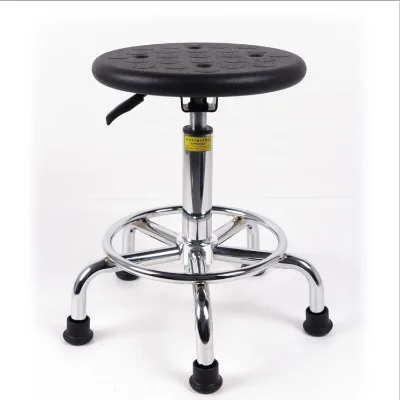
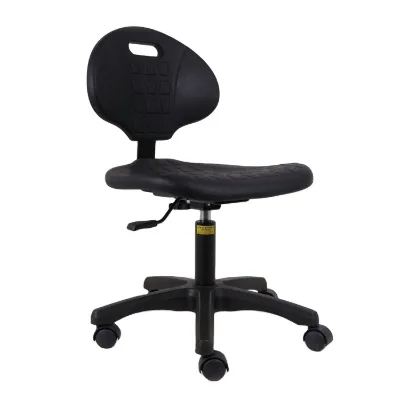
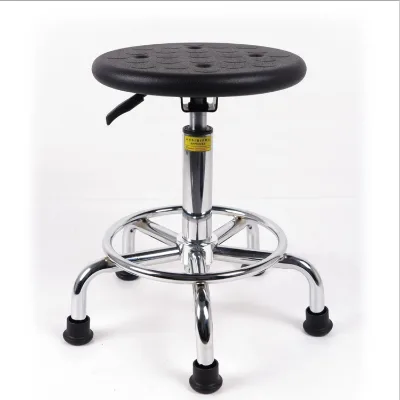
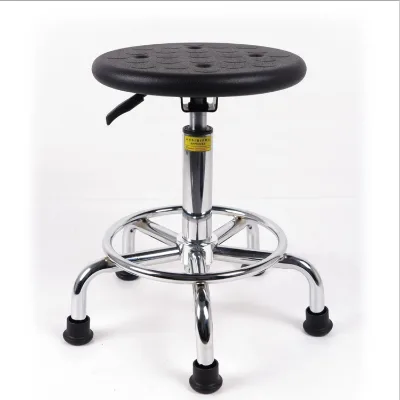
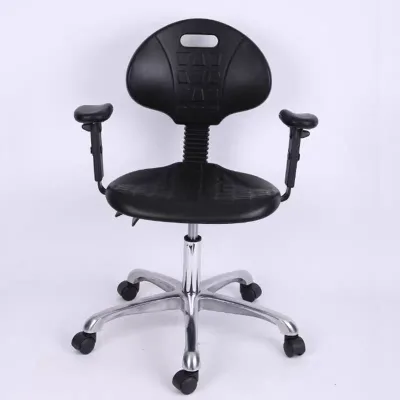
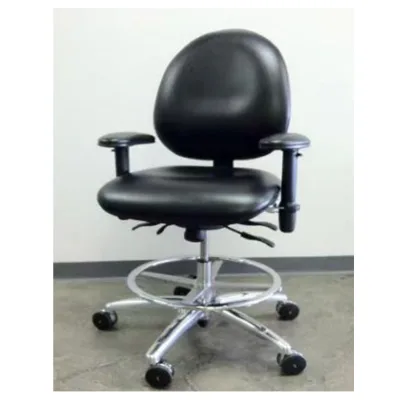


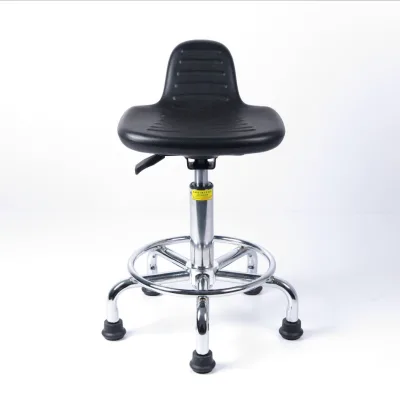


ESD Anti-Static Electricity Height Adjustable Plastic Movable Laboratory Chair
$36.00 - $48.00
MOQ: 10 Pieces


PU ESD Chair Computer Lab Chair Price Antistatic School Laboratory Chair
$45.00 - $58.00
MOQ: 10 Pieces


Comprehensive Sourcing Guide
Anti Static Adjustable Laboratory Chair Sourcing Guide
Procuring specialized seating for controlled environments requires a shift from standard commercial furniture criteria to rigorous technical and safety specifications. The anti-static adjustable laboratory chair serves as a critical component in facilities where electrostatic discharge (ESD) poses a risk to sensitive equipment, samples, or personnel. Buyers must recognize that these units are not merely ergonomic seats but engineered systems designed to dissipate static electricity while providing the mobility and height adjustment necessary for dynamic laboratory workflows. The sourcing process demands a careful balance between physical durability, electrical performance, and compliance with institutional safety standards.
This guide outlines the essential verification steps for sourcing these chairs, focusing on observable listing signals, technical parameters, and commercial realities. By adhering to evidence-based procurement practices, buyers can mitigate the risk of acquiring non-compliant products that fail to meet the stringent requirements of chemistry, physics, or biological laboratories. The following sections provide a structured approach to evaluating suppliers, verifying specifications, and establishing long-term supply chain reliability for this specialized category of laboratory furniture.
Product Scope and Observed Listing Signals
The market for anti-static laboratory chairs presents a diverse range of options, often categorized under broader labels such as PU lab chairs, laboratory furniture, or commercial seating. Observed listings indicate a wide variety of models, including specific identifiers like BM-TS, KS KP lab chair, and PU-5001-#4801, suggesting that manufacturers offer multiple configurations to suit different laboratory layouts. These products are frequently described with features such as modern design styles and specific material compositions, primarily utilizing PU (polyurethane) for the seating surface and iron or aluminum for the chassis. Buyers should note that while the core function remains consistent, the aesthetic and structural variations can significantly impact integration into existing laboratory infrastructure.
Listing signals also reveal important details about customization and packaging. Many suppliers indicate that customization is available, allowing institutions to tailor chair dimensions or colors to match specific laboratory branding or safety protocols. Common color options observed include black, blue, and red, which may be selected for visibility or coding purposes within a facility. Packaging is typically described as carton or paper box, which is standard for protecting the chair during transit. However, buyers must verify if the packaging includes sufficient cushioning to prevent damage to the anti-static coating or mechanical components during shipping, especially when ordering in bulk quantities.
Technical Specifications to Verify
The most critical technical attribute of these chairs is their anti-static performance, which is often quantified by system resistance values. Verified data indicates that compliant units typically exhibit a system resistance ranging from 10^4 to 10^9 Ω, a range essential for safely dissipating static charges without creating a shock hazard. Buyers must insist on documentation that confirms this resistance range, as values outside this spectrum may either accumulate static electricity or provide insufficient grounding. Additionally, the chair surface dimensions, such as 440 * 470mm, and backrest sizes, like 410 * 310mm, should be verified to ensure ergonomic compatibility with the intended users and laboratory bench heights.
Adjustability and mobility are equally vital for laboratory functionality. The chassis function is often described as fixed adjustable lifting, allowing users to modify the seat height to accommodate different workstations. Observed size ranges for seat height or overall dimensions vary, with some models offering adjustments between 400 mm and 560 mm. The wheel type is predominantly swivel casters, which facilitate easy movement between work areas. Buyers should verify the wheel material and locking mechanisms to ensure they are suitable for laboratory floors, which may be epoxy-coated or tiled, and that the casters do not shed particles that could contaminate cleanroom or sensitive experimental environments.
Compliance and Safety Documentation
While specific certification statuses such as ISO 9001 are mentioned in background contexts, buyers must treat these as potential claims rather than guaranteed facts. It is imperative to request current, valid certificates from the supplier to verify that the manufacturing facility adheres to recognized quality management standards. Compliance with local and international safety regulations is non-negotiable for laboratory equipment. Buyers should ask for test reports that specifically validate the anti-static properties, ensuring that the resistance values are measured under standard laboratory conditions and not just in idealized settings.
Corrosion resistance is another key safety and durability factor, particularly in laboratories where chemical spills or humid environments are common. Listings often claim that these chairs are corrosion-proof, a feature that is crucial for longevity and hygiene. Buyers should verify the type of metal used in the chassis, with iron and aluminum being common materials, and inquire about the surface treatment or coating process that provides this corrosion resistance. Additionally, the material of the seating, typically PU, should be evaluated for its resistance to common laboratory solvents and its ease of cleaning, ensuring that it does not degrade or harbor contaminants over time.
Cost Drivers and Commercial Terms
The cost of anti-static laboratory chairs is influenced by several factors, including the complexity of the anti-static system, the quality of materials, and the degree of customization required. Observed price ranges in the market vary significantly, from as low as $2 to over $120 per unit, reflecting differences in build quality, brand reputation, and included features. Buyers should be cautious of prices that seem unusually low, as they may indicate compromised materials or lack of rigorous testing. The minimum order quantity (MOQ) also plays a role in pricing, with observed MOQs ranging from 1 piece to 100 pieces, allowing for both small-scale replacements and large-scale procurement projects.
Commercial terms such as packaging details and port of dispatch are important for calculating the total landed cost. Most suppliers offer standard carton packaging, but buyers should confirm if additional costs apply for reinforced packaging or custom branding. The port of dispatch, often Guangzhou for suppliers originating from Guangdong, China, affects shipping times and logistics costs. Buyers should also inquire about the supplier's policy on small orders, as some may accept single-item purchases while others may have stricter MOQs. Understanding these commercial variables helps in budgeting accurately and avoiding unexpected expenses during the procurement process.
Supplier Qualification and Quality Control
Selecting a reliable supplier requires due diligence beyond just reviewing product listings. Buyers should verify the supplier's place of origin, with many manufacturers located in Guangdong, China, a hub for furniture production. It is advisable to request company profiles, production capacity details, and evidence of past experience in supplying laboratory furniture. Suppliers who specialize in laboratory equipment are more likely to understand the specific requirements of anti-static chairs and provide better technical support. Additionally, buyers should check if the supplier offers after-sales service, including warranty terms and availability of spare parts such as casters or gas lifts.
Quality control processes should be clearly defined and communicated by the supplier. Buyers should ask about the inspection procedures conducted before shipment, including checks for structural integrity, anti-static performance, and cosmetic defects. For large orders, considering third-party inspection services can provide an additional layer of assurance. Suppliers who are transparent about their quality control measures and willing to accommodate pre-shipment inspections are generally more reliable. Establishing a clear communication channel for addressing any quality issues post-delivery is also crucial for maintaining a successful procurement relationship.
Long-Term Procurement Checks
Establishing a long-term supply relationship involves regular performance reviews and continuous monitoring of product quality. Buyers should track the performance of the chairs in the laboratory environment, noting any issues related to wear and tear, anti-static degradation, or mechanical failure. Feedback from laboratory staff can provide valuable insights into the ergonomic comfort and practical usability of the chairs. Regularly reviewing supplier performance against agreed-upon metrics, such as delivery times, product consistency, and responsiveness to issues, helps in maintaining high standards of procurement.
As laboratory requirements evolve, buyers should remain open to technological advancements and new product offerings from their suppliers. This may include chairs with enhanced ergonomic features, improved materials, or updated anti-static technologies. Maintaining a diversified supplier base can also mitigate risks associated with supply chain disruptions. By staying informed about industry trends and continuously evaluating procurement strategies, buyers can ensure that their laboratory seating solutions remain effective, safe, and cost-efficient over the long term.
FAQs
What customization options are available for this chair?
Customization is available for this anti-static adjustable laboratory chair. Buyers can request specific modifications to meet unique facility requirements while maintaining the core functional design and safety standards.
How does the anti-static system function in this chair?
The chair features an anti-static version with a system resistance between 10e4 and 10e9 ohms. This specification ensures safe dissipation of static electricity in sensitive laboratory environments like chemistry or biology labs.
Can this chair be used in hospital and school settings?
Yes, the chair is designed for use in hospitals, schools, and companies. Its durable construction and adjustable height make it suitable for various commercial furniture applications including medical and educational facilities.
What is the minimum order quantity for purchasing this chair?
The minimum order quantity is one piece. This low MOQ allows buyers to test the product quality before committing to larger orders for their laboratory or office needs.
Which materials are used to construct the chair frame?
The chair frame is constructed from iron or aluminum metal types. These materials provide the necessary durability and corrosion resistance required for long-term use in laboratory and office environments.
What are the dimensions of the backrest on this chair?
The backrest measures 410 by 310 millimeters. This size provides adequate support for users while fitting standard laboratory workspaces and ensuring ergonomic comfort during extended periods of use.
How is the chair packaged for shipping from China?
The chair is packed in a carton or paper box for protection during transit. It originates from Guangdong, China, and is dispatched via the Guangzhou port to ensure safe delivery to international buyers.