Source Anti-Static Radiation-Resistant Conductive Copper Fabric for Security, Hospital, and Garment
Find 30 listings for anti-static radiation-resistant conductive copper fabric tailored for security, hospital, and garment applications. Buyers can compare specifications like shielding effectiveness, material composition, and custom sizes from verified suppliers.
Key considerations
Products List


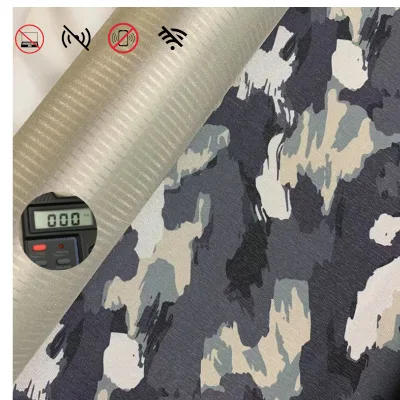
Electromagnetic Copper Nickel Conductive Fabric Anti Radiation Mesh Fabric
$6.06 - $7.58
MOQ: 1 Square Meters


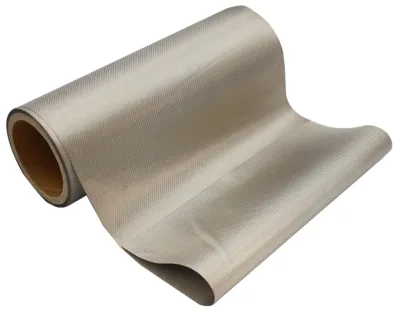
Anti Static Electromagnetic Fabric Nickel Copper Radiation Protection Fabric
$3.50 - $4.50
MOQ: 1 Square Meters


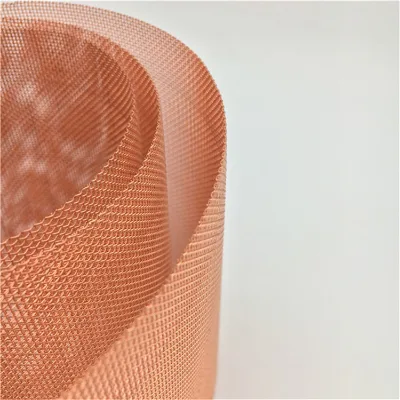
Anti Static Electromagnetic Fabric Nickel Copper Radiation Protection Mesh Fabric
$6.06 - $7.58
MOQ: 1 Square Meters


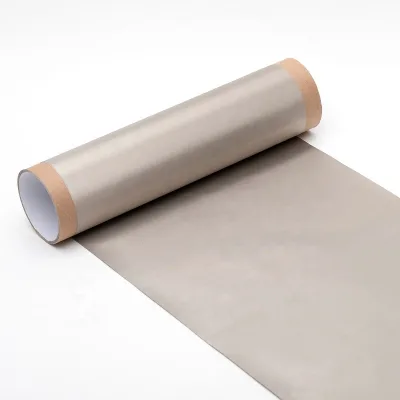
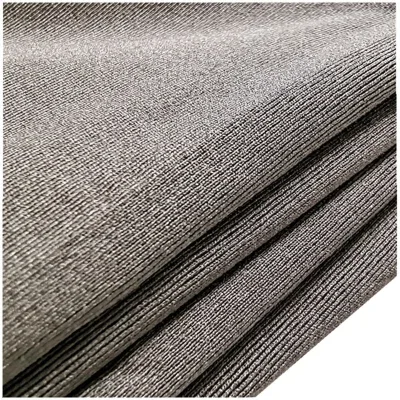
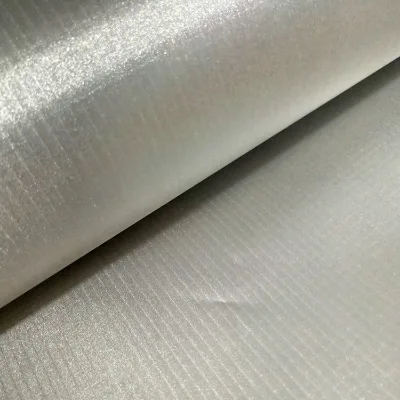
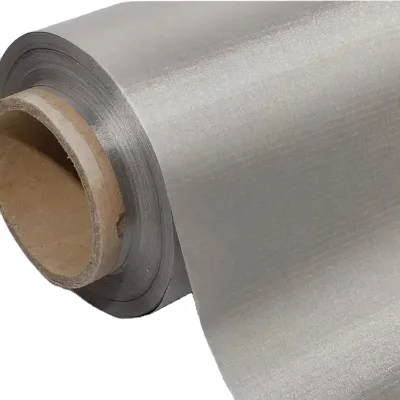

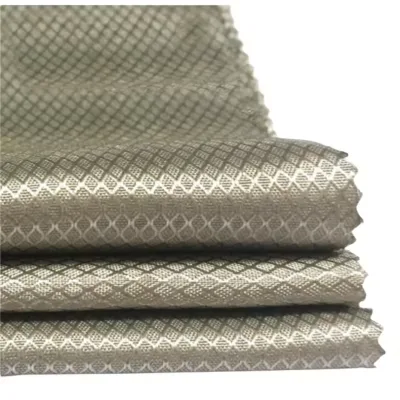
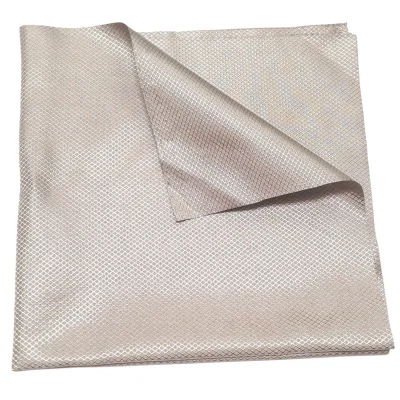

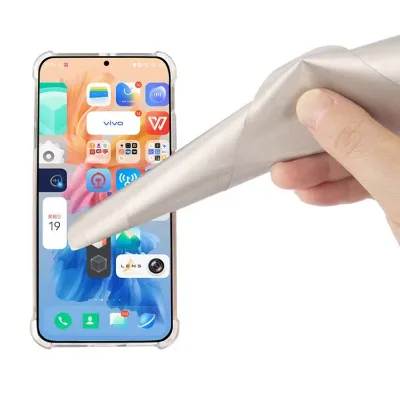
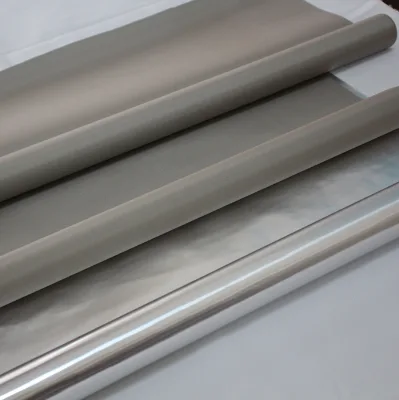
Comprehensive Sourcing Guide
Strategic Sourcing Guide for Anti-Static Radiation-Resistant Conductive Copper Fabric
Navigating the procurement landscape for specialized industrial textiles requires a rigorous understanding of material composition, functional performance, and supply chain reliability. For buyers seeking anti-static radiation-resistant conductive copper fabric, the primary objective is to secure a material that integrates electromagnetic shielding capabilities with robust mechanical properties. The market offers a variety of configurations, ranging from simple metal mesh structures to complex composite weaves. This guide synthesizes available product attributes and industry standards to provide a disciplined framework for evaluating potential suppliers and specifications without relying on unverified claims or external data.
Technical Composition and Structural Integrity
The foundation of any high-performance conductive fabric lies in its material composition and structural architecture. Based on observed product data, the most effective configurations for radiation resistance and conductivity often utilize a specific blend of fibers. A verified material composition for this category includes 58% Polyester, 32% Copper, and 10% Nickel. This tri-component blend is critical; the polyester provides the structural backbone and durability, while the copper and nickel fibers are engineered to create a continuous conductive network. The presence of a "Silver Fiber" structure in some listings indicates a specific weaving technique designed to maximize surface conductivity, though the copper-nickel blend remains the standard for radiation resistance.
The physical structure of the fabric is equally important. Buyers must distinguish between single-layer networks and multi-layer composites. Observed specifications indicate a "Single Network" structure for certain filter elements, while other listings describe a "Modified Fiber" structure for broader textile applications. For radiation shielding, the integrity of the conductive path is paramount. The fabric must maintain a consistent density, with observed values reaching up to 230 g/m², ensuring that the conductive elements are sufficiently packed to block electromagnetic interference. The thickness of the material is another variable, with standard observations ranging from 0.08mm for lightweight applications to thicker variants for heavy-duty industrial use. The wire diameter, where applicable in mesh-based constructions, can range from 0.025mm to 2.03mm, directly influencing the mesh count and the resulting shielding effectiveness.
Electromagnetic Shielding and Functional Performance
The primary functional requirement for this material class is electromagnetic shielding. Effective anti-static and radiation-resistant fabrics must demonstrate a specific shielding range and effectiveness. Verified data points to a shielding range of 10MHz to 3GHz with an effectiveness of greater than or equal to 60dB. This metric is crucial for applications involving sensitive electronic equipment, medical imaging facilities, or secure communication environments. The fabric must not only block external interference but also prevent internal emissions from escaping, a dual function often required in hospital and security settings.
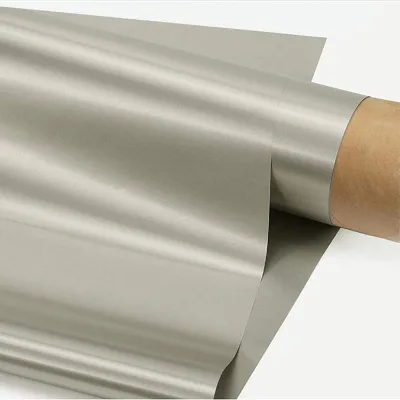
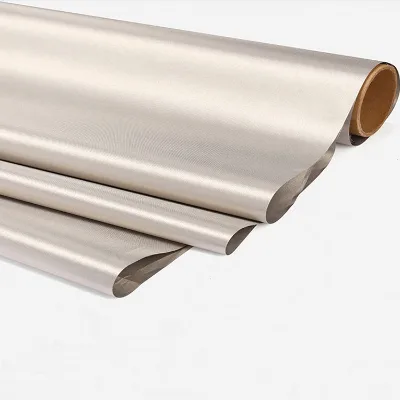
Beyond shielding, the material must possess specific functional attributes. "High Antistatic" properties are a standard requirement to prevent static discharge, which can damage sensitive components or ignite flammable environments. The fabric is also frequently described as "Eco-Friendly," "Anti-Bacterial," and "Corrosion-Resistant." These features extend the utility of the fabric beyond pure shielding, making it suitable for healthcare environments where hygiene is critical. The "Breathability" of the fabric is another key consideration; while high-density conductive fabrics can be restrictive, observed data suggests a "Medium" breathability rating, balancing protection with comfort for garment applications. The color of the finished product is typically "Silver Gray," a visual indicator of the metallic content, though this may vary based on the specific coating or alloy used.
Application Scenarios and Usage Requirements
The versatility of conductive copper fabric allows it to serve in diverse sectors, from industrial filtration to personal protective equipment. Observed usage categories include "Security," "Hospital," "Garment," "Bags," and "Industry." In the security sector, the fabric is utilized for shielding sensitive documents or equipment from electronic eavesdropping. In hospital settings, the combination of anti-static and anti-bacterial properties makes it ideal for surgical gowns, curtains, and protective drapes that require both radiation shielding and infection control.
Industrial applications often leverage the material's filtration capabilities. The fabric can function as an "Air Filter," "Liquid Filter," or "Solid Filter," depending on the mesh density and structure. For instance, a "Single Network" structure with a mesh number ranging from 1 to 400 mesh is suitable for precise filtration tasks. The "Plain" pattern is common for general-purpose applications, while "Ripstop" features are noted for enhanced durability in heavy-duty bags and industrial covers. The width of the fabric is another critical specification; standard widths observed include 43/44 inches, with options for custom widths to minimize waste during manufacturing. The ability to produce "Customized Size" and "Customized Packing" allows suppliers to tailor the product to specific roll dimensions or carton requirements, optimizing logistics for the buyer.
Compliance Verification and Standard Alignment
When sourcing specialized textiles, verifying compliance with relevant standards is non-negotiable. While specific certification bodies are not listed in the provided data, buyers must demand evidence of adherence to industry norms. The observed standard "16mm1m1m" and "1080cm Width" suggest that manufacturers operate within defined dimensional parameters, but these are product-specific standards rather than universal safety certifications. Buyers should verify that the fabric meets international standards for electromagnetic compatibility (EMC) and material safety.
The material composition itself serves as a primary compliance indicator. The explicit mention of "58% Polyester + 32% Copper + 10% Nickel" provides a clear chemical profile that can be cross-referenced with safety data sheets (SDS). Buyers must ensure that the copper and nickel content does not exceed regulatory limits for specific applications, particularly in food processing or direct skin contact scenarios. Additionally, the "Eco-Friendly" claim requires verification through recognized environmental management systems or third-party testing. The "Radiation Resistant Material" classification, attributed to a "Metal Coating," implies a specific manufacturing process that should be validated against radiation safety standards. Without explicit certification data, the buyer's due diligence must focus on requesting test reports that confirm the shielding effectiveness and material safety claims.
Supplier Evaluation and Production Capabilities
Selecting a reliable supplier involves assessing their production capacity, customization capabilities, and logistical reliability. The data indicates that customization is "Available" across multiple attributes, including size, packing, and structure. This flexibility is a strong indicator of a supplier's ability to meet unique client requirements. The "Place of Origin" is listed as "Hebei, China" and "Shenzhen," suggesting a concentration of manufacturing hubs in these regions. Buyers should verify the specific factory location to ensure it aligns with their supply chain strategy and risk tolerance.
Lead times are a critical factor in procurement planning. Observed delivery times are "Within 7 Days," which indicates a high level of readiness and inventory management. However, this timeframe may apply to standard items; customized orders often require longer lead times. The "MOQ" (Minimum Order Quantity) ranges from 1 to 1000 units, offering flexibility for both prototype development and large-scale production runs. The "Samples" policy, offering "A4 Size for Free," is a valuable tool for buyers to evaluate the physical quality of the fabric before committing to a larger order.
| Evaluation Criteria | Key Observation | Buyer Verification Action |
|---|---|---|
| Material Composition | 58% Polyester, 32% Copper, 10% Nickel | Request SDS and composition test reports. |
| Shielding Effectiveness | 10MHz-3GHz, ≥60dB | Demand independent EMC test certificates. |
| Customization | Available for Size, Packing, Structure | Confirm lead time impact for custom orders. |
| Origin | Hebei, China; Shenzhen | Verify factory audit reports and location. |
| Delivery Time | Within 7 Days | Clarify if this applies to stock or custom items. |
| MOQ | 1-1000 | Negotiate based on volume tiers. |
Quality Control and Long-Term Procurement Strategy
Maintaining quality consistency is essential for long-term procurement success. The "prod_packing" methods, such as "Packing in Cartons or Wooden Cases" or "Pack as Roll," must be evaluated for their ability to protect the fabric during transit. Conductive fabrics are sensitive to physical damage and environmental factors; improper packaging can compromise the conductive network. The "Modified Fiber" structure and "Silver Fiber" attributes suggest that the fabric's performance is dependent on the integrity of the weave, which can be damaged by excessive bending or crushing.
Buyers should implement a rigorous quality control protocol that includes incoming inspection of the shielding effectiveness and physical dimensions. The "Density" of 230 and "Thickness" of 0.08mm are specific benchmarks that should be measured upon receipt. For long-term contracts, establishing a clear specification sheet that references the exact material blend and shielding range is crucial. This prevents scope creep and ensures that all future deliveries meet the original performance criteria. Additionally, buyers should consider the "Feature" set, such as "Anti-Bacterial" and "Corrosion-Resistant," as these attributes may degrade over time or with repeated washing, requiring periodic re-testing to ensure ongoing compliance.
In conclusion, sourcing anti-static radiation-resistant conductive copper fabric requires a meticulous approach that balances technical specifications with supplier reliability. By focusing on the verified material composition, shielding performance, and customization capabilities, buyers can identify suppliers that offer genuine value. The observed data provides a solid baseline for evaluation, but the ultimate success of the procurement depends on thorough due diligence, including the verification of standards, testing of samples, and clear communication of requirements. This disciplined strategy ensures that the acquired fabric meets the demanding needs of security, medical, and industrial applications.
FAQs
What is the material composition of the conductive fabric?
The verified material composition is 58% Polyester, 32% Copper, and 10% Nickel. This blend ensures structural durability while providing a continuous conductive network for effective shielding against electromagnetic interference.
How effective is the electromagnetic shielding performance?
The fabric provides a shielding effectiveness of at least 60dB within the 10MHz to 3GHz range. This high-performance level is suitable for protecting sensitive electronics in security and hospital environments from external interference.
Can the fabric be customized for specific sizes and packaging?
Yes, customization is available for size, structure, and packing methods. Buyers can request specific widths, roll dimensions, or carton packaging to align with their production lines and logistical requirements without compromising material integrity.
What are the typical delivery times for orders?
Standard delivery times are within 7 days for available stock items. While this indicates high readiness, customized orders may require adjusted timelines depending on the complexity of the requested specifications and current production capacity.
Which industries commonly use this radiation-resistant fabric?
Common usage sectors include security, hospitals, garment manufacturing, and industrial filtration. The material serves as air, liquid, or solid filters while offering anti-static and anti-bacterial properties essential for healthcare and safety applications.
What is the minimum order quantity for procurement?
The minimum order quantity ranges from 1 to 1000 units depending on the supplier and product configuration. This flexibility allows buyers to order small samples for testing or larger quantities for immediate production needs.