Source Nylon Spandex Rib Fabric for Garments, Sportswear, and Lining
Find 30 Nylon Spandex Rib Fabric options from Chinese suppliers. Compare features like high elasticity, anti-static properties, and compositions ranging from 78% Nylon/22% Spandex to 96% Polyester blends. Ideal for yoga wear, dresses, and home textiles; compare the available evidence and request quotations based on your requirements.
Key considerations
Products List


Plain Dyed Nylon Spandex Micro Fiber Knitted Rib Fabric for Yoga Leggings
$3.28 - $6.56
MOQ: 1000 Yards


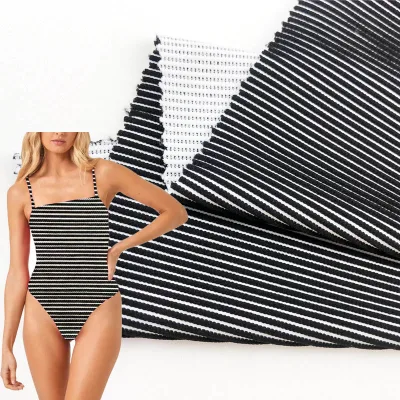


High Quality Nylon 100 Waterproof Woven Rayon Nylon Spandex Woven Fabric
$1.20 - $2.56
MOQ: 1000 Meters


Comprehensive Sourcing Guide
Nylon Spandex Rib Fabric Sourcing Guide
Sourcing Nylon Spandex Rib Fabric requires a nuanced understanding of fiber composition, knitting techniques, and end-use performance. Buyers must distinguish between standard woven or plain knitted structures and true rib constructions, which offer superior elasticity and recovery. The supplied data indicates a market presence for nylon-spandex blends, often cited with high elasticity and anti-static properties, but specific ribbing configurations are not explicitly detailed in the provided listings. Consequently, procurement teams must verify the exact knit structure, such as 1x1 or 2x2 rib, to ensure the fabric meets the mechanical demands of garments like yoga wear, sportswear, or fitted apparel.
The observed product landscape includes various nylon-spandex compositions, ranging from 80/20 to 78/22 ratios, alongside other blends like polyester-spandex. These variations significantly impact hand feel, durability, and cost. Buyers should note that while some listings mention "rib" in the keyword context, the technical specifications often describe weft knitting or plain dyed styles. It is critical to request physical samples to confirm the rib structure’s stability and stretch recovery. Misidentifying the knit type can lead to production issues, such as excessive curling or loss of shape after washing, which are common pitfalls in nylon-spandex sourcing.
Product Scope and Observed Listing Signals
The current market signals for nylon-spandex fabrics highlight a strong emphasis on performance attributes such as high elasticity, anti-static behavior, and durability. Listings frequently mention features like anti-pilling, moisture absorption, and far-infrared properties, suggesting a focus on activewear and technical garments. The observed price range of $0.5 to $13 USD reflects a wide spectrum of quality, from basic utility fabrics to premium technical textiles. Buyers should interpret this variance as an indicator of differing fiber origins, dyeing processes, and finishing treatments rather than a uniform product category.
Minimum order quantities (MOQs) observed between 100 and 2500 units suggest flexibility for both small-batch prototyping and larger production runs. Many suppliers offer customization options, including logo printing and specific color matching, which is vital for branded apparel lines. However, the presence of "customized" models and standards implies that off-the-shelf inventory may be limited. Procurement teams should prepare for longer lead times, as some suppliers indicate production times of up to 30 days, particularly for made-to-order items. This variability requires careful inventory planning to avoid stockouts or excess holding costs.
Technical Specifications to Verify
Verifying the exact fiber composition is paramount, as the supplied data shows variations such as 80% Nylon/20% Spandex and 78% Nylon/22% Spandex. These ratios directly influence the fabric’s stretch recovery, softness, and resistance to abrasion. Buyers must confirm whether the spandex is covered or bare yarn, as this affects the fabric’s surface texture and durability. Additionally, the knitting technique, whether weft knitting or other methods, determines the fabric’s drape and structural integrity. Requesting detailed spec sheets that include GSM, width, and shrinkage rates is essential for accurate pattern making and cost estimation.
Physical features such as medium strength, high elasticity, and anti-crease properties should be validated through lab testing or sample evaluation. The observed listings mention features like heat insulation and blackout capabilities, which may not be standard for all nylon-spandex rib fabrics. Buyers should clarify if these are inherent to the base fabric or results of specific finishing processes. Furthermore, confirming the fiber cross-section, such as hollow filament, can provide insights into thermal regulation and weight. Ensuring these technical parameters align with the end-product requirements prevents costly rework and ensures customer satisfaction.
Compliance and Safety Documentation
While specific certifications like ISO 9001 and OEKO-TEX are mentioned in the background context, their applicability to every supplier is not confirmed. Buyers must independently verify that their chosen suppliers hold valid certifications relevant to their target markets, such as REACH for Europe or CPSIA for the US. Compliance with chemical restrictions, particularly regarding azo dyes and formaldehyde, is critical for nylon-spandex fabrics, which often undergo extensive dyeing and finishing processes. Requesting test reports from accredited laboratories ensures that the fabric meets safety standards for skin contact and environmental impact.
Documentation should also cover the origin of raw materials, as the observed listings indicate origins in Anhui and Zhejiang, China. Transparency in the supply chain helps mitigate risks associated with ethical sourcing and labor practices. Buyers should inquire about the supplier’s quality management systems and whether they conduct regular internal audits. Additionally, verifying the compliance of any custom logos or prints with local regulations is necessary. Maintaining a robust documentation trail not only facilitates customs clearance but also builds trust with downstream retailers and consumers who prioritize sustainability and safety.
Cost Drivers and Commercial Terms
The cost of nylon-spandex rib fabric is influenced by several factors, including the price of raw nylon and spandex yarns, dyeing complexity, and finishing treatments. The observed price range of $0.5 to $13 USD suggests that premium features like anti-bacterial or far-infrared finishes significantly increase costs. Buyers should analyze the cost breakdown to understand where value is added, whether through superior fiber quality or advanced functional treatments. Negotiating volume discounts is possible, especially given the MOQs observed, but buyers must balance cost savings with the risk of overstocking slow-moving items.
Commercial terms such as payment methods, shipping responsibilities, and return policies vary among suppliers. The observed packing methods, including carton and roll packing in plastic bags, indicate standard practices but may incur additional costs for specialized packaging requirements. Buyers should clarify lead times, as some suppliers note production times of 30 days, which can impact inventory turnover. Understanding the Incoterms used, such as FOB or EXW, is crucial for calculating landed costs. Clear communication regarding quality acceptance criteria and dispute resolution mechanisms protects buyers from potential financial losses due to defective goods.
Supplier Qualification and Quality Control
Qualifying suppliers requires a thorough assessment of their manufacturing capabilities, quality control processes, and financial stability. Buyers should visit facilities or request virtual tours to verify the knitting and finishing equipment used. The observed listings mention various production methods, such as wet spinning and weft knitting, which require specific expertise. Ensuring that the supplier has a dedicated QC team and standardized inspection protocols is essential for maintaining consistent fabric quality. Requesting references from existing clients can provide insights into the supplier’s reliability and responsiveness.
Quality control should extend to pre-production samples and bulk production inspections. Buyers must define clear acceptance criteria for defects such as color variation, stitching issues, or dimensional instability. The observed customization options, including logo printing, require additional QC steps to ensure accuracy and durability. Implementing a robust sampling process, including lab testing for shrinkage and colorfastness, helps identify potential issues before mass production. Regular communication with the supplier regarding production progress and any deviations from the agreed specifications is vital for successful procurement outcomes.
Long-Term Procurement Checks
Establishing long-term relationships with suppliers involves continuous performance monitoring and periodic re-evaluation. Buyers should track key metrics such as on-time delivery rates, defect rates, and responsiveness to issues. The observed customization capabilities suggest that suppliers may evolve their offerings, so staying informed about new technologies and materials is important. Regularly reviewing contract terms and pricing agreements ensures that they remain competitive and aligned with market conditions. Building a diversified supplier base mitigates risks associated with single-source dependencies and supply chain disruptions.
Sustainability and ethical practices are increasingly critical in long-term procurement strategies. Buyers should encourage suppliers to adopt eco-friendly practices, such as using recycled fibers or reducing water consumption in dyeing processes. The observed eco-friendly and recycled attributes in some listings indicate a growing market trend. Engaging suppliers in continuous improvement initiatives, such as waste reduction or energy efficiency, can enhance mutual value. Periodic audits and feedback sessions help maintain high standards and foster a collaborative partnership focused on innovation and quality.
FAQs
What is the composition of the Nylon Spandex Rib Fabric?
The fabric composition varies, with options including 80% nylon and 20% spandex or 78% nylon and 22% spandex. Some listings also feature polyester blends like 96% polyester and 4% spandex. These ratios ensure high elasticity and durability for various garment applications.
Can I customize the color and logo on this fabric?
Yes, customization is available for both color and logo. The product allows for customized colors and accepts logo customization requests. Buyers can specify their unique requirements to match specific brand identities or design preferences for their final textile products.
What are the minimum order quantities for this fabric?
The minimum order quantity ranges from 100 to 2500 units depending on the specific supplier and product model. Buyers should check individual listings for exact MOQ values. This flexibility accommodates both small trial orders and larger bulk procurement needs for various textile projects.
Which features make this fabric suitable for sportswear?
This fabric offers high elasticity, anti-static properties, and moisture absorbency, making it ideal for sportswear. It also features anti-pilling and high strength characteristics. These attributes ensure comfort and durability during physical activities like yoga, jogging, and general athletic wear.
How is the fabric packed and what is the origin?
The fabric is typically packed in rolls within plastic bags or cartons. It originates from regions in China, specifically Anhui and Zhejiang provinces. This packaging ensures safe transport while the domestic origin supports efficient logistics for international buyers seeking reliable textile sources.
What production methods are used for this knitted fabric?
Production methods include weft knitting and wet spinning techniques. The fabric is often made using textured yarns with hollow filament cross-sections. These specific manufacturing processes contribute to the fabric's unique stretch levels and physical strength required for high-performance garment applications.
What is the typical production time for custom orders?
The typical production time for custom orders is approximately 30 days. This timeline applies to make-to-order scenarios where specific customization is requested. Buyers should plan their procurement schedules accordingly to ensure timely delivery of their finished textile goods.