Source Organic Cotton Jersey Fabric for Clothes, Baby Items, and Sportswear
Find 30 listings for Organic Cotton Jersey Fabric suitable for dresses, baby cloth, and sportswear. Compare options made from hemp blends or 100% organic cotton, noting weights from 108 to 300 gsm and certifications like GOTS and OEKO-TEX. Evaluate suppliers based on MOQs and supply types.
Key considerations
Products List
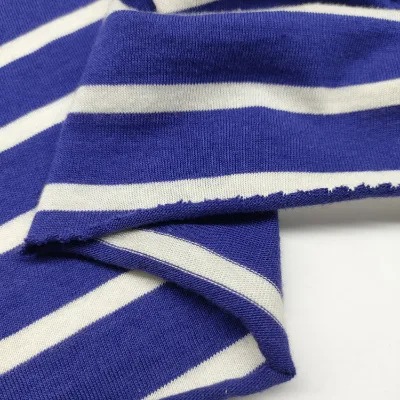
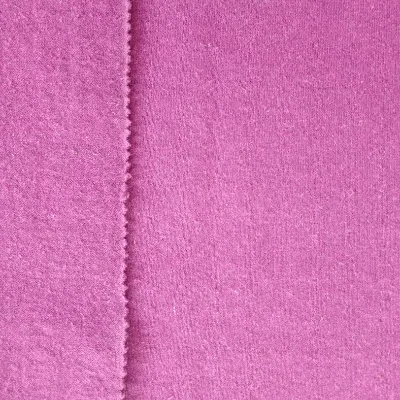
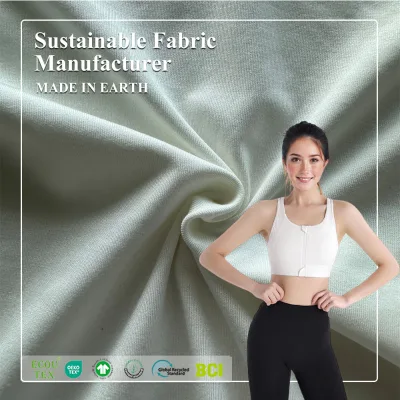


Good Price of New Product Jersey Fabric 100% Cotton Fabric Cotton for Dress
$2.50 - $5.50
MOQ: 100 Meters


Comprehensive Sourcing Guide
Organic Cotton Jersey Fabric Sourcing Guide
Buyers must first distinguish between the two primary supply models observed in the market: make-to-order production and in-stock availability. The make-to-order segment typically involves a blend of 55% hemp and 45% organic cotton, offering a specific weight range of 150gsm to 300gsm with a standard width of 150cm. This configuration suits projects requiring custom dyeing or specific yarn counts like 21s, where the lead time aligns with a monthly supply ability of 15 tons.
In contrast, the in-stock inventory often features 100% organic cotton jersey with a tighter weave structure, such as 4545/11076, and a lighter weight of approximately 138gsm. These items are frequently available in standard widths of 57/58 inches and may carry a minimum order quantity as low as 20kg, facilitating smaller batch procurement. Understanding this distinction is critical for aligning inventory needs with production timelines and budget constraints.
Product Scope and Observed Listing Signals
The product scope for Organic Cotton Jersey Fabric encompasses a diverse palette including army green, beige, black, blue, burgundy, orange, and white, alongside specialized shades like gold, gray, and lavender. These fabrics are primarily designed for plain dyed applications, serving as a versatile base for garments, sportswear, baby clothes, and even mattress linings. The texture is consistently described as soft and comfortable, making it suitable for direct skin contact in sensitive applications like baby cloth.
Listing signals indicate that the material is knitted rather than woven, providing the stretch and drape characteristic of jersey constructions. Buyers should note that while some listings emphasize eco-friendly features and moisture absorption, the specific usage varies from athletic fabrics to general dressmaking. The packaging typically involves roll packing in poly bags, with single package sizes varying significantly based on the roll dimensions and weight, ranging from compact 25x25x5 cm units to larger 150x30x30 cm rolls.
Technical Specifications to Verify
Verification of the yarn count and fabric density is essential to ensure the material meets performance expectations for the intended garment. Listings show a wide variance in technical data, with some products specifying a yarn count of 21s and a density of 50x30, while others detail a 4545/11076 structure. Buyers must confirm which specification applies to their order, as these metrics directly influence the fabric's durability, drape, and suitability for heavy-duty versus lightweight apparel.
Width and weight specifications also require strict validation to prevent production errors during cutting and sewing. The observed width ranges from 57/58 inches to 150cm, and the weight spans from 108gsm to 300gsm, with some items described as very heavyweight. Procurement teams should request physical swatches to confirm the actual GSM and width, ensuring that the selected fabric aligns with the pattern grading and consumption calculations required for the specific design.
Compliance and Safety Documentation
Compliance documentation is a non-negotiable element when sourcing organic materials, particularly for products intended for infants or sensitive skin. The market listings explicitly reference certifications such as OEKO-TEX STANDARD 100 and Intertek Eco-Certification, which validate the absence of harmful substances. Additionally, some suppliers provide GOTS or OCS certification, which is crucial for verifying the organic integrity of the cotton and hemp fibers throughout the supply chain.
Buyers must request current, verifiable certificates that match the specific batch of fabric being purchased, as certifications are often tied to specific production runs. The presence of these documents ensures that the fabric meets international safety standards for chemical residues and allergens. Without these proofs, the risk of non-compliance with import regulations or brand sustainability mandates increases significantly, potentially leading to rejected shipments or reputational damage.
Cost Drivers and Commercial Terms
Cost drivers in this category are heavily influenced by the material composition, specifically the ratio of hemp to organic cotton, and the complexity of the dyeing process. The observed price range of 0.79 to 15.68 USD reflects these variables, with higher costs often associated with certified organic blends and specialized finishes like moisture absorption. Buyers should analyze the cost per kilogram rather than per meter to accurately compare different suppliers and material blends.
Commercial terms vary significantly between suppliers, with minimum order quantities ranging from 1kg to 2000kg, and some specific listings citing 100kg or 20kg thresholds. Payment terms and lead times are also critical factors, as the supply ability is capped at 15 tons per month for certain manufacturers. Negotiating these terms requires a clear understanding of the supplier's capacity to handle rush orders or large volume commitments without compromising quality or delivery schedules.
Supplier Qualification and Quality Control
Supplier qualification should focus on verifying the place of origin and the consistency of their production capabilities. The data indicates primary manufacturing hubs in Shandong and Zhejiang, China, which are known for textile production but require due diligence regarding their specific quality control protocols. Buyers should assess whether the supplier offers free samples to test the hand feel and consistency before committing to a larger order, as the softness and comfort are key selling points.
Quality control measures must extend beyond the initial sample to include in-process inspections and pre-shipment checks. Since the fabric is knitted, issues like uneven dyeing or dimensional instability can arise during production. Establishing a clear quality agreement that defines acceptable tolerances for weight, width, and color fastness is essential. Suppliers who provide detailed packaging details and single gross weight information demonstrate a higher level of operational transparency and reliability.
Long-Term Procurement Checks
Long-term procurement success depends on maintaining a consistent supply chain that can adapt to fluctuating demand without sacrificing material integrity. Buyers should establish a relationship with suppliers who can reliably meet the monthly supply ability of 15 tons while maintaining the specific certifications required for their brand. Regular audits of the supplier's inventory and production schedules will help mitigate risks associated with stockouts or delays in the make-to-order segment.
Continuous monitoring of market trends and certification renewals is also necessary to ensure ongoing compliance. As regulations regarding organic and eco-friendly materials evolve, suppliers must demonstrate their ability to adapt and maintain their GOTS or OEKO-TEX status. Procurement teams should schedule periodic reviews of supplier performance, focusing on delivery reliability, quality consistency, and the ability to provide updated documentation for every new batch of fabric ordered.
FAQs
What certifications does the Organic Cotton Jersey Fabric have?
The fabric holds Intertek Eco-Certification, OEKO-TEX STANDARD 100, GOTS, and OCS certifications. These standards verify the organic nature of the cotton and ensure the hemp blend meets strict environmental and safety requirements for textile production.
How is the Organic Cotton Jersey Fabric supplied to buyers?
Supply options include Make-To-Order and In-Stock Items depending on the specific product listing. Buyers can typically expect a supply ability of 15 tons per month with a standard lead time determined by the specific order volume and customization needs.
Which materials are used to make this Organic Cotton Jersey Fabric?
The fabric is primarily composed of 55% hemp and 45% organic cotton. Some variations may be 100% organic cotton, offering different weights ranging from 108 gsm to 300 gsm for diverse garment applications like baby clothes or sportswear.
Can buyers find the fabric in specific colors and patterns?
Yes, the fabric is available in Plain Dyed patterns with colors including Army Green, Beige, Black, Blue, Burgundy, Orange, White, Gold, Gray, Ivory, and Lavender. The width is typically 150cm or 57/58 inches depending on the specific roll.
What is the minimum order quantity for Organic Cotton Jersey Fabric?
Minimum order quantities vary by listing, ranging from 20 kg to 100 kg, with some options allowing orders as low as 1 unit. Specific MOQs depend on whether the item is an in-stock product or a custom make-to-order request.
How is the Organic Cotton Jersey Fabric packaged for shipping?
The fabric is usually packed in rolls using poly bags to protect the material during transit. Each single package typically weighs around 20 kg with dimensions of 150x30x30 cm or 25x25x5 cm depending on the specific product configuration.