Source Anti UV Transparent Perspex Sheet for Signs, Displays, and Panels
Compare 30 listings of Anti UV Transparent Perspex Sheet from verified Chinese manufacturers. Evaluate tensile strength, thickness, and customization options for architectural, advertising, and industrial applications.
Key considerations
Products List

100% Virgin Lucite Perspex Sheet of Clear Color Acrylic Sheet/Plexiglass
$2970.00 - $3590.00
MOQ: 500 kg


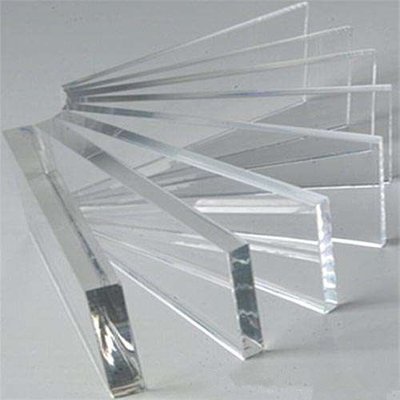


Comprehensive Sourcing Guide
Strategic Sourcing Guide for Anti-UV Transparent Perspex Sheet
Understanding Material Properties and Technical Specifications
When sourcing anti-UV transparent perspex sheet, buyers must first distinguish between the fundamental material characteristics that define performance. The core material in question is acrylic, a thermoplastic polymer known for its optical clarity and durability. In the context of the available market data, the material is explicitly identified as acrylic, often referred to as Cast-Transparent Color Acrylic Sheet or simply acrylic sheet. The transparency of these sheets is a critical metric, with observed light transmission rates reaching up to 93%, ensuring high visibility for applications requiring optical precision.
The physical density of the acrylic sheet is a vital parameter for structural calculations. Data indicates a density range of 1.19 to 1.2 grams per cubic centimeter, or 1.2 kg per cubic meter depending on the specific product variation. This consistency in density ensures predictable weight and handling characteristics during installation. Furthermore, the water absorption rate is exceptionally low, typically ranging between 0.1% and 0.4%. This low absorption is crucial for maintaining dimensional stability in humid environments, preventing the material from swelling or warping over time.
Mechanical strength is another primary consideration. The tensile strength of these sheets varies across different product grades. Some specifications list a tensile strength between 41 and 50 MPa, while others indicate a range of 51 to 80 MPa, and high-performance variants can reach 81 to 130 MPa. Buyers must verify which grade aligns with their structural requirements. Additionally, the contraction percentage, which affects how the material behaves under thermal stress, is observed to be between 0.4% and 1.4% for standard grades, with some premium options offering a contraction percentage of less than 0.4%.
Surface quality is equally important for aesthetic and functional applications. The surface is described as having high surface hardness and a glossy finish, which contributes to resistance against scratching and maintains clarity. The sheets are available in various forms, including clear, white, red, and mirror finishes. The thickness of the sheets is highly customizable, with observed ranges spanning from 1.8mm to 50mm, allowing for significant flexibility in design and application.
Compliance, Certification, and Standard Verification
Navigating the compliance landscape for acrylic sheets requires careful verification of certifications and adherence to international standards. The supply chain for these materials often includes products certified under SGS, RoHS, and CE standards. These certifications are critical for ensuring that the material meets safety and environmental requirements, particularly for applications in the European market or industries with strict regulatory oversight.
While specific background information mentions REACH, this should be treated as a background reference rather than a confirmed attribute for every listed product. Buyers must explicitly request and verify RoHS compliance to ensure the absence of restricted hazardous substances. The CE mark indicates conformity with health, safety, and environmental protection standards for products sold within the European Economic Area. SGS certification provides third-party verification of the product's quality and safety.
Standard dimensions are a key aspect of procurement planning. Common standard sizes observed in the market include 1220mm x 2440mm, 1220mm x 1830mm, 2000mm x 3000mm, and 2050mm x 3050mm. However, the market also supports customized dimensions, with specific models available in sizes such as 3050mm x 1560mm or 3050mm x 2050mm. Buyers should not assume that all suppliers stock every standard size; verification of available stock or lead times for custom cutting is essential.
The origin of the product is another factor in compliance and logistics. Production is noted to occur in regions such as Lanxi, China, Yihuang in Jiangxi Province, and Guangdong. These locations may influence the specific standards applied during manufacturing and the logistics costs associated with shipping. Buyers should confirm the specific origin of the batch they are purchasing to ensure it meets their regional compliance requirements and to assess any potential trade barriers or tariffs.
Cost Drivers and Pricing Dynamics
The pricing of anti-UV transparent perspex sheets is influenced by a complex interplay of factors, including material grade, thickness, size, and customization requirements. The observed price range in the market is extensive, spanning from $0.50 to $3,590. This wide variance suggests that pricing is not uniform and depends heavily on the specific configuration of the order. Thicker sheets, larger dimensions, and specialized colors or finishes will naturally command higher prices.
Minimum Order Quantity (MOQ) is a significant cost driver. The market data indicates an MOQ range from 1 unit up to 1,500 units. Some suppliers may require a minimum order of 1 ton, which can significantly impact the total cost for small-scale projects. Buyers with smaller requirements must be prepared to negotiate or seek suppliers with lower MOQ thresholds to avoid excessive per-unit costs. Conversely, larger orders may benefit from economies of scale, reducing the cost per square meter.
Customization is a major factor in cost escalation. While standard sizes are available, the ability to cut small sizes per requirement or produce customized models like GVSG05, GV, or GVAS adds value but also increases the price. The service of laser cutting, shaping, and bending is often included in the customization process, which requires additional labor and machinery time. Buyers should clarify whether the quoted price includes these value-added services or if they are charged separately.
Logistics and packaging also contribute to the final cost. The products are typically packed in PE film, kraft paper, cartons, and on iron or wooden pallets. The choice of packaging affects the shipping weight and volume, which in turn influences freight costs. For international shipments, the origin location (e.g., Guangdong vs. Lanxi) may affect the freight rate. Buyers should request a detailed breakdown of costs, including material, processing, packaging, and shipping, to understand the total cost of ownership.
Typical Applications and Industry Use Cases
Anti-UV transparent perspex sheets are versatile materials utilized across a diverse range of industries. Their high transparency, weather resistance, and durability make them suitable for applications where optical clarity and longevity are paramount. In the advertising industry, these sheets are extensively used for advertising boards, signboards, light boxes, and displays. The high light transmission ensures that illuminated signs are bright and visible, while the UV resistance prevents yellowing or degradation over time.
The construction and building material industry also relies heavily on acrylic sheets. They are employed as architectural decoration panels, offering a modern aesthetic with excellent light diffusion properties. In furniture manufacturing, acrylic sheets are used for tabletops, shelving, and decorative elements. The material's ability to be cut, shaped, and bent allows for creative designs that are difficult to achieve with glass.
In the machinery and instrument industry, acrylic sheets serve as glass dial plates, electric fan films, and relay covers. The high surface hardness and glossiness protect internal components while allowing for clear visibility of dials and indicators. The low water absorption ensures that these components remain functional in varying environmental conditions.
Other industries utilize these sheets for photo frames, craft works, and business boxes. The availability of various colors, including clear, white, red, and mirror finishes, allows for creative customization. The material's resistance to weather makes it ideal for outdoor displays and signage that must withstand sun, rain, and temperature fluctuations. The "Virgin" status of the material, as noted in some specifications, indicates that the acrylic is made from pure raw materials, ensuring superior clarity and strength compared to recycled alternatives.
Supplier Evaluation and Sourcing Strategy
Evaluating suppliers for anti-UV transparent perspex sheets requires a multi-faceted approach. Buyers should prioritize suppliers who can provide clear documentation of their certifications, such as SGS, RoHS, and CE. The ability to offer customized models like GVSG05 or GVAS indicates a supplier's flexibility and technical capability. It is essential to verify the supplier's origin, as production in regions like Guangdong or Jiangxi may offer different advantages in terms of logistics and cost.
The supplier's capacity for customization is a key differentiator. Buyers should assess whether the supplier offers services such as laser cutting, shaping, and bending. The availability of "Cut Small Size Per Requirement" services is particularly valuable for projects with unique dimensions. Additionally, the supplier's ability to handle various thicknesses, from 1.8mm to 50mm, demonstrates their manufacturing versatility.
Lead time and delivery capabilities are critical for project planning. The observed delivery time ranges from 15 to 25 days, but this can vary based on order size and customization. Buyers should confirm the lead time for their specific order to ensure it aligns with their project schedule. The supplier's packing standards, which may include PE film, kraft paper, and wooden pallets, should be verified to ensure the product arrives in pristine condition.
The supplier's product range and model variety should also be considered. A supplier offering a wide range of models, including Cast-Transparent Color Acrylic Sheet, GVSG05, and customized options, is likely to be more capable of meeting diverse buyer needs. Buyers should request samples to verify the quality of the material, including its density, tensile strength, and surface finish, before committing to a large order.
Quality Control and Long-Term Procurement Considerations
Ensuring consistent quality in anti-UV transparent perspex sheets requires a robust quality control process. Buyers should verify the material's tensile strength, contraction percentage, and water absorption rates against the specifications provided. The observed ranges for tensile strength (41-130 MPa) and contraction percentage (0.4%-1.4%) should be matched to the specific requirements of the application. For high-stress applications, selecting a sheet with a tensile strength of 81-130 MPa may be necessary.
Long-term procurement considerations include the material's resistance to weather and its optical stability. The "Excellent Resistance to Weather" attribute is crucial for outdoor applications, ensuring that the sheet does not degrade or discolor over time. Buyers should request test data or certifications that validate this claim, particularly for projects with long lifecycles. The high transparency and light transmission of 93% should be maintained throughout the product's life, which is a key indicator of the material's UV resistance.
Packaging and handling are also critical for maintaining quality. The standard packing methods, such as PE film, kraft paper, and wooden pallets, are designed to protect the sheets during transit. Buyers should ensure that the supplier uses appropriate packaging to prevent scratches, cracks, or other damage. For international shipments, the choice of packaging can significantly impact the condition of the product upon arrival.
Finally, buyers should consider the supplier's ability to provide after-sales support and warranty. A reliable supplier will stand behind their product and offer assistance in case of any quality issues. This includes providing technical support for installation and maintenance, as well as handling any claims related to product defects. By focusing on these long-term considerations, buyers can ensure a successful and sustainable procurement relationship.
Summary of Key Procurement Parameters
To facilitate a clear comparison of the key parameters discussed, the following table summarizes the critical attributes and their observed ranges or values. This summary serves as a quick reference for buyers during the evaluation process.
| Parameter | Observed Range / Value | Notes |
|---|---|---|
| Material | Acrylic | Virgin material preferred for clarity |
| Density | 1.19 - 1.2 g/cm³ | Consistent across most grades |
| Light Transmission | Up to 93% | High transparency is standard |
| Tensile Strength | 41 - 130 MPa | Varies by grade; verify specific needs |
| Water Absorption | 0.1% - 0.4% | Low absorption ensures stability |
| Contraction Percentage | <0.4% to 1.4% | Lower is better for thermal stability |
| Thickness | 1.8mm - 50mm | Customizable based on application |
| Certifications | SGS, RoHS, CE | Verify specific batch compliance |
| Standard Sizes | 1220x2440, 2000x3000, etc. | Custom sizes available |
| Origin | China (Guangdong, Lanxi, Jiangxi) | Affects logistics and standards |
| Delivery Time | 15 - 25 Days | Subject to order complexity |
| MOQ | 1 Unit - 1 Ton | Varies by supplier and product |
| Surface Finish | High Hardness & Glossy | Resistant to scratching |
By adhering to these guidelines and verifying the specific attributes of each supplier, buyers can make informed decisions that ensure the quality, compliance, and cost-effectiveness of their anti-UV transparent perspex sheet procurement.
FAQs
What certifications do anti uv transparent perspex sheets have?
These sheets typically hold SGS, RoHS, and CE certifications. Buyers should verify specific batch documentation to ensure compliance with safety and environmental standards required for their region or industry application.
How thick can these acrylic sheets be customized?
The thickness ranges from 1.8mm to 50mm for standard and custom orders. This wide range allows for structural flexibility in applications like furniture, signage, and architectural decoration panels.
Which tensile strength grades are available for this material?
Tensile strength varies by grade, ranging from 41 to 130 MPa across different product specifications. Buyers must select the specific grade that matches their structural load requirements for the intended application.
Can suppliers cut these sheets to small custom sizes?
Yes, suppliers offer cutting services for small sizes per requirement including laser cutting and shaping. This customization allows for precise dimensions like 1220x2440mm or other specific project needs.
What is the typical delivery time for these acrylic sheets?
The standard delivery time ranges from 15 to 25 days depending on order volume. Lead times may vary based on customization requirements and the specific origin location of the manufacturer.
Which packing methods are used for shipping these sheets?
Products are packed using PE film, kraft paper, and cartons on iron or wooden pallets. This robust packaging ensures protection against weather and physical damage during international transit.