Source anti-uv rimless sport glasses for Cycling, Running, and Driving
Source anti-uv rimless sport glasses for cycling, running, and driving from 30 verified options. Compare features like polarized lenses, Tr90 frames, and UV400 protection to find the right fit for your needs.
Key considerations
Products List


UV400 Sports Eyewear Rimless Sports Sunglasses Protect Cycling Sun Glasses
$3.11 - $4.75
MOQ: 100 Pieces


Sport Cycling Eye Protection UV Sunglasses Windproof Polarized Safety Glasses
$8.84 - $9.21
MOQ: 200 pieces


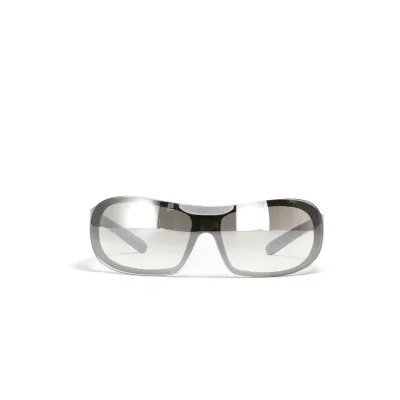


Sports Glasses Anti-Glare High Temp Resist Light Texture Cycling Goggles
$7.56 - $10.25
MOQ: 1000 Pieces


Sports Running Eyewear Anti-Fog Anti-UV Adjustable Outdoor Sports Glasses
$6.00 - $6.50
MOQ: 100 Pieces


Comprehensive Sourcing Guide
Anti-UV Rimless Sport Glasses Sourcing Guide
The procurement of anti-UV rimless sport glasses requires a nuanced understanding of the diverse product attributes currently available in the global market, ranging from specialized diving eyewear to general fashion sunglasses. Buyers must recognize that while the core keyword implies a specific aesthetic and functional profile, the actual supply base includes variations such as visor styles, square frames, and elliptical shapes, often constructed from materials like stainless steel, plastic, or Tr90. This diversity means that a single sourcing strategy cannot cover all potential needs; instead, buyers must first define whether the requirement is for high-performance cycling, diving, or general outdoor fashion to narrow the search effectively.
A critical initial step involves distinguishing between products that offer basic UV protection and those engineered for specific optical attributes like polarization or myopia correction. The observed market data indicates a wide spectrum of capabilities, including lenses made from PC or TAC materials with mirror coatings, alongside frames designed for adjustable nasal pads or rope attachments for sports security. Procurement teams must verify that the specific model selected, such as those identified by model numbers like ST22626 or UY070B, aligns with the intended use case, ensuring that features like "One Pieces" construction or "Light-colored" lenses do not compromise the necessary anti-UV performance for the target activity.
Product Scope and Observed Listing Signals
When evaluating product listings, buyers should look for specific signals that confirm the item meets the rigorous demands of sport and outdoor activities, particularly regarding the frame construction and lens durability. The market currently features items described as "Sports Sunglasses" and "Diving" glasses, which often incorporate robust materials like Tr90 or stainless steel to withstand impact and environmental stress. It is essential to verify that the "Rimless" aspect of the product does not compromise structural integrity, as some listings indicate "Square" or "Ellipse" shapes that may utilize full-frame or semi-rimless designs to ensure safety during high-movement activities.
Buyers must also scrutinize the listed color and style options, as the supply chain offers over seven color variations and specific finishes like "Smoke" or "Red" that may affect light transmission and contrast. The presence of "Customization" and "OEM&ODM" capabilities in the product data suggests that many suppliers can tailor the frame shape, lens color, and branding to specific requirements, which is a vital consideration for private label projects. However, the observation of "New" condition and specific packing standards, such as "30PCS Per Carton," indicates that buyers need to plan their logistics and inventory management around these standardized packaging units rather than expecting loose or custom-packaged individual units.
Technical Specifications to Verify
Technical verification begins with the lens material and optical properties, as the effectiveness of anti-UV protection is directly tied to the composition of the lens. Buyers should confirm that the lenses are made from PC or TAC materials, which are standard for sport eyewear due to their impact resistance, and verify that the optical attribute is explicitly stated as "Polarized" or "UVStyle" to ensure adequate protection against harmful radiation. The distinction between "PC Mirror" and standard "PC" lenses is significant, as mirror coatings often provide additional glare reduction for water or snow sports, a feature that must be matched to the specific environment where the glasses will be used.
Frame specifications and dimensions are equally critical, particularly for rimless designs where the bridge and nose pad design determine comfort and stability. Procurement teams must check for specific measurements such as a lens width of 70 mm and a nose bridge of 14 mm to ensure a proper fit for the target demographic, which is often listed as "Unisex" or suitable for "Long Face" shapes. Additionally, the weight of the product, observed at 24 grams for certain models, is a key indicator of comfort for extended wear, and buyers should request detailed weight specifications for any rimless models to prevent fatigue during long-duration sports activities.
Compliance and Safety Documentation
Ensuring that the anti-UV sport glasses meet international safety standards is a non-negotiable aspect of the sourcing process, particularly for products intended for high-impact activities like cycling or diving. The supply data indicates that many products carry CE, FDA, and EN certifications, which serve as baseline indicators of compliance with European and American safety regulations. Buyers must request valid certification documents for each batch to verify that the anti-UV claims are backed by independent testing, as the presence of a certification mark alone does not guarantee that the specific unit meets the required optical density or impact resistance thresholds.
Beyond general certifications, buyers should verify that the product standards align with the specific application, such as the "OEM&ODM" standards mentioned in the product data which may imply adherence to custom quality protocols. It is important to note that while some background knowledge references standards like IEC 17025 or ASTM F803, these should not be assumed to apply unless explicitly confirmed by the supplier's test reports. Procurement teams must ensure that the supplier can provide test results that specifically address the "Ultraviolet" blocking capabilities and the structural integrity of the rimless frame under stress, rather than relying on generic compliance statements.
Cost Drivers and Commercial Terms
The cost of anti-UV rimless sport glasses is influenced by a complex mix of material selection, customization levels, and order volume, with observed price ranges in the market spanning from $0.40 to $10.54 USD. Buyers should understand that lower price points often correspond to basic plastic frames and standard PC lenses, while higher prices may reflect premium materials like Tr90, polarized lenses, or complex customization features such as specific color coatings or branding. The wide MOQ range of 1 to 3000 units further complicates cost planning, requiring buyers to balance the economies of scale against the flexibility needed for testing new designs or managing inventory risk.
Commercial terms must be carefully negotiated to account for the specific packaging and shipping requirements observed in the market, such as the "Carton" packing standard and the "30PCS Per Carton" unit. Buyers should clarify whether the quoted price includes the cost of the rope attachment, which is a common feature for sports glasses, and ensure that the "Condition: New" status is guaranteed for all units delivered. Additionally, the lead time and production capacity should be verified against the supplier's ability to handle "Customized" orders, as the complexity of rimless frame assembly can impact the speed of production and the consistency of the final product quality.
Supplier Qualification and Quality Control
Selecting a qualified supplier for rimless sport glasses requires a thorough assessment of their manufacturing capabilities and quality control processes, particularly given the precision required for rimless frame construction. Buyers should prioritize suppliers who demonstrate experience with materials like Tr90 and stainless steel, as these materials require specific molding and assembly techniques to ensure the frame remains durable without the support of a full rim. The observation of "Guangzhou, China" as a production origin suggests a concentration of manufacturing expertise in this region, but buyers must still verify the specific factory's track record with similar high-performance eyewear products.
Quality control protocols must be robust enough to catch defects in the lens coating and frame assembly, which are common failure points in rimless designs. Buyers should implement a pre-shipment inspection process that specifically checks for the "Ultraviolet" protection levels, the integrity of the "Adjustable Nasal Pad," and the stability of the "Rope" attachment if included. It is also advisable to request samples that match the exact model number, such as UY070A or ST22626, to verify that the "Style: Fashion Sunglasses" or "Type: Diving" attributes are accurately represented in the physical product before committing to a large order.
Long-Term Procurement Checks
Establishing a long-term procurement relationship for anti-UV rimless sport glasses involves regular audits of the supplier's ability to maintain consistent quality and compliance over time. Buyers should schedule periodic reviews of the supplier's certification status, ensuring that their CE, FDA, and EN certifications remain valid and that they continue to meet the evolving safety standards of the global market. This ongoing verification is crucial because the "Customization" features and specific model numbers may change, and the supplier must demonstrate the agility to adapt their production lines without compromising the core anti-UV performance.
Finally, buyers must monitor the supply chain for any shifts in material availability or production costs that could impact the long-term viability of the product line. The observation of "Over 7" color options and various frame shapes indicates a dynamic market, and suppliers must be able to sustain the production of these variations without significant delays or quality degradation. Establishing clear communication channels for feedback on product performance, such as reports on lens scratching or frame breakage, will help buyers proactively address issues and ensure that the anti-UV sport glasses continue to meet the high expectations of the end-users.
FAQs
What materials are used for the frames and lenses?
Frames are constructed from stainless steel or plastic, while lenses utilize PC or TAC materials. Some models feature polarized lenses with smoke coloring, and others include UV protection coatings for enhanced eye safety during outdoor activities.
Can these glasses be customized for specific orders?
Yes, customization is available for many models to meet specific buyer requirements. Buyers can request custom designs, and the products support OEM and ODM services to align with unique branding or functional needs for sports and fashion applications.
Which certifications do the sunglasses hold for safety?
The products hold CE, FDA, and EN certifications to ensure compliance with international safety standards. These certifications verify that the eyewear meets rigorous quality and safety requirements for optical performance and material durability in various environments.
How are the products packaged for bulk shipping?
Items are packed in cartons, with specific configurations like 30 pieces per carton for certain models. This packaging method ensures safe transport and efficient handling during international logistics, protecting the glasses from damage throughout the supply chain.
What is the origin location of these sport glasses?
The products originate from China, with specific manufacturing hubs located in Guangzhou. This location supports efficient production capabilities and allows for competitive pricing while maintaining the quality standards required for export to global markets.
Are these glasses suitable for myopia correction?
Yes, certain models are designed to accommodate myopia correction alongside standard vision. These versatile options allow users to wear prescription lenses within the sport glasses frame, providing both UV protection and clear vision for active lifestyles.