Source anti-wear gasoline engine oil for Industrial Machinery, Rust Prevention, Lubrication
Compare 30 listings of anti-wear gasoline engine oil featuring mineral and bio-based options with SAE grades like 15W and 5W-30. Buyers can evaluate suppliers offering OEM services, ISO9001:2008 certification, and delivery within 15 days from China.
Key considerations
Products List







Comprehensive Sourcing Guide
Anti-Wear Gasoline Engine Oil Sourcing Guide
Sourcing anti-wear gasoline engine oil requires a disciplined approach to balancing performance specifications with commercial viability. Buyers must navigate a market where product attributes vary significantly across suppliers, ranging from bio-based to mineral oil bases, and where viscosity grades span from SAE 0W-20 to SAE 15W. The core challenge lies in verifying that the lubricant meets the specific mechanical demands of modern engines while ensuring that the supply chain can deliver consistent quality within acceptable lead times. This guide provides a structured framework for evaluating listings, verifying technical claims, and establishing robust procurement protocols for high-performance engine lubricants.
The procurement process begins with a clear understanding of the product scope and the signals present in supplier listings. Buyers should focus on identifying products that explicitly mention anti-wear additives and friction modifiers, as these are critical for protecting engine components under high stress. It is essential to distinguish between general-purpose lubricants and those specifically formulated for gasoline engines, as the additive packages differ significantly. By carefully analyzing the listed attributes, such as base oil type and viscosity index, buyers can filter out irrelevant offerings and focus on suppliers who demonstrate technical competence in engine oil formulation.
Product Scope and Observed Listing Signals
The current market for anti-wear gasoline engine oil presents a diverse range of product configurations, with observed price points ranging from $0.70 to $14.28 USD and minimum order quantities (MOQs) varying from 1 to 5,000 units. This wide variance indicates that buyers can access both small-scale trial orders and large-volume industrial supplies, but it also necessitates careful scrutiny of unit pricing relative to packaging and specification. Listings often highlight customization options, allowing buyers to tailor formulations to specific brand requirements or regional standards. Understanding these commercial signals helps buyers align their purchasing strategy with their inventory capacity and budget constraints.
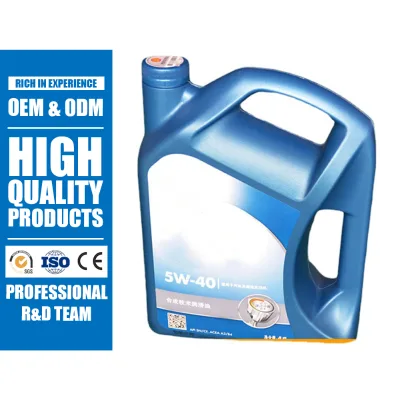
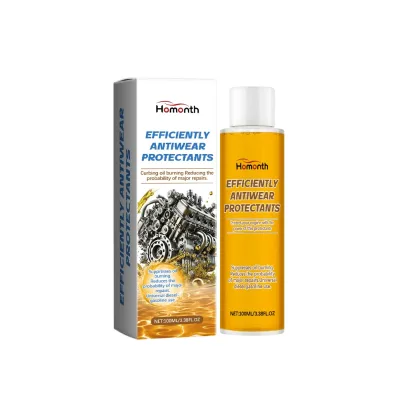
Product attributes observed in listings include a variety of base oil types, such as bio-based and mineral oils, with some suppliers offering virgin base oil for premium segments. Viscosity grades are prominently featured, with common specifications including SAE 5W-30, SAE 5W-40, SAE 10W-40, and SAE 0W-20, alongside higher viscosity options like SAE 15W. Appearance is typically described as clear and transparent or oily liquid, with colors ranging from yellow to clear. These visual and physical characteristics serve as initial indicators of product quality, though they must be corroborated by technical data sheets and certification documents to ensure they meet the specific needs of the end-user application.
Technical Specifications to Verify
Verifying technical specifications is paramount to ensuring that the selected engine oil provides adequate protection for gasoline engines. Buyers should prioritize products with a high viscosity index, such as those observed at 177, as this indicates better performance across a wide temperature range. The presence of specific additives, including antioxidants and anti-wear additives, is crucial for extending oil life and reducing engine wear. Friction modifiers are also important for improving fuel efficiency and reducing internal engine friction. Buyers must request detailed formulation data to confirm that these additives are present in the correct concentrations and are compatible with the engine’s design and materials.
Viscosity grade verification is another critical step, as incorrect viscosity can lead to inadequate lubrication or excessive fuel consumption. Listings often specify models such as 15W40 or GEO, but buyers should cross-reference these with industry-standard classifications like SAE J300. Density values, such as 0.856 g/cm³, can also provide insights into the oil’s composition and quality. Additionally, buyers should assess the general composition of the oil, distinguishing between high viscosity base oils and standard formulations. Ensuring that the product’s technical specifications align with the engine manufacturer’s recommendations is essential for maintaining warranty coverage and optimizing engine performance.
Compliance and Safety Documentation
Compliance with international standards and safety regulations is non-negotiable in the engine oil procurement process. Buyers should verify that suppliers hold relevant certifications, such as ISO9001:2008, which indicates a commitment to quality management systems. While specific product certifications may vary, buyers should request documentation that confirms the oil meets industry standards for gasoline engine lubricants. This includes verifying that the product has undergone appropriate testing for wear protection, oxidation stability, and volatility. Documentation should also include safety data sheets (SDS) that outline handling, storage, and disposal requirements, ensuring that the buyer’s operations remain compliant with local environmental and safety laws.
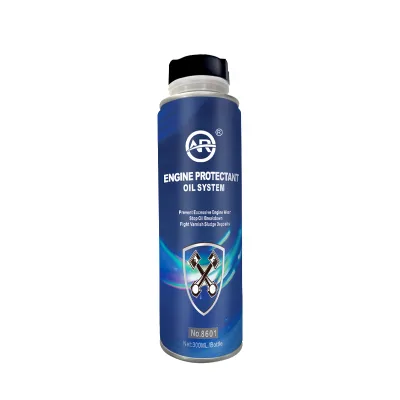
Packaging and labeling compliance is another area that requires attention, as improper labeling can lead to regulatory issues and customer dissatisfaction. Listings indicate various packaging options, including bottles, buckets, and drums, with sizes ranging from 1L to 200L. Buyers should ensure that packaging materials are compatible with the oil’s chemical composition to prevent degradation or leakage. Single package dimensions and gross weights, such as 12x8x20 cm and 1.000 kg, should be verified to optimize logistics and storage. Clear labeling with product specifications, batch numbers, and expiration dates is essential for traceability and quality control throughout the supply chain.
Cost Drivers and Commercial Terms
Understanding the cost drivers associated with anti-wear gasoline engine oil is essential for effective budgeting and negotiation. The base oil type, whether bio-based or mineral, significantly impacts the final price, with virgin base oils often commanding a premium. Additive packages, particularly those containing advanced anti-wear and friction-modifying agents, also contribute to cost variations. Buyers should analyze the price range of $0.70 to $14.28 USD in the context of these factors, recognizing that lower prices may correspond to simpler formulations or smaller packaging sizes. It is crucial to evaluate the total cost of ownership, including shipping, handling, and potential storage costs, rather than focusing solely on the unit price.
Commercial terms, including minimum order quantities and delivery times, play a significant role in the procurement strategy. Observed MOQs range from 1 to 5,000 units, offering flexibility for buyers with varying inventory needs. Delivery times are typically within 15 days, which is favorable for maintaining supply continuity. Buyers should negotiate terms that align with their production schedules and cash flow requirements, considering options for OEM or ODM services if customization is required. Clear agreements on payment terms, return policies, and liability for defective products are essential to mitigate financial risks and ensure a smooth transaction process.
Supplier Qualification and Quality Control
Supplier qualification is a critical step in ensuring the reliability and consistency of the anti-wear gasoline engine oil supply. Buyers should assess suppliers based on their manufacturing capabilities, quality control processes, and track record in the industry. Suppliers offering OEM and ODM services demonstrate flexibility and technical expertise, which can be valuable for brands seeking customized solutions. It is important to verify the supplier’s location, with origins in Shanghai and Hebei, China, being common, and to evaluate their logistical infrastructure to ensure timely delivery. Due diligence should include reviewing customer testimonials, industry reputation, and any past performance issues to identify potential risks.
Quality control measures implemented by the supplier directly impact the consistency and performance of the engine oil. Buyers should inquire about the supplier’s testing protocols, including routine checks for viscosity, density, and additive concentration. Providing samples for independent testing is a recommended practice to verify that the product meets the specified technical requirements. Suppliers who offer high-quality products often have robust quality management systems in place, as indicated by certifications like ISO9001:2008. Establishing a clear communication channel for addressing quality issues and requesting corrective actions is essential for maintaining long-term supplier relationships and ensuring product integrity.
Long-Term Procurement Checks
Long-term procurement success depends on establishing ongoing checks and balances to monitor supplier performance and product quality. Buyers should implement regular audits of supplier facilities and quality control processes to ensure continued compliance with agreed-upon standards. Periodic re-testing of engine oil samples is necessary to detect any variations in formulation or performance over time. Maintaining open communication with suppliers regarding market trends, regulatory changes, and technological advancements allows buyers to adapt their procurement strategies proactively. Building a diversified supplier base can also mitigate risks associated with supply chain disruptions and price volatility.
Continuous evaluation of commercial terms and market conditions is essential for optimizing the procurement process. Buyers should regularly review pricing structures, MOQs, and delivery times to ensure they remain competitive and aligned with business objectives. Engaging in strategic partnerships with suppliers who demonstrate reliability and innovation can lead to long-term benefits, such as priority access to new products and favorable payment terms. By staying informed about industry developments and maintaining a disciplined approach to supplier management, buyers can secure a steady supply of high-quality anti-wear gasoline engine oil that meets their operational needs and supports their brand reputation.
FAQs
What base oil types are available for anti-wear gasoline engine oil?
Both bio-based and mineral oil types are available for this engine oil. The product also features virgin base oil composition to ensure high quality and performance standards for various engine requirements.
Which viscosity grades can be selected for this lubricating oil?
Multiple viscosity grades including SAE 5W-30, SAE 5W-40, SAE 10W-40, and SAE 0W-20 are offered. Specific models like SAE 15W and 15W40 are also available to meet different engine protection needs.
Can I request customization for the engine oil packaging?
Yes, customization is available for packaging options such as bottles, buckets, and drums. Sizes range from 500ml to 210L, allowing flexible selection based on your specific distribution or usage requirements.
How long is the delivery time for orders of this oil?
The delivery time is within 15 days for most orders. This lead time applies to standard requests and ensures timely supply for industrial machinery and engine lubrication needs without significant delays.
What certifications does the manufacturer hold for this product?
The product holds ISO9001:2008 certification to ensure quality management standards. This certification validates the manufacturing process and confirms that the engine oil meets established international quality benchmarks.
Which additives are included in the anti-wear gasoline engine oil?
The oil contains antioxidants, anti-wear additives, and friction modifiers to enhance performance. These components work together to provide rust prevention and lubricating protection for engines under various operating conditions.
What is the minimum order quantity for purchasing this oil?
The minimum order quantity ranges from 1 to 5000 units depending on the specific product configuration. Buyers can select from various selling units and package sizes to match their procurement volume.