Source anti-wear automotive gear oil for transmission, axle, and differential
Find 30 verified options for anti-wear automotive gear oil with varying base oil types and additive packages. Compare specifications including viscosity grades, certifications, and packaging to select the right lubricant for your industrial or automotive needs; compare the available evidence and request quotations based on your requirements.
Updated
Key considerations
Products List


Anti-Wear Extreme Pressure Lublicating Lubricant Low Odor Gear Oil Additive
$4000.00 - $6000.00
MOQ: 1 Tons


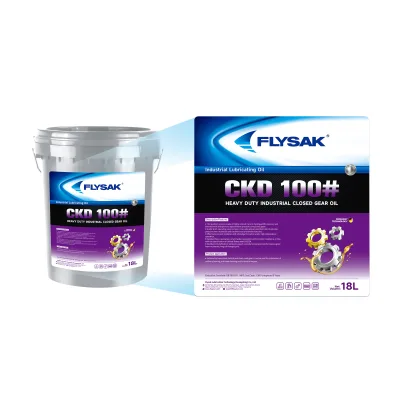


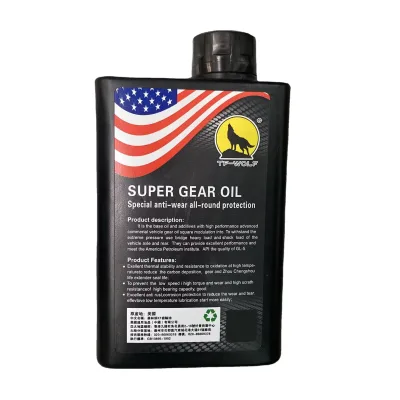


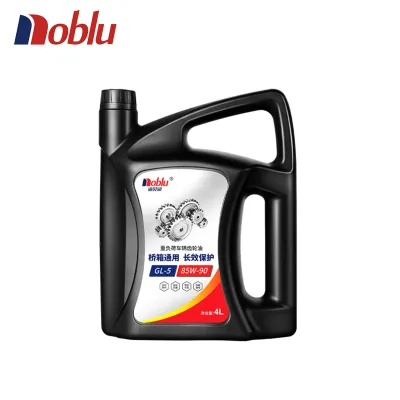
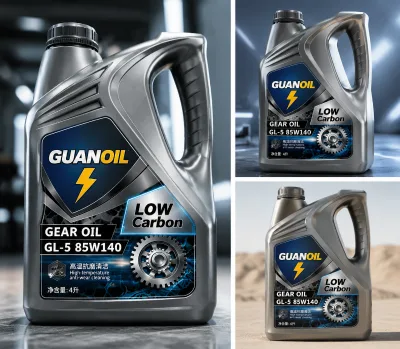
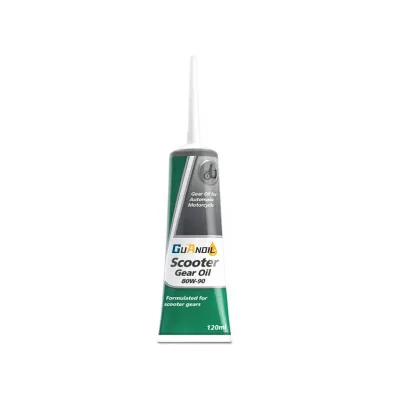
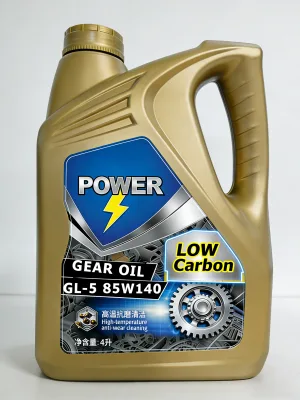
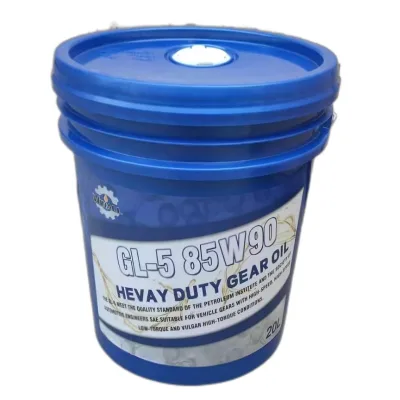
GL-5 85w140 Automotive Multipurpose High Quality Lubricating Oil GL-5 Gear Oil
$1.0254 - $5.1272
MOQ: 2000 Minimum
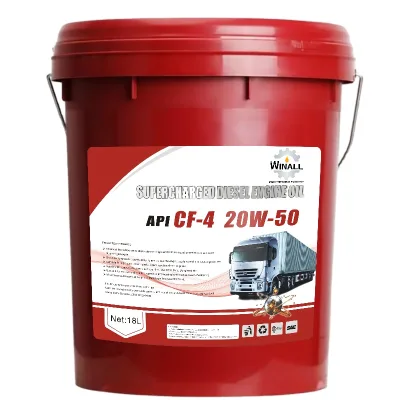
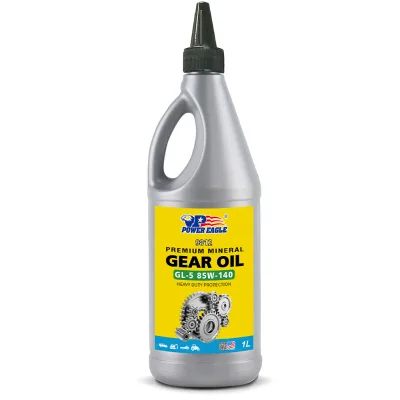

Gear 300 75W-90 Wear Protection Gear Oil for Vehicle Differential Service
$1.50 - $4.00
MOQ: 1000 liter
Comprehensive Sourcing Guide
Anti-Wear Automotive Gear Oil Sourcing Guide
Procurement professionals must first distinguish between mineral and synthetic base oil formulations when sourcing anti-wear automotive gear oil, as the supplied data indicates both types are available in the market. Buyers should verify whether the specific product relies on mineral oil or synthetic oil, since this choice directly impacts thermal stability and service life under extreme pressure conditions. The presence of friction modifiers and anti-wear additives is critical for ensuring the lubricant performs effectively in heavy-duty transmission and differential applications.
Sourcing decisions must also account for the physical state and packaging constraints of the product, as listings show liquid forms available in drums, IBC tanks, and ISO tanks. Buyers need to confirm if the supplier offers customizable packaging or standard units ranging from 500ml to 210L to align with their logistical capabilities. Understanding the delivery timeline, which can be within 15 days for some suppliers, is essential for maintaining inventory levels without overstocking or risking production delays in automotive manufacturing lines.
Product Scope and Observed Listing Signals
The market for anti-wear automotive gear oil presents a wide variance in product models, ranging from specific designations like T4218 to general classifications such as 80W-90 and 90W-140. Buyers should carefully cross-reference the listed product model against their vehicle manufacturer specifications to ensure compatibility, as the data shows distinct models tailored for different viscosity and performance requirements. The availability of free samples allows for preliminary testing, but the final selection must be based on verified performance data rather than marketing claims alone.
Listing signals indicate that customization is available for many suppliers, allowing buyers to tailor additive packages to specific operational needs such as rust prevention or cooling. However, the observed price range of 0.39 to 6000 USD suggests significant variation in quality and volume, requiring buyers to scrutinize the unit price relative to the minimum order quantity. It is vital to distinguish between bulk industrial pricing and smaller retail quantities to avoid misinterpreting the cost structure of the supply chain.
Technical Specifications to Verify
Technical verification must begin with the base oil type, as the supply data explicitly lists both mineral and bio-based options alongside synthetic formulations. Buyers should request detailed composition sheets to confirm the presence of specific additives like viscosity index improvers, dispersants, and antioxidants, which are listed as common components in high-performance gear oils. The operating temperature range of -25 to 170 degrees Celsius is a critical parameter that must be validated against the intended application environment to prevent fluid failure.
Flash point and pour point data are equally critical for safety and low-temperature performance, with observed values indicating a flash point of 183 degrees Celsius and a pour point of -30 degrees Celsius. Procurement teams must ensure that the specific batch being ordered meets these thermal thresholds, as deviations can lead to safety hazards or equipment seizure in cold climates. The color and physical state, typically yellow and liquid, serve as initial visual checks but should never replace rigorous laboratory testing for viscosity and wear protection.
Compliance and Safety Documentation
Compliance verification requires checking for recognized industry certifications such as SAE, ACEA, and JASO, which are frequently cited in the product listings. Buyers must confirm that the specific gear oil batch holds valid certification for the intended application, as these standards ensure the lubricant meets minimum performance benchmarks for extreme pressure and anti-wear properties. The presence of NSF certification in some listings suggests potential suitability for food-grade or incidental contact applications, which requires separate validation depending on the facility's regulatory environment.
Safety documentation must also address the chemical composition and handling requirements, particularly regarding the inclusion of friction modifiers and anti-wear additives. Suppliers should provide Material Safety Data Sheets (MSDS) that detail the risks associated with the liquid mineral lubricants or synthetic oils being supplied. Buyers should verify that the product origin, often listed as China or Handan, aligns with their company's sourcing policies and that all safety data is current and compliant with local regulations.
Cost Drivers and Commercial Terms
Cost structures for anti-wear automotive gear oil are heavily influenced by the base oil type, with synthetic formulations generally commanding higher prices than mineral or bio-based alternatives. Buyers must analyze the total cost of ownership, considering that higher initial prices may be offset by extended service intervals and reduced equipment wear. The observed minimum order quantity range of 1 to 10,000 units allows for flexibility, but larger volumes often secure better pricing tiers that significantly impact the overall procurement budget.
Commercial terms regarding delivery and packaging must be clearly defined to avoid unexpected logistical costs. While some suppliers offer delivery within 15 days, others may have longer lead times depending on the customization level and stock availability. The choice between standard packing and customizable options like IBC tanks or ISO tanks will affect shipping efficiency and storage requirements. Buyers should negotiate clear terms for sample availability and OEM support to ensure a smooth transition from testing to full-scale production.
Supplier Qualification and Quality Control
Supplier qualification should prioritize manufacturers that explicitly offer OEM services and demonstrate a history of producing high-quality synthetic or mineral lubricants. The data indicates that many suppliers provide free samples, which serves as a practical method to assess product consistency before committing to large orders. Buyers should verify the supplier's production capabilities, ensuring they can maintain the specified additive packages and base oil types consistently across different batches.
Quality control processes must be robust, with suppliers required to provide evidence of adherence to standards like T4218 and other relevant specifications. Buyers should request third-party test results to validate claims regarding extreme pressure properties and anti-wear performance, as these are critical for automotive applications. The origin of the product, whether from China or specific regions like Handan, should be transparently disclosed to ensure traceability and compliance with international trade regulations.
Long-Term Procurement Checks
Long-term procurement strategies must include regular audits of supplier performance to ensure consistent adherence to the specified technical and safety standards. Buyers should establish a schedule for re-testing gear oil samples to verify that the anti-wear additives and base oil composition remain stable over time. This proactive approach helps prevent equipment failures and ensures that the lubricant continues to meet the demanding requirements of automotive transmission systems.
Supply chain resilience is another critical factor, requiring buyers to monitor lead times and inventory levels to mitigate the risk of shortages. The ability of suppliers to offer customizable packaging and rapid delivery within 15 days is a significant advantage for maintaining operational continuity. Buyers should maintain open communication channels with suppliers to address any changes in product specifications or regulatory requirements that could impact the long-term viability of the anti-wear gear oil supply.
FAQs
What certifications are available for anti-wear automotive gear oil?
Anti-wear automotive gear oil is available with SAE, Acea, Jaso, and NSF certifications. These standards ensure the lubricant meets specific industry requirements for performance and safety. Buyers can select products based on their regional regulatory needs or specific OEM approvals to guarantee compliance and reliability in automotive applications.
Can I get a free sample of anti-wear automotive gear oil?
Yes, free samples are offered for anti-wear automotive gear oil to allow buyers to test quality before placing bulk orders. This service helps verify the product's viscosity, additive package, and compatibility with your specific machinery. It is a practical step to ensure the synthetic or mineral base oil meets your operational standards.
What is the typical lead time for anti-wear automotive gear oil?
The typical lead time for anti-wear automotive gear oil is within 15 days. This fast delivery ensures that your supply chain remains uninterrupted during peak production periods. Manufacturers prioritize efficient logistics to meet urgent procurement needs while maintaining the high quality and extreme pressure properties required for heavy-duty automotive gear systems.
Which packaging options are available for anti-wear automotive gear oil?
Packaging options include drums, IBC tanks, ISO tanks, and standard containers ranging from 500ml to 210L. These customizable solutions accommodate various storage capacities and handling requirements. Buyers can choose the most suitable format for their facility, ensuring safe transport and easy integration into existing lubrication management systems for automotive gear applications.
What additives are included in anti-wear automotive gear oil?
Anti-wear automotive gear oil contains friction modifiers, anti-wear additives, antioxidants, and viscosity index improvers. These components work together to reduce wear, prevent rust, and maintain stable viscosity across varying temperatures. The formulation ensures extreme pressure protection and long service life for automotive gears under demanding operating conditions and high-load scenarios.
What is the origin of anti-wear automotive gear oil products?
Anti-wear automotive gear oil products originate from China, with specific sourcing from Handan. This region is known for its robust manufacturing capabilities in lubricant production. Buyers can access high-quality synthetic and mineral-based oils that meet international standards, ensuring reliable performance and competitive pricing for global automotive and industrial lubrication needs.