Source Anti-Wear Hydraulic Oil for Sealing, Lubrication, and Cooling
Find 30 anti-wear hydraulic oil options from China, including mineral and synthetic base oils with certifications like ISO9001 and SAE/Acea. Compare specifications such as viscosity grades (46#, 68#, 85W-90) and packaging sizes to match your industrial sealing, rust prevention, and cooling needs.
Updated
Key considerations
Products List


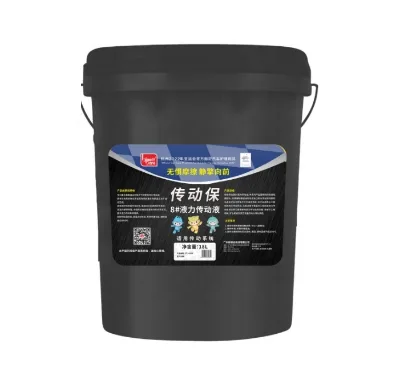
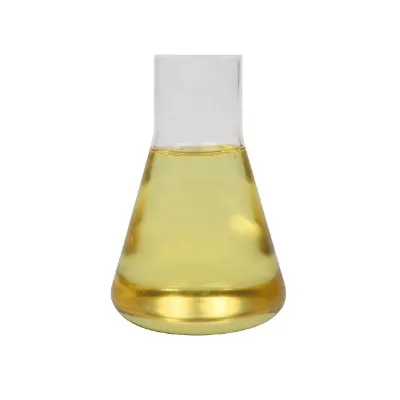
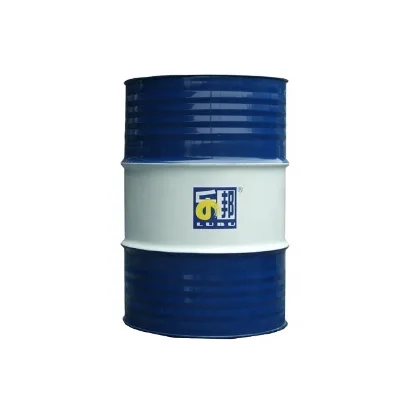
Anti Wear Transmission Oil 8# Auto Hydraulic Transmission Oil Lubricating Oil
$5.00 - $12.00
MOQ: 500 Boxes






Comprehensive Sourcing Guide
Anti-Wear Hydraulic Oil Sourcing Guide
Procuring high-pressure anti-wear hydraulic oil requires a disciplined approach to matching fluid properties with specific machinery demands. Buyers must first distinguish between mineral-based and synthetic formulations, as the base oil type significantly influences performance under varying thermal loads. The observed market includes options ranging from standard mineral oils to bio-based alternatives, each offering distinct advantages in terms of environmental impact and operational longevity. Understanding these fundamental differences is the first step in defining a precise technical requirement that aligns with your equipment manufacturer’s recommendations.
Beyond the base oil, the additive package plays a critical role in protecting hydraulic systems from wear, corrosion, and oxidation. Common additives observed in listings include viscosity index improvers, friction modifiers, dispersants, and anti-wear agents. These components work synergistically to maintain fluid stability and protect metal surfaces under high-pressure conditions. Buyers should verify that the selected oil contains the necessary additives for their specific application, whether it involves shock absorption, sealing, or general lubrication, to ensure optimal system efficiency and component protection.
Product Scope and Observed Listing Signals
The current market landscape for anti-wear hydraulic oil presents a diverse array of product models and packaging options. Listings frequently feature specific viscosity grades such as 46#, 68#, and L-HM 32/46/68/100, catering to different operational temperatures and pressures. Packaging varies widely from small 4L containers to large 200L drums, with some suppliers offering customized iron drums or cans to meet specific logistical needs. This variety allows buyers to select packaging that minimizes handling risks and storage space requirements while ensuring product integrity during transit.
Price and minimum order quantity (MOQ) ranges indicate a flexible market structure suitable for both small-scale maintenance and large industrial procurement. Observed prices range from low-cost entry points to premium synthetic options, reflecting the differences in base oil quality and additive sophistication. MOQs can start as low as one unit for trial orders or specialized applications, scaling up to ten thousand units for bulk industrial contracts. This flexibility enables buyers to test new suppliers or products without committing to excessive inventory, reducing financial risk during the initial sourcing phase.
Technical Specifications to Verify
Viscosity is the most critical parameter for hydraulic oil, determining how easily the fluid flows through system components under varying temperatures. Buyers must verify the kinematic viscosity at both 40°C and 100°C to ensure compatibility with pump designs and operating conditions. For instance, some observed products list specific viscosity values that must be matched to the system’s design specifications. Additionally, the pour point and flash point are essential safety and performance indicators, with lower pour points ensuring cold-start capability and higher flash points reducing fire hazards in high-temperature environments.
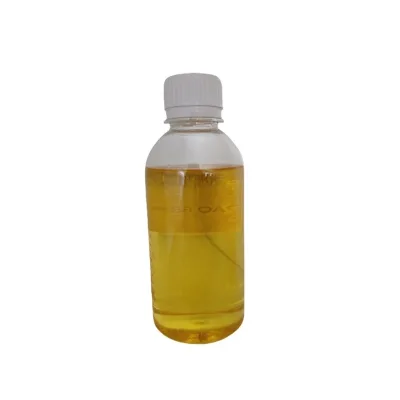
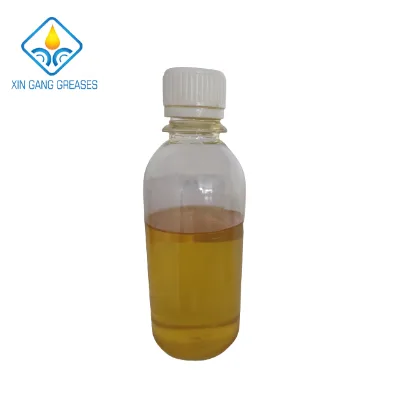
Density and color can also serve as quick verification tools for product authenticity and consistency. Observed data points, such as a density of 0.857 and a yellow to reddish-brown clear fluid appearance, help buyers identify standard mineral-based formulations. However, these physical properties should always be cross-referenced with the supplier’s technical data sheet. Buyers should also confirm the shape and composition of the product, ensuring it is a liquid formulation composed of base oil and additives, rather than a semisolid grease or other incompatible substance, to prevent system damage.
Compliance and Safety Documentation
Certification standards provide a baseline for quality assurance and regulatory compliance in the hydraulic oil market. Common certifications observed include ISO9001 for quality management systems, as well as industry-specific standards like SAE, Acea, and Jaso. These certifications indicate that the supplier adheres to recognized manufacturing and testing protocols. Buyers should request valid certification documents to verify that the supplier’s production facilities meet international quality benchmarks, ensuring consistent product quality across batches and reducing the risk of supply chain disruptions due to quality failures.
Safety data sheets (SDS) and material safety information are mandatory for handling, storage, and disposal of hydraulic oils. Buyers must ensure that suppliers provide up-to-date SDS documents that detail the chemical composition, including any hazardous components within the additive package. This documentation is crucial for complying with local environmental regulations and workplace safety standards. Additionally, verifying the origin of the product, such as specific manufacturing zones in China, can help buyers assess the reliability of the supply chain and the potential impact of regional regulatory changes on product availability and compliance.
Cost Drivers and Commercial Terms
The total cost of ownership for hydraulic oil extends beyond the unit price to include logistics, storage, and disposal expenses. Packaging type significantly impacts these costs, with bulk drums offering lower per-unit prices but requiring specialized storage infrastructure. Conversely, smaller containers like 4L or 18L packs reduce storage footprint but increase packaging waste and handling costs. Buyers should evaluate their storage capabilities and consumption rates to determine the most cost-effective packaging option, balancing initial purchase price with long-term operational efficiency and waste management requirements.
Lead times and delivery terms are critical factors in maintaining uninterrupted hydraulic system operations. Observed delivery windows range from seven to fifteen days, depending on order volume and supplier capacity. Buyers should negotiate clear delivery schedules and penalty clauses for delays to mitigate production downtime risks. Additionally, understanding the supplier’s flexibility in customizing packaging or formulation can provide a competitive advantage, allowing for tailored solutions that optimize inventory levels and reduce the frequency of reordering, thereby stabilizing overall procurement costs.
Supplier Qualification and Quality Control
Supplier qualification involves a thorough assessment of manufacturing capabilities, quality control processes, and financial stability. Buyers should verify the supplier’s production facilities, including their ability to maintain consistent additive blending and base oil sourcing. Observations of specific product models and standards, such as L-HM series oils, indicate a supplier’s specialization in hydraulic fluids. Requesting third-party test reports or batch-specific analysis certificates can provide additional assurance of product consistency and performance, reducing the risk of receiving substandard materials that could damage expensive hydraulic equipment.
Quality control extends to the supplier’s ability to handle custom orders and maintain traceability. Suppliers offering customization options for packaging or specific additive packages demonstrate flexibility and customer-centric operations. Buyers should establish clear communication channels for reporting quality issues and request a robust complaint resolution process. Additionally, verifying the supplier’s adherence to environmental and safety standards during production can enhance the overall sustainability profile of the procurement process, aligning with corporate social responsibility goals and reducing regulatory risks associated with hazardous material handling.
Long-Term Procurement Checks
Regular performance monitoring of hydraulic oil is essential for extending equipment life and optimizing maintenance schedules. Buyers should implement routine oil analysis programs to track viscosity changes, contamination levels, and additive depletion over time. This data-driven approach allows for predictive maintenance, enabling timely oil changes before critical wear occurs. By correlating oil condition with equipment performance, buyers can refine their procurement specifications, selecting oils that offer superior protection and longer service intervals, thereby reducing total maintenance costs and improving operational reliability.
Continuous supplier evaluation ensures that procurement strategies remain aligned with evolving market conditions and technological advancements. Buyers should periodically review supplier performance metrics, including delivery reliability, product consistency, and responsiveness to technical queries. Engaging in long-term partnerships with qualified suppliers can lead to better pricing, priority service, and access to new product innovations. Additionally, staying informed about emerging standards and regulations in the hydraulic fluid industry helps buyers proactively adapt their sourcing strategies, ensuring compliance and maintaining a competitive edge in their respective markets.
FAQs
What certifications are available for anti-wear hydraulic oil?
Certifications such as ISO9001, SAE, Acea, NSF, and Jaso are available for anti-wear hydraulic oil products. These standards ensure quality and compliance for various industrial applications. Buyers should verify specific certification requirements with suppliers to match their operational needs and regional regulations effectively.
What base oil types are used in anti-wear hydraulic oil?
Anti-wear hydraulic oil is manufactured using mineral oil, synthetic oil, and bio-based oil types. The composition typically includes base oil combined with additives like viscosity index improvers and anti-wear agents. Selecting the right base oil depends on the specific operating temperature and environmental conditions of the machinery.
What packaging options exist for anti-wear hydraulic oil?
Packaging options include carton boxes, 4L, 16L, 18L containers, buckets, and 200L drums. Iron drums or customized packaging can be arranged according to demand. These varied sizes accommodate different storage capacities and handling requirements for both small-scale operations and large industrial facilities efficiently.
What is the typical lead time for anti-wear hydraulic oil?
The typical delivery lead time ranges from 7 to 15 days for anti-wear hydraulic oil orders. This timeframe allows for production scheduling and logistics planning. Buyers should confirm exact lead times with suppliers, as they may vary based on order volume, customization needs, and current production capacity.
What specifications are available for anti-wear hydraulic oil models?
Available specifications include models like 46#, 68#, 85W-90, and L-HM 32/46/68/100. These grades indicate viscosity levels suitable for different hydraulic systems. Buyers should select the appropriate viscosity grade based on their equipment manufacturer recommendations and operating temperature ranges to ensure optimal performance and protection.
Can anti-wear hydraulic oil be customized for specific needs?
Yes, customization is available for anti-wear hydraulic oil products. Suppliers can adjust packaging, specifications, and additive packages to meet specific industrial requirements. This flexibility allows buyers to tailor the product to their unique machinery conditions, ensuring better performance and longevity of hydraulic systems in diverse operational environments.