Source Anti-Wrinkle Starch Spray for Clothes, Fabric, and Linen
Compare 30 Anti-Wrinkle Starch Spray options from Chinese manufacturers. Buyers can evaluate features like wrinkle removal, crisp finish, and floral or natural scents across various bottle and can sizes with OEM support.
Key considerations
Products List
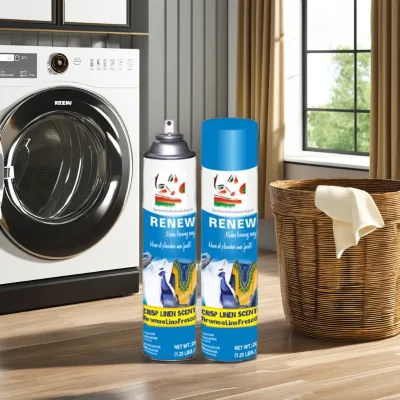


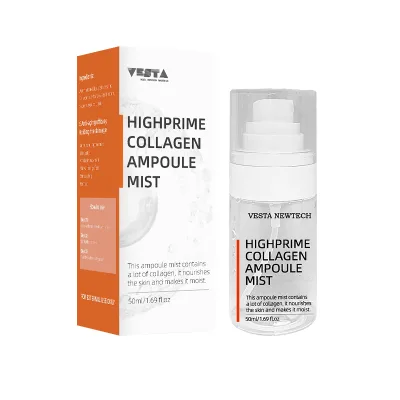
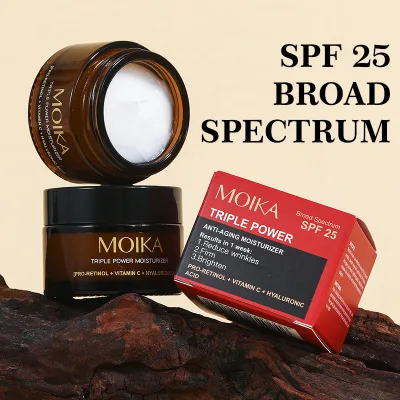
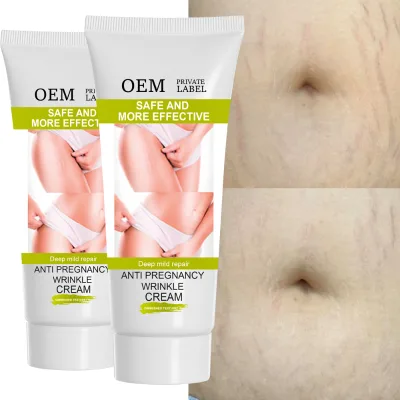
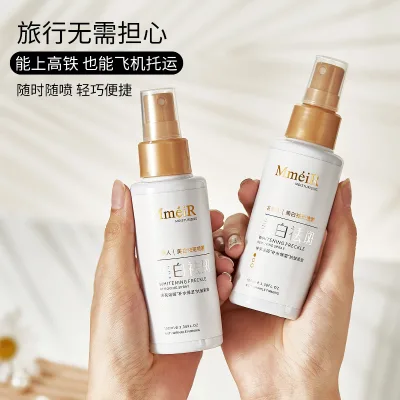


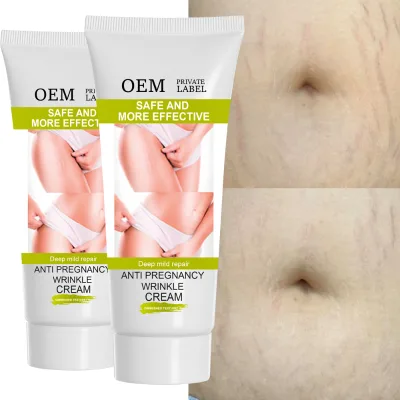


Hot Selling Cooling Spray Moisturizing Anti-Sensitive and Soothing Skin Spray
$1.35 - $1.45
MOQ: 30000 Pieces


Comprehensive Sourcing Guide
Strategic Sourcing Guide for Anti-Wrinkle Starch Spray Procurement
Understanding Product Specifications and Technical Variations
When sourcing anti-wrinkle starch spray, buyers must first navigate the diverse technical specifications that define product performance and application suitability. The core product category encompasses aerosol sprays designed to restore crispness to woven fabrics while removing wrinkles. Based on observed market data, the product form is consistently liquid, delivered via an aerosol mechanism that ensures even distribution across garment surfaces. The primary function centers on three key outcomes: wrinkle removal, maintaining a crisp texture, and keeping clothes fresh. These functional attributes are critical for buyers targeting the personal care and apparel maintenance sectors.
A significant variation exists in the physical specifications of the spray cans. Market observations indicate volume capacities ranging from 0 to 500ml, with specific standard configurations including 300ml and 567ml per can. The packaging standards further dictate the logistics of shipment, with common configurations being 12 cans per carton for the larger 567ml variants and 24 cans per carton for the 300ml options. Some listings also note the use of shrink-wrapped plastic bags as an additional layer of protection for the cans within the master cartons. The scent profiles vary between floral and natural fragrances, with some products specifying a "nature" flavor profile, which suggests the use of natural essential oils or synthetic equivalents designed to mimic natural scents.
The material composition is explicitly identified as starch-based, which is the active agent responsible for the stiffening and wrinkle-removing effects. The target audience for these products is adults, and the application method is strictly defined as a spray. Buyers should note that while the base material is starch, the final product is a liquid solution contained within a pressurized can. The weaving method of the target garments is typically woven, indicating that the product is optimized for fabrics like cotton, linen, and blends that benefit from starching, rather than delicate knits or synthetics that might be damaged by the stiffening agents.
Compliance, Certification, and Regulatory Standards
Navigating the regulatory landscape is paramount when importing chemical-based textile products. For anti-wrinkle starch sprays, compliance is not merely a formality but a prerequisite for market entry in many regions. The observed product attributes highlight several critical certifications that buyers should verify with their suppliers. The most frequently cited certifications include ISO standards, which indicate adherence to international quality management systems, and MSDS (Material Safety Data Sheet) documentation, which is essential for safe transportation and handling of chemical products. Additionally, SGS certification is mentioned, suggesting third-party verification of product quality and safety.
The presence of MSDS is particularly vital because the product is an aerosol spray, which involves pressurized gases and flammable propellants. The MSDS provides detailed information on the chemical composition, potential hazards, first-aid measures, and storage requirements. Buyers must ensure that the supplier provides a current, region-specific MSDS that aligns with the regulations of the destination country. The absence of a valid MSDS can lead to customs seizures or legal liabilities. Furthermore, the product standard references often include specific volume and packaging metrics, such as the 567ml/can and 12 cans/CTN configuration, which serve as quality benchmarks for consistency.
While specific certification bodies like ISO and SGS are observed, buyers should not assume that every listed product automatically holds these credentials without verification. The documentation should be treated as a claim that requires validation. For instance, the "ISO" certification mentioned in product attributes should be cross-referenced with the supplier's actual certificate number and scope. Similarly, the "SGS" reference implies a specific test report that should be requested to confirm the product meets safety and quality thresholds. In the context of the "Guangdong, China" origin, buyers should also be aware of local export regulations regarding chemical products and ensure that the supplier has the necessary export licenses.
Cost Drivers and Pricing Dynamics
The pricing structure for anti-wrinkle starch spray is influenced by a complex interplay of factors, including volume, customization, and supply chain logistics. The observed price range in the market spans from $0.45 to $45 per unit, a wide disparity that reflects differences in can size, brand positioning, and order volume. The lower end of the spectrum likely corresponds to bulk orders of standard 300ml cans, while the higher end may reflect premium branding, larger 567ml volumes, or customized packaging solutions.
A critical cost driver is the Minimum Order Quantity (MOQ). The data reveals a significant variance in MOQ requirements, ranging from as low as 1 unit for sampling purposes to as high as 30,000 units for full container loads. Specific listings indicate an MOQ of 6,000 pieces, which equates to approximately 500 cartons for the 12-can configuration. Another common requirement is a full 20-foot container load (1*20FCL), which is typical for manufacturers offering factory-direct pricing. Buyers must calculate the total landed cost, including the unit price, shipping, and duties, to determine the true cost per unit. The "Factory Directly" attribute suggests that bypassing intermediaries can significantly reduce costs, but it often requires meeting higher MOQ thresholds.
Customization is another major factor influencing price. Products offering OEM (Original Equipment Manufacturer) and ODM (Original Design Manufacturer) support allow buyers to brand the product with their own logos and packaging. This service adds value but typically increases the unit cost due to the setup fees and lower production efficiency associated with smaller, customized batches. The "Custom Products" weight attribute and "Available" customization status indicate that buyers can tailor the product to specific market needs, but this flexibility comes with a price premium. Additionally, the lead time, observed between 15 to 25 days, impacts cash flow and inventory planning, indirectly affecting the overall cost of procurement.
Typical Applications and Market Segmentation
Anti-wrinkle starch sprays serve a diverse range of applications, primarily targeting the apparel and personal care sectors. The primary use case is the maintenance of woven garments, where the product is applied to remove wrinkles and restore a crisp, professional appearance. This makes the product highly relevant for the hospitality industry, where hotel staff use it to maintain the presentation of uniforms and linens. It is also widely used in the retail sector for pre-selling garments, ensuring they look fresh and ready for the customer.
The product's ability to "keep clothes crisp and wrinkle removal" extends its utility to home care. Consumers use these sprays to refresh suits, dresses, and shirts without the need for ironing, offering a convenient alternative to traditional laundry methods. The "Floral Scent" and "Natural Fragrance" options cater to different consumer preferences, with some markets preferring the fresh, clean smell of natural scents while others favor the traditional floral notes associated with laundry products. The "Adult" age group designation confirms that the product is intended for general household and professional use, rather than specialized industrial applications.
The "Speed Effective" feature highlights the product's efficiency, suggesting that it works quickly upon application, which is a key selling point for busy consumers and commercial users alike. The "Keep Fresh" function adds a layer of value, positioning the product not just as a wrinkle remover but as a fabric refresher that combats odors. This multifunctionality broadens the market potential, allowing buyers to target both the B2B sector (hotels, dry cleaners) and the B2C sector (retail consumers). The "Single item" selling unit indicates that the product is also marketed for individual purchase, appealing to the growing trend of convenience-based personal care solutions.
Supplier Evaluation and Sourcing Strategy
Evaluating suppliers for anti-wrinkle starch spray requires a rigorous approach to ensure reliability and quality. The "Guangdong, China" origin is a common hub for this type of manufacturing, offering a dense ecosystem of suppliers with varying capabilities. Buyers should prioritize suppliers who explicitly state "Factory Directly" and "Chinese Manufacturer Wholesale Directly," as these attributes suggest a direct relationship with the production facility, reducing the risk of middleman markups and communication errors.
When assessing potential partners, buyers should verify the "OEM/ODM Support" capability, which indicates the supplier's flexibility in customizing products. This is crucial for brands looking to differentiate themselves in the market. The "Customization: Available" attribute should be confirmed with specific examples of past projects to ensure the supplier has the technical capacity to meet unique requirements. Additionally, the "Advantage: Factory Supply Directly" claim should be validated by requesting factory audits or virtual tours to confirm the production capabilities and quality control processes.
The "Delivery Time" of 15-25 days is a standard expectation, but buyers should confirm if this timeline is consistent across different order volumes. The "Shelf Life: 2 Years" is a critical metric for inventory management, ensuring that the product remains effective during storage and transit. Buyers should also check the "MOQ" requirements carefully, as the range from 1 to 30,000 units allows for flexibility in initial testing and scaling. However, the "1*20FCL" requirement for bulk orders means that buyers must have sufficient demand to justify a full container load.
Quality Control and Long-Term Procurement Considerations
Maintaining product quality over the long term requires a robust quality control (QC) framework. Buyers should establish clear acceptance criteria based on the observed specifications, such as the "567ml /Can" and "300ml/can" volumes, and the "12 Cans/CTN" or "24cans/ctn" packaging standards. Regular sampling and testing should be conducted to ensure that the "Starch Spray" maintains its "Crisp" and "Wrinkle Removal" properties over time. The "MSDS" and "SGS" certifications should be re-verified periodically to ensure ongoing compliance with safety standards.
Long-term procurement considerations include building a resilient supply chain that can adapt to market fluctuations. The "Custom Products" attribute suggests that buyers should plan for potential changes in packaging or formulation to meet evolving consumer preferences. The "Shelf Life: 2 Years" provides a buffer for inventory management, but buyers should still implement a first-in, first-out (FIFO) system to prevent product degradation. Additionally, the "Lead Time" of 18-25 days should be factored into production planning to avoid stockouts, especially during peak seasons.
Buyers should also consider the environmental impact of the product, particularly the "Aerosol Spray" mechanism, which involves propellants. While the "Natural Fragrance" and "Nature" flavor attributes suggest eco-friendly positioning, buyers should verify the specific propellant types and ensure they comply with environmental regulations in their target markets. The "Weaving method: Woven" specification indicates that the product is designed for specific fabric types, and buyers should ensure that their marketing and distribution strategies align with this target audience.
Comparative Analysis of Product Configurations
To facilitate informed decision-making, the following table compares key product configurations observed in the market. This comparison highlights the differences in volume, packaging, and functional attributes that buyers should consider when selecting a supplier.
| Feature | Configuration A | Configuration B | Configuration C |
|---|---|---|---|
| Volume | 567ml | 300ml | 0-500ml (Custom) |
| Packaging | 12 Cans/CTN | 24 Cans/CTN | 12PCS Per Carton |
| Scent | Floral Scent | Natural Fragrance | Nature |
| MOQ | 6000 PCS | 6000 PCS | Custom |
| Lead Time | 18-25 Days | 15-25 Days | 15-25 Days |
| Certification | ISO, MSDS, SGS | MSDS | MSDS |
| Function | Wrinkle Removal, Crisp | Wrinkle Removal | Wrinkle Removal |
| Origin | Guangdong, China | Guangdong | Guangzhou, China |
This table illustrates that while the core function remains consistent across configurations, the volume and packaging options vary significantly. Buyers should align their choice with their specific market needs, balancing the cost per unit against the logistics of storage and distribution. The "Custom" option in Configuration C offers the most flexibility but may require higher MOQs and longer lead times.
In conclusion, sourcing anti-wrinkle starch spray requires a balanced approach that considers technical specifications, regulatory compliance, cost dynamics, and supplier reliability. By carefully evaluating these factors, buyers can secure a supply chain that delivers high-quality products while meeting their business objectives. The observed data provides a solid foundation for making informed decisions, but continuous verification and relationship building with suppliers remain essential for long-term success.
FAQs
What certifications do Anti-Wrinkle Starch Spray products typically hold?
Products typically hold ISO, MSDS, and SGS certifications. These documents verify quality management systems and safety data for chemical handling. Buyers must request current certificates to confirm compliance with destination country regulations before placing orders.
Which specifications are available for Anti-Wrinkle Starch Spray cans?
Standard specifications include 300ml and 567ml can volumes. Packaging configurations vary, with 24 cans per carton for smaller sizes and 12 cans per carton for larger sizes. Some listings also offer shrink-wrapped plastic bags for additional protection during transit.
How long is the delivery time for Anti-Wrinkle Starch Spray orders?
Delivery times generally range from 15 to 25 days after order confirmation. This lead time applies to standard production runs and may vary based on order volume. Buyers should plan inventory accordingly to ensure timely receipt of goods.
Can buyers customize Anti-Wrinkle Starch Spray packaging and branding?
Yes, customization is available with OEM and ODM support. Suppliers allow changes to branding, scents, and packaging details to meet specific market needs. This service often requires meeting minimum order quantities to justify production setup costs.
What is the minimum order quantity for Anti-Wrinkle Starch Spray?
Minimum order quantities vary from single units for sampling to full container loads. Specific listings often require 6,000 pieces or approximately 500 cartons. Buyers must verify the exact MOQ with the supplier to align with their procurement volume.
Where are Anti-Wrinkle Starch Spray manufacturers primarily located?
Manufacturers are primarily located in Guangdong, China, including Guangzhou. This region offers a dense ecosystem of factories specializing in chemical textile products. Buyers should verify the specific origin city to ensure accurate logistics planning and compliance.