Source Anti-Wrinkle Serum for Face, Neck, and Body Care
Compare 30 anti-wrinkle serum options featuring ingredients like retinol and hyaluronic acid for face, neck, and body applications. Buyers can review specifications, certifications, and customization services from suppliers in China.
Key considerations
Products List
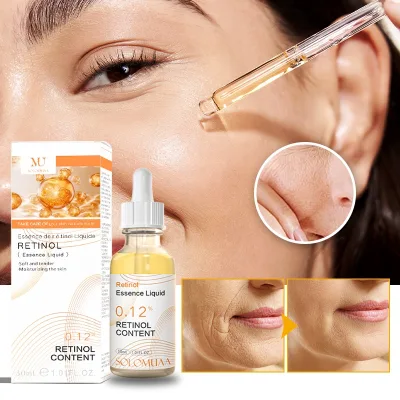
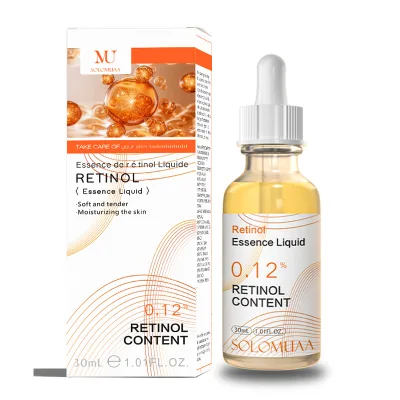
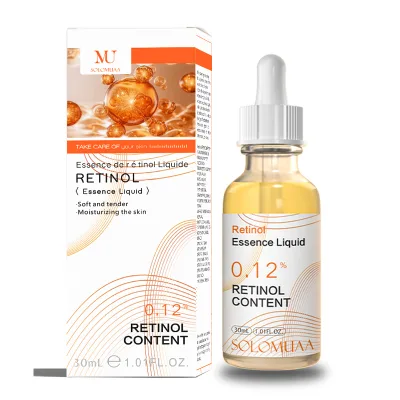
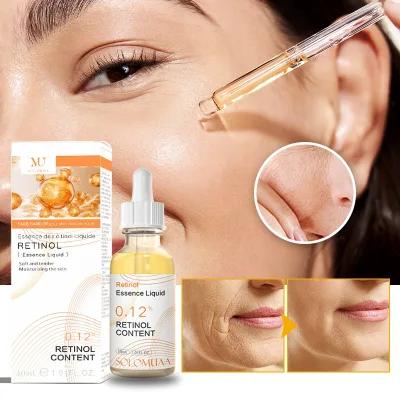
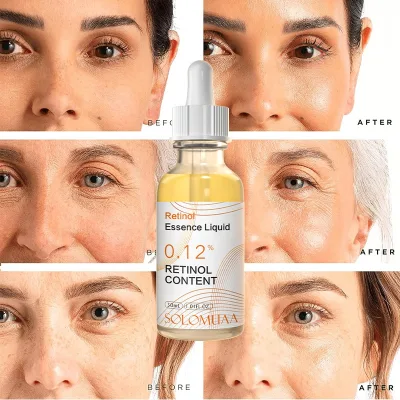
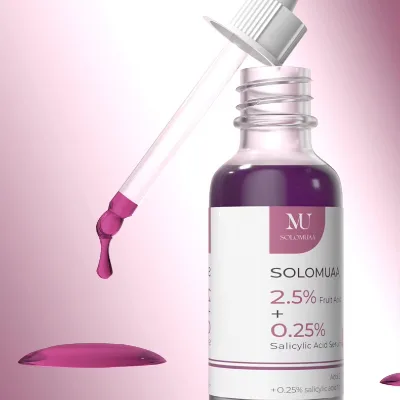


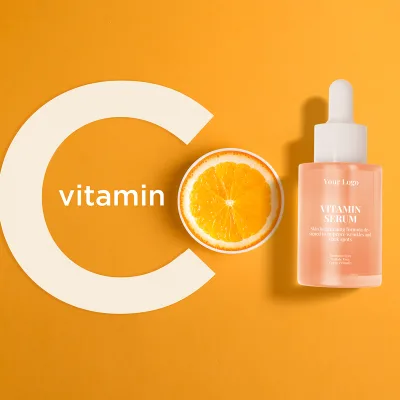

High Quality Sale of Anti-Wrinkle Smoothing and Firming Vitamin C Serum
$2.60 - $3.50
MOQ: 1000 Pieces


Powerful Anti-Aging Treatment Hydrating Face Serum with Hyaluronic Acid
$2.02 - $2.32
MOQ: 3000 Pieces


Comprehensive Sourcing Guide
Strategic Sourcing Guide for Anti-Wrinkle Serum Procurement
Navigating the global market for anti-wrinkle serums requires a disciplined approach that balances cosmetic efficacy with rigorous supply chain verification. For procurement professionals, the primary challenge lies in distinguishing between generic formulations and specialized products that meet specific regulatory and quality standards. The current market landscape, particularly within the Guangdong region of China, offers a diverse array of options ranging from bulk raw materials to finished cosmetic sets. This guide outlines the essential technical, compliance, and operational factors buyers must evaluate to secure reliable supply chains for anti-wrinkle skincare solutions.
Technical Specifications and Formulation Diversity
The technical foundation of any anti-wrinkle serum lies in its formulation and physical characteristics. Based on available market data, the product forms vary significantly, with liquid serums being the predominant format for targeted application. These liquids are typically packaged in small units, with model numbers and specifications indicating volumes such as 5ml, 10ml, 30ml, and 50ml. The physical appearance of the product is a critical identifier; observed listings describe serums in distinct colors, including yellow and purple, which often correlate with specific active ingredients or branding strategies.
A comprehensive understanding of the ingredient profile is non-negotiable for buyers. The market features a wide spectrum of active components designed to address aging signs. Common high-confidence ingredients include Hyaluronic Acid, Retinol, Vitamin C, Niacinamide, and Tranexamic Acid. These are frequently paired with botanical extracts such as Aloe Vera, Green Tea, and Sophora flavescens, as well as minerals like Dead Sea Salt. Some formulations also incorporate Pro-Xylane, Peptides, and Collagen to enhance skin firming and texture improvement. Buyers must verify the specific concentration and combination of these ingredients, as the "Main Ingredient" field in supplier data can vary from single components like Pearl to complex blends involving vitamins and herbal extracts.
Furthermore, the target application areas define the product's utility. While many serums are marketed specifically for the face, a significant portion of the supply chain supports multi-area usage, including the neck, decollete, hands, eyes, and body. This versatility is often highlighted in product features, which list benefits such as skin revitalization, anti-puffiness, dark circle reduction, and pore shrinking. The suggested usage frequency also varies, with some protocols recommending application once or twice per week, while others suggest day and night routines. Understanding these usage parameters is essential for aligning product selection with the intended consumer demographic and application method.
Compliance, Certification, and Regulatory Standards
In the B2B cosmetic sector, compliance is the primary gatekeeper for market access. Buyers must rigorously verify that suppliers possess the necessary certifications to export their products to target markets. The observed market data indicates that many suppliers in the region hold CE and FDA certifications, alongside MSDS (Material Safety Data Sheet) documentation. These documents are critical for demonstrating that the product meets safety standards for chemical composition and handling. However, the presence of these certifications should be treated as a verification point rather than a guarantee; buyers must request current, valid certificates for each specific batch or model number.
Beyond general certifications, the grade standard of the product is a vital technical specification. The market distinguishes between various grades, including Agriculture grade, Electron grade, Industrial grade, Medicine grade, and Reagent grade. For cosmetic applications, the distinction between "Industrial," "Technical," and "Crude" grades is particularly important. While some listings mention "Agriculture" or "Electron" grades, these are typically not suitable for direct skin application unless they undergo further purification to meet cosmetic safety standards. Buyers should explicitly confirm that the product grade aligns with cosmetic regulations in their destination country.
Additionally, the formulation's safety profile is often highlighted through specific attributes such as being Paraben-Free, Cruelty-Free, Vegan, and Organic. While these claims are common in marketing materials, procurement teams must request third-party testing results to substantiate these assertions. The absence of certain preservatives or the inclusion of organic ingredients can significantly impact shelf life and regulatory compliance, particularly in markets with strict cosmetic ingredient bans. Therefore, the verification of "Paraben-Free" or "Organic" status must be backed by laboratory analysis rather than supplier assertions alone.
Cost Drivers and Economic Considerations
The pricing structure for anti-wrinkle serums is influenced by a complex interplay of factors, including ingredient quality, packaging complexity, and order volume. The observed price range in the market spans from $0.58 to $30.00 USD, a variance that reflects the difference between bulk raw materials, private-label finished goods, and premium branded sets. Several key drivers contribute to this spread. First, the complexity of the formulation plays a significant role; serums containing high concentrations of Retinol, Peptides, or specialized botanical extracts like Ganoderma or Ginseng typically command higher prices than those with simpler ingredient lists.
Second, the packaging and unit size are major cost determinants. Products sold in single-item units with specific packaging dimensions, such as 4x4x11 cm, incur higher per-unit logistics costs compared to bulk shipments. The "Single Gross Weight" of 0.100 kg for certain models indicates that packaging materials contribute significantly to the total weight and, consequently, shipping costs. Buyers must also consider the "Selling Units" configuration; some suppliers offer products in sets (e.g., 200 sets per MOQ), while others allow for single-item purchases or bulk liquid sales by the kilogram.
The Minimum Order Quantity (MOQ) is another critical economic factor. The market exhibits a wide MOQ range, from 1 unit to 5,000 units, with a specific observed standard of 200 sets for certain product lines. This flexibility allows buyers to test the market with small orders or scale up for mass distribution. However, higher MOQs often correlate with lower per-unit costs, making volume negotiation a key strategy for procurement teams. Additionally, the availability of OEM/ODM services and customization options can influence pricing, as tailored formulations and branding require additional development and setup costs.
Typical Applications and Market Segmentation
The application of anti-wrinkle serums extends beyond simple facial treatment, encompassing a broad spectrum of cosmetic needs. The target areas identified in the market data include the face, body, hands, eyes, decollete, neck/throat, legs, and arms. This multi-area approach suggests that the product is designed for comprehensive skin care regimens rather than isolated treatments. The specific features listed, such as "Face Lifting," "Skin Firming," and "Anti-Wrinkle," indicate that the primary value proposition is structural improvement and rejuvenation.
Market segmentation is further defined by the intended user demographic. While many products are targeted at females, there is a notable segment of "Unisex" products available, expanding the potential customer base. The usage instructions, such as "Day & Night" application, suggest that these serums are intended for daily maintenance rather than occasional corrective treatment. The "Our Suggestion" of using the product 1-2 times per week for certain formulations implies that some products may be more intensive or require specific recovery periods, necessitating clear communication with end-users.
The "Other Service" category, which includes "Serum to Be Sold in Kg," highlights a B2B-specific application where the product is intended for repackaging or further processing by downstream manufacturers. This distinction is crucial for buyers who are not end-retailers but rather formulators or distributors looking to create their own branded lines. The availability of customization services supports this model, allowing buyers to tailor the product to specific market demands, whether through ingredient modification, packaging design, or branding.
Supplier Evaluation and Quality Control Protocols
Evaluating suppliers in the anti-wrinkle serum market requires a multi-faceted approach that goes beyond basic product listings. The "Advantage" of "Factory Supply" and "Best Price" suggests a direct manufacturing relationship, which can reduce intermediary costs. However, buyers must verify the actual production capabilities of the facility. The "Place of Origin" is consistently listed as Guangdong, China, with specific mentions of Guangzhou. This concentration of manufacturing hubs indicates a mature supply chain, but it also necessitates due diligence to ensure that the specific factory meets the buyer's quality expectations.
Quality control should be integrated into the procurement process from the outset. Buyers must request detailed specifications for each model number, such as "Sherry240607-retinol serum" or "S1-retinol serum," to ensure consistency. The "Quality" attribute, which includes categories like Crude, Industrial, and Technical, serves as a preliminary filter; buyers should prioritize suppliers who can demonstrate that their "Industrial" or "Technical" grades meet cosmetic safety standards. Furthermore, the "Certification" field, listing CE, FDA, and MSDS, should be cross-referenced with the specific product batch to ensure validity.
The "Service" aspect, including OEM/ODM availability and customization options, is a key indicator of supplier flexibility. A supplier that offers customization is likely to have a more robust R&D department and quality assurance processes. Buyers should also assess the "Available Quantity" and "Lead Time" capabilities, as the market data shows an available quantity of 10,000 units for certain items. This capacity suggests that the supplier can handle significant order volumes, but buyers must confirm that this availability is sustainable and not a temporary stock fluctuation.
Long-Term Procurement and Supply Chain Resilience
Sourcing anti-wrinkle serums is not merely a transactional activity but a strategic partnership that requires long-term planning. The "Market" is described as "Global," indicating that the products are intended for international distribution. This global reach necessitates a supply chain that can withstand logistical challenges and regulatory changes across different regions. Buyers should prioritize suppliers who demonstrate a commitment to continuous improvement and adaptability, as evidenced by their willingness to offer "Customization" and "OEM/ODM" services.
The "Pack" attribute, which mentions "in Carton," is a standard logistical detail, but buyers should verify the packaging integrity to prevent damage during transit. The "Single package size" of 4x4x11 cm and the "Single gross weight" of 0.100 kg provide specific data points for calculating shipping costs and storage requirements. For long-term contracts, buyers should negotiate terms that account for potential fluctuations in raw material costs, particularly for key ingredients like Hyaluronic Acid, Retinol, and Vitamin C.
Finally, the "Language" of communication is listed as English, which facilitates clear interaction with international buyers. However, buyers should ensure that all technical documentation, including safety data sheets and usage instructions, is available in the language of the target market. The "Direction" of "Day & Night" usage and the "Feature" list provide a framework for marketing, but the underlying product quality must remain consistent to maintain brand reputation. By focusing on these long-term considerations, buyers can build a resilient supply chain that supports sustainable growth in the competitive anti-wrinkle serum market.
Comparative Analysis of Product Attributes
To facilitate decision-making, the following table summarizes key product attributes observed in the market, highlighting the variations in formulation, packaging, and compliance.
| Attribute Category | Specific Observation | Variability Notes |
|---|---|---|
| Form | Liquid | Predominant format; some variations in viscosity. |
| Color | Yellow, Purple | Indicates different active ingredient profiles. |
| Main Ingredients | Pearl, Aloe Vera, Retinol, Hyaluronic Acid, etc. | Wide range; some focus on botanicals, others on synthetics. |
| Packaging Size | 4x4x11 cm (Single) | Standard for retail units; bulk options available. |
| Volume Options | 5ml, 10ml, 30ml, 50ml | Flexible sizing for different market segments. |
| Certifications | CE, FDA, MSDS | Common but must be verified per batch. |
| Grade Standard | Industrial, Technical, Crude | Critical for safety compliance; verify cosmetic grade. |
| MOQ | 1 - 5,000 units | Highly variable; 200 sets is a common standard. |
| Target Area | Face, Body, Eyes, Neck, Hands | Multi-area application is common. |
| Usage Frequency | 1-2 times/week, Day & Night | Varies by formulation intensity. |
This comparative view underscores the need for precise specification matching. Buyers should not assume that all products labeled "anti-wrinkle" share the same attributes. Instead, they must align their specific requirements with the detailed product data provided by the supplier, ensuring that the chosen solution meets both technical and regulatory expectations.
FAQs
What certifications do anti-wrinkle serum suppliers typically hold?
Suppliers often hold CE, FDA, and MSDS certifications for their anti-wrinkle serums. These documents verify safety standards for chemical composition and handling. Buyers must request current certificates for each specific batch or model number to ensure compliance with destination country regulations.
Which grades of anti-wrinkle serum are suitable for cosmetic use?
Suitable grades include Industrial, Technical, and Reagent grades for cosmetic applications. Agriculture or Electron grades are typically not suitable for direct skin use unless purified. Buyers should explicitly confirm that the product grade aligns with cosmetic safety standards before purchasing.
How can I find anti-wrinkle serum manufacturers with low MOQs?
You can find manufacturers offering Minimum Order Quantities as low as one unit. Some specific product lines have a standard MOQ of 200 sets. Flexibility in order volume allows buyers to test the market with small orders or scale up for mass distribution effectively.
Can I customize anti-wrinkle serum formulations for my brand?
Yes, customization is available for anti-wrinkle serum formulations and packaging. Many suppliers offer OEM and ODM services to tailor products to specific market demands. This allows buyers to modify ingredients, packaging design, or branding to create their own unique product lines.
What are the common ingredient profiles for anti-wrinkle serums?
Common ingredients include Hyaluronic Acid, Retinol, Vitamin C, and Niacinamide. Botanical extracts like Aloe Vera and Green Tea are also frequently used. Some formulations incorporate Pro-Xylane, Peptides, and Collagen to enhance skin firming and texture improvement for anti-aging benefits.
Where are most anti-wrinkle serum factories located?
Most factories are located in Guangdong, China, with specific hubs in Guangzhou. This concentration indicates a mature supply chain for cosmetic manufacturing. Buyers should verify the specific production capabilities of the facility in this region to ensure quality expectations are met.
How does packaging affect the price of anti-wrinkle serums?
Packaging significantly impacts the price due to logistics costs and unit configuration. Products in single-item units with specific dimensions like 4x4x11 cm incur higher per-unit shipping costs. Bulk shipments often have lower per-unit costs compared to small retail-ready packaging.