Source Anti-Wrinkle Quick Dry Nursing Uniform for Hospitals
Source 30 verified options for Anti-Wrinkle Quick Dry Nursing Uniform designed for doctors, nurses, and hospital staff. Compare features like material, customization, and pricing to find the best medical scrub sets for your facility needs; compare the available evidence and request quotations based on your requirements.
Key considerations
Products List


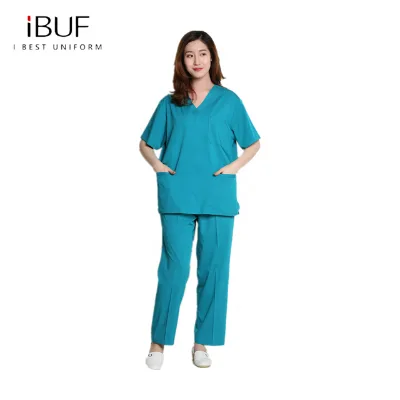

Premium Quality Nurse Work Uniform with Stretch Fabric Easy Wash Quick Dry
$11.39 - $13.99
MOQ: 100 Pieces


High Quality Anti-Wrinkle Long Sleeve Nurse Uniform with Knit Fabric Custom Size
$11.39 - $13.99
MOQ: 100 Pieces


Comfortable Large-Size Elastic Waist Nurse Uniform for Clinics and Hospitals
$11.39 - $13.99
MOQ: 100 Pieces

Lightweight Breathable Nurse Uniform for Summer Short Sleeve with Pocket
$11.39 - $13.99
MOQ: 100 Pieces


Comprehensive Sourcing Guide
Anti-Wrinkle Quick Dry Nursing Uniform Sourcing Guide
Procuring anti-wrinkle, quick-dry nursing uniforms requires a strategic balance between functional performance and professional aesthetics. These garments are engineered to withstand the rigorous demands of clinical environments, where staff members frequently move between patient care, administrative tasks, and long shifts. The primary objective is to select uniforms that maintain a crisp appearance throughout the day while managing moisture and temperature effectively. Buyers must prioritize fabrics that offer durability without compromising comfort, ensuring that healthcare professionals remain focused on their duties rather than adjusting their attire.
The sourcing process involves evaluating multiple product attributes, including material composition, design flexibility, and supply chain reliability. Observations from current market listings indicate a wide range of options, from polyester blends to cotton mixes, each offering distinct benefits regarding breathability and ease of maintenance. Understanding these variations is crucial for making informed decisions that align with specific institutional needs. This guide provides a structured approach to navigating these choices, helping procurement teams identify suppliers who can deliver consistent quality and meet the unique requirements of modern healthcare settings.
Product Scope and Observed Listing Signals
The current market for medical scrubs presents a diverse array of products designed for hospital, doctor, and nurse applications. Listings frequently highlight features such as short or long sleeves, customizable designs, and various color options to suit different institutional branding needs. Buyers should note that while many products claim high quality, the actual material composition varies significantly, with some items using polyester for durability and others incorporating cotton for enhanced comfort. It is essential to verify these details before placing orders, as the perceived "high quality" can differ based on individual preferences and specific use cases.
Observed listing signals also reveal a strong emphasis on customization capabilities, including the ability to add logos and adjust colors. This flexibility is particularly valuable for healthcare facilities looking to maintain a cohesive visual identity across their staff. Additionally, the availability of all-in-one structures and separate tops and bottoms allows for tailored solutions based on personal preference and functional requirements. Buyers should carefully review these signals to ensure that the selected products align with their operational needs, considering factors such as seasonality and the specific demands of the healthcare environment.
Technical Specifications to Verify
When evaluating technical specifications, buyers must focus on material composition and structural integrity. Common materials include polyester and cotton blends, each offering distinct advantages in terms of moisture management and durability. Polyester-based uniforms often excel in quick-drying properties and resistance to wrinkling, making them suitable for high-traffic clinical environments. Conversely, cotton blends may provide superior breathability and comfort, though they might require more maintenance to prevent creasing. Verifying these material details is crucial for ensuring that the selected uniforms meet the specific performance expectations of the healthcare facility.
Size ranges and packaging standards are also critical technical aspects to consider. Listings often indicate size options from S to 3XL, catering to a diverse workforce. Packaging details, such as individual poly bags or carton quantities, impact logistics and storage efficiency. Buyers should confirm these specifications with suppliers to avoid discrepancies in order fulfillment. Additionally, understanding the standard dimensions and weight per unit helps in planning storage and distribution strategies effectively. Ensuring that these technical details are clearly defined and agreed upon can prevent potential issues during the procurement process.
Compliance and Safety Documentation
Compliance with safety and quality standards is paramount in the healthcare industry, where uniforms must meet specific hygiene and durability requirements. Buyers should inquire about any relevant certifications, such as Oeko-Tex, which indicates that the textiles are free from harmful substances. While not all suppliers may explicitly state their compliance status, it is essential to request documentation to ensure that the uniforms meet safety standards. This verification process helps mitigate risks associated with skin irritation or other health concerns, ensuring that the garments are safe for prolonged wear by healthcare professionals.
In addition to material safety, buyers should assess the supplier's adherence to production standards and quality control measures. This includes verifying that the manufacturing processes align with industry best practices for consistency and reliability. Documentation regarding production standards, such as specific dimensions or weight limits, should be reviewed to ensure that the products meet the expected quality levels. By prioritizing compliance and safety, healthcare facilities can maintain a professional image while ensuring the well-being of their staff. This proactive approach to documentation and verification is a key component of effective procurement management.
Cost Drivers and Commercial Terms
Cost drivers in the procurement of nursing uniforms include material costs, customization requirements, and order volume. Suppliers often offer tiered pricing based on the quantity ordered, with lower minimum order quantities (MOQs) typically resulting in higher per-unit costs. Buyers should negotiate terms that align with their budget and inventory needs, considering the balance between cost efficiency and the flexibility to adjust orders as needed. Understanding these cost dynamics is essential for developing a sustainable procurement strategy that supports both financial goals and operational requirements.
Commercial terms also encompass payment conditions, lead times, and shipping arrangements. Buyers should clarify these details with suppliers to avoid unexpected delays or additional costs. Customization options, such as logo printing or color adjustments, may incur additional fees, which should be factored into the overall cost analysis. By carefully reviewing and negotiating these commercial terms, healthcare facilities can optimize their procurement process, ensuring that they receive high-quality uniforms at competitive prices. This strategic approach to cost management helps maintain budgetary control while meeting the specific needs of the healthcare environment.
Supplier Qualification and Quality Control
Supplier qualification is a critical step in ensuring the reliability and consistency of nursing uniform procurement. Buyers should assess suppliers based on their production capabilities, quality control processes, and customer service responsiveness. Verifying the supplier's ability to handle customization requests and maintain consistent quality across large orders is essential. This evaluation process helps identify partners who can meet the specific demands of healthcare facilities, ensuring that the uniforms delivered align with the expected standards of quality and performance.
Quality control measures should be clearly defined and agreed upon before placing orders. Buyers should request samples to evaluate the material quality, stitching, and overall construction of the uniforms. This hands-on assessment provides valuable insights into the supplier's attention to detail and commitment to quality. Additionally, establishing clear communication channels for addressing any issues or concerns during the production process is crucial. By prioritizing supplier qualification and rigorous quality control, healthcare facilities can build a reliable supply chain that supports their operational needs and maintains a professional image.
Long-Term Procurement Checks
Long-term procurement checks involve continuous monitoring of supplier performance and product quality to ensure sustained satisfaction. Buyers should establish regular review cycles to assess the consistency of deliveries, the responsiveness of customer service, and the overall value provided by the supplier. This ongoing evaluation helps identify any emerging issues or areas for improvement, allowing for proactive adjustments to the procurement strategy. By maintaining a close relationship with suppliers and staying informed about market trends, healthcare facilities can adapt to changing needs and ensure that their uniform procurement remains efficient and effective.
Additionally, buyers should periodically reassess their requirements to ensure that the selected uniforms continue to meet the evolving needs of their staff and the healthcare environment. This may involve exploring new materials, designs, or customization options that offer enhanced performance or comfort. By staying engaged with the procurement process and remaining open to innovation, healthcare facilities can optimize their uniform sourcing strategy, ensuring that they provide their staff with high-quality, functional, and professional attire. This long-term perspective helps build a resilient supply chain that supports the ongoing success of the healthcare organization.
FAQs
What sizes are available for anti wrinkle quick dry nursing uniforms?
The listed scrubs sets are available in sizes S-3XL, covering most hospital staff requirements. Because these items support customization, buyers can request adjusted grading or additional sizes for larger teams. Confirm exact chest, length, and waist measurements with the supplier before ordering, since sizing charts can vary between models such as the 2232, 517, and 585.
Which fabric options are offered for these quick dry nursing uniforms?
Listed materials include polyester and cotton, and the fabric field indicates various options are available. Polyester blends typically deliver the quick dry, anti-wrinkle, and anti-static performance buyers expect, while cotton offers softer hand feel and breathability. Ask suppliers to share fabric composition and weight for each model so you can match the material to your hospital climate and washing conditions.
Can I customize colors and logos on these anti wrinkle nursing uniforms?
Yes, customization of colors, logos, and designs is supported across the listed scrubs sets. Suppliers generally require your logo file and preferred color references before sampling. Many listings also support sample making, so you can approve fit, stitching, and print quality before committing to bulk production. Expect customization terms and fees to vary by supplier and order quantity.
What is the minimum order quantity for these medical scrubs sets?
The featured hospital scrubs set lists an MOQ of 200 pieces, while the wider category shows MOQs ranging from 10 to 3000 pieces. Lower MOQs often suit trials or small clinics, and higher MOQs usually unlock better unit pricing. Negotiate directly with suppliers, since MOQ can change with customization level, fabric choice, and size breakdown per order.
How should I choose between short sleeve and long sleeve scrubs?
Sleeve length can be customized, with both short sleeve and long sleeve options available. Short sleeve versions are popular for summer use and fast-paced clinical work, while long sleeve suits cooler seasons such as spring and autumn. Consider your hospital's air conditioning, infection control policies, and staff preferences, then confirm the sleeve style during sampling.
What features make these uniforms suitable for daily hospital use?
The listed nursing uniforms combine anti-wrinkle, quick dry, and anti-static features, which help garments stay presentable through long shifts and frequent laundering. Many sets are designed as tops and bottom sets or all-in-one structures for unisex hospital use. Polyester construction supports easy care, and box packaging with one piece per poly bag keeps units clean during storage and distribution.
Can I request samples before placing a bulk order?
Yes, sample making is supported on the listed scrubs sets, allowing you to evaluate fabric, fit, and workmanship first. Provide your size, color, and logo requirements when requesting the sample. Review stitching, print durability, and quick dry performance in person, then use the approved sample as the production reference. Sample cost and shipping terms should be confirmed with each supplier.