Source Audio Permalloy Steel Sheet for magnetic shielding
Find 16 Audio Permalloy Steel Sheet options from Hebei, China. Compare models like 1J85 and Ni80Mo5 with high permeability and bright surfaces for alternating magnetic field applications. View specs and request quotes; compare the available evidence and request quotations based on your requirements.
Updated
Key considerations
Products List
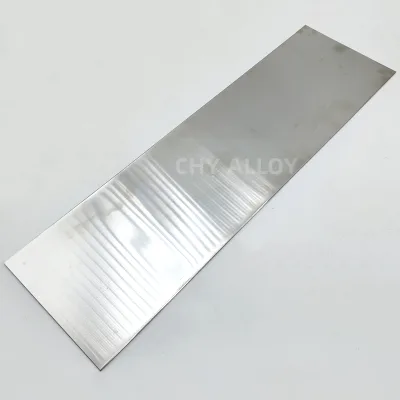


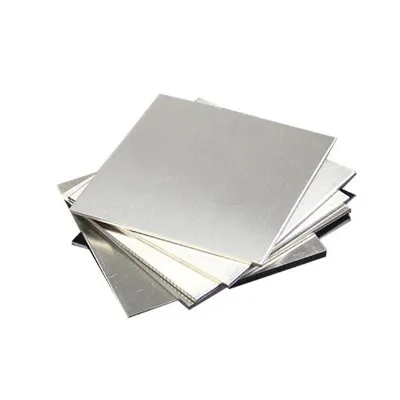


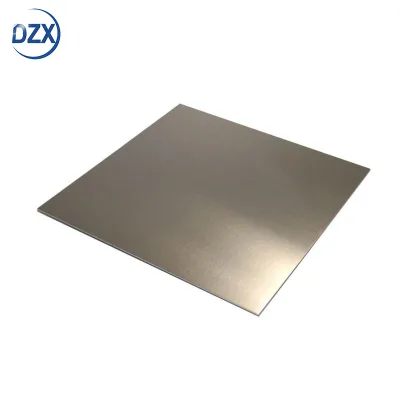
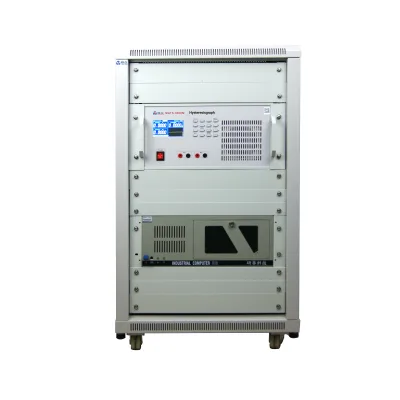

Comprehensive Sourcing Guide
Audio Permalloy Steel Sheet Sourcing Guide
Sourcing high-performance magnetic materials for audio equipment requires precise attention to material composition and manufacturing techniques. Permalloy sheets, primarily composed of nickel and iron, are essential for components demanding high magnetic permeability and low coercivity. Buyers must distinguish between various grades, such as 1J85 and 1J50, which offer different magnetic properties suitable for specific audio transformer cores or shielding applications. The selection process begins with identifying the exact magnetic requirements of the audio circuit, ensuring the chosen alloy provides optimal signal fidelity and minimal distortion.
Procurement decisions are heavily influenced by the physical form and surface finish of the sheets. Available options include cold-rolled and hot-rolled techniques, with surface treatments ranging from bright finishes to specialized coatings. Dimensions are often customizable, with standard sizes like 240mm width and 500mm length available, though bespoke cuts are common for specialized audio hardware. Understanding these physical attributes is critical for integrating the material into existing manufacturing workflows, particularly when dealing with tight tolerances required in high-end audio engineering.
Product Scope and Observed Listing Signals
Market listings for permalloy sheets reveal a diverse range of product specifications tailored to different industrial needs. Common model numbers include 1J85 and Ni80Mo5, indicating variations in nickel content and alloying elements that affect magnetic performance. Listings frequently highlight features such as high initial permeability and low carbon content, which are vital for maintaining stable magnetic properties in audio applications. Buyers should carefully review these model designations to ensure compatibility with their specific design parameters, as even slight compositional differences can impact the final audio quality.
Packaging and logistical details also provide insight into the supplier’s operational capabilities. Products are typically shipped in wooden cases or coils, with single package sizes varying from 20x20x20 cm to larger dimensions like 50x20x20 cm. The observed minimum order quantities (MOQ) range from 10kg to 20kg, suggesting flexibility for both small-scale prototyping and larger production runs. Additionally, the presence of customization options indicates that suppliers can accommodate specific thickness and width requirements, allowing engineers to optimize the material for unique audio component designs without compromising structural integrity.
Technical Specifications to Verify
Verifying technical specifications is paramount when sourcing permalloy for audio applications. Key parameters include ultimate strength, which can range from 780 MPa to 1030 MPa depending on the treatment and grade. Elongation percentages, typically between 3% and 50%, indicate the material’s ductility and suitability for forming processes. Buyers must confirm these mechanical properties to ensure the sheets can withstand manufacturing stresses without cracking or deforming, which is crucial for maintaining the precision of audio components over time.
Magnetic and electrical properties are equally critical for performance validation. Resistivity values around 0.45 to 0.56 μΩ.m and density figures near 8.2 to 8.75 g/cm³ are common indicators of material quality. The Curie point, often cited around 400°C, defines the thermal stability limit of the magnetic properties. Additionally, nickel content must be verified, with minimums often specified at 49% or higher for specific grades. Ensuring these electrical and thermal characteristics align with design requirements prevents unexpected performance degradation in sensitive audio equipment.
Compliance and Safety Documentation
While specific certification statuses may vary, buyers should prioritize suppliers who adhere to international safety and environmental standards. RoHS compliance is a common benchmark for electronic components, ensuring that materials do not contain restricted hazardous substances. This is particularly important for audio products destined for global markets, where regulatory adherence is mandatory. Procurement teams should request current certification documents to verify that the permalloy sheets meet these environmental requirements, thereby mitigating legal risks and ensuring market access.
Documentation should also include detailed material test reports and chemical composition certificates. These documents provide evidence of the alloy’s purity and consistency, which are essential for maintaining uniform magnetic properties across production batches. Buyers should verify that the supplier provides transparent data on carbon content and other trace elements, as impurities can negatively affect magnetic permeability. Comprehensive documentation not only ensures compliance but also facilitates quality control processes within the buyer’s manufacturing facility.
Cost Drivers and Commercial Terms
Several factors influence the cost of permalloy sheets, including raw material prices, manufacturing complexity, and order volume. The observed price range of $15 to $35,000 USD reflects the variability in product specifications and quantities. High-purity grades with customized dimensions or specialized surface treatments typically command higher prices due to increased production costs. Buyers should analyze the cost structure in relation to the required performance levels, avoiding over-specification where standard grades suffice for their audio applications.
Commercial terms such as MOQ and lead times also impact overall procurement costs. Lower MOQs may result in higher per-unit prices, while larger orders can leverage economies of scale. Suppliers often offer flexible packaging options, such as wooden cases or coils, which can affect shipping costs and handling requirements. Understanding these commercial dynamics allows buyers to negotiate favorable terms and optimize inventory levels, ensuring a balance between cost efficiency and supply chain reliability for ongoing audio component production.
Supplier Qualification and Quality Control
Evaluating supplier qualifications is essential for securing a reliable source of high-quality permalloy sheets. Buyers should assess the supplier’s manufacturing capabilities, including their proficiency in cold-rolling and hot-rolling techniques. Experience in producing materials with specific magnetic properties, such as high initial permeability, is a strong indicator of technical competence. Additionally, suppliers with a history of serving the electronics or audio industries are likely to have established quality control protocols that align with buyer expectations.
Quality control processes should include rigorous testing of mechanical and magnetic properties. Buyers should inquire about the supplier’s internal testing procedures, such as tensile strength tests and permeability measurements. Consistency in product dimensions, such as thickness and width, is also critical for automated manufacturing processes. Establishing clear quality benchmarks and requiring regular audits or sample testing can help maintain high standards and prevent defects in the final audio products, ensuring long-term reliability and performance.
Long-Term Procurement Checks
Establishing long-term procurement relationships requires ongoing monitoring of supplier performance and product consistency. Regular reviews of material test reports and customer feedback can help identify any deviations in quality or delivery times. Buyers should maintain open communication with suppliers to address any issues promptly and ensure that the permalloy sheets continue to meet evolving audio design requirements. This proactive approach helps mitigate risks associated with supply chain disruptions and ensures a steady supply of high-quality materials.
Adapting to market changes and technological advancements is also crucial for long-term success. As audio technology evolves, the demand for materials with enhanced magnetic properties may increase. Buyers should stay informed about new alloy developments and manufacturing techniques that could offer improved performance or cost savings. By continuously evaluating their sourcing strategies and maintaining strong supplier relationships, buyers can ensure that their audio products remain competitive and meet the highest standards of quality and performance in the marketplace.
FAQs
What is the minimum order quantity for audio permalloy steel sheets?
The minimum order quantity is typically 10kg or 20kg depending on the specific supplier and product grade. Buyers should verify the exact MOQ with the manufacturer before placing an order, as some vendors may require higher volumes for customized sizes or specific packaging requirements like wooden cases.
Which nickel content is standard for high permeability permalloy sheets?
Standard high permeability permalloy sheets often contain a minimum of 49% nickel, with common grades like Ni80Mo5 offering enhanced magnetic properties. The material content usually consists of Ni-Fe alloys, ensuring high initial permeability and low coercivity for effective magnetic shielding applications in sensitive electronic devices.
Can audio permalloy steel sheets be customized to specific dimensions?
Yes, audio permalloy steel sheets can be customized to specific dimensions such as thickness, width, and length. Suppliers offer customized sizes to meet precise engineering requirements, with options for cold rolled or hot rolled techniques, ensuring the final product fits perfectly into alternating magnetic field applications or shielding enclosures.
What is the typical ultimate strength of permalloy steel sheets?
The typical ultimate strength of permalloy steel sheets ranges from 780 MPa to 1030 MPa, depending on the specific grade and processing technique. This mechanical property ensures durability during handling and installation, while the material maintains its essential magnetic characteristics, such as high permeability and low electrical resistance.
How are permalloy sheets packaged for international shipping?
Permalloy sheets are typically packaged in wooden cases to protect the material during international shipping and handling. Some suppliers may also use coils, cartons, or other protective packaging methods depending on the product form. This ensures the sheets remain undamaged and maintain their bright surface finish upon arrival at the destination.
What is the density of Ni80Mo5 permalloy sheets?
The density of Ni80Mo5 permalloy sheets is approximately 8.75 g/cm3. This specific density contributes to the material's overall weight and structural integrity, making it suitable for applications requiring precise mass distribution. Buyers should consider this factor when calculating shipping costs and designing components that incorporate these magnetic shielding sheets.