Round Audio Speaker Crossover Suppliers and Manufacturers
Explore 27 verified options for Round Audio Speaker Crossover products from Guangdong, China. Compare response times, lead times, certifications like ISO 9001, and pricing ranges to find suitable manufacturers or trading companies. Contact suppliers directly to request quotes for specific models.
Suppliers List

GZ SKYRANN ELECTRONIC TECH CO., LTD.
- Trading Company,Manufacturer/Factory
- China Guangdong
- Lead time23 days
- Avg. response≤ 8h
Main productsAmplifier, Speaker, Woofer and Driver, Mixer
Main marketsEastern Europe,North America,Southeast Asia

- Verified by TUVRHEINLAND
- Manufacturer/Factory
- China Guangdong
- Lead time23 days
- Avg. response≤ 10h
Main productsPRO-Audio, Line Array System, Speaker Box, Amplifier, PA Subwoofers, Sound System, Audio Mixer, Stage Speaker
Main marketsSouth America,Eastern Europe,Mid East,North America,Southeast Asia,Eastern Asia,Oceania,Western Europe,Africa
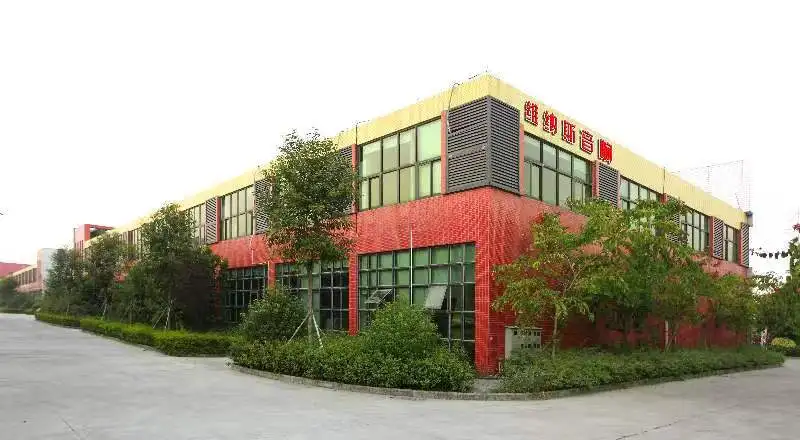
Guangzhou Junchuang Audio Equipment Co., Ltd.
- Manufacturer, Trading Company, Distributor/Wholesaler
- Guangdong, China
- Lead time45 days
- Avg. response≤ 4h
Main productsSpeaker,Audio box,Amplifier,Woofer,Tweeter
Main marketsDomestic Market(55.00%), Southeast Asia(10.00%), Eastern Asia(8.00%), Africa(6.00%), South Asia(5.00%), South America(5.00%), Mid East(5.00%), North America(2.00%), Western Europe(1.00%), Eastern Europe(1.00%), Southern Europe(1.00%), Northern Europe(1.00%)
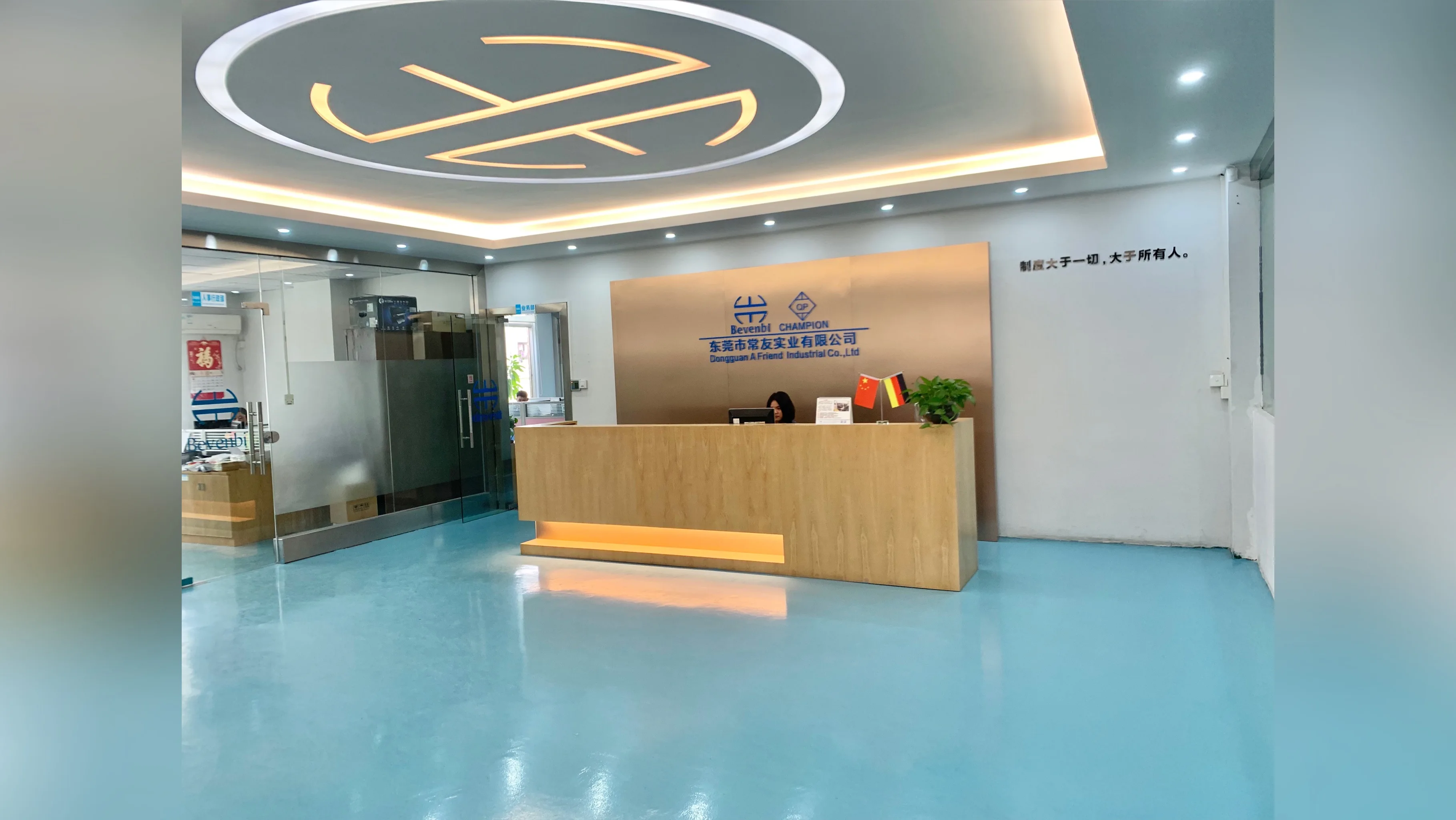
Dongguan A Friend Industrial Co., Ltd.
- Manufacturer, Trading Company
- Guangdong, China
- Lead time10 days
- Avg. response≤ 2h
Main productsCapacitor,Resistor,Inductor,Crossover
Main marketsDomestic Market(50.00%), North America(15.00%), Western Europe(15.00%), Southeast Asia(8.00%), Eastern Europe(5.00%), South America(2.00%), Northern Europe(2.00%), Africa(1.00%), Eastern Asia(1.00%), Central America(1.00%)
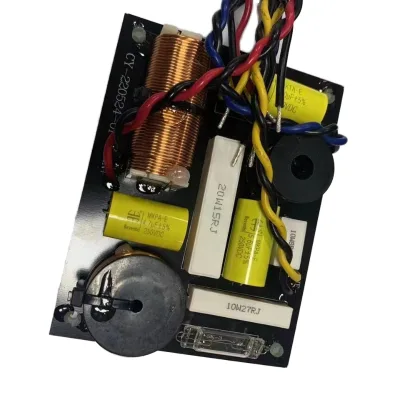
Bevenbi 4 Way Audio Sound Crossover 3-Way Speaker Speaker Driver Separator
$12.00 - $80.00
MOQ: 100 Minimum
For 4-Way Audio Sound Crossover 3-Way Speaker Driver Separator for Professional Speakers 22x17x23cm
$12.27 - $81.81
MOQ: 100 Minimum
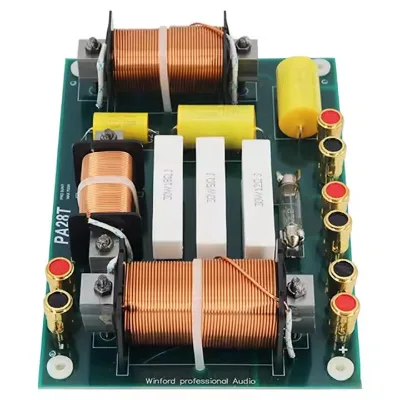
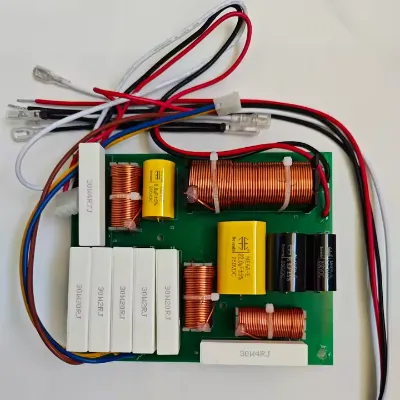
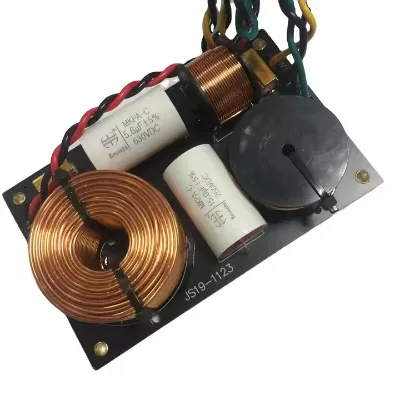
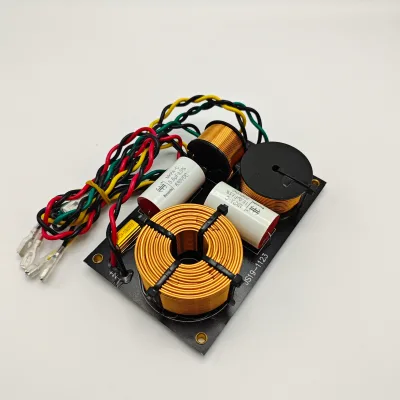
$20.99 - $23.99
MOQ: 100 Minimum
Shenzhen Jiaxinjie Technology Co., Ltd.
- Trading Company, Agent, Distributor/Wholesaler
- Guang Dong, China
- Lead time3 days
- Avg. response≤ 6h
Main productsElectronic products,Electronic module,IC Chip,Capacitance & Resistance,Medical equipment
Main marketsDomestic Market(10.00%), South Asia(10.00%), Southern Europe(10.00%), Eastern Europe(10.00%), South America(10.00%), North America(10.00%), Oceania(5.00%), Africa(5.00%), Southeast Asia(5.00%), Northern Europe(5.00%), Central America(5.00%), Western Europe(5.00%), Eastern Asia(5.00%), Mid East(5.00%)

Jiangmen Pusound Electronics Co., Ltd.
- Verified by BV
- Combined
- China Guangdong
- Lead time15 days
- Avg. response≤ 12h
Main productsCar Subwoofer, Car MP3, Car DVD
Main marketsSouth America,Southeast Asia/ Mideast
Guangzhou Shengda Audio Equipment Co., Ltd.
- Manufacturer, Trading Company
- Guangdong, China
- Lead time10 days
- Avg. response≤ 8h
Main productsSpeaker,Tweeter Speaker,Sound Box,Sound System,loudspeaker
Main marketsEastern Asia(15.00%), South Asia(15.00%), Africa(10.00%), Mid East(10.00%), Domestic Market(10.00%), Southeast Asia(9.00%), Oceania(6.00%), Eastern Europe(5.00%), Western Europe(5.00%), Southern Europe(5.00%), South America(3.00%), Northern Europe(3.00%), Central America(2.00%), North America(2.00%)
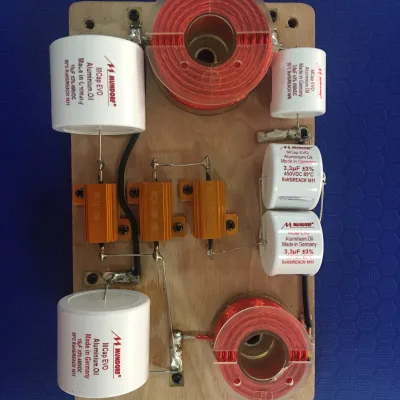
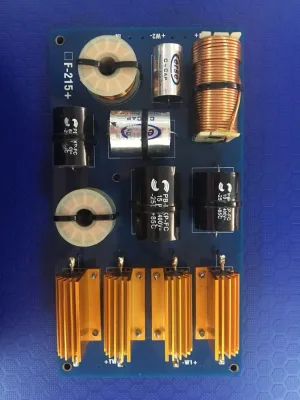
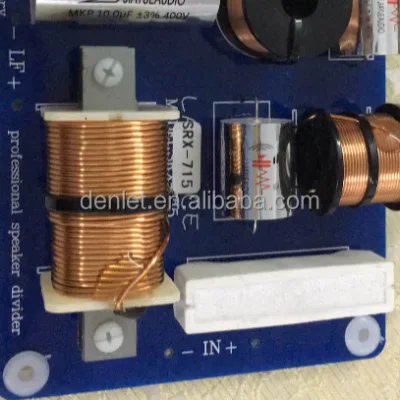
Single 12 Inch 2 Way Speaker Crossover
$10.00 - $20.00

Hangzhou Zhonghe Electronic Equipment Co., Ltd.
- Combined
- China Zhejiang
- Lead time45 days
- Avg. response≤ 25h
Main productsAmplifier, Speaker, Microphone, Sound Mixer
Main marketsSoutheast Asia/ Mideast,Europe
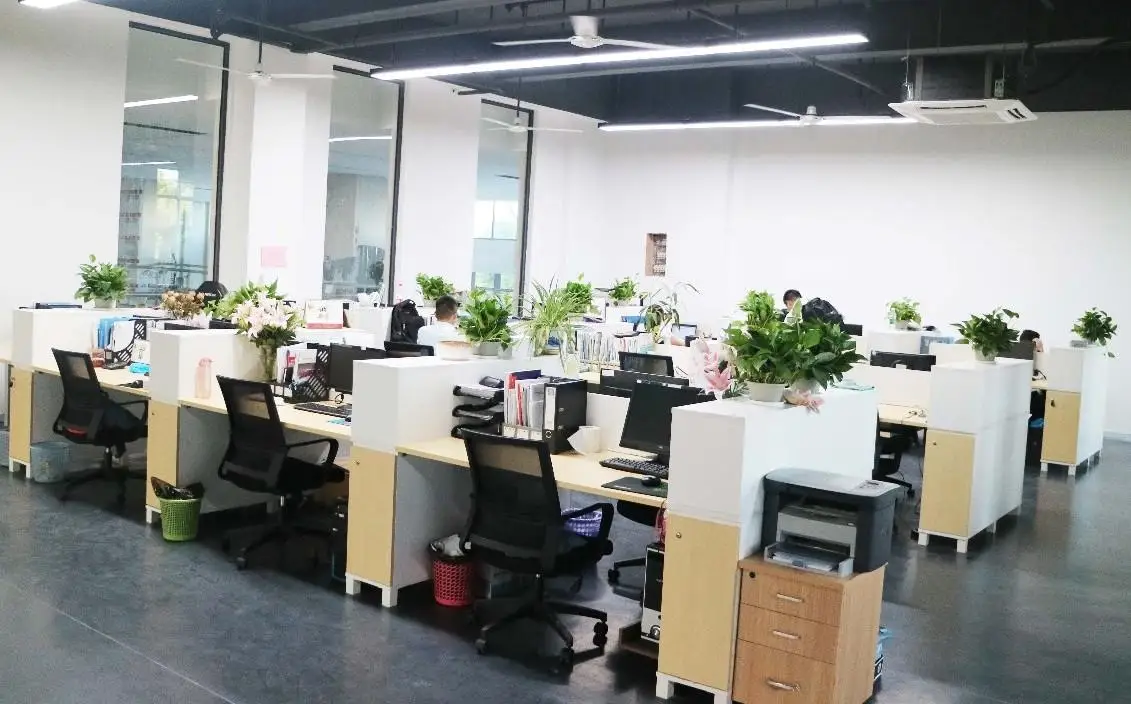
Shenzhen Binyueda Electronics Co., Ltd.
- Trading Company, Agent, Distributor/Wholesaler
- Guangdong, China
- Lead time3 days
- Avg. response≤ 12h
Main productsElectronics Components,Computer Accessories,Integrated Circuit,Electrical Equipment
Main marketsNorth America(30.00%), Western Europe(20.00%), Northern Europe(10.00%), Southeast Asia(10.00%), Mid East(10.00%), South America(5.00%), Eastern Europe(5.00%), South Asia(2.00%), Africa(2.00%)
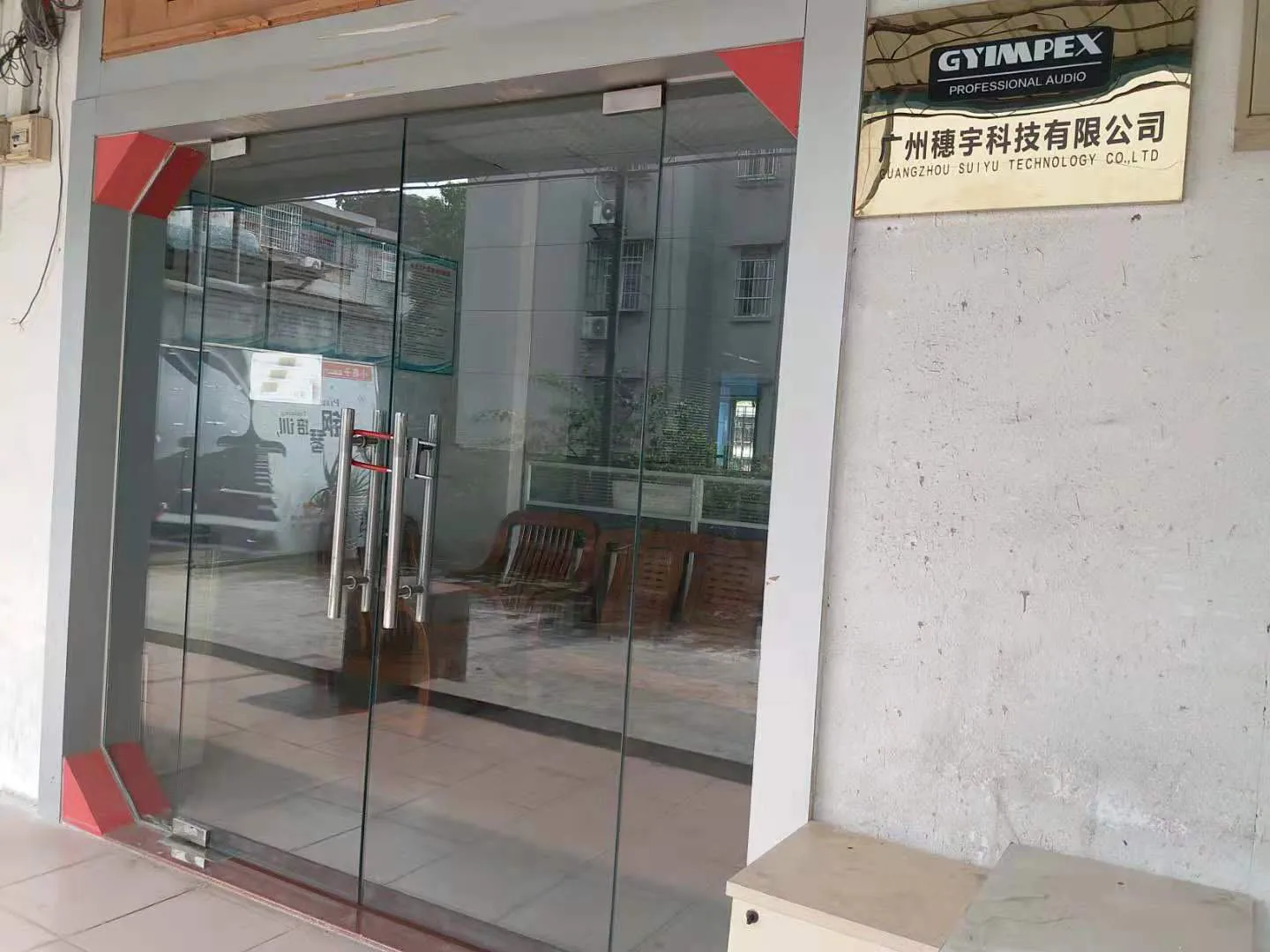
Guangzhou Suiyu Technology Co., Ltd.
- Manufacturer
- Guangdong, China
- Lead time15 days
- Avg. response≤ 8h
Main productsline array speaker,full range monitor speakers,bass subwoofer 18'' 21'',active powered line array speaker system,digital and fp power amplifier
Main marketsNorth America(30.00%), South America(18.00%), Northern Europe(10.00%), Eastern Europe(10.00%), Western Europe(9.00%), Southern Europe(8.00%), Africa(5.00%), Southeast Asia(5.00%), Central America(5.00%)

- Verified by TUVRHEINLAND
- Manufacturer/Factory
- China Anhui
- Lead time38 days
- Avg. response≤ 11h
Main productsTransformer, Inductor, Coil, Current Transformer, Choke, Rogowski Coils, Power Supply, R Core Transformer, Toroidal Transformer, Cable Assembly
Main marketsSouth America,Eastern Europe,Mid East,North America,Southeast Asia,Eastern Asia,Oceania,Western Europe,Africa


400W High Power Midrange Speaker Optional Frequency Divider Hifi Audio Crossover 3 Way
$6.10 - $6.80
MOQ: 100 Pieces

$6.10 - $6.80
MOQ: 100 Pieces
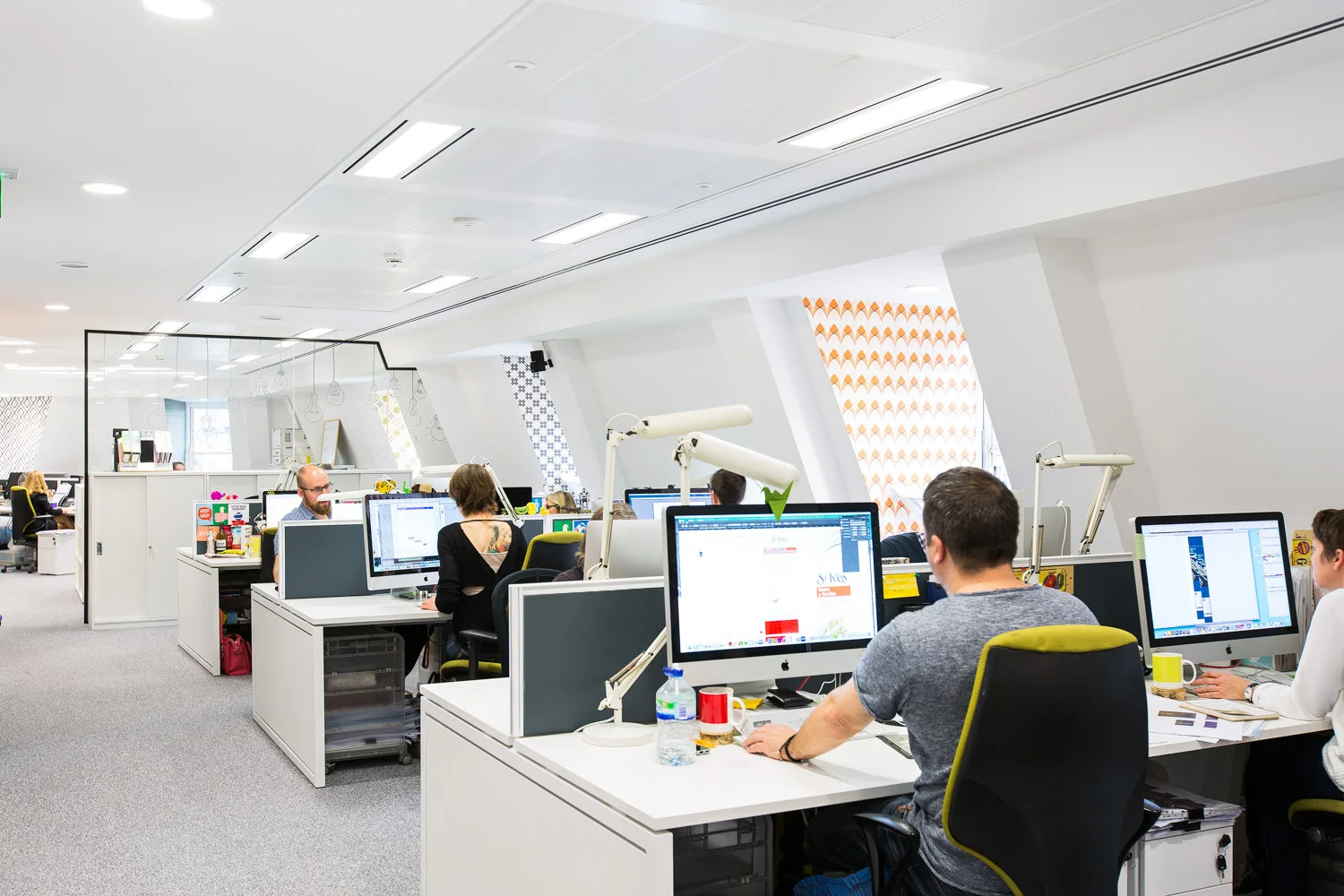
Enping Senmi Electronic Technology Co., Ltd.
- Manufacturer, Trading Company
- Guangdong, China
- Lead time3 days
- Avg. response≤ 3h
Main productsMicrohone,Audio Mixer,Speaker,Amplifier,Stand
Main marketsSouth Asia(10.00%), Southern Europe(10.00%), Southeast Asia(10.00%), Eastern Europe(10.00%), Western Europe(10.00%), North America(10.00%), Domestic Market(5.00%), Oceania(5.00%), Africa(5.00%), Northern Europe(5.00%), Central America(5.00%), South America(5.00%), Eastern Asia(5.00%), Mid East(5.00%)

Guangzhou Temeisheng Audio Technic Co Ltd
- Verified by BV
- Combined
- China Guangdong
- Lead time15 days
- Avg. response≤ 5h
Main productsLoudspeaker, Amplifier, Conference System, Portable Speaker, Home Audio, Microphone
Main marketsAustralia


8 Inch 100W 8 Ohm High Performance 3 Way Speaker with Crossover for High Quality Music
$42.00 - $45.00
MOQ: 100 Pieces

$23.00 - $47.00
MOQ: 20 Pieces


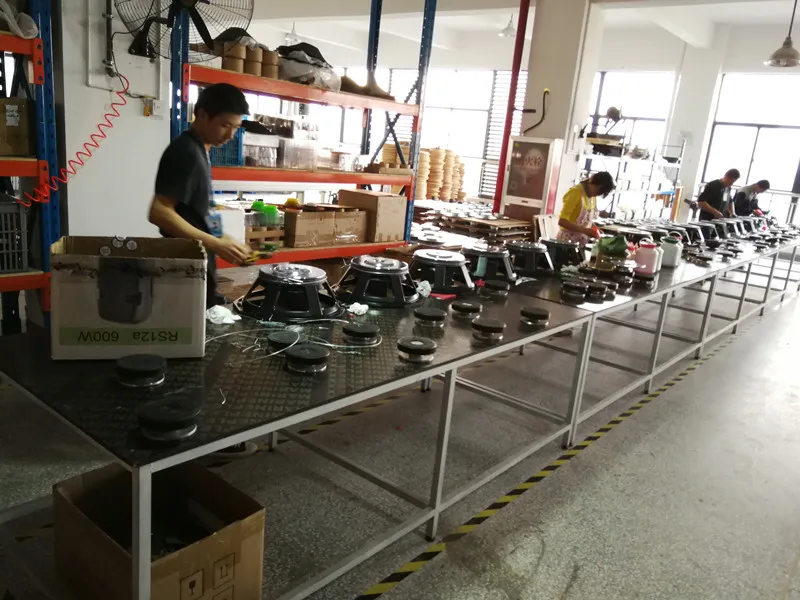
Ningbo BTL Audio Technology Co., Ltd.
- Manufacturer, Trading Company
- Zhejiang, China
- Lead time30 days
- Avg. response≤ 3h
Main productsSpeaker,woofer,compression driver,Coaxial Speaker,voice diaphragm
Main marketsSouth America(25.00%), Southeast Asia(25.00%), North America(20.00%), Eastern Asia(10.00%), Western Europe(10.00%), South Asia(5.00%), Africa(5.00%)
Shenzhen Carn Technology Co., Ltd.
- Manufacturer, Buying Office, Agent
- Guangdong, China
- Lead time5 days
- Avg. response≤ 5h
Main productselectron component,sensor,capacitor,connector,module
Main marketsEastern Europe(20.00%), North America(20.00%), Mid East(10.00%), Oceania(10.00%), Central America(10.00%), Southeast Asia(10.00%), South America(10.00%), Africa(5.00%)

Ningbo ASM Electronics Technology Co., Ltd.
- Verified by TUVRHEINLAND
- Combined
- China Zhejiang
- Lead time30 days
- Avg. response≤ 20h
Main productsCar Speaker, Subwoofer, P. Audio Speakers, Speaker Cabinet, Speaker Woofer, PA Speaker, Guitar Speaker, Bass Speakers, Hf Driver, Speaker Box
Main marketsSouth America,Southeast Asia/ Mideast,Europe

Sanway Audio Equipment Co., Ltd.
- Combined
- China Guangdong
- Lead time15 days
- Avg. response≤ 9h
Main productsAudio Power Amplifiers, PRO Audio Amplifier, Professional Amplifier PA Speakers, Professional Audio, Line Array Speakers System, Switching Power Amplifier, Professional Speaker Sound Box, Active Line Array System, DJ Equipment Power AMPS, Active Speaker Box
Main marketsSouth America,Europe

Qufu Temb Automotive Electric Co., Ltd.
- Verified by SGS
- Combined
- China Shandong
- Lead time30 days
- Avg. response≤ 3h
Main productsCar Horn, Spring, Backup Light Switch, Stop Light Switch, Back-up Alarm, Avas, Automatic Starting Device, Car Speaker
Main marketsSouth America,Southeast Asia/ Mideast,East Asia(Japan/ South Korea),Domestic,Europe,Australia,North America
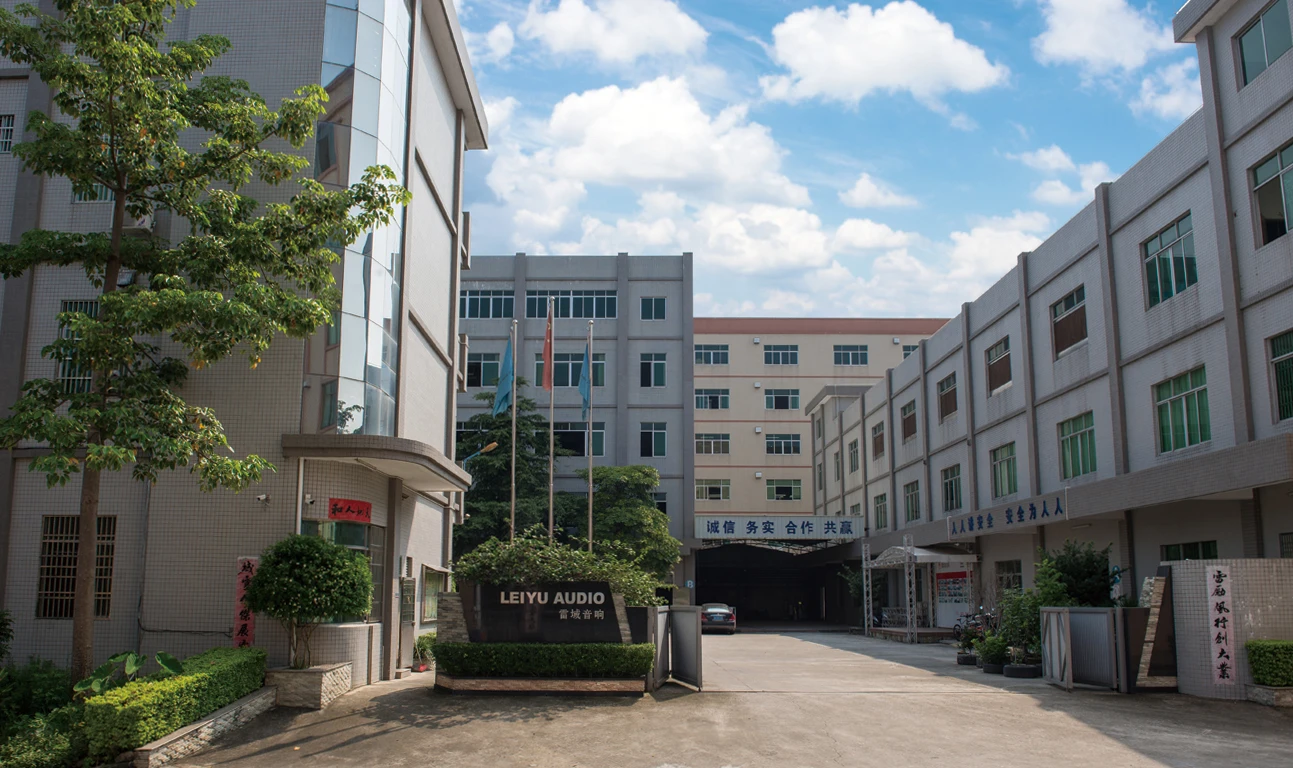
Enping Leiyu Electroacoustic Technology Co., Ltd.
- Manufacturer, Trading Company
- Guangdong, China
- Lead time30 days
- Avg. response≤ 3h
Main productsline array,speakers,professional audio,amplifier,mixer
Main marketsDomestic Market(20.00%), South America(20.00%), North America(20.00%), Southeast Asia(15.00%), Africa(15.00%), Eastern Asia(5.00%), South Asia(5.00%)

Guangzhou strong sound electronic equipment Co., Ltd
- Verified by BV
- Combined
- China Guangdong
- Lead time30 days
- Avg. response≤ 7h
Main productsSpeaker, Audio
Main marketsSouth America,Africa,Southeast Asia/ Mideast,East Asia(Japan/ South Korea),Europe,Australia,North America

Rimless 8 Inch 8 Ohm 80W 2 Way Ceiling Speaker with Crossover for Home Theater System
$26.60 - $68.30
MOQ: 200 Pieces


$21.00 - $39.00
MOQ: 100 Pieces

Rimless ABS 6.5 Inch Front and Surround 80W Hi-Fi Crossover in Wall Speaker for Home Theater System
$27.40 - $38.00
MOQ: 10 Pieces


Changzhou Wushi Electrical Equipment Factory
- Combined
- China Jiangsu
- Lead time15 days
- Avg. response≤ 20h
Main productsHorn, Air Horn
Main marketsSouth America,Africa,Southeast Asia/ Mideast,East Asia(Japan/ South Korea),Domestic,Europe,Australia,North America

Guangzhou Seer Audio Co., Ltd.
- Verified by TUVRHEINLAND
- Combined
- China Guangdong
- Lead time23 days
- Avg. response≤ 7h
Main productsProfessional Audio
Main marketsDomestic
Guangzhou Oule Electronics Co., Ltd.
- Manufacturer
- Guangdong, China
- Lead time7 days
- Avg. response≤ 4h
Main productsCROSSOVER,SPEAKER,CABLE,TWEETER,WOOFER
Main marketsDomestic Market(32.00%), Africa(29.00%), Southeast Asia(20.00%), Mid East(8.00%), South Asia(5.00%), Eastern Asia(5.00%), North America(1.00%)
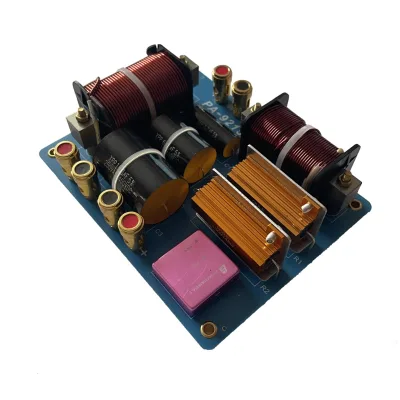
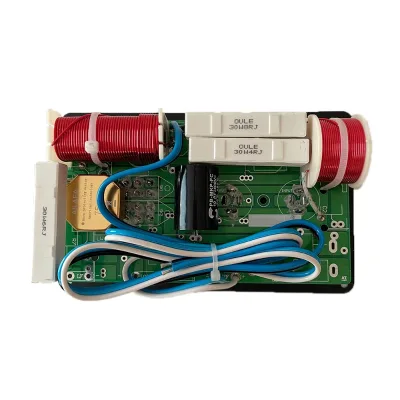
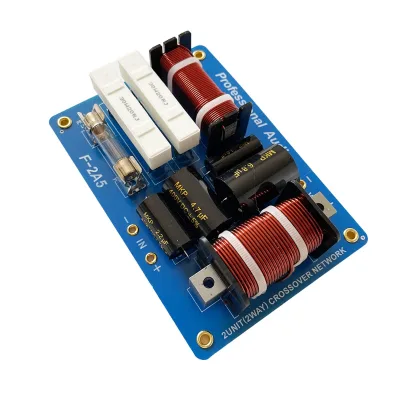
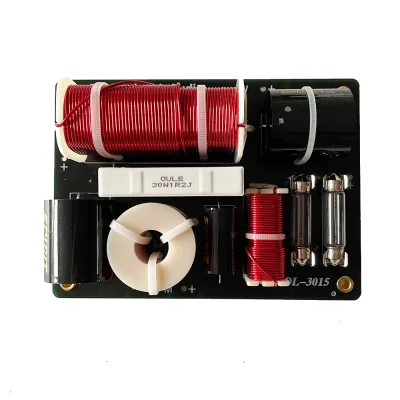
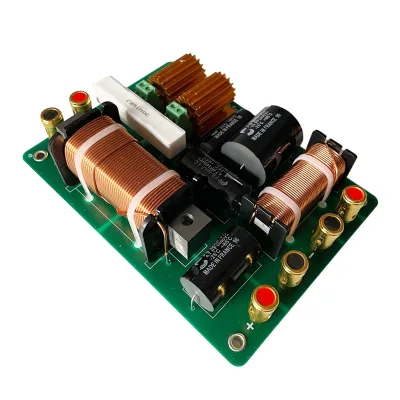
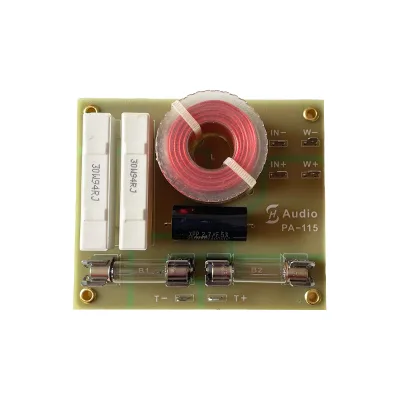
OL-JB715 Oule Brand Hot Selling Professional Audio Crossover With Terminal and Wire
$12.00 - $13.00
MOQ: 2

Changzhou Wujin Yueda Electroacoustic Equipment Co., Ltd.
- Verified by BV
- Combined
- China Jiangsu
- Lead time30 days
- Avg. response≤ 2h
Main productsBack-up Alarm, Reversing Alarm, Travel Buzzer, Talking Alarm, Multimedia Speaker, Raw Speaker, TV Speaker, Mylar Speaker, Micro Speaker
Main marketsDomestic,Europe
Enping Xunguan Electronics Factory
- Verified by Intertek
- Manufacturer, Trading Company
- Lead time30 days
- Avg. response≤ 2h
Main productsMicrophone
Main marketsSoutheast Asia(45%), Africa(35%), Mid East(12%)

Huain (Zhuhai) Digital Technology Co., Ltd.
- Verified by TUVRHEINLAND
- Combined
- China Guangdong
- Lead time30 days
- Avg. response≤ 3h
Main productsConference Microphone Systems, Simultaneous Interpretation Devices, Liner Array Speaker, Amplifier, Dante System, Mixer Console, Congress Voting System, Wireless Teaching Devices, HD HDMI Media Matrix, Meeting Room System
Main marketsOthers(foreignTradeCapacity.exportBusinessCapacityMarketOther)
Enping Ge Te Sheng Electronics Co., Ltd.
- Trading Company
- Guangdong, China
- Lead time15 days
- Avg. response≤ 3h
Main productsFrequency divider,Treble coil,condenser,tweeter
Main marketsDomestic Market(20.00%), Southeast Asia(20.00%)
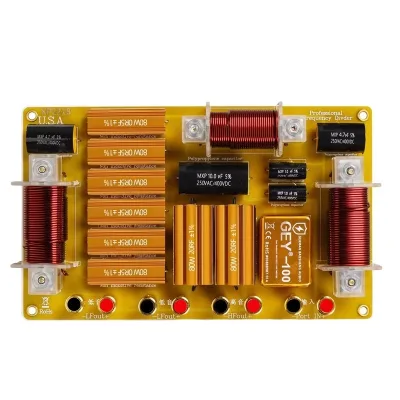
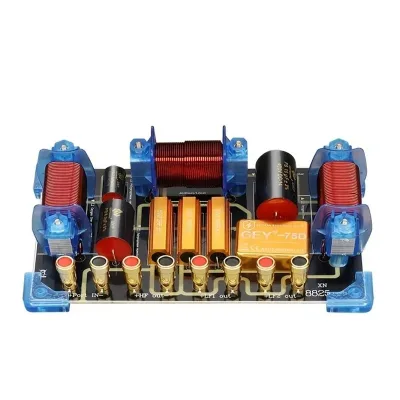
$36.33 - $40.41
MOQ: 20 pieces
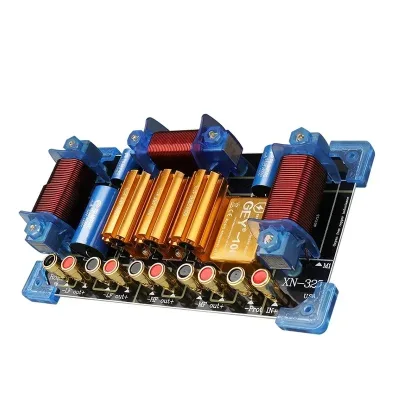
XN315 Crossover Network 2 Way High Quality Space-saring for Audio 12-15 Speaker
$15.00 - $22.60
MOQ: 2 perches
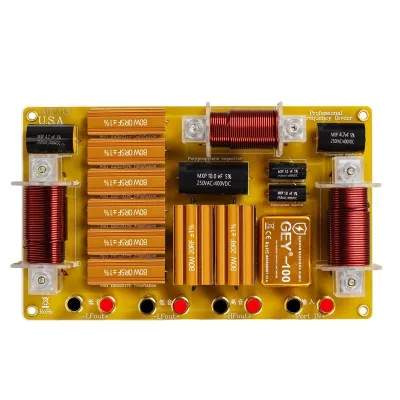
PX2218 High Quality Dual Stage Speakers 15-18inch Two-Way Space-Speaker No Distortion Metal Material
$22.06 - $28.06
MOQ: 1 pieces


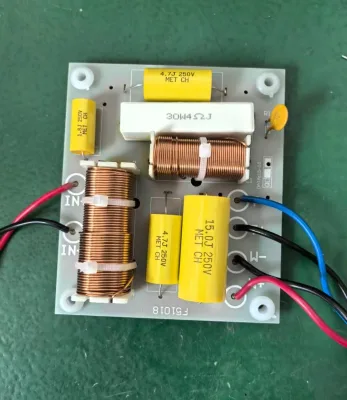
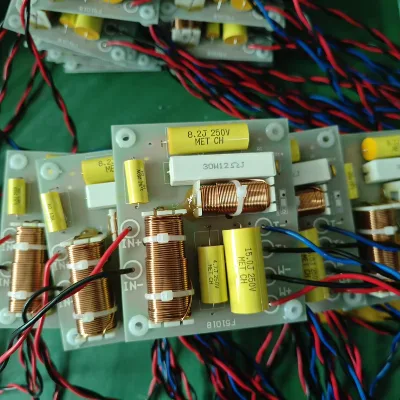
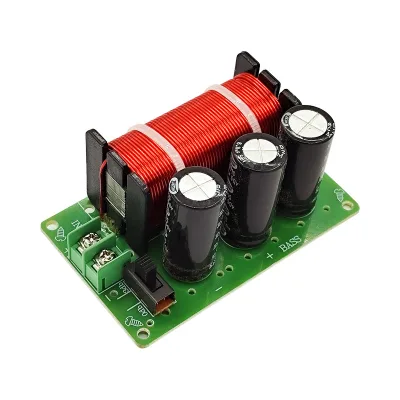
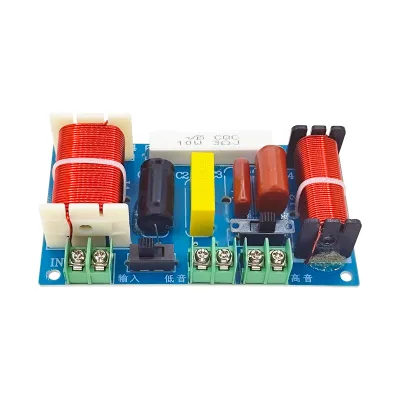


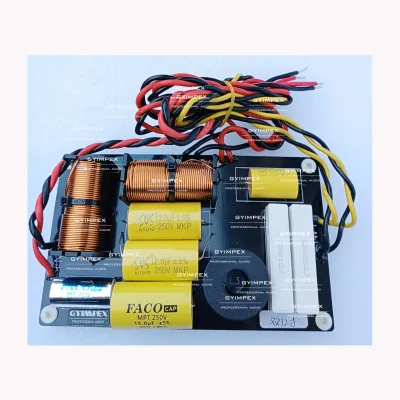
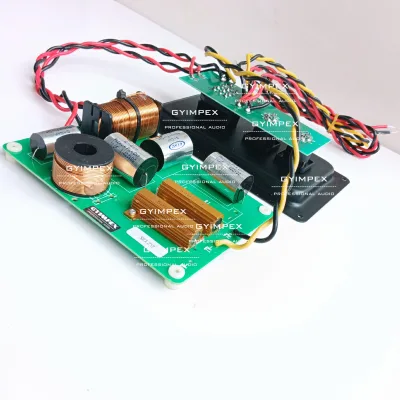
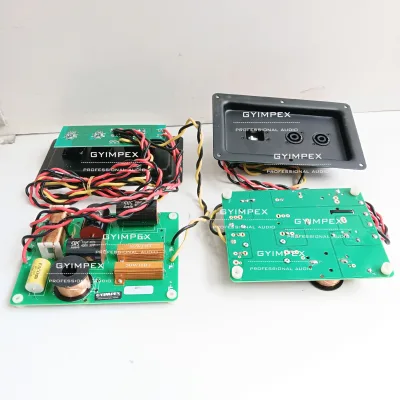
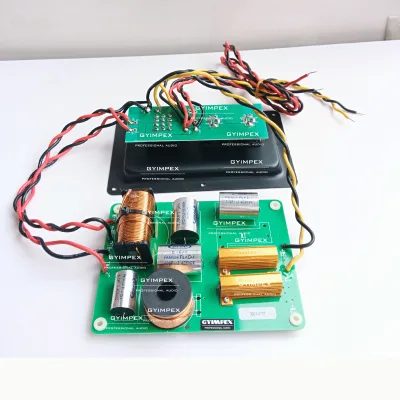
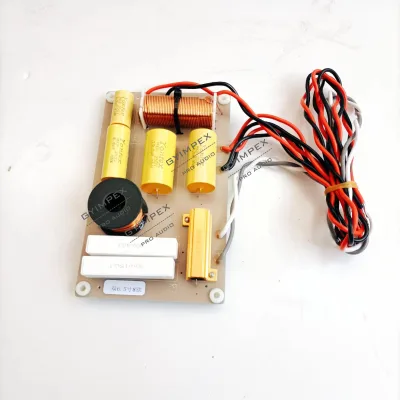
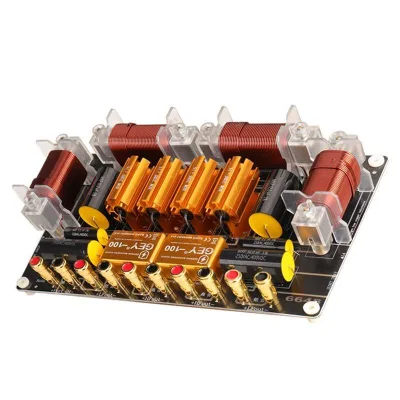
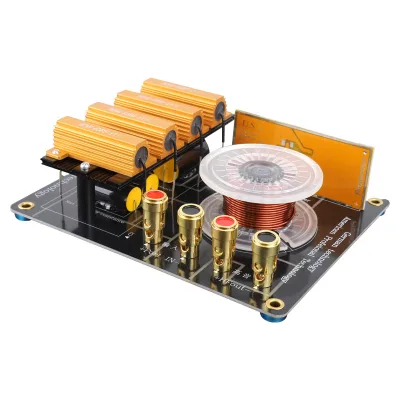
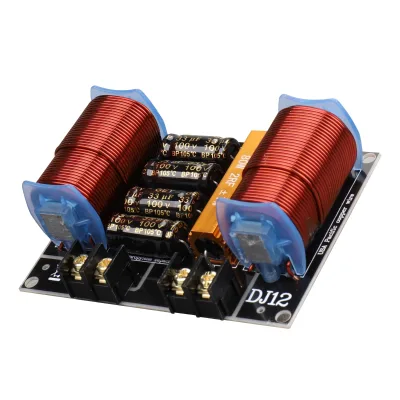
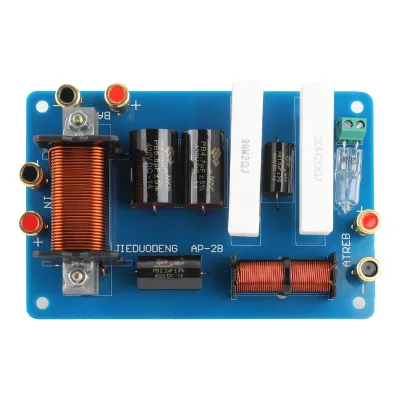
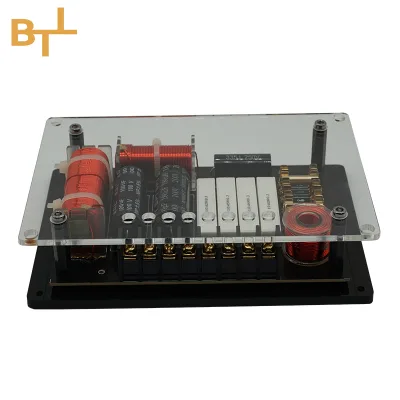






Comprehensive Sourcing Guide
Round Audio Speaker Crossover Supplier Concentration and Factory Types
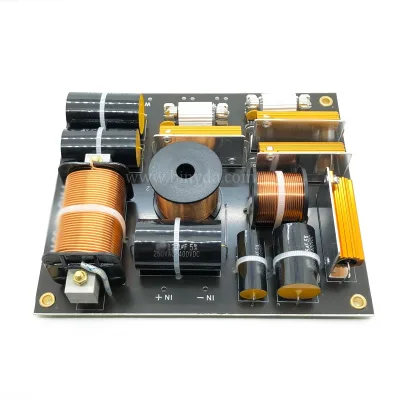
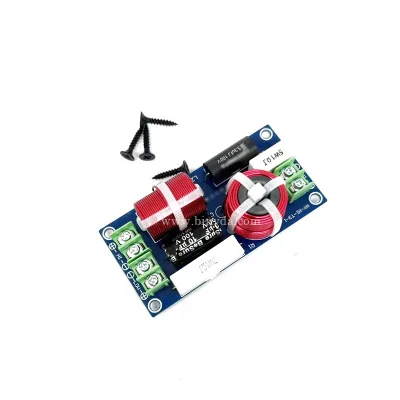
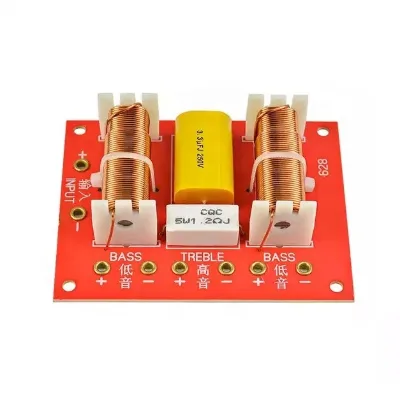
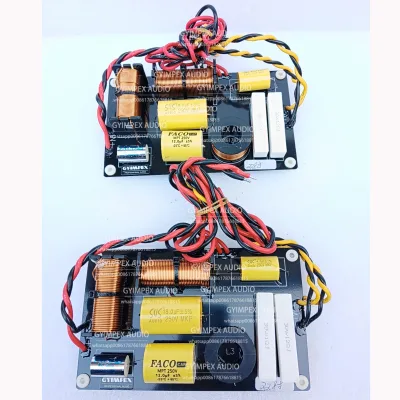
Suppliers in the Round Audio Speaker Crossover category concentrate heavily in China's Guangdong province, which appears repeatedly in the location data for companies listing crossover boards, frequency dividers, and speaker network components. This regional density matters because it reflects a mature pro-audio ecosystem: many of these companies also manufacture amplifiers, speakers, woofers, drivers, mixers, and line array systems, meaning crossover production sits inside a broader loudspeaker supply chain rather than being an isolated trade. Buyers searching for this component should therefore expect to encounter full-line pro-audio factories alongside component specialists, and should not assume every listing comes from a dedicated crossover workshop.
Company type varies in this category and should shape your shortlist. Some listings come from combined Manufacturer/Factory or Manufacturer and Trading Company entities, while others are pure Trading Companies, and one listed operation spans Manufacturer, Trading Company, and Distributor/Wholesaler roles. Factories may offer own-brand, OEM, and ODM capacity, which signals in-house engineering; trading companies may instead consolidate multiple component sources. Where a cluster location is not confirmed in the data you are viewing, identify concentration yourself by mapping the place-of-origin attributes across many listings before committing to samples. Also review the main-products field: suppliers whose catalogs cover speaker accessories, electronic components, and PA systems typically understand crossover integration in a finished enclosure, which reduces the risk of receiving a board that has never been matched to real drivers.
How to Verify Round Audio Speaker Crossover Suppliers
Verification starts with credentials displayed in the supplier profile, but only those actually shown. In this category's results, some companies display system certifications such as ISO 9001 and ISO 14001, another shows ISO 9000, and at least one carries third-party verification from TÜV Rheinland. Treat these as screening signals rather than proof of crossover competence: quality-management certification says little about whether a supplier can wind to spec, solder reliably, or tune a divider network to your drivers. Ask each candidate to state which displayed certifications apply to the crossover production line specifically, and request scope documents to confirm coverage.
Second, verify capability through product evidence rather than claims. Several listings in this category describe crossover boards with attributes such as model number, carton packing, board-standard format, and China origin, with customization marked available; one supplier's speaker-system listings carry CE, RoHS, and similar certification labels on the finished products. Cross-check that a supplier claiming crossover expertise lists actual crossover products—frequency dividers, crossover filter boards, and speaker network boards—rather than only finished speakers. Third, test responsiveness and process: measured response times in the data range from roughly four hours to nearly ten hours, so message several suppliers with the same technical question and compare both speed and the quality of the answer. Finally, verify operational history by asking for the establishment year, and confirm factory status through a live video walkthrough showing winding or assembly work, board testing, and packing lines before any deposit is paid.
What to Compare Across Round Audio Speaker Crossover Suppliers
Build a comparison grid from the attributes actually displayed on each profile, and record "not shown" rather than guessing. Core dimensions include: lead time (values observed in this category range from 23 to 45 days), response time (from about 4 to nearly 10 hours), company type (factory versus trading company), location, main products, RD capacity such as OEM/ODM or own-brand capability, and any system certifications or third-party verification status. Establishment year and escrow-protected payment availability are useful comparators where displayed; if a profile does not show them, ask directly and treat an unwillingness to answer as a data point in itself.
Beyond profile fields, compare the product evidence itself. In this category, crossover boards appear with prices roughly between 10 and 30 USD per unit at a minimum order quantity of 1, while one finished passive crossover speaker system lists from 200 to 1,500 USD and a digital processor from about 100 USD—illustrating that crossover suppliers span bare boards, processors, and complete systems. Compare listed attributes side by side: two-way versus multi-way topology, output power ratings, customization availability, packing format, and origin declarations. Also weigh breadth of related products—a supplier offering woofers, drivers, amplifiers, and mixers can support system-level matching—against depth in crossovers specifically. Score each supplier on measurable fields first, then on qualitative signals from your inquiry exchanges, so the comparison stays anchored to evidence rather than to sales claims.
Common Round Audio Speaker Crossover Sourcing Risks
The most common risk in this category is type mismatch: ordering from a trading company believing it is a factory, or vice versa. Some profiles in the results explicitly combine Manufacturer/Factory and Trading Company roles, which blurs the line further. If factory control over crossover tuning matters to you, require evidence of in-house production—own-brand, OEM, or ODM capability declarations, plus a video audit—rather than relying on the company-type label alone. A second risk is treating a single product listing as proof of category expertise; a supplier may list one crossover board model while its main products are amplifiers or finished speakers, leaving crossover design as a sideline.
Technical and compliance risks follow. Crossover boards are often listed with minimal specifications—color, packing, model number, origin—without documented crossover frequencies, impedance, or power handling, so buying on listing data alone risks receiving a generic board that does not match your drivers. Certification labels also vary: some finished systems in the data carry CE, RoHS, and other marks, but a certification on a loudspeaker does not automatically cover the bare crossover component. Further risks include long or inconsistent lead times (observed values differ by roughly three weeks across suppliers), MOQ structures that look low for samples but change at production volume, and customization promises without a defined engineering-change process. Mitigate each risk contractually: specify parameters in a drawing, agree acceptance tests, and confirm certification scope in writing before ordering.
Round Audio Speaker Crossover Regional Sourcing and Logistics
Guangdong, China is the location confirmed across multiple supplier records in this category, and its logistics profile should shape your planning. Suppliers in this region ship from ports serving the Pearl River Delta, with mature freight-forwarding options for both air-freighted sample boards and sea-freighted production volumes. One listing attributes its origin to Guangzhou, a major manufacturing and export hub within that province. Because crossover boards are small, light, and non-hazardous, sample shipments move economically by air, while production batches consolidate well into cartons—several listings specify carton packing—making sea freight the default for volume orders.
Observed lead times in the category range from 23 to 45 days, so plan procurement calendars around the longer end for factory orders and treat the shorter figure as a best case, possibly for stock or simple repeat items. Confirm whether quoted lead time runs from deposit, from artwork approval, or from component availability, since divider-network inductors and capacitors can drive the critical path. When regional data is not visible in your search results, build the logistics picture yourself: record the place-of-origin attribute on each listing, cluster them, and ask shortlisted suppliers for their nearest port and typical freight terms. Also confirm export-document competence—commercial invoice, packing list, and any certificates your market requires—since smaller component workshops sometimes lack experience shipping to regulated destinations, which can delay clearance regardless of production speed.
Round Audio Speaker Crossover Commercial Terms and Order Planning
Order planning should begin with the low entry barriers this category shows but not assume they persist at volume. Sample-stage economics are favorable: several crossover board listings in the data start at 10 USD with a minimum order quantity of 1, so you can test multiple suppliers cheaply. Plan a two-stage commitment: buy single-unit or small-quantity samples from several shortlisted suppliers, run bench measurements against your drivers, then negotiate production pricing where your observed MOQ will differ from the sample MOQ—confirm the production MOQ in writing before concluding any deal. Where a supplier also offers finished speaker systems priced from 200 to 1,500 USD, clarify whether you want components only or a system partner, as pricing structures and warranties differ substantially between the two.
Commercial terms to settle explicitly include: payment structure (prefer protected or escrow-style arrangements where available; ask when not displayed), Incoterms, tooling or NRE charges for customized boards, and warranty terms—one finished-system listing in the data advertises a two-year free warranty, but do not assume component boards carry the same coverage. Match order timing to the lead times you verified, from 23 to 45 days in observed profiles, and add buffer for customization iterations. Finally, plan reorders: a supplier with strong response times and displayed OEM/ODM capability is more likely to sustain consistent repeat production, so weight long-term reliability in your award decision alongside unit price.
(Section word counts: 231, 232, 233, 230, 229, 231; total 1386.)
FAQs
What is a Round Audio Speaker Crossover used for?
A Round Audio Speaker Crossover splits an incoming audio signal into separate frequency bands so woofers, midrange drivers, and tweeters each receive only the frequencies they reproduce well. In a two-way or three-way speaker system this improves clarity, protects drivers from damaging low or high frequencies, and keeps overall output balanced. Buyers typically match the crossover type to their driver layout and cabinet design.
What prices should I expect for speaker crossover boards?
Listed crossover audio boards in the current results range from about 10 to 30 US dollars per unit, with some double 15-inch two-way boards listed up to around 25 dollars. Prices vary with component quality, filtering complexity, and order volume. Request quotations based on your frequency split points, power handling, and board dimensions before comparing offers.
Can I order crossover boards in small quantities?
Yes, minimum order quantities can be very low; one listed crossover board product shows an MOQ of just 1 unit. This makes small trial orders practical before committing to bulk production. Confirm the MOQ for your specific specification, because pricing tiers, customization options, and lead times may change once quantities increase or custom filter values are required.
Do suppliers offer customization for crossover boards?
Many listings in the results state that customization is available for crossover audio boards and speaker accessories. Customization can cover crossover points, component values, board color, and housing, and options like OEM and ODM capacity appear among listed suppliers. Provide your frequency split, impedance, and power ratings early, and ask for sample lead times and cost differences before approving production.
What lead times should I plan for when sourcing crossovers?
Lead times shown in the current supplier results include roughly 23 days for one Guangdong supplier and 45 days for another manufacturer and trading company. Actual timelines depend on order size, customization level, and component availability. Always confirm a written production and shipping schedule, especially if your speaker cabinet production depends on receiving crossovers by a fixed date.
Which certifications matter when buying speaker crossovers?
Relevant quality signals include ISO 9001 and ISO 14001 system certifications, which appear among listed suppliers, plus TUV Rheinland verification for one manufacturer. Product-level listings also mention CE and RoHS markings on finished audio equipment. Since a crossover is a component, verify which certifications apply to the board itself, its materials, and the finished speaker system it will be installed in.
Where are most crossover board suppliers located?
The suppliers in the current results are located in Guangdong, China, a major hub for pro-audio manufacturing, with one listing citing Guangzhou as the product origin. Sourcing from this region gives access to clustered supply chains for drivers, amplifiers, mixers, and cabinets. Guangdong-based manufacturers often supply complete line arrays, PA subwoofers, and speaker boxes alongside crossover components.
How fast do these suppliers typically respond to inquiries?
Response times recorded for the listed suppliers include an average of about 4 hours, roughly 7.5 hours, and about 10 hours, so reply speed varies meaningfully between sellers. A faster responder can speed up sampling and quotation rounds considerably. Send the same detailed specification to several suppliers and compare both reply speed and the technical quality of their answers.