Source Auto-Retractable Industrial Door Shelter for Warehouse
Find 30 auto-retractable industrial door shelter options from verified suppliers. Compare specifications including material, size, and sealing types for logistics systems and warehouse applications.
Key considerations
Products List


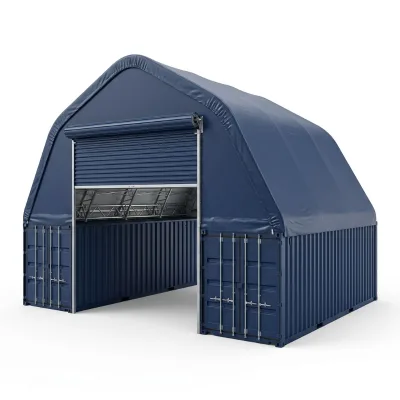
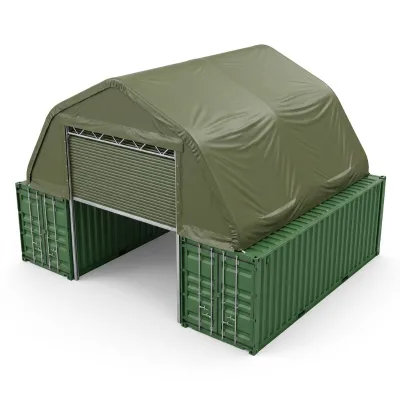
High Quality Automatic Warehouse Door Mechanical Extended Dock Shelters
$300.00 - $400.00
MOQ: 20 Sets


Comprehensive Sourcing Guide
Strategic Sourcing Guide for Auto-Retractable Industrial Door Shelters
Procuring an auto-retractable industrial door shelter represents a significant capital investment in warehouse infrastructure, logistics efficiency, and facility security. These specialized systems, often categorized under loading dock door seals or shelter units, are engineered to bridge the gap between a building's exterior and a transport vehicle, creating a controlled environment for loading and unloading operations. For procurement professionals, navigating the market requires a disciplined approach to verifying technical specifications, understanding the diverse material compositions, and ensuring compliance with international safety standards. The following guide outlines the critical factors for sourcing these units, drawing upon observed market data and established industry practices to facilitate informed decision-making.
Technical Specifications and Material Composition
The core functionality of an auto-retractable industrial door shelter relies on its structural integrity and the durability of its sealing mechanisms. Based on observed product attributes, the primary structural frame is typically constructed from Aluminum Alloy or a combination of Aluminum and Steel Profiles. This material selection is critical for balancing weight, corrosion resistance, and load-bearing capacity. The aluminum alloy offers a lightweight yet robust framework, while steel profiles may be integrated for areas requiring higher tensile strength, particularly in high-traffic industrial zones.
The sealing component is the most vital technical element. The market offers distinct options for the seal structure, including Sponge Seals, Mechanical Seals, and Inflatable Seals. These seals are often designed with Cylindrical Columns or Retractable Panels to accommodate various vehicle sizes and ensure a tight fit. The fabric materials used in these seals are equally diverse, with Reinforced Polyester Fabric (PVC) and Neoprene Rubber being common choices. These materials are selected for their wear-resistant properties, ensuring longevity against the friction of vehicle movement and exposure to the elements. Some units also utilize Synthetic Fabric or Industrial PVC for covering materials, providing an additional layer of protection against weather and debris.
Dimensions are a frequent variable in this category. Observed data indicates that height (H) specifications often range between 3500mm and 3700mm, while width (W) options typically span from 3400mm to 3600mm. However, the "Custom Size" specification is a dominant feature in this sector. Buyers must recognize that while standard dimensions exist, the majority of industrial applications require non-standard sizing to match specific dock configurations. The ability to customize the size and packaging is a standard expectation, allowing for integration into facilities with unique architectural constraints.
Compliance and Certification Verification
In the industrial sector, compliance is not merely a formality but a prerequisite for operational safety and legal liability protection. When sourcing auto-retractable shelters, buyers must rigorously verify the certification status of the supplier and the product. The market data highlights a convergence of several key international standards. Commonly observed certifications include CE, RoHS, ISO, TUV, SGS, CB, and CCC.
The presence of CE marking indicates conformity with health, safety, and environmental protection standards for products sold within the European Economic Area. RoHS compliance ensures that the materials used do not contain restricted hazardous substances, which is crucial for environmental regulations and worker safety. ISO certifications, such as ISO9001, verify that the manufacturer adheres to quality management systems, ensuring consistent production standards. Additionally, TUV and SGS certifications often relate to specific product testing and safety assessments, providing third-party validation of the shelter's structural integrity and performance.
Buyers should not assume that a single listing satisfies all these standards. Instead, the procurement strategy must involve requesting specific certification documents for the exact model being purchased. The variation in certifications listed across different product entries—ranging from CE and RoHS to the more comprehensive TUV, CB, and CCC—suggests that suppliers may have different levels of compliance based on their target markets. It is imperative to cross-reference the specific model number, such as MDS11, MDS16, or GAISHI series models, with the corresponding certification documents to ensure the unit meets the regulatory requirements of the buyer's location.
Cost Drivers and Pricing Dynamics
The pricing of auto-retractable industrial door shelters is influenced by a complex matrix of factors, including material costs, customization levels, and the complexity of the mechanical or inflatable systems. The observed price range in the market spans from approximately 300 USD to 3280 USD. This wide variance reflects the difference between basic, standard-sized units and highly customized, heavy-duty systems with advanced features.
Several key drivers contribute to the final cost. First, the choice of material significantly impacts the price. Units utilizing high-grade Aluminum Alloy frames and specialized fabrics like Neoprene or reinforced PVC will command a higher price point compared to those with standard steel frames or basic fabric covers. Second, the sealing mechanism type plays a role; inflatable seals often involve more complex control systems and electrical components, such as distribution boxes with breakers, switches, and lighting, which can increase the cost. Third, customization is a primary cost factor. While standard sizes may fall at the lower end of the price spectrum, units requiring non-standard dimensions, custom packaging, or specific color options (such as White, Blue, or fully customized finishes) will incur additional charges.
The Minimum Order Quantity (MOQ) is another critical financial consideration. Observed MOQs range from 1 to 20 units. For buyers requiring a single unit for a pilot project or a small facility, the lower MOQ allows for flexibility. However, for large-scale logistics centers requiring multiple units, negotiating based on higher volumes can significantly reduce the per-unit cost. Buyers should also consider the "Standard Seaworthy Package" versus "Customized Size and Packaging" options, as specialized packaging for international shipping can add to the overall landed cost.
Typical Applications and Operational Context
Auto-retractable industrial door shelters are designed for a wide array of applications, primarily within the logistics and warehouse sectors. The primary use case is in loading dock environments where vehicles need to be sealed against the building to maintain climate control, prevent dust ingress, and enhance security. These units are essential for facilities handling perishable goods, temperature-sensitive materials, or high-value cargo that requires a secure, weatherproof environment.
Beyond standard logistics, the versatility of these shelters allows for application in diverse settings. The observed product attributes list applications ranging from general warehouse operations to specific environments like playgrounds, gardens, gyms, and even bathrooms, although the latter is less common for industrial-grade units. The "Position" attribute often denotes "Exterior" or "Industrial," confirming their suitability for harsh outdoor conditions. The "Occasion" field further broadens the scope, suggesting adaptability for commercial pools or other specialized facilities where a secure, retractable barrier is needed.
The control mechanism is another determinant of application suitability. Most modern units operate via computer-controlled systems, allowing for automated opening and closing sequences that integrate with warehouse management systems. This automation is crucial for high-throughput facilities where speed and efficiency are paramount. The "Seating Capacity" attribute, noted as greater than 10 people in some contexts, may refer to the internal space of the shelter or the capacity of associated equipment, indicating that these units can accommodate multiple personnel or equipment during maintenance or loading operations.
Supplier Evaluation and Production Capacity
Selecting the right supplier is as critical as selecting the right product. Buyers must evaluate suppliers based on their production capacity, geographic location, and ability to meet customization demands. The observed data indicates a production capacity of 1500 sets per month for certain manufacturers, suggesting a robust capability to handle large orders without significant delays. However, buyers should verify if this capacity is consistent across different product lines, particularly for custom models.
Geographic origin is another key factor. The majority of observed products originate from China, with specific mentions of Shandong as a production hub. This region is known for its manufacturing capabilities in metalworking and industrial equipment. Buyers should be aware that while the location offers competitive pricing and manufacturing scale, it also necessitates careful logistics planning for international shipping. The "prod_origin" and "Geajie Production Capacity" fields highlight the importance of understanding the supply chain dynamics, including lead times and shipping methods.
When evaluating suppliers, buyers should look for evidence of a "Finished" surface finishing process for standard units, while noting that "Unfinished" options may be available for specific industrial applications. The "Customization" attribute is a standard offering, but the depth of this capability varies. Suppliers should demonstrate a proven track record in handling non-standard sizes and specific material requirements. The "Age Group" attribute, listed as "Adults," implies that the equipment is designed for professional use by trained personnel, reinforcing the need for suppliers who provide adequate technical support and training materials.
Quality Control and Long-Term Procurement Considerations
Ensuring long-term reliability requires a focus on quality control measures and after-sales support. The "Surface Finishing" attribute, whether "Finished" or "Unfinished," indicates the level of preparation the product undergoes before shipping. A finished surface typically implies better corrosion resistance and aesthetic appeal, which is vital for exterior installations. Buyers should request detailed quality assurance protocols, including tests for the wear-resistant properties of the cord fabric and the durability of the sealing mechanisms.
The "Special Function" of security is a critical aspect of these units. The integration of remote control opening types and computer control ways enhances security by allowing authorized personnel to manage access to the loading dock. Buyers must verify that the electrical devices, such as distribution boxes with breakers and switches, meet local safety standards and are properly integrated into the building's electrical system.
For long-term procurement, buyers should consider the maintenance requirements of the different seal types. Mechanical seals, sponge seals, and inflatable seals each have distinct maintenance needs. Inflatable seals, for instance, may require regular checks of the air supply system, while mechanical seals might need lubrication or part replacement. The "Standard Seaworthy Package" ensures that units arrive in good condition, but buyers should also inquire about the availability of spare parts and the supplier's warranty policies. The ability to customize packaging and size suggests that suppliers are equipped to handle specific logistical needs, but clear communication regarding these requirements is essential to avoid delays or damage during transit.
In conclusion, sourcing an auto-retractable industrial door shelter requires a meticulous approach that balances technical specifications, compliance, cost, and supplier reliability. By focusing on the verified attributes of material, certification, and customization, buyers can make informed decisions that ensure their logistics infrastructure remains secure, efficient, and compliant with international standards. The wide range of observed options, from standard models to highly customized solutions, provides flexibility for various industrial needs, provided that the procurement process is grounded in rigorous verification and strategic planning.
FAQs
What materials are used for the frame of these shelters?
Frames are typically constructed from Aluminum Alloy or a combination of Aluminum and Steel Profiles. This selection balances weight and corrosion resistance while ensuring the necessary load-bearing capacity for industrial applications.
Which seal types are available for these industrial door shelters?
The market offers distinct options including Sponge Seals, Mechanical Seals, and Inflatable Seals. These seals are designed with Cylindrical Columns or Retractable Panels to ensure a tight fit for various vehicle sizes.
Can the size of the shelter be customized for specific docks?
Yes, non-standard sizes can be customized to match specific dock configurations. While standard dimensions like 3500mm height exist, most industrial applications require bespoke sizing to fit unique architectural constraints.
What certifications should I verify before purchasing a shelter?
Buyers must verify certifications such as CE, RoHS, ISO, TUV, SGS, CB, and CCC. These marks indicate compliance with safety standards and quality management systems required for operational safety and legal liability protection.
How does the control system operate for these retractable units?
Most modern units operate via computer-controlled systems for automated opening and closing. This automation integrates with warehouse management systems to ensure speed and efficiency in high-throughput logistics facilities.
What is the typical production capacity for these industrial shelters?
Observed data indicates a production capacity of 1500 sets per month for certain manufacturers. This robust capability suggests suppliers can handle large orders, though buyers should verify consistency across custom models.
Are there specific packaging requirements for international shipping?
Options include Standard Seaworthy Packages or Customized Size and Packaging. Specialized packaging for international shipping is often required to protect the unit during transit and can impact the overall landed cost.