Source Auto-rotating Led Curling Iron for Hotel, Home, Salon
Compare 30 listings of the auto-rotating led curling iron designed for hotel, household, and salon use. Buyers can evaluate ceramic and plastic models with features like LED indicators and automatic rotation to find the right supplier.
Key considerations
Products List
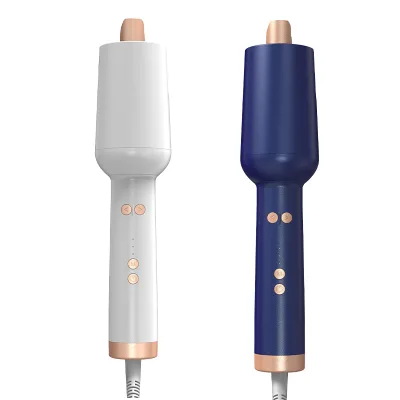
Curling Iron with Dual Voltage, Auto Shut-Off, Fast Heating Spin Iron for Hair Styling
$14.75 - $65.00
MOQ: 1000 pieces
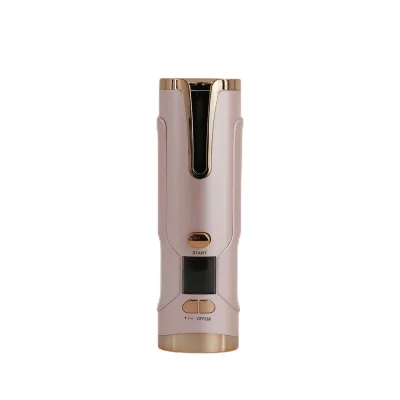
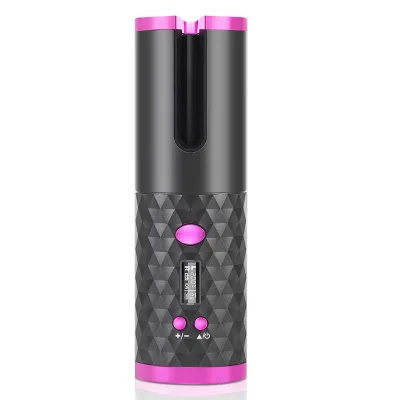
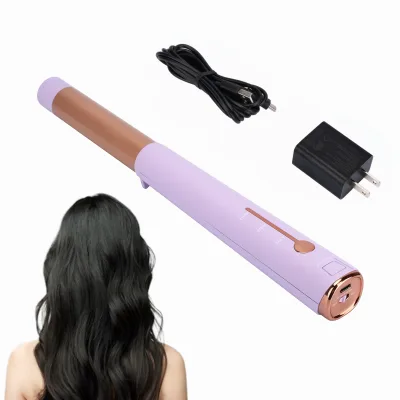

Professional Airflow Styler Curling Hair Fast 2 in 1 Hair Straightener and Curler
$12.63 - $13.69
MOQ: 500 Pieces


Bidisco Professional Airflow Styler Auto Curling Iron for Long and Short Hair
$12.30 - $12.96
MOQ: 500 Pieces



Comprehensive Sourcing Guide
Strategic Sourcing Guide for Auto-Rotating LED Curling Irons
The global market for automated hair styling tools has expanded significantly, driven by consumer demand for salon-quality results delivered through user-friendly, time-saving technology. For B2B procurement professionals, the core keyword "auto-rotating LED curling iron" represents a specific intersection of mechanical automation, digital interface integration, and thermal styling capabilities. Sourcing these devices requires a disciplined approach that distinguishes between verified product attributes and general market assumptions. This guide outlines the critical technical, operational, and compliance factors necessary for successful procurement, grounded strictly in observed product data and established industry practices.
Technical Specifications and Functional Architecture
Understanding the internal architecture of auto-rotating curling irons is the first step in defining procurement requirements. Based on observed product data, these devices typically feature a ceramic heating element, often combined with plastic or aluminum components to balance heat retention with weight reduction. The ceramic material is a high-confidence attribute, selected for its ability to distribute heat evenly and minimize hair damage compared to metal-only barrels.
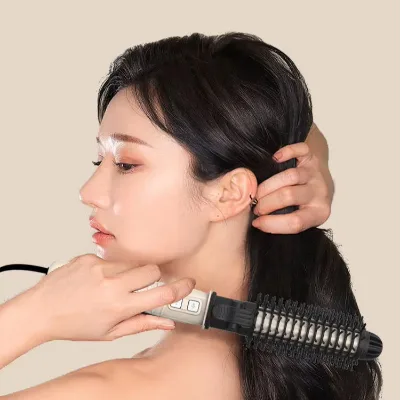
A defining characteristic of this category is the automatic rotation mechanism. Unlike traditional curling wands that require manual manipulation, these units utilize a motorized system to rotate the barrel, often in both clockwise and counter-clockwise directions to create uniform curls. The presence of an LED indicator light is another standard feature observed in multiple listings. This visual interface serves a dual purpose: it confirms the operational status of the device and often indicates the current temperature setting. Some models explicitly list a temperature display, allowing users to select specific heat levels, with observed data indicating a maximum operating temperature of 120°C for certain units.
Power specifications vary but generally align with international voltage standards. Observed data points to a voltage range of 110-240V at 50-60Hz, making these devices suitable for global distribution without the need for voltage converters. The power consumption is typically around 300W, while the heating element type is frequently identified as PTC (Positive Temperature Coefficient). PTC heaters are preferred in this application because they self-regulate temperature, reducing the risk of overheating and providing a consistent heat output as the device warms up.
Material Composition and Design Variations
The material composition of auto-rotating curling irons is a critical factor for durability and user safety. While ceramic is the primary heating surface material, the housing and structural components often utilize high-grade plastics or aluminum. This combination allows manufacturers to produce lightweight devices that are easy to handle during extended styling sessions. Some product listings explicitly note a "Mini" form factor, suggesting a compact design intended for travel or specific retail segments.
The design also varies by application. While many units are marketed for household use, the data indicates a significant presence in commercial and hotel settings. This dual-application capability suggests that the devices are built to withstand higher usage frequencies than standard consumer electronics. The inclusion of a 360-degree swivel power cord, with observed lengths of 2.5 meters, is a standard ergonomic feature that prevents tangling and allows for free movement during styling.
Furthermore, the "Automatic" feature is not merely a marketing term but a functional specification. It implies a mechanism that can be triggered by a button press or sensor, rotating the barrel to wrap the hair automatically. Some advanced models feature a "warm air" function, which assists in setting the curl and adding volume, distinguishing them from simple heated rollers.
Compliance, Certification, and Safety Verification
When sourcing electrical appliances, compliance with safety standards is non-negotiable. Although specific certification statuses for individual suppliers cannot be confirmed without direct verification, buyers must insist on evidence of compliance with relevant regional safety standards. The observed background data mentions ISO 9001:2015 as a potential standard, which relates to quality management systems rather than product safety. However, for electrical products, buyers should verify certifications such as CE (Conformité Européenne), UL (Underwriters Laboratories), or FCC (Federal Communications Commission), depending on the target market.
Safety features are intrinsic to the design of these devices. The PTC heater technology mentioned in the product data inherently offers a layer of thermal protection. Additionally, the presence of an LED indicator light serves as a safety feature, ensuring the user is aware when the device is powered on or heating. Buyers should verify that the device includes overheat protection mechanisms and that the materials used are heat-resistant and non-flammable.
It is crucial to note that while some suppliers may claim adherence to specific standards, procurement teams must treat these as observations rather than guaranteed facts until third-party test reports are provided. The absence of explicit certification data in the product listings means that the burden of verification falls on the buyer to request and validate documentation before finalizing orders.
Cost Drivers and Pricing Dynamics
The pricing of auto-rotating LED curling irons is influenced by several key factors, including material quality, feature complexity, and order volume. The observed price range in the market spans from $3.20 to $111.20 USD. This wide disparity reflects the difference between basic models with plastic components and premium units featuring advanced ceramic coatings, digital displays, and robust motor systems.
Minimum Order Quantity (MOQ) is another significant cost driver. The observed MOQ range is extensive, spanning from 1 unit to 3,000 units. Low MOQs, such as 1000 pieces or even single units, allow for smaller batch testing and reduced inventory risk but often come with a higher unit cost. Conversely, larger orders can leverage economies of scale to reduce the per-unit price. Buyers must balance their budget constraints with their inventory requirements, keeping in mind that suppliers may offer tiered pricing structures based on volume.
Additional cost factors include customization options. The ability to accept customized logos, color schemes, and packaging details adds value but may incur setup fees or higher unit costs. The "OEM" (Original Equipment Manufacturer) nature of many listings suggests that branding customization is a standard service, allowing retailers to create private-label products.
Typical Applications and Market Segmentation
Auto-rotating curling irons are versatile tools designed for a wide range of applications. The observed data categorizes their use in hotel, household, outdoor, salon, commercial, and travel settings. This broad applicability indicates that the devices are marketed to both B2B clients, such as hotels and salons, and B2C consumers.
In the hospitality sector, these devices are often provided as part of in-room amenities or for use in hotel spas. The "Commercial" application suggests durability is a key requirement, as these devices must withstand frequent use by different guests. For the household market, the focus is on ease of use and safety, with features like automatic rotation and LED indicators appealing to consumers who may lack professional styling skills.
The "Travel" application is particularly relevant given the "Mini" and "Cordless" features observed in some listings. These attributes make the devices portable and convenient for users on the go. The inclusion of rechargeable batteries in certain models further enhances their utility for travelers who may not have access to standard power outlets.
Supplier Evaluation and Quality Control Protocols
Selecting the right supplier is critical for ensuring product quality and supply chain reliability. The observed data indicates that the origin of these products is primarily China, with specific mentions of Guangdong as a production hub. Buyers should evaluate suppliers based on their manufacturing capacity, quality control processes, and ability to meet customization requirements.
Quality control should be a central part of the procurement strategy. Buyers must verify that suppliers have implemented rigorous testing protocols for electrical safety, thermal performance, and mechanical durability. The "Warranty" period, observed to range from 1 to 3 years, is a strong indicator of a supplier's confidence in their product quality. However, buyers should not rely solely on warranty claims; instead, they should request detailed quality assurance documentation and consider conducting pre-shipment inspections.
The "Supply Ability" of suppliers is another key metric. Observed data suggests some suppliers can produce up to 100,000 pieces per day, indicating high-volume manufacturing capabilities. Buyers should assess whether a supplier's capacity aligns with their order volume and delivery timelines. Additionally, the "Port of dispatch" being Shenzhen is a common logistical hub, but buyers should confirm the specific shipping arrangements and lead times to ensure timely delivery.
Long-Term Procurement Considerations
Sourcing auto-rotating LED curling irons is not just a one-time transaction but a long-term partnership that requires strategic planning. Buyers should consider the lifecycle of the product, including the availability of spare parts, the potential for product updates, and the supplier's ability to scale production as demand grows.
The "Customized Color Box" and "Logo" acceptance features highlight the importance of branding in the long term. Buyers should ensure that their suppliers can maintain consistency in packaging and branding over multiple production runs. Furthermore, the "Small Orders: Accepted" attribute suggests that suppliers are flexible, which can be beneficial for testing new markets or adjusting inventory levels based on demand fluctuations.
Finally, buyers should monitor market trends and technological advancements. As the industry evolves, features like improved battery life, faster heating times, and enhanced safety mechanisms may become standard. Maintaining a close relationship with suppliers can provide early insights into these developments, allowing buyers to stay competitive in the marketplace. By focusing on verified attributes and maintaining rigorous quality standards, procurement professionals can successfully navigate the complex landscape of auto-rotating LED curling iron sourcing.
FAQs
What materials are used for auto-rotating led curling irons?
These devices typically use ceramic heating elements combined with plastic or aluminum housings. Ceramic ensures even heat distribution while plastic and aluminum reduce weight for easier handling during extended styling sessions.
Can I find auto-rotating led curling irons with LED temperature displays?
Yes, many models feature LED indicator lights and temperature displays to confirm operational status. Some units allow users to select specific heat levels, with observed data indicating a maximum operating temperature of 120°C for certain units.
How does the automatic rotation mechanism function in these irons?
The automatic rotation utilizes a motorized system to rotate the barrel in both clockwise and counter-clockwise directions. This mechanism creates uniform curls without manual manipulation and often includes a warm air function to set the style.
What is the typical voltage range for these curling irons?
The devices generally support a voltage range of 110-240V at 50-60Hz for global compatibility. This specification allows the tools to be used internationally without requiring voltage converters for different regional power standards.
Which applications are suitable for auto-rotating led curling irons?
These tools are designed for hotel, household, outdoor, salon, commercial, and travel applications. The commercial and hotel versions are built to withstand higher usage frequencies compared to standard consumer electronics.
What is the minimum order quantity for sourcing these products?
The minimum order quantity ranges from 1 to 3000 units depending on the supplier. Some listings accept small orders starting at 1000 pieces, while others may allow single unit purchases for testing purposes.