Source Automatic Acrylic Bending Machine for Plastic, Metal, and Sheet
Find 23 listings for the Automatic Acrylic Bending Machine suitable for plastic, stainless steel, and aluminum. Compare specifications like bending width, voltage, and cooling methods from verified suppliers in China; compare the available evidence and request quotations based on your requirements.
Key considerations
Products List


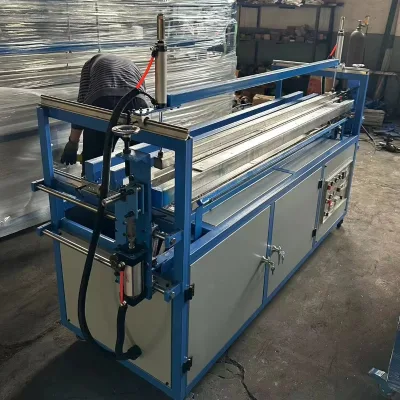
Acrylic bending machine(WC67K-63/2500)automatic stirrup bending machine
$8200.00 - $8500.00
MOQ: 1 set


Rapid Response Cost- Effective Easy Upgrading Automatic Bending Machine
$6000.00 - $12000.00
MOQ: 1 Sets

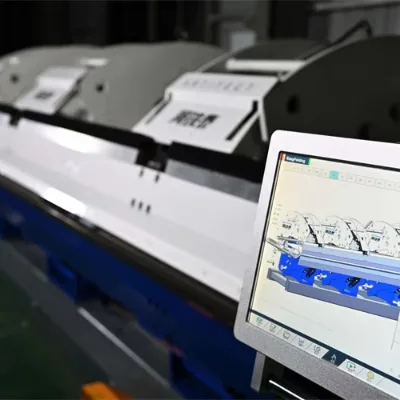
High Bending Speed Automatic Panel Bending Machine High Quality Panel Bender
$30000.00 - $40000.00
MOQ: 1 Sets


Comprehensive Sourcing Guide
Automatic Acrylic Bending Machine Sourcing Guide
Procuring an Automatic Acrylic Bending Machine requires a nuanced understanding of both the specific material properties of acrylic and the broader capabilities of CNC bending technology. Buyers must distinguish between machines designed specifically for plastic deformation and those versatile enough to handle metal alloys, as the thermal and mechanical requirements differ significantly. The market offers a range of solutions, from dedicated acrylic benders to multi-material press brakes, necessitating a clear definition of your primary production needs before evaluating supplier catalogs.
This guide focuses on the critical decision points for sourcing these machines, leveraging observed market data and technical standards. We will examine product scope, technical verification, compliance, cost structures, supplier qualification, and long-term maintenance. By adhering to these evidence-based criteria, procurement teams can mitigate risks associated with equipment mismatch, regulatory non-compliance, and unexpected operational downtime, ensuring a robust investment in automated bending infrastructure.
Product Scope and Observed Listing Signals
The current market landscape for automatic bending equipment reveals a diverse array of product types, including CNC bending machines, press brakes, and specialized acrylic bending units. Observed listings indicate a wide price range from approximately $900 to $100,000, reflecting variations in automation levels, bed size, and control systems. Buyers should note that while some machines are explicitly labeled for acrylic, others are marketed for stainless steel, carbon steel, and aluminum, suggesting a need to verify material compatibility rather than relying solely on product titles.
Minimum Order Quantities (MOQ) are consistently observed at one unit, indicating that these are typically capital equipment purchases rather than bulk commodity items. Delivery times vary, with some suppliers offering shipment within seven days and others requiring up to ten days, which impacts production planning. Packaging methods also differ, ranging from standard wooden crates to fumigated wooden boxes and plywood cases, which is crucial for international logistics and customs clearance considerations.
Technical Specifications to Verify
When evaluating technical specifications, the maximum bending width and length are primary determinants of machine capability. Observed data shows models with a maximum bending width of 2400mm and effective bending lengths that are often described as unlimited or extending up to 12,000mm. Buyers must verify the distance between uprights, with some models offering 3100mm clearance, to ensure the machine can accommodate the largest sheets or profiles in their production workflow without mechanical interference.
Material thickness capacity is another critical verification point, with observed effective bending thicknesses ranging from 0mm to 10mm for certain models. The bending angle range, typically observed between 20 and 179 degrees, defines the flexibility of the forming process. Additionally, cooling methods such as water and air cooling are standard features, and buyers should confirm the motor power, which may be around 4kw, to ensure sufficient torque for consistent, high-quality bends across different material densities.
Compliance and Safety Documentation
Certification status is a non-negotiable aspect of procurement, with CE marking being a frequently observed requirement for machinery sold in many international markets. Some listings also reference ISO 9001 quality management standards and UL certifications, which provide assurance regarding manufacturing consistency and electrical safety. Buyers must request valid certification documents directly from the supplier to verify that the specific model purchased meets the regulatory standards of the destination country, as generic claims may not apply to all configurations.
Safety features and operational documentation are equally important for workplace compliance. Manuals are typically available in English and Chinese, facilitating easier training for international teams. The waterproof rating of the control systems varies, with observations of IPX-1, IPX-7, and IPX-8 ratings, which is relevant for environments where cleaning or moisture exposure is common. Buyers should ensure that the machine’s electrical systems and control panels meet the specific environmental safety requirements of their facility.
Cost Drivers and Commercial Terms
The total cost of ownership extends beyond the initial purchase price, influenced by customization options, warranty terms, and after-sales support. Observed warranty periods range from one to two years, which can significantly impact long-term maintenance costs. Buyers should negotiate clearly defined warranty coverage that includes parts and labor, and verify whether extended warranty options are available at a reasonable premium to protect against early-life failures.
Commercial terms also include delivery time and packaging specifications, which affect logistics costs. While some suppliers offer rapid delivery within seven days, others may have longer lead times. Packaging in fumigated wooden boxes or plywood cases is standard, but buyers should confirm who bears the cost of export packaging and whether it meets international phytosanitary standards. Understanding these variables allows for more accurate budgeting and avoids unexpected expenses during the import and installation phases.
Supplier Qualification and Quality Control
Supplier qualification requires a thorough review of their manufacturing capabilities and quality control processes. Buyers should verify the supplier’s adherence to international standards such as ISO 9001, which indicates a structured approach to quality management. It is advisable to request recent audit reports or certification copies to ensure that the supplier maintains consistent production standards and has a robust system for tracking component quality and assembly processes.
Quality control should also extend to the pre-shipment inspection phase. Buyers should establish clear acceptance criteria for machine performance, including bending accuracy, angle consistency, and control system responsiveness. Requesting video demonstrations or third-party inspection reports before shipment can provide valuable insights into the machine’s actual performance. Additionally, verifying the supplier’s ability to provide English-language technical support and spare parts is crucial for minimizing downtime in the event of a malfunction.
Long-Term Procurement Checks
Long-term procurement success depends on the availability of spare parts and the supplier’s commitment to ongoing support. Buyers should confirm the lead times for critical components such as hydraulic pumps, motors, and control modules, as delays in these parts can halt production for extended periods. Establishing a service level agreement (SLA) that defines response times for technical issues can provide peace of mind and ensure rapid resolution of operational problems.
Regular maintenance and calibration are essential for preserving machine accuracy and longevity. Buyers should develop a preventive maintenance schedule based on the manufacturer’s recommendations, including checks for hydraulic fluid quality, electrical connections, and mechanical wear. Keeping detailed records of maintenance activities and any modifications made to the machine can also facilitate troubleshooting and ensure that the equipment remains within its specified performance parameters over its operational lifespan.
FAQs
What certifications do automatic acrylic bending machines have?
These machines typically hold CE certification, with some models also featuring ISO 9001 and UL approvals. This ensures compliance with international safety and quality standards. Buyers should verify specific documentation for each unit to confirm regulatory adherence before procurement.
Can the machine bend materials other than acrylic?
Yes, the equipment is suitable for rubber, plastic, stainless steel, carbon steel, alloy, aluminum, and copper. The versatile design allows for processing various sheet metals and polymers, making it a flexible solution for diverse manufacturing environments and material requirements.
What is the maximum bending width available?
The maximum bending width reaches 2400mm, accommodating large sheet materials efficiently. This specification supports broad industrial applications where wide panels require precise forming. Users should confirm the exact model dimensions to ensure compatibility with their specific production workflow and material sizes.
How long is the delivery time for these machines?
Delivery times generally range from 7 to 10 days after order confirmation. This rapid turnaround supports urgent production needs. Buyers should confirm exact schedules with suppliers, as lead times may vary based on customization requirements and current manufacturing capacity constraints.
What warranty is provided for the automatic bending machine?
Warranty periods typically span 1 to 2 years, depending on the specific model and supplier terms. This coverage protects against manufacturing defects. Buyers should review the warranty details carefully to understand included services and any exclusions regarding wear parts or misuse.
Is customization available for these bending machines?
Customization is available to meet specific operational requirements. Buyers can request modifications to suit unique production lines. This flexibility ensures the equipment integrates seamlessly into existing workflows, enhancing efficiency and meeting specialized industrial standards without compromising core functionality or performance.