Source Automatic Casino Card Shuffler for Home, Chess Rooms, and Entertainment
Find and compare 30 Automatic Casino Card Shuffler units designed for home, chess-and-card rooms, and general entertainment. Buyers can evaluate models with varying capacities, power modes, and customization options to suit specific operational needs.
Key considerations
Products List


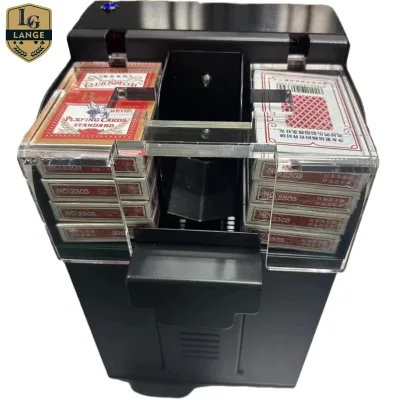
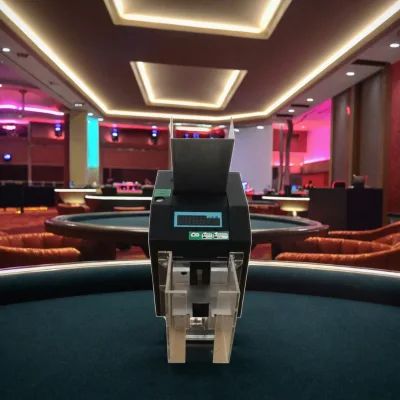
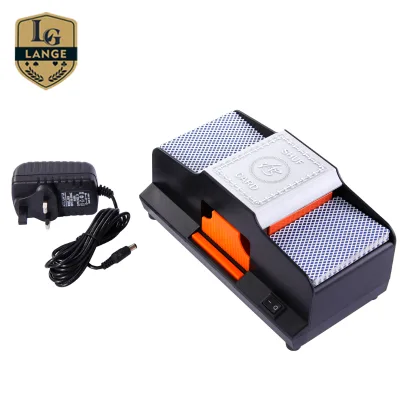


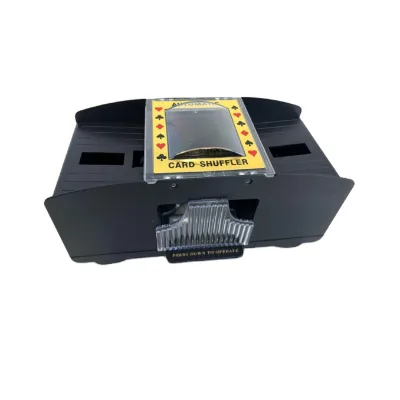
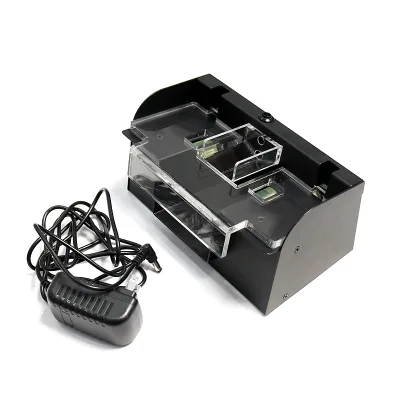
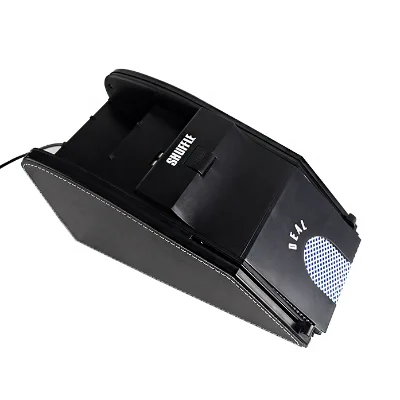
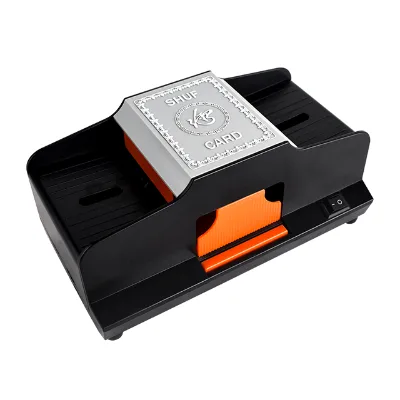
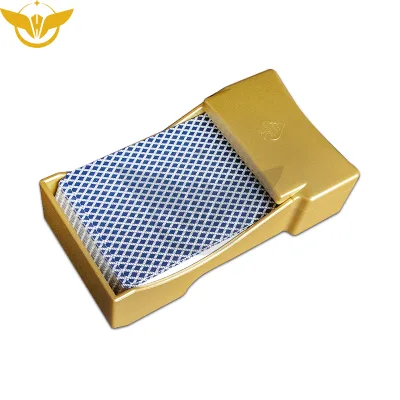
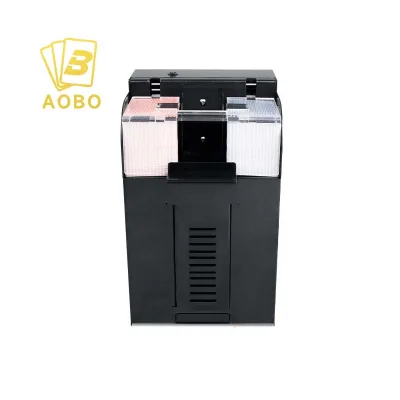
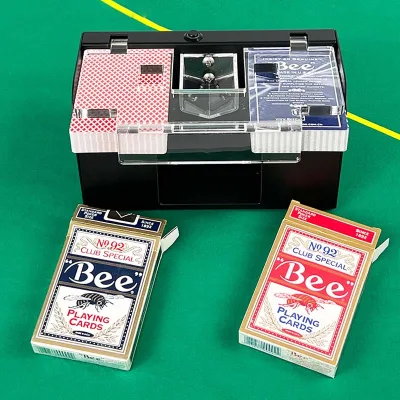
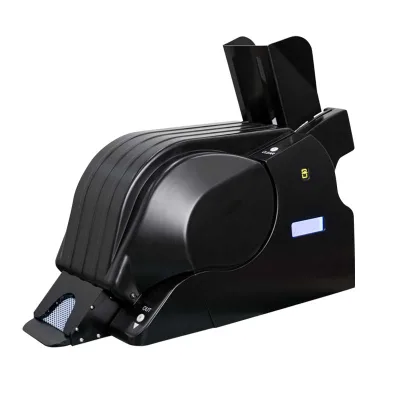
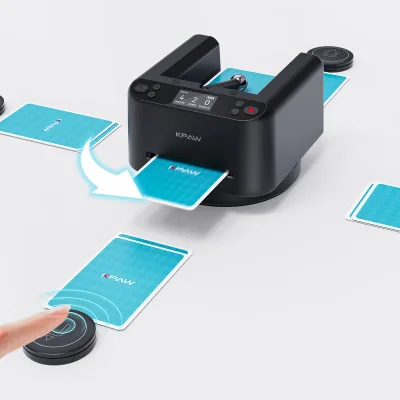
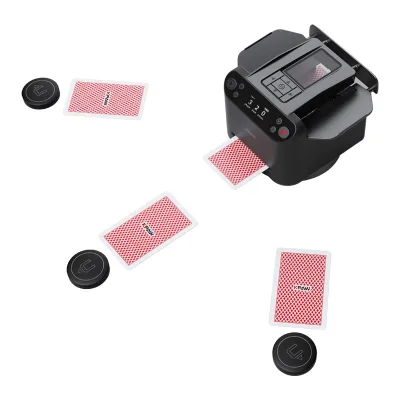
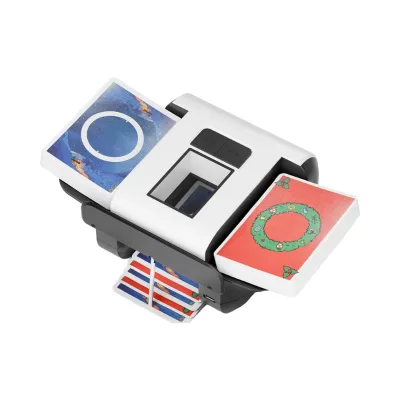


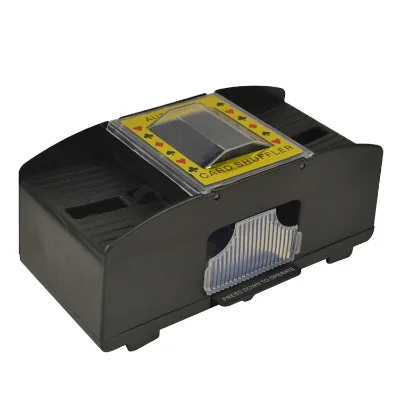
Comprehensive Sourcing Guide
Strategic Sourcing Guide for Automatic Casino Card Shufflers
The global demand for automated gaming equipment has driven significant innovation in card shuffling technology, particularly within the casino and high-volume entertainment sectors. For procurement professionals, the "Automatic Casino Card Shuffler" represents a critical asset that balances operational efficiency with game integrity. Unlike manual shuffling, which is susceptible to human error and potential manipulation, automated units offer consistent randomness and accelerated game flow. This guide synthesizes available product attributes and industry standards to provide a disciplined framework for sourcing these devices, ensuring that buyers can navigate the complex landscape of specifications, compliance, and supplier reliability without relying on unverified claims.
Technical Specifications and Operational Modes
When evaluating automatic card shufflers, the primary distinction lies in the operational mode and the physical capacity of the unit. The market presents a diverse range of configurations, from compact tabletop models designed for home or small venue use to heavy-duty units capable of handling multiple decks simultaneously. A critical observation in the current product landscape is the variation in power requirements and mechanical design. Some units operate on electric power with input ranges of 100~240V, ensuring compatibility with international power grids, while others may rely on battery power, such as models requiring four No.5 batteries, which offers portability but necessitates ongoing maintenance of power sources.
The capacity of the shuffler is a decisive factor for procurement. Specifications indicate that certain models are designed to handle a capacity of 1 to 8 decks, while others are optimized for specific volumes like 8 deck playing cards. The physical dimensions of the unit are equally important for inventory and floor planning. Observed product standards reveal significant variance in packaging and operational sizes, with dimensions ranging from compact units measuring approximately 210115112mm to larger industrial models reaching 450240350mm. Buyers must verify the exact footprint against their available counter space or table integration requirements.
Furthermore, the material composition of the shuffler affects its durability and maintenance profile. Products are constructed from materials such as plastic and paper-plastic composites, which influence the weight and robustness of the device. Net weights observed in the market range from roughly 715g to over 5.47kg, indicating a clear split between lightweight portable units and heavy-duty commercial machines. The mode of operation also varies; while many modern units feature automatic functions with shuffle speeds as fast as 3 seconds to complete a cycle, some models still operate in manual modes or require specific teaching modes for instruction. Understanding these technical nuances is essential for selecting a device that matches the specific throughput needs of the intended environment.
Compliance, Certification, and Standard Verification
In the high-stakes environment of casino operations, compliance and adherence to standards are non-negotiable. While specific certification bodies are not explicitly detailed in the provided product data, the presence of standardized dimensions and material specifications suggests a baseline of manufacturing consistency. Buyers must rigorously verify that any prospective shuffler meets the regulatory standards of the jurisdiction in which it will be deployed. This includes ensuring that the device does not possess any mechanical biases that could compromise the randomness of the card distribution.
The standardization of product dimensions, such as the observed 225130105mm or 362624cm packing sizes, serves as a proxy for manufacturing precision. However, these are physical specifications rather than performance certifications. Procurement teams should demand evidence of third-party testing that validates the randomization algorithms and mechanical integrity of the shuffler. In many regions, gaming equipment must undergo rigorous testing by accredited laboratories to ensure it meets the "Anti-Cheating" advantages claimed by manufacturers. The absence of explicit certification data in general product listings means that the buyer must treat all compliance claims as assertions requiring independent verification before finalizing a purchase order.
Additionally, the condition of the product is a critical compliance factor. All listed units are described as "New," which implies they have not been previously used or modified. However, for casino applications, the history of the device, including any prior firmware updates or mechanical repairs, must be documented. Buyers should also verify that the packaging standards, such as "Carton Package" or "Gift Box and Carton Box," meet the requirements for secure transport and storage, preventing damage that could lead to operational failures or safety hazards.
Cost Drivers and Pricing Dynamics
The pricing of automatic casino card shufflers is influenced by a complex matrix of factors, including capacity, material quality, power requirements, and the level of customization available. The observed price range in the market spans from $1 to over $5,000 USD, reflecting the vast disparity between entry-level portable units and high-end commercial systems. This wide variance indicates that cost is not merely a function of the device's ability to shuffle cards but is heavily tied to the sophistication of the automation, the durability of the materials, and the brand reputation.
One of the primary cost drivers is the customization capability. Products marked as "Customized" or offering "Available" customization options typically command a higher price point due to the additional engineering and tooling required. Conversely, "Non-Customized" or standard models may offer a more economical solution for buyers with generic requirements. The Minimum Order Quantity (MOQ) also plays a significant role in the total cost of ownership. While some suppliers offer an MOQ of just 1 piece, others may require orders of up to 3,000 units, which can significantly impact the unit price through economies of scale.
Buyers must also consider the long-term costs associated with power consumption and maintenance. Units requiring specific battery types or high-voltage inputs may incur higher operational costs over time. Furthermore, the packaging and shipping costs, often bundled into the gross weight (G.W) and net weight (N.W) calculations, can add substantial expenses, particularly for heavy industrial models weighing over 5kg. Understanding these cost drivers allows procurement teams to negotiate more effectively and allocate budgets appropriately based on the specific operational needs of the facility.
Typical Applications and Usage Scenarios
The application of automatic card shufflers extends beyond traditional casino floors, encompassing a variety of entertainment and gaming environments. The primary use case is in "Chess-and-Card Room" settings and commercial casinos, where the speed and fairness of the game are paramount. The "Anti-Cheating" feature is particularly valuable in these high-security environments, ensuring that the integrity of the game is maintained against potential manipulation. The "Entertainment" usage category also includes home settings, where the "Beginner" level of difficulty and compact design make these devices accessible to casual gamers.
The versatility of these units is further highlighted by their adaptability to different game types. While some models are specifically designed for "Playing Cards" or "Poker," others may support a broader range of card games. The capacity to handle 1 to 8 decks makes them suitable for games that require multiple decks, such as Baccarat or Blackjack, where the volume of cards to be shuffled is high. The "Automatic" function ensures that the shuffling process is consistent and rapid, reducing the time between hands and increasing the overall revenue potential of the gaming floor.
For home users, the "Manual Operation" or "Electric" modes provide flexibility depending on the user's preference and power availability. The "Teaching Mode" with "Instructions" is a notable feature for educational or training purposes, allowing new players to understand the mechanics of the game or the device itself. The "Corner" style design of some units suggests that they can be integrated into specific table layouts, optimizing space usage in both commercial and residential settings.
Supplier Evaluation and Quality Control
Selecting the right supplier is a critical step in the procurement process, requiring a thorough evaluation of their capabilities, reliability, and quality control measures. The "Factory Mold" designation for some products indicates that the manufacturer has direct control over the production process, which can be a positive indicator of quality consistency. However, buyers must verify the supplier's track record in delivering products that meet the specified standards and performance claims.
Quality control should be a central focus during the supplier evaluation phase. Buyers should request detailed information on the manufacturing process, including the materials used, such as "Plastic" or "Paper-Plastic," and the methods employed to ensure the "Easily Cleaned" feature is maintained over time. The "New" condition of the products is a baseline requirement, but buyers should also inquire about the testing procedures used to validate the "Shuffle Speed" and the "Anti-Cheating" capabilities.
The packaging standards, such as "Box Packing Carton" or "Gift Box and Carton Box," are also indicators of the supplier's attention to detail. Proper packaging ensures that the device arrives in perfect condition, minimizing the risk of damage during transit. Additionally, the "Customized" or "Non-Customized" status of the product should be clearly communicated to avoid any misunderstandings regarding the final specifications. Buyers should also verify the "Origin" of the product, which is listed as "China" for the observed units, and ensure that the supplier complies with all relevant export and import regulations.
Long-Term Procurement Considerations
Sourcing automatic casino card shufflers is not just a one-time transaction but a long-term partnership that requires careful planning and consideration. The "Member" attribute, which lists a duration of "0.5-2H," suggests that the device may have specific operational limits or maintenance intervals that need to be factored into the procurement strategy. Buyers should consider the lifecycle of the device, including the availability of spare parts, the ease of maintenance, and the potential for upgrades or firmware updates.
The "Expansion Pack" attribute, currently listed as "No," indicates that some models may not support future expansion, which could limit their scalability. Buyers should evaluate whether the selected model can grow with their operational needs or if they will need to invest in additional units as demand increases. The "Sku" and "Prod Model" numbers are essential for tracking inventory and ensuring that the correct parts and accessories are ordered in the future.
Finally, the "Level of Difficulty" and "Mode" of operation should be aligned with the skill level of the users and the operational requirements of the facility. A "Beginner" level device may be suitable for home use, but a commercial casino may require a more advanced model with higher capacity and faster shuffle speeds. By considering these long-term factors, buyers can ensure that their investment in automatic card shufflers remains relevant and effective over time, providing a solid return on investment and maintaining the highest standards of game integrity.
FAQs
How fast does the Automatic Casino Card Shuffler complete a cycle?
The device completes a shuffle in 3 seconds to ensure rapid game flow. This speed applies to models with automatic functions, while manual operation modes may vary in performance based on user input.
What is the maximum deck capacity for these shuffling units?
Selected models support a capacity of up to 8 decks of playing cards. Some compact units handle 1 to 8 decks, making them suitable for various game types like Blackjack or Baccarat requiring multiple decks.
Can buyers request customization for the Automatic Casino Card Shuffler?
Customization is available for certain models to meet specific branding or functional needs. However, other units are sold as non-customized standard products, so buyers must verify the specific model's customization status before ordering.
Which power source options are available for these automatic devices?
Units operate via electric power with an input range of 100 to 240 volts or use four No.5 batteries. The choice depends on the specific model, with electric versions offering continuous power and battery versions providing portability.
What are the typical dimensions for the Automatic Casino Card Shuffler?
Product standards show dimensions ranging from 210 by 115 by 112 mm to 450 by 240 by 350 mm. Buyers should check the specific packing size, such as 36 by 26 by 24 cm, to ensure it fits their counter space.
How does the anti-cheating feature function in these shufflers?
The device includes an anti-cheating advantage to maintain game integrity and prevent manipulation. This feature ensures consistent randomness, which is critical for high-security environments like casinos and professional card rooms.
What is the minimum order quantity for factory mold products?
The minimum order quantity for factory mold products is one piece. This low entry threshold allows buyers to test the device without committing to large bulk orders, though some suppliers may have different requirements.
Can the Automatic Casino Card Shuffler be used in home settings?
Yes, the device is suitable for home use and entertainment purposes. It features a beginner level of difficulty and compact designs, making it accessible for casual gamers in addition to professional chess and card rooms.