Source Automatic Constant Voltage Deburring Machine for Metal
Find 30 Automatic Constant Voltage Deburring Machine options from Suzhou, China. Compare models like L800 and L1350 with ISO and CE certifications. Evaluate specs including power, belt size, and working width to select the right equipment for metal sheet processing.
Updated
Key considerations
Products List

Deburring Polishing, Deburring Manufacturer Automatic Deburring Machine
$32000.00 - $35000.00
MOQ: 1 Sets


Efficient Deburring Machine for Engine Components with Certification
$35000.00 - $40000.00
MOQ: 1 Sets


Intelligent Stable Performance Automatic Deburring Equipment Deburring Machine
$7900.00 - $12000.00
MOQ: 1 Sets


Factory Direct Processing Steel Thickness 0.5-100mm Automatic Deburring Machine
$7900.00 - $12000.00
MOQ: 1 Sets


Durable and Reliable Automatic Deburring Machine for Smooth Surfaces
$12000.00 - $28000.00
MOQ: 1 Sets


Factory Direct Processing Thickness 0.5-100mm Automatic Deburring Machine
$12000.00 - $28000.00
MOQ: 1 Sets


Versatile Automatic Deburring Machine for Various Processing Thicknesses
$33500.00 - $36700.00
MOQ: 1 Pieces


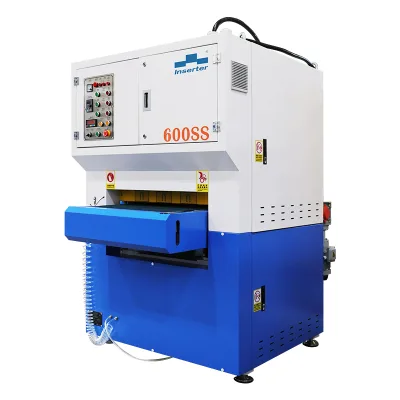
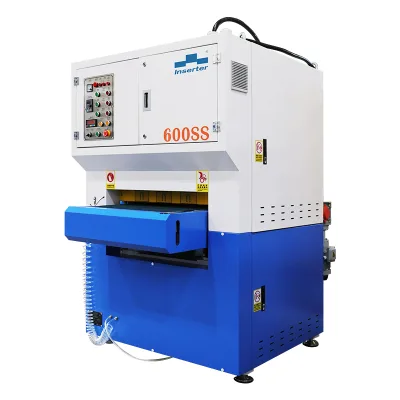
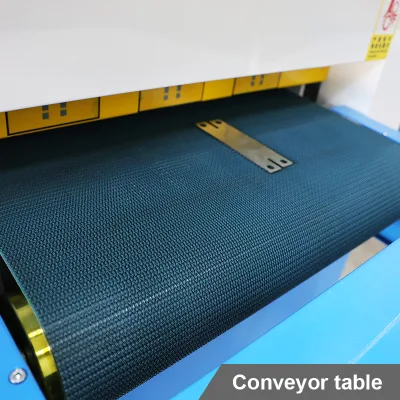
Efficient with Plasma Cutting Slag Removal Fast and Accurate Deburring Automatic Deburring Machine
$5789.3031 - $6332.3705
MOQ: 1 sets
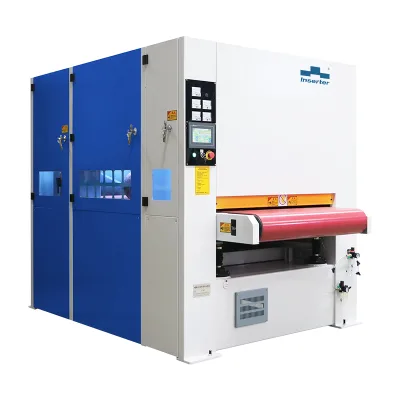
Comprehensive Sourcing Guide
Automatic Constant Voltage Deburring Machine Sourcing Guide
The Automatic Constant Voltage Deburring Machine is engineered for high-volume metal sheet processing, specifically targeting the removal of sharp edges and burrs from various thicknesses. Buyers should note that observed listings indicate a working material thickness range of 0.5 to 80mm, suggesting these units are versatile for both thin gauges and heavy industrial plates. The core functionality relies on variable frequency adjustable speeds for both the rolling brush and feed mechanisms, allowing operators to tailor the process to specific material hardness and desired finish quality.
Procurement decisions must account for the significant variance in power consumption and physical dimensions across different models. While some configurations operate with a total power of 3.86kw, others require up to 47kw, directly impacting facility electrical infrastructure requirements. Additionally, the equipment often includes integrated suction systems with air volumes ranging from 4000 to 5000m³/H to manage dust and debris, necessitating proper ventilation planning before installation to ensure a safe and compliant working environment.
Product Scope and Observed Listing Signals
Market listings reveal a diverse range of model series, including the L800, LSD-SERIES, L1350, and DL800, each tailored to specific operational needs. The scope of these machines extends from semi-automatic to fully automatic operation, with some units featuring infinitely variable feed speeds between 1 and 8m/Min. Buyers must carefully distinguish between models based on their maximum working width capabilities, which can range from 800mm to 1600mm, ensuring the selected machine matches the dimensions of the metal sheets being processed.
Physical attributes such as weight and packing are critical for logistics planning, as observed units can weigh approximately 3 to 6 tons and are typically shipped in wooden box packages. The standard dimensions for these heavy-duty units vary significantly, with some models measuring around 380023002400mm while others are more compact. Understanding these physical constraints is essential for determining warehouse space requirements and the necessary lifting equipment for unloading and positioning the machinery upon delivery.
Technical Specifications to Verify
Verification of the brush and belt dimensions is paramount for ensuring the machine can handle the specific geometry of the workpieces. Observed specifications include belt sizes of Φ19101350mm and brush sizes of Φ300400mm, which dictate the contact area and processing efficiency. Buyers should confirm the rotational speed of the rolling brush, which is often adjustable between 8 and 26m/S, and the rolling brush speed ranging from 1 to 15r/Min, as these parameters directly influence the surface finish and deburring effectiveness.
Electrical compatibility and motor power ratings require strict validation against the buyer's facility standards. Listings show voltage options of 220V and 380V, with total power consumption varying from 22.25kw to 47kw depending on the model. It is crucial to verify the power of individual components, such as the lift motor at 0.37kw or the propeller motor at 7.5kw, to ensure the electrical supply can support the simultaneous operation of all motors without tripping breakers or causing voltage drops.
Compliance and Safety Documentation
Safety and regulatory compliance are non-negotiable, with observed certifications including ISO and CE, and in some cases, GS standards. These certifications indicate that the machinery meets specific international safety and quality benchmarks, which is essential for insurance purposes and regulatory adherence in various markets. Buyers must request current certification documents to verify that the specific unit being purchased has undergone the necessary testing and approval processes for the intended region of operation.
Operational safety is further supported by the inclusion of advanced features like suction air volume systems designed to capture hazardous dust and metal particles. The electronic components are sourced from reputable manufacturers, such as those in France, and bearings from Japan NSK, which contribute to the overall reliability and safety of the machine. Ensuring that the safety interlocks and emergency stop mechanisms are functional and compliant with local regulations is a critical step before commissioning the equipment.
Cost Drivers and Commercial Terms
The price of these machines is influenced by their power rating, automation level, and the complexity of their mechanical systems. Observed price ranges span from approximately 3581.37 USD to 50,000 USD, reflecting the significant differences in specifications and capabilities between entry-level and high-end industrial models. Buyers should analyze the total cost of ownership, including energy consumption and maintenance requirements, rather than focusing solely on the initial purchase price to make a financially sound decision.
Commercial terms such as Minimum Order Quantity (MOQ) and lead times are generally standardized, with observed listings indicating an MOQ of 1 unit. This flexibility allows for single-unit procurement, which is beneficial for pilot testing or small-scale production needs. However, buyers must clarify the delivery terms and packaging requirements, as the heavy nature of the equipment and the use of wooden box packaging may incur additional shipping and handling costs that are not always included in the base price.
Supplier Qualification and Quality Control
Supplier qualification should focus on the origin of the machinery and the quality of the components used in its assembly. Most observed units originate from Suzhou, China, a hub for manufacturing industrial equipment, but buyers must verify the specific factory credentials and production history. The use of high-quality components, such as Japanese NSK bearings and French electronic components, serves as a strong indicator of the supplier's commitment to durability and performance standards.
Quality control processes must be rigorously evaluated to ensure the machine meets the promised specifications before shipment. Buyers should request detailed test reports and performance data, particularly regarding the variable frequency adjustments and the consistency of the deburring results. Establishing a clear protocol for pre-shipment inspections and post-delivery acceptance testing is essential to mitigate the risk of receiving equipment that does not perform as expected in the buyer's specific production environment.
Long-Term Procurement Checks
Long-term procurement success depends on the availability of spare parts and the technical support provided by the supplier. Given the specialized nature of the rolling brushes and belts, buyers should confirm the lead times for replacement parts and the availability of consumables to minimize downtime during maintenance cycles. A robust supply chain for critical components ensures that the machine can continue operating efficiently over its intended lifespan without prolonged interruptions.
Maintenance and operational training are vital for maximizing the return on investment and ensuring the longevity of the equipment. Buyers should verify that the supplier offers comprehensive training on operating the variable frequency drives and maintaining the suction systems. Establishing a clear communication channel for technical support and troubleshooting is essential for addressing any issues that arise during operation, ensuring that the Automatic Constant Voltage Deburring Machine remains a reliable asset in the production line.
FAQs
What certifications do automatic constant voltage deburring machines have?
These machines typically hold ISO and CE certifications, with some models also featuring GS certification. These standards ensure compliance with international safety and quality requirements for industrial equipment. Buyers should verify specific certification documents for each supplier to confirm regulatory adherence in their target markets.
Can automatic constant voltage deburring machines be customized?
Yes, customization is available for many automatic constant voltage deburring machines. Suppliers offer tailored solutions to meet specific production needs, including adjustments to working width, belt size, and brush dimensions. Buyers should communicate their exact requirements to manufacturers to ensure the final equipment integrates seamlessly into their existing workflow.
What is the typical voltage for automatic constant voltage deburring machines?
The voltage for these machines varies, with common options including 220V and 380V. The specific voltage depends on the model and power requirements, such as the 3.86kw or 47kw total power ratings found in different units. Buyers must match the machine voltage to their facility's electrical infrastructure to ensure safe operation.
How much does an Automatic Constant Voltage Deburring Machine weigh?
The weight of these machines ranges significantly based on capacity and model. For instance, the L800 model weighs approximately 6 tons, while the DL800 model weighs about 3 tons. This variation reflects differences in motor power, belt size, and structural components, impacting installation and logistics planning for buyers.
What is the maximum working width for automatic constant voltage deburring machines?
The maximum working width varies by model, with options including 800mm, 1000mm, 1300mm, 1600mm, and up to 1330mm for specific units. The L1350 model features a belt size of 1910x1350mm, indicating its capacity for wider materials. Buyers should select a width that accommodates their largest workable material dimensions.
Where are automatic constant voltage deburring machines manufactured?
Many automatic constant voltage deburring machines are manufactured in Suzhou, China. This region is a known hub for industrial machinery production, offering a range of suppliers with varying capabilities. Buyers sourcing from this location should verify supplier credentials and production capacity to ensure reliable delivery and after-sales support for their equipment.