Source CNC Precision Desktop Sanding Machine for Metal and Wood
Find a CNC Precision Desktop Sanding Machine from 30 verified listings. Compare models like ZDP-R-RP1000 and KJ-3000, featuring variable speed, CE certification, and options for metal sheet or wood applications. Source reliable equipment with OEM support and clear pricing; compare the available evidence and request quotations based on your requirements.
Updated
Key considerations
Products List


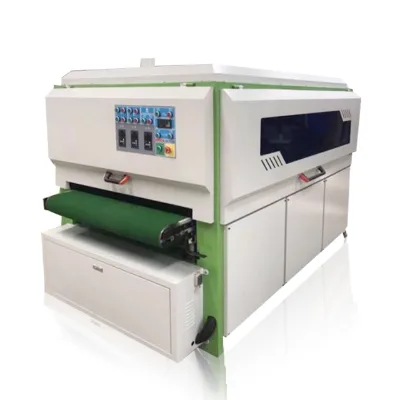
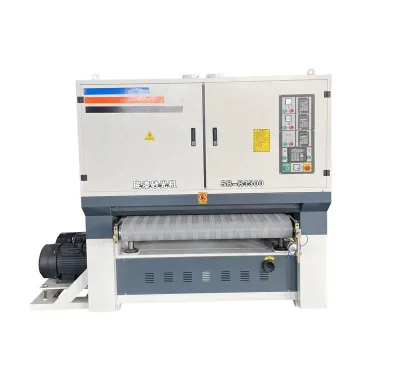
Woodworking Machinery Disc Brush Sanding Machine to Polishing The Surface
$6000.00 - $14000.00
MOQ: 1 set


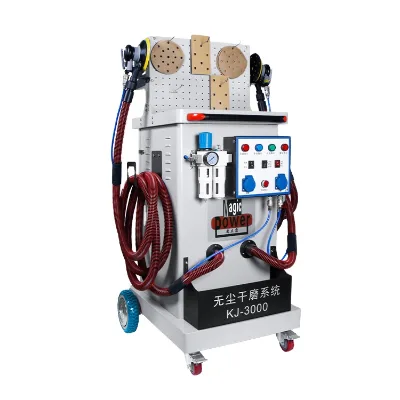
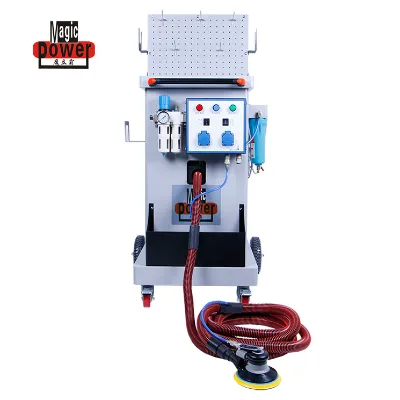
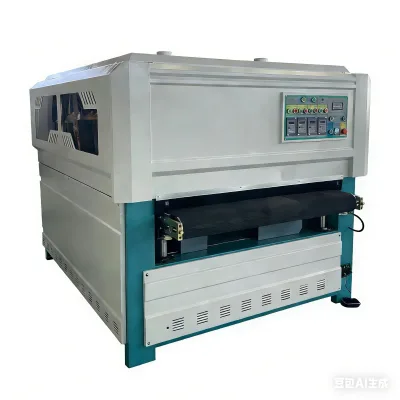
Dust Free Car Sanding Machine for Cars/sanding Machine Woodworking
$1127.1208 - $1229.5863
MOQ: 1 Minimum


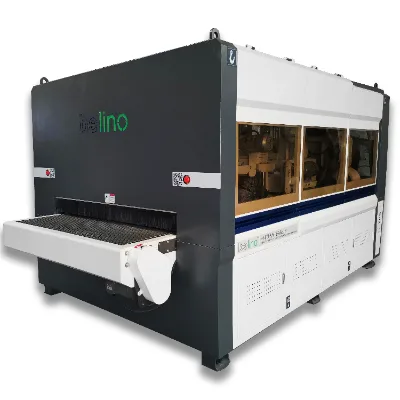
$70000.00 - $75000.00
MOQ: 1 Pieces





Comprehensive Sourcing Guide
CNC Precision Desktop Sanding Machine Sourcing Guide
Selecting the right desktop sanding solution requires balancing precision, automation, and physical footprint. Buyers must evaluate whether a semiautomatic or fully automatic grade aligns with their production volume and labor constraints. The observed market includes models ranging from simple belt sanders to complex CNC-controlled units, each serving distinct operational needs. Understanding these variations is critical for matching equipment to specific workflow demands without over-investing in unnecessary features.
The physical dimensions and power requirements of these machines vary significantly across suppliers. Observations indicate body sizes such as 2550x850x2200mm for larger industrial units, while desktop variants may have single package sizes around 74.5x57.5x94 cm. Power inputs also differ, with some units operating on 380V industrial voltage and others on 220V-240V standard outlets. Verifying these specifications against your facility’s infrastructure is a primary step to ensure seamless integration and safe operation.
Product Scope and Observed Listing Signals
The current market landscape for desktop sanding machines reveals a diverse array of product types and configurations. Listings include belt wood sanders, spray booths for metal applications, and specialized CNC precision units. The observed price range spans from approximately $510 to $75,000, reflecting the wide disparity between basic manual tools and high-end automated systems. This broad spectrum allows buyers to find solutions tailored to specific budget constraints and precision requirements, though it necessitates careful filtering to identify relevant options.
Minimum order quantities (MOQ) for these products are consistently observed at one unit, indicating a strong focus on individual procurement rather than bulk industrial supply. This low MOQ threshold facilitates easier testing and adoption for small to medium-sized enterprises. Additionally, customization options are frequently available, allowing buyers to request specific modifications or OEM/ODM support. This flexibility is particularly valuable for companies seeking to integrate sanding processes into unique production lines or specialized manufacturing environments.
Technical Specifications to Verify
Voltage and power consumption are critical technical parameters that must be verified before purchase. Some units operate on 380V with a power rating of 2.3kw, suitable for heavy-duty industrial tasks, while others function on 220V-240V with higher wattage like 4500W for different applications. Buyers must ensure their electrical infrastructure can support the specific voltage and amperage requirements of the chosen machine to prevent operational failures or safety hazards. Matching the power source to the machine’s design is essential for optimal performance and longevity.
The clamping mechanism and control system define the precision and ease of use of the sanding machine. Observed clamping methods include hydraulic and pneumatic-lock systems, which provide secure holding for various materials. Control methods range from basic manual operations to advanced Starart CNC systems, offering varying levels of automation and precision. Additionally, variable speed features allow for fine-tuning the sanding process based on material hardness and desired finish. Verifying these technical details ensures the machine meets the specific precision and throughput requirements of your production line.
Compliance and Safety Documentation
Certification status is a key indicator of regulatory compliance and safety standards. Many observed products carry CE certification, indicating adherence to European health, safety, and environmental protection standards. Some listings also mention ISO certification, suggesting a broader commitment to quality management systems. Buyers should request valid certification documents to verify that the equipment meets the legal requirements of their operating region, particularly if importing from regions like China or Qingdao.
Safety features and operational safeguards are integral to the design of modern sanding machines. Cooling systems, such as air cooling, help maintain optimal operating temperatures and prevent overheating during extended use. The automatic grade of the machine, whether semiautomatic or fully automatic, also impacts safety protocols, as automated systems often include enclosed mechanisms to protect operators. Ensuring that the machine includes necessary safety interlocks and emergency stop functions is crucial for maintaining a safe working environment and protecting personnel from potential hazards.
Cost Drivers and Commercial Terms
Packaging and shipping dimensions significantly influence the total landed cost of the equipment. Products are typically packed in film, wooden cases, plywood cases, or wooden boxes, each offering different levels of protection during transit. The net and gross weights vary widely, from 75kg/83kg for smaller units to 2200kg or 2500kg for larger industrial machines. These factors directly impact freight costs and handling requirements, so buyers should calculate logistics expenses based on the specific packaging and weight of the selected model.
Warranty and after-sales support are vital components of the commercial agreement. Standard warranties, such as the one-year coverage observed for some brands like Magic Power, provide a baseline for manufacturer responsibility. Buyers should clarify the scope of the warranty, including coverage for parts and labor, and understand the process for claiming support. Additionally, the availability of spare parts and technical assistance in the buyer’s region can affect long-term operational costs and downtime, making it a critical factor in the procurement decision.
Supplier Qualification and Quality Control
Verifying the supplier’s origin and manufacturing capabilities is essential for ensuring product reliability. Many observed products originate from China, with specific mentions of Qingdao as a production hub. Buyers should assess the supplier’s track record, production capacity, and quality control processes to mitigate risks associated with manufacturing variability. Requesting detailed product specifications and technical drawings can help confirm that the supplier can meet the precise requirements of the order.
Quality control measures should be established before production begins to ensure consistency and adherence to standards. Buyers may request pre-shipment inspections or third-party verification to confirm that the machines meet the specified technical parameters and safety certifications. Establishing clear communication channels with the supplier for addressing any discrepancies or defects is also crucial. A robust quality control strategy helps minimize the risk of receiving non-conforming products and ensures that the investment yields the expected performance and durability.
Long-Term Procurement Checks
Maintenance requirements and spare part availability are key considerations for long-term operational efficiency. Machines with complex CNC systems or hydraulic components may require specialized maintenance and regular servicing to maintain precision. Buyers should evaluate the availability of spare parts and the supplier’s ability to provide timely technical support. Understanding the maintenance schedule and associated costs helps in planning for uninterrupted production and avoiding unexpected downtime due to equipment failure.
The adaptability of the sanding machine to future production needs is another important factor. As manufacturing processes evolve, the ability to customize or upgrade the machine becomes valuable. Buyers should consider whether the supplier offers upgrade paths or customization services that can accommodate changes in product design or production volume. Ensuring that the equipment remains relevant and efficient over time protects the initial investment and supports sustained operational success in a dynamic market environment.
FAQs
What is the voltage requirement for this CNC Precision Desktop Sanding Machine?
The machine operates on 380V power, with some models supporting 220V-240V input. This flexibility allows adaptation to different industrial power standards. Ensure your facility provides the correct voltage to match the specific model's electrical requirements for safe and efficient operation during metal sheet processing tasks.
Can the CNC Precision Desktop Sanding Machine be customized for specific needs?
Yes, customization is available for this equipment. Buyers can request OEM or ODM support to tailor the machine to unique production requirements. The system features a Starart CNC control method, allowing for precise adjustments. This adaptability ensures the sander meets specific operational demands in various manufacturing environments.
What certifications does the CNC Precision Desktop Sanding Machine hold?
The product holds CE and ISO certifications, ensuring compliance with international safety and quality standards. These credentials verify that the machine meets rigorous regulatory requirements for industrial use. Buyers can rely on these certifications to confirm the equipment's suitability for global markets and adherence to established manufacturing protocols.
How is the CNC Precision Desktop Sanding Machine packaged for shipping?
The machine is packaged in a wooden case, plywood case, or film-wrapped wooden box to ensure safe transit. This robust packaging protects the equipment from damage during international shipping. The specific packing method may vary by model, but all options are designed to maintain the integrity of the sander upon arrival.
What is the typical weight and dimension of the CNC Precision Desktop Sanding Machine?
Dimensions vary by model, with some measuring 2550x850x2200mm and others 780x680x1350mm. Weights range from 75kg to 2500kg depending on the specific configuration. These specifications help buyers plan facility layout and logistics. Always verify the exact net and gross weight for the selected model to ensure proper handling and installation.
Is the CNC Precision Desktop Sanding Machine automatic or manual?
The machine is available in both automatic and semiautomatic grades. Automatic models feature advanced control systems for consistent performance, while semiautomatic options offer manual oversight. This variety allows buyers to choose the level of automation that best fits their production workflow and operational efficiency requirements for metal sheet sanding applications.