Source Automatic Digital Control Heat-Shrink Tubing for Cables, Wires, and Decorations
Find 30 verified listings for automatic digital control heat-shrink tubing suitable for HDMI cables, electric wires, and lighting decorations. Buyers can compare specifications like shrink ratio, temperature ratings, and certifications from multiple suppliers in one place.
Key considerations
Products List


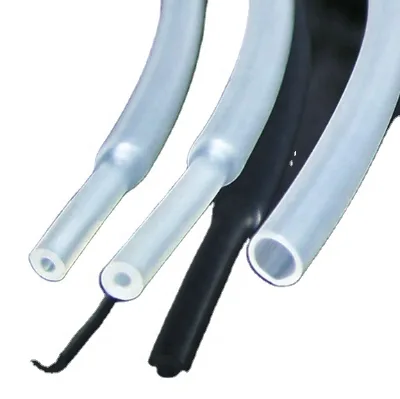


$0.09 - $0.12
MOQ: 500 Meters


Customizable Anti-Slip Pattern Heat Shrink Tubing Soft and Fast Shrinkable
$0.55 - $1.73
MOQ: 1000 piece

Comprehensive Sourcing Guide
Strategic Sourcing Guide for Automatic Digital Control Heat-Shrink Tubing
Technical Specifications and Core Performance Metrics
When sourcing automatic digital control heat-shrink tubing, buyers must first distinguish between the machinery used to process the material and the material properties themselves. The market offers a spectrum of products ranging from simple polymer tubes to complex, application-specific solutions integrated with automated production lines. In the context of automatic digital control systems, the machinery often features specific drive mechanisms and control interfaces that dictate the efficiency of the shrinking process. For instance, high-performance automated lines may utilize pneumatic driven types to ensure consistent pressure application during the shrinking cycle. The control interface is a critical component, with some advanced systems employing specific touch screen brands to manage temperature profiles and conveyor speeds precisely.
The material composition of the tubing is equally vital. The core product often utilizes polyethylene (PE) or polyvinyl chloride (PVC) as the base polymer, each offering distinct thermal and mechanical characteristics. A standard shrink ratio of 3:1 is commonly observed in high-performance applications, allowing the tubing to contract significantly to fit various cable diameters. The operational temperature range is a defining factor for suitability; reliable products are engineered to function within a broad spectrum, typically spanning from -45 to 125 degrees Celsius. This wide range ensures stability in extreme environments, from cold storage facilities to high-heat industrial zones. Furthermore, the minimum shrink temperature is a critical threshold; products designed for efficient processing often require a minimum activation temperature of 110 degrees Celsius.
Mechanical properties such as tensile strength and elongation determine the durability of the insulation. Buyers should look for data indicating a tensile strength around 12.36 units and elongation capabilities near 454.62 percent, which suggest a balance between rigidity and flexibility. The strength of peeling, often measured at 80n/25mm, is another key metric for ensuring the tubing adheres properly without delaminating under stress. In automated settings, the guide rails and cylinder components of the machinery play a significant role in maintaining precision. High-quality systems often integrate specific guide rail brands and pneumatic cylinders to minimize vibration and ensure uniform heat distribution. The condition of the equipment is typically listed as "New," and the manufacturing process may involve independent research and development to optimize the fit between the machine and the tubing material.
Compliance, Certification, and Regulatory Standards
Navigating the regulatory landscape is essential for any procurement strategy involving heat-shrink tubing, particularly for applications in healthcare, electronics, and industrial automation. The certification landscape varies significantly based on the intended application and the geographic market of the buyer. A comprehensive product offering often includes multiple certifications to satisfy diverse international standards. Common certifications observed in the market include CE, ISO, RoHS, and CCC, which indicate compliance with European safety, environmental, and Chinese regulatory requirements. For medical applications, the presence of FDA and ISOCE certifications is paramount, ensuring the material meets strict biocompatibility and safety standards.
The distinction between general industrial tubing and medical-grade tubing is often marked by specific sterilization capabilities. Products intended for hospital use may require Ethylene Oxide Sterilization, a process that ensures the tubing is free from pathogens without damaging the polymer structure. This is particularly relevant for disposable medical devices where sterility is non-negotiable. Additionally, the IP rating of the final assembly, often cited as IPMaterial:PE in technical datasheets, indicates the level of protection against solid objects and water ingress, a critical factor for outdoor or harsh environment applications.
Buyers must verify that the product standard aligns with the specific industry requirements. For example, some tubing is standardized under PA TUBE specifications, while others may adhere to weight or voltage standards such as 515KG or a maximum voltage of less than 10KV. The thermal rating is another compliance metric, with some products rated for 250 degrees, indicating their ability to withstand high-temperature environments without degradation. It is crucial to note that not every listed product will possess every certification; procurement teams must cross-reference the specific product model, such as TWL-RS-04 or SBRS-3X GLS, against the required regulatory framework for their specific project.
Cost Drivers and Pricing Dynamics
Understanding the cost structure of automatic digital control heat-shrink tubing requires an analysis of both the raw material inputs and the manufacturing complexity. The observed price range in the market is extensive, spanning from 0.05 to 4000 USD. This wide variance is not arbitrary but reflects differences in material quality, production volume, and the level of automation integrated into the supply chain. Low-cost options typically represent basic polyethylene tubing with minimal processing, suitable for general-purpose applications. In contrast, higher-priced items often include advanced features such as specialized digital control integration, medical-grade sterilization, or custom branding.
The Minimum Order Quantity (MOQ) is a significant factor influencing the unit cost. The market observes an MOQ range from 1 to 10,000 units. Buyers purchasing small quantities, such as samples or prototype runs, may face higher per-unit costs due to the fixed overhead of setup and production. Conversely, bulk orders that meet or exceed the 1000-piece threshold often benefit from economies of scale, significantly reducing the cost per unit. For instance, specific medical-grade tubing may have a fixed MOQ of 1000 pieces, below which the supplier may not offer the product.
Other cost drivers include the complexity of the packaging and shipping requirements. Products shipped in export crates or standard export cartons incur higher logistics costs compared to those in simple polybags. The origin of the product, typically China, influences the base manufacturing cost, but the final price is also affected by the lead time. A lead time of 15-20 days is standard for many suppliers, but expedited shipping or custom development can increase the overall cost. Additionally, the inclusion of value-added services such as logo printing or custom dimensions can add to the final price. Buyers should carefully evaluate the total cost of ownership, including shipping, duties, and potential inventory holding costs, rather than focusing solely on the unit price.
Typical Applications and Industry Use Cases
The versatility of automatic digital control heat-shrink tubing allows it to serve a wide array of industries, each with unique requirements for insulation, protection, and identification. In the electronics sector, the tubing is extensively used for HDMI cables, electric wires, and optical cables. The high shrink ratio and precise thermal control ensure a tight, secure fit that protects delicate connectors from moisture, dust, and mechanical abrasion. The ability to withstand temperatures up to 125 degrees Celsius makes it ideal for applications near heat-generating components.
The medical industry represents another critical application area. Disposable, sterile tubing is essential for hospital environments where infection control is paramount. Products with FDA and ISOCE certifications are specifically designed for medical devices, ensuring they do not react with biological tissues. The feature of being disposable and sterile allows for single-use applications that eliminate cross-contamination risks. The blue color coding often used in these products aids in quick identification and inventory management within sterile fields.
Industrial automation and lighting decoration also rely heavily on this technology. In lighting applications, the tubing provides a protective layer for LED strips and wiring, enhancing safety and longevity. The automatic demoulding and pneumatic driven types of machinery used in production ensure that the tubing can be applied rapidly and consistently to complex cable assemblies. The customization options available, such as specific colors and logo printing, allow manufacturers to brand their products and meet specific aesthetic or functional requirements. Whether for heavy-duty industrial use or delicate consumer electronics, the adaptability of heat-shrink tubing makes it a fundamental component in modern manufacturing.
Supplier Evaluation and Selection Criteria
Selecting the right supplier for automatic digital control heat-shrink tubing requires a rigorous evaluation process that goes beyond price comparisons. Buyers should prioritize suppliers who demonstrate a commitment to quality and consistency. The condition of the product, typically listed as "New," is a baseline expectation, but the reputation of the manufacturer for maintaining this standard is crucial. Suppliers with a history of independent research and development are often better equipped to offer innovative solutions and adapt to changing market demands.
The availability of samples is a key indicator of a supplier's confidence in their product. Many suppliers accept sample requests, allowing buyers to test the material properties, such as shrink ratio, tensile strength, and thermal resistance, before committing to a large order. The ability to provide samples also facilitates the verification of certifications and compliance documentation. Buyers should also assess the supplier's production capacity and flexibility. The observation that customization is available suggests that suppliers can tailor products to specific needs, such as unique dimensions or specialized materials.
Logistics and shipping capabilities are also important factors. Suppliers that offer multiple shipping options, including sea, air, and express, provide greater flexibility in managing supply chain disruptions. The packaging method, whether it be export crates or standard cartons, should be evaluated for its ability to protect the product during transit. Finally, the warranty period, often cited as 12 months, is a strong indicator of the supplier's confidence in the durability and performance of their products. A robust warranty policy can provide buyers with peace of mind and financial protection against premature failures.
Quality Control and Long-Term Procurement Considerations
Implementing a robust quality control (QC) strategy is essential for maintaining the integrity of the supply chain. Buyers should verify that the supplier adheres to strict quality standards, such as the "Excellent" quality rating observed in some product listings. Regular inspections should focus on critical attributes like the shrink ratio, tensile strength, and thermal rating. For medical applications, verifying the sterility and the effectiveness of the Ethylene Oxide Sterilization process is non-negotiable. The presence of specific certifications like FDA and ISOCE should be confirmed through valid documentation before any large-scale procurement.
Long-term procurement considerations involve building a sustainable relationship with suppliers who can consistently meet demand. The lead time of 15-20 days is a standard benchmark, but buyers should negotiate terms that allow for flexibility in case of supply chain disruptions. The ability to scale orders up or down based on market demand is a valuable attribute of a reliable supplier. Additionally, buyers should consider the environmental impact of their procurement choices. Products with RoHS certification indicate compliance with restrictions on hazardous substances, aligning with global sustainability goals.
The integration of digital control systems into the production process offers opportunities for continuous improvement. By leveraging data from the touch screen interfaces and servo drivers, buyers can monitor production quality in real-time and identify potential issues before they escalate. This data-driven approach can lead to more efficient production cycles and higher product reliability. Ultimately, the goal is to secure a supply of heat-shrink tubing that not only meets current specifications but also supports future innovation and operational excellence. By focusing on technical specifications, compliance, cost drivers, applications, supplier evaluation, and quality control, buyers can make informed decisions that drive value and minimize risk in their procurement strategies.
FAQs
What certifications are available for this tubing?
Products typically hold CE, ISO, RoHS, and CCC certifications for general use. Medical-grade options additionally feature FDA and ISOCE approvals to ensure biocompatibility and safety for hospital applications.
How is the tubing installed on cables?
The installation process is designed for vertical application using automatic demoulding mechanisms. The system utilizes pneumatic driven types and specific guide rails to ensure precise and consistent shrinking on various cable assemblies.
Can I customize the product with my logo?
Customization is available for most product lines, including options for logo printing. Buyers can request specific colors and branding details to meet unique identification or aesthetic requirements for their specific projects.
What is the minimum order quantity for medical tubing?
The minimum order quantity for specific medical-grade items is 1000 pieces. Suppliers generally accept samples for evaluation, but bulk orders meeting this threshold are required to secure the product.
Which materials are used for the heat-shrink tubing?
The tubing is manufactured from Polyethylene (PE) or Polyvinyl Chloride (PVC) materials. These polymers provide distinct thermal and mechanical properties suitable for diverse applications ranging from electrical wires to lighting decorations.
What is the lead time for production?
The standard lead time for production is 15 to 20 days. This duration covers the manufacturing process and packaging in export crates or standard cartons before shipping via sea, air, or express methods.