Source Automatic Digital BOD Tester for Water, Medical, and Food Analysis
Explore 30 verified listings for the Automatic Digital BOD Tester designed for water quality, medical research, and food analysis. Buyers can compare models like BOD-406 and BOD-573 based on measurement ranges, accuracy, and customization options to find the right fit for their laboratory needs.
Key considerations
Products List


Laboratory BOD Meter Analyzer Lab Water Biochemical Oxygen Demand Tester
$1688.00 - $1888.00
MOQ: 1 Pieces


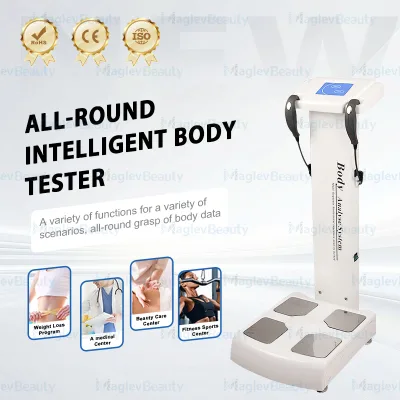


Body Health Analyzer Body Scanner for Fitness Testing for Personal Care Body Health
$950.00 - $1038.00
MOQ: 1 Pieces

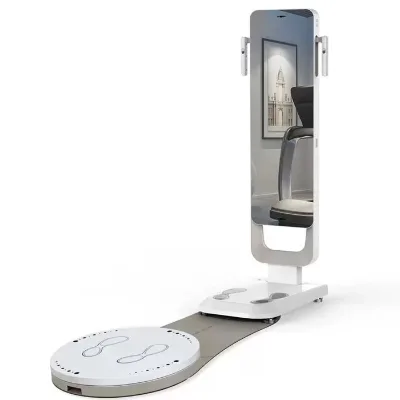
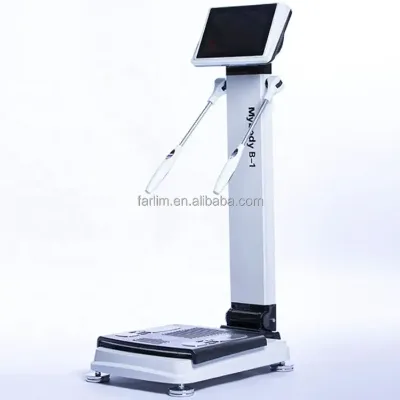
Body Analyzer Inbody 270 Body Composition Analysis System Fat Test Analysis
$550.00 - $600.00
MOQ: 1 Pieces






Comprehensive Sourcing Guide
Strategic Sourcing Guide for Automatic Digital BOD Testers
Understanding the Core Technology and Operational Scope
The automatic digital Biochemical Oxygen Demand (BOD) tester represents a critical asset in modern water quality analysis, laboratory research, and environmental monitoring. Unlike manual titration methods, these devices automate the incubation and measurement processes, significantly reducing human error and processing time. The core functionality revolves around the precise measurement of dissolved oxygen consumption by microorganisms over a specific period, typically five days, though modern units often support variable durations.
When evaluating the technical landscape, buyers must distinguish between the various operational modes and structural designs available in the market. The observed product spectrum includes both portable and desktop configurations, catering to different workflow requirements. Portable units are designed for field applications or mobile laboratories where space is constrained, while desktop models, often featuring integrated digital displays and larger sample capacities, are suited for high-throughput institutional settings. The display technology is predominantly digital, with advanced units offering 7-inch full-color LCD touch screens that facilitate intuitive data entry and real-time monitoring.
A fundamental aspect of the technology is the measurement range and resolution. High-performance units are engineered to cover a broad spectrum of oxygen demand, with specific models demonstrating a measurement range of 0-4000mg/L. This capacity is essential for analyzing both clean water sources and highly concentrated industrial effluents. Furthermore, the resolution of these devices is critical for detecting minute changes in oxygen levels; specifications indicate a resolution as fine as 0.1mg/L, ensuring that even subtle variations in water quality are captured accurately. The ability to expand the measurement range in certain configurations allows laboratories to adapt to varying sample concentrations without requiring multiple distinct instruments.
Technical Specifications and Performance Parameters
Selecting the right Automatic Digital BOD Tester requires a deep dive into specific technical parameters that define its performance capabilities. The incubation process is governed by precise temperature control and stirring mechanisms. For accurate BOD testing, the culture temperature must be maintained at a standard 20 degrees Celsius, a condition that is non-negotiable for valid biological activity. The stirring speed, which ensures uniform oxygen distribution and prevents sedimentation, is typically adjustable, with observed ranges spanning from 50 to 100 Rpm.
The sample handling capacity is another decisive factor in procurement. Units vary significantly in their ability to process multiple samples simultaneously. Some configurations support a sample count of 6, while others offer expanded capabilities with up to 60 sampling points, allowing for high-volume batch processing. The measurement period is equally variable; while the standard BOD-5 test requires five days, advanced systems offer adjustable measurement periods ranging from 1 to 30 days. This flexibility is particularly valuable for research projects requiring extended incubation or rapid screening protocols.
Data management and connectivity are increasingly important in automated systems. Modern testers are equipped with substantial storage capabilities, with some models capable of storing up to 10,000 groups of test data. The data record interval is often adjustable between 5 and 180 minutes, providing granular control over data logging frequency. Connectivity is facilitated through standard interfaces, such as RS232, which allows for seamless integration with external computers and laboratory information management systems (LIMS). Additionally, the inclusion of a thermal printer enables immediate hard-copy generation of results, ensuring a physical audit trail for compliance and quality assurance purposes.
Physical dimensions and weight are practical considerations for laboratory layout. Desktop units may have dimensions around 290190mm72mm and weigh approximately 2.4kg, whereas more robust systems with integrated incubators and larger data storage may have a gross weight of 10kg. Power supply requirements generally align with international standards, accepting AC100~240V at 50/60Hz, ensuring compatibility across different global regions.
Compliance, Certification, and Regulatory Standards
In the realm of environmental testing, compliance with international standards and certifications is paramount. Buyers must verify that the equipment meets specific regulatory requirements to ensure the validity of test results in legal and commercial contexts. The supply chain for these devices often includes products certified under the CE (Conformité Européenne) and RoHS (Restriction of Hazardous Substances) frameworks, indicating adherence to European health, safety, and environmental protection standards.
Furthermore, quality management systems play a crucial role in supplier selection. Products are frequently associated with ISO certifications, such as ISO 9001, which signifies that the manufacturer adheres to established quality management principles. However, it is essential to note that while some product listings reference ISO 9001:2000, the specific version and scope of certification should be verified directly with the supplier, as standards evolve and specific model compliance may vary. The distinction between general ISO standards and specific product certifications is vital; a product bearing a "Plastic" standard designation or "Other" standard classification requires careful scrutiny to ensure it meets the specific material and safety requirements of the intended application.
Accuracy is a primary compliance metric. The equipment must be qualified for BOD 5 accuracy tests, a benchmark that validates the instrument's ability to produce reliable results under standard testing conditions. This qualification is not merely a marketing claim but a technical requirement for the device to be accepted in regulatory reporting. Buyers should request documentation proving that the specific model has undergone validation against recognized BOD testing protocols.
Cost Drivers and Pricing Dynamics
The pricing of automatic digital BOD testers is influenced by a complex array of factors, including technological sophistication, build quality, and the level of automation provided. The observed market range is extensive, spanning from approximately $0.50 to $9,100 USD. This wide disparity reflects the difference between basic components, accessories, and fully integrated, high-end automated systems.
Several key drivers influence the final cost. First, the complexity of the measurement system, particularly the precision of the temperature control and stirring mechanisms, significantly impacts the price. Units offering a wider measurement range, such as those capable of handling up to 4000mg/L with high resolution, command a premium over basic models. Second, the inclusion of advanced features like 7-inch touch screens, large data storage capacities, and integrated thermal printers adds to the manufacturing cost and, consequently, the retail price.
Minimum Order Quantity (MOQ) is another critical cost factor. The market exhibits an MOQ range from 1 to 10,000 units. For laboratories requiring a single unit for immediate deployment, suppliers with low MOQs are essential. Conversely, large-scale procurement for multiple facilities or distribution networks may benefit from suppliers offering bulk pricing tiers, though the high MOQ ceiling suggests that some manufacturers cater primarily to wholesale or industrial clients. Buyers must balance the unit price against the total cost of ownership, considering that lower-priced units may lack the durability or advanced features required for long-term, high-frequency use.
Typical Applications and Industry Use Cases
Automatic digital BOD testers serve a diverse range of industries where water quality analysis is critical. The primary application areas include biochemistry, medical research, and food analysis. In the biochemistry sector, these instruments are indispensable for studying metabolic processes and oxygen consumption rates in various biological samples. Medical research facilities utilize them to analyze wastewater from hospitals and pharmaceutical production, ensuring that effluent meets discharge standards before release into the environment.
Food analysis is another significant domain. The food and beverage industry relies on BOD testing to monitor the organic load in wastewater generated during processing. High BOD levels can indicate excessive organic waste, which poses environmental hazards and regulatory risks. By using automated testers, food manufacturers can efficiently track their environmental impact and optimize their treatment processes.
Environmental monitoring agencies and municipal water treatment plants also depend on these devices. They are used to assess the health of water bodies, detect pollution sources, and ensure compliance with local and national water quality regulations. The ability to measure a wide range of samples, from 1 to 60 points, makes these testers suitable for both spot checks and comprehensive monitoring campaigns. The specific measurement period of 1-30 days allows for flexibility in addressing different types of pollutants, which may require varying incubation times to reach equilibrium.
Supplier Evaluation and Quality Control Protocols
When evaluating potential suppliers for automatic digital BOD testers, buyers must adopt a rigorous due diligence process. The origin of the product is a significant indicator of manufacturing capability. Many of the observed products originate from China, with specific manufacturing hubs like Xi'an noted in the supply chain. While this does not inherently dictate quality, it highlights the need for buyers to verify the specific factory's reputation and quality control infrastructure.
Quality control should extend beyond the product itself to the packaging and logistics. Standard packing and carton packaging are common, but some high-value or sensitive units may require wood packaging to ensure protection during transit. The weight of the product, ranging from 2.4kg to 10kg, influences shipping costs and handling requirements. Buyers should confirm that the supplier provides appropriate packaging to prevent damage, especially for units with delicate digital displays and precision sensors.
Customization is a key differentiator in the market. While some products are available as non-customized, standard units, others offer customization options to meet specific laboratory needs. Buyers should clarify whether the supplier can tailor the device's software, hardware configuration, or measurement parameters to align with their specific protocols. The availability of customization can be a decisive factor for specialized research applications.
Long-Term Procurement and Maintenance Considerations
Sourcing an Automatic Digital BOD Tester is a long-term investment that requires consideration of maintenance, support, and lifecycle management. The durability of the device is influenced by the materials used, such as the plastic standards observed in some models, which must be resistant to chemical corrosion and physical wear. The power supply requirements, typically AC100~240V, ensure global compatibility, but buyers should verify the availability of local power adapters and surge protection.
Data integrity is a critical long-term concern. With storage capacities for up to 10,000 data groups, the reliability of the internal memory and the ease of data export are paramount. The standard RS232 interface facilitates data transfer, but buyers should ensure that the software drivers are compatible with their existing IT infrastructure. Regular calibration and maintenance are necessary to maintain the accuracy of the temperature and stirring controls. Buyers should inquire about the availability of spare parts, such as stirrers, sensors, and printers, to minimize downtime.
Finally, the lead time and supply chain stability should be assessed. While specific lead times are not universally standardized, the MOQ and production capacity of the supplier will impact delivery schedules. For critical applications where continuous testing is required, having a reliable supply chain for consumables and spare parts is essential. Buyers should establish a relationship with suppliers who can provide consistent support and technical assistance throughout the product's lifecycle, ensuring that the investment in automatic digital BOD testing technology yields reliable and compliant results for years to come.
FAQs
What is the measurement range for these testers?
The measurement range covers 0 to 4000mg/L and can be expanded after initial setup. This capacity allows analysis of both clean water and concentrated industrial effluents without changing instruments.
Can the measurement period be adjusted for different needs?
Yes, the measurement period is adjustable from 1 to 30 days to suit various protocols. While standard BOD-5 tests take five days, this flexibility supports extended incubation or rapid screening requirements.
Which certifications do these devices typically hold?
Most units carry CE and RoHS certifications, with some also holding ISO standards. These certifications indicate adherence to European safety and environmental protection frameworks for reliable operation.
How many samples can the device process simultaneously?
Standard configurations handle 6 samples, while advanced models support up to 60 sampling points. This variation allows laboratories to choose between compact setups or high-volume batch processing capabilities.
What is the required culture temperature for accurate testing?
The culture temperature must be maintained at exactly 20 degrees Celsius for valid biological activity. This precise control is non-negotiable to ensure the accuracy of the dissolved oxygen consumption measurements.
Can the device store test data for later review?
Advanced models can store up to 10,000 groups of test data internally. The data record interval is adjustable between 5 and 180 minutes to provide granular logging control for compliance audits.
Is customization available for specific laboratory requirements?
Customization is available for certain models to meet specific protocol needs. Buyers should verify if the supplier offers tailored hardware or software configurations, as some units are sold as non-customized standard products.